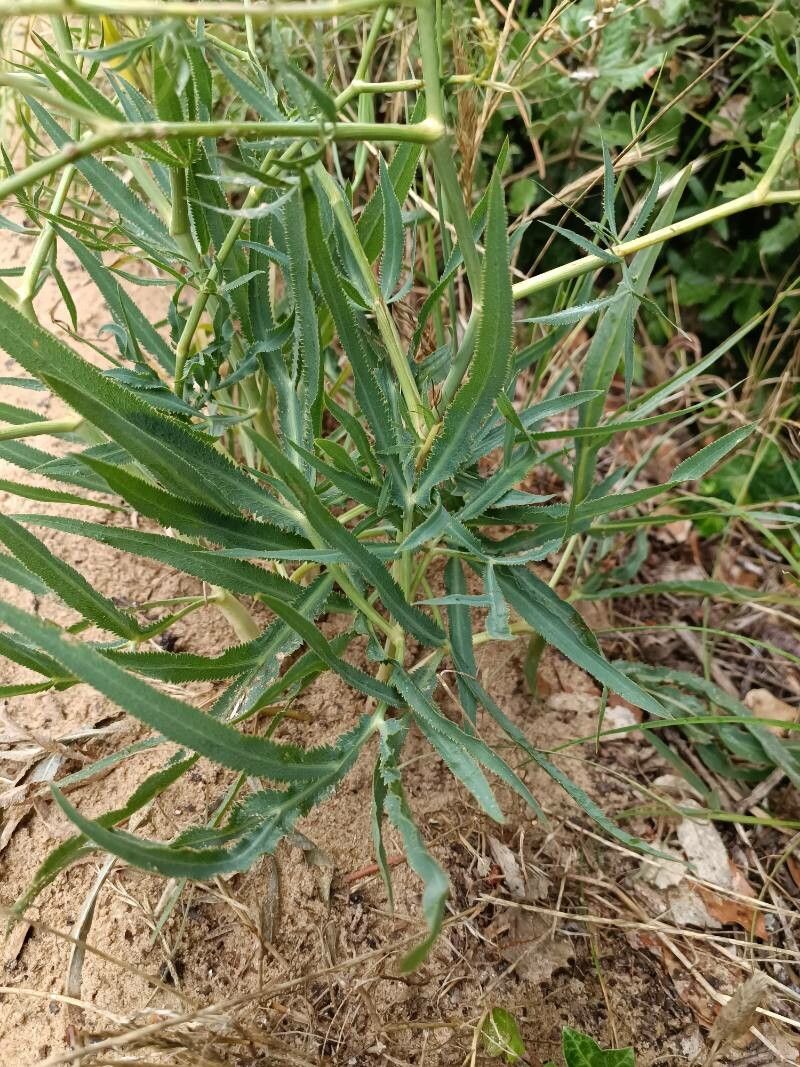
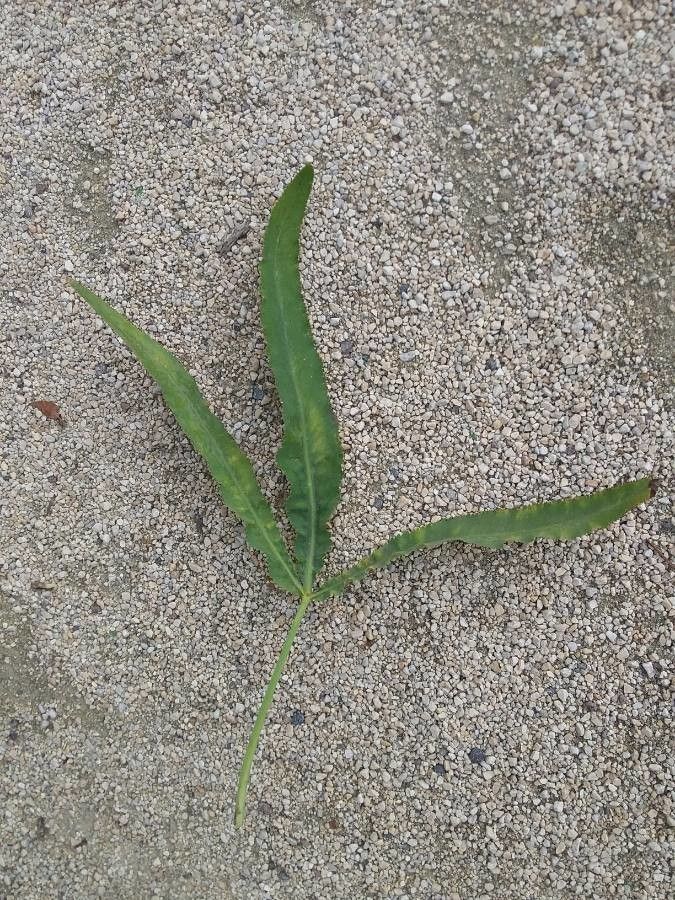
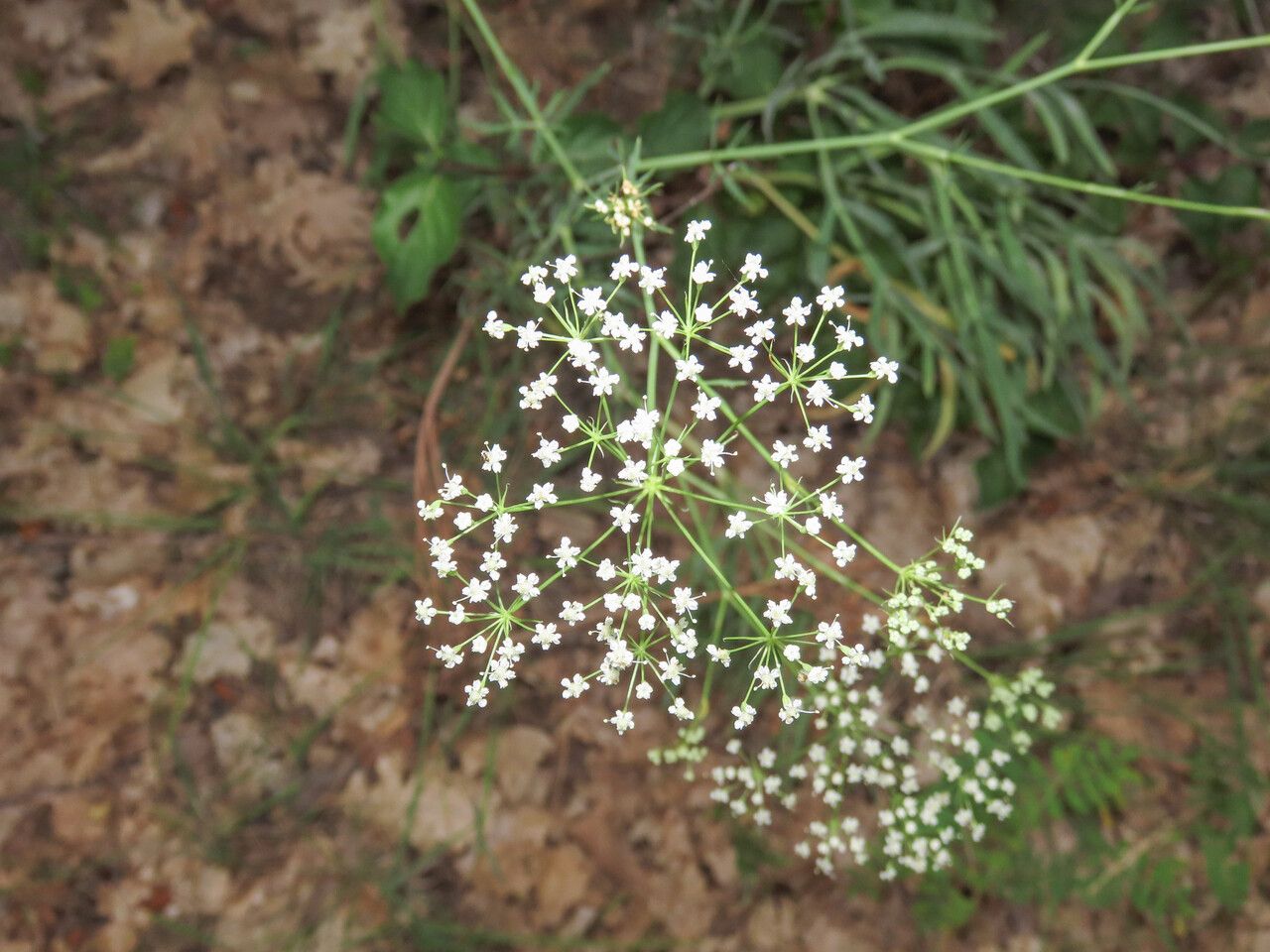
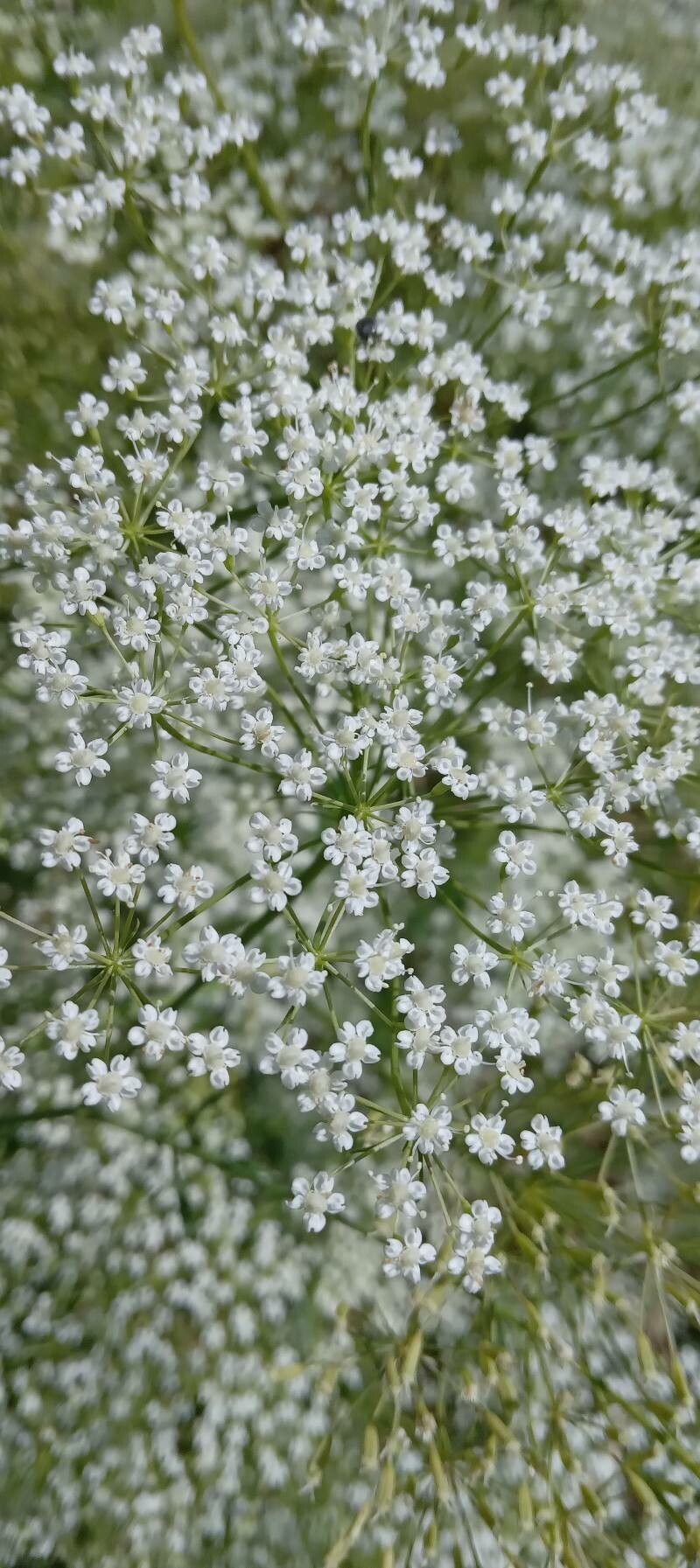
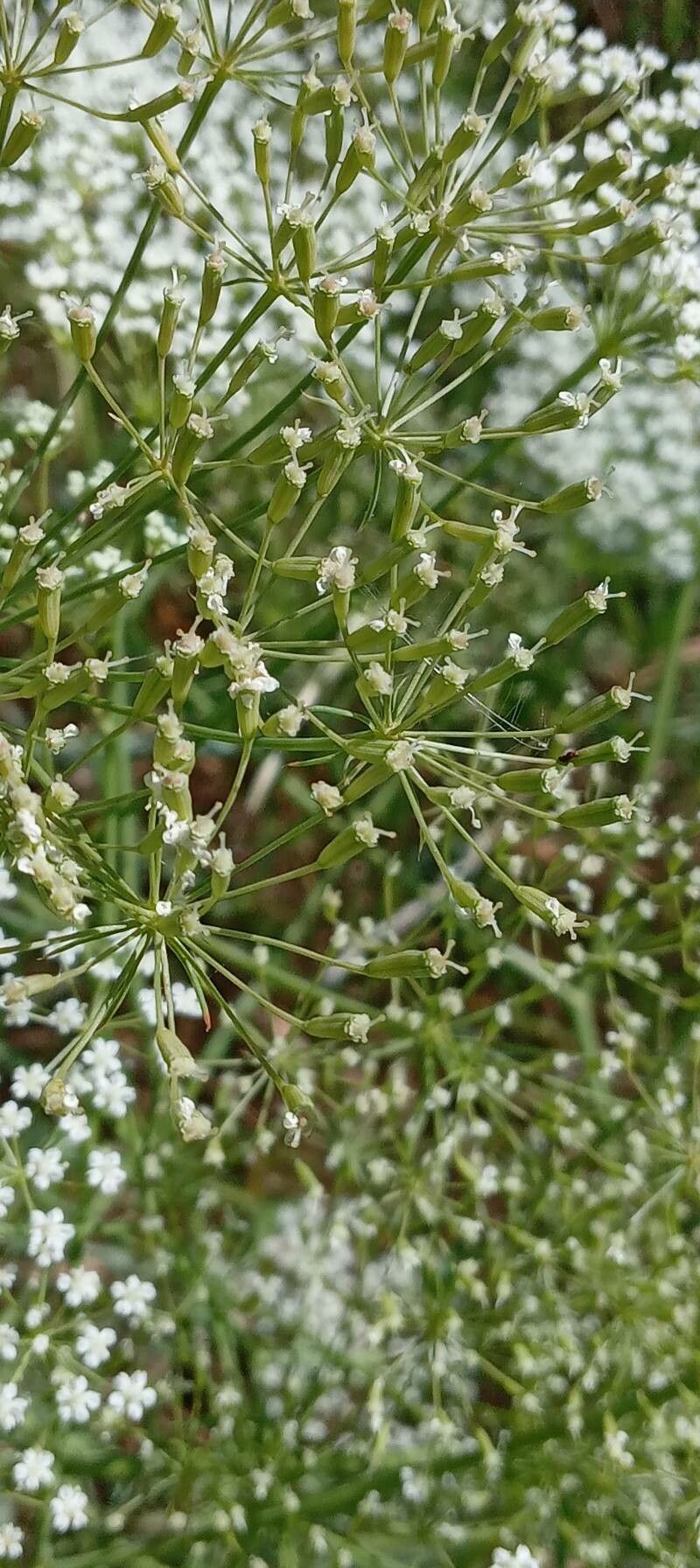
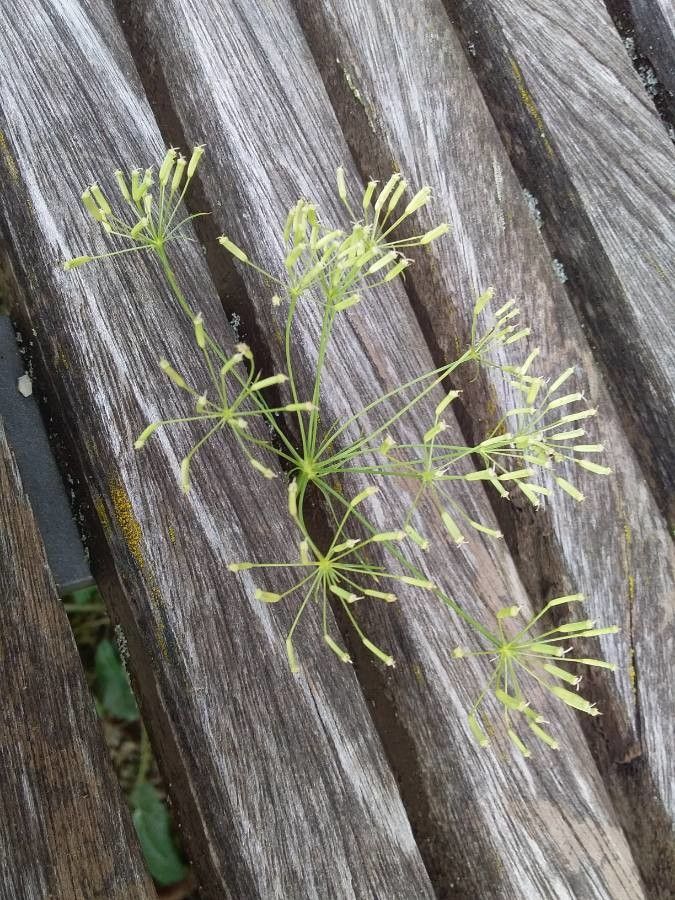
Falcaria vulgaris, the sickleweed or longleaf, is the sole species in the genus Falcaria. It is a biennial herb of the spherical shape. Blossoms in June–July. Grows in Europe, Siberia, Middle East, Northern Africa, North and South Americas. Contains alkaloids, carotene, vitamin C, proteins.
Its use as an alternative medicine may offer several advantages, especially in the treatment of stomach and skin ulcers, diabetes, infections, and liver and kidney disorders.
Sickleweed is fairly resistant to disease and generally does not develop illnesses easily. Still, it can be affected by pests and diseases found in its environment. Such outbreaks tend to be minor. Regarding upkeep, this plant needs a moderate level of care. It should be pruned on a regular basis to keep a neat appearance and support healthy growth. Applying fertilizer can also encourage blooming. Sickleweed is a good choice for anyone with outdoor space, like a garden or patio, and does not demand extensive care experience. It can, however, require more attention if cultivated indoors.
How to keep Falcaria Vulgaris.
Light
Sickleweed does best with plenty of sunlight, though it can manage with limited light. This trait comes from its native habitat, which receives abundant sun. Too much sun can scorch the leaves, while too little light prevents healthy growth.
Water
Sickleweed thrives in environments with moderate moisture and consistent hydration. To maintain an optimal balance, it should be watered weekly, although it can tolerate short periods of dryness. Typically grown outdoors, sickleweed benefits from natural rainfall, making it well-suited for temperate climates with seasonal precipitation.
Temperature
Sickleweed is native to temperate habitats and does best at temperatures of 50 to 77 °F (10 to 25 ℃). Seasonal temperature adjustments may be needed to replicate the warm conditions of its native environment.
Fertilizer
One application of fertilizer in spring is generally adequate for Sickleweed, though repeated feedings can boost growth. Fertilize every month to six weeks. Feeding improves leaf look and function, encouraging even color and a healthy texture. It also promotes root development and nutrient uptake, supporting the plant's long-term health.
Pruning
To promote optimal growth for sickleweed, prune the plant from early to late spring. Remove any dead or damaged stems as well as spent flowers. This process improves air circulation, reduces the risk of disease, and encourages new growth. Make sure to use clean, sharp tools to make precise cuts, which will enhance the plant's appearance and vigor.
Botanical profile.
- Plant Type
- Herb
- Life Cycle
- Perennial
- Genus
- Falcaria
- Family
- Apiaceae
- Hardiness Zone
- 6
- Mature Height
- 30 cm to 91 cm
- Mature Spread
- 20 cm to 40 cm
- Leaf Color
- Green, Dark Green
- Leaf Type
- Semi-evergreen
- Flower Color
- White
- Flower Size
- 3.05 cm to 5.08 cm
- Bloom Time
- Early summer, Mid summer
- Planting Time
- Spring, Summer, Autumn
- Harvest Time
- Late summer, Early fall
- Native Area
- Turkey, Austria, Slovakia, Montenegro, Slovenia, Croatia, Belarus, Uzbekistan, Russia, Iraq, Germany, Estonia, Romania, Latvia, Belgium, Moldova, France, Tajikistan, Czech Republic, Bulgaria, Armenia, Poland, Greece, Ukraine, Lebanon, Serbia, Lithuania, Afghanistan, Syria, Kyrgyzstan, Kazakhstan, Italy, Spain, Switzerland, Iran, Albania, Azerbaijan, Algeria, Hungary, Turkmenistan
Other names.
Reader questions.
How should I water my Sickleweed plant?
When watering the Sickleweed, there are a few things to keep in mind. It's best to use filtered water at room temperature rather than tap water, as tap water may contain harmful particles. The Sickleweed prefers warmer water since it is native to warm environments and cold water can be a shock to its system. Instead of watering from above, it's recommended to pour the filtered room temperature water directly onto the soil until it is fully soaked. This will help the roots stay moist and spread throughout the soil to gather nutrients.
What are the sunlight requirements for Sickleweed?
Sickleweed thrives under full sunlight, needing above 6 hours of direct sunlight per day for optimal growth. It can also manage in partial sun, which is about 3-6 hours of sunlight. Observing the movement of sunlight through your garden helps in choosing the right spots that offer a balance of light and shade, ensuring your plants remain healthy. Sickleweed, originating from environments with plentiful sunlight, can adapt to varying light conditions. However, prolonged overexposure to the sun may result in leaf scorching, while insufficient light can impair the plant's growth.
What is the ideal temperature range for growing Sickleweed?
Sickleweed, botanically known as Falcaria vulgaris, thrives best in temperate climates with an ideal temperature range between 50 to 77 °F (10 to 25 °C). To ensure optimal growth, it might be necessary to adjust temperatures across different seasons to replicate its native thermophilic conditions.
What should I do if I give my Sickleweed plant too much or too little water?
Overwatering is a common issue for Sickleweed, while underwatering is less common because it has good drought tolerance. Overwatering can cause wilting, yellowing leaves, and diseases like root rot, mold, and mildew that can kill the plant. Underwatering can make the leaves brittle and brown. It's important to notice signs of overwatering early to prevent irreparable damage. Reduce watering immediately if you see early signs of overwatering and check if the soil drains well. If the soil doesn't drain well, replace it with a loose, well-draining potting mix. If you notice signs of underwatering, simply water more regularly until the signs go away.
How can artificial lighting be used for Sickleweed?
Artificial lighting is crucial for indoor Sickleweed plants, especially when natural sunlight is insufficient. LED lights, for instance, provide specific wavelengths needed for plant growth. For full sun plants, 30-50W per square foot is recommended; partial sun plants require 20-30W per square foot; and full shade plants need 10-20W per square foot. The light source should be placed 12-36 inches above the plant, simulating natural sunlight, and kept on for 8-12 hours daily to mirror natural daylight hours and promote healthier growth.
Does Sickleweed require frost protection measures during winter?
Despite being highly cold-tolerant, Sickleweed does not require additional frost protection measures during winter. It is recommended, however, to water the plant generously before the first freeze in autumn. This ensures the soil remains moist and enters a frozen state, helping prevent drought and water scarcity for the plant during winter and early spring.
How frequently should I give water to my Sickleweed plant?
If your Sickleweed plant is in a pot, the most precise way to determine if it needs water is by checking the soil. Simply stick your finger into the soil and if you find that the top two to three inches are dry, it's time to water. For outdoor Sickleweed plants grown in the ground, you can use a similar method. Once you notice that the first few inches of soil have dried out, it's a sign that watering is needed. Usually, during spring and early fall, watering once a week is sufficient. However, during extremely hot weather, it may be necessary to water more frequently, around two or more times per week. It's worth mentioning that mature and well-established Sickleweed plants have a great ability to withstand drought.
What are the symptoms of inadequate lighting for Sickleweed?
Sickleweed exhibits several symptoms when subjected to inadequate lighting, including smaller new leaves, leggy or sparse growth, faster leaf drop, slower or no new growth, lighter-colored new leaves, and stress symptoms like chlorosis, sunscald, leaf curling, wilting, and leaf scorching. These symptoms indicate either a lack of sufficient sunlight or overexposure. The plant may show restricted growth, reduced vitality, or impairments in photosynthesis under poor lighting conditions.
How does Sickleweed react to temperatures below -25°C?
Sickleweed is extremely cold-tolerant, but it is important to maintain the winter temperature above -25°C. If the temperature drops below this threshold, you may not notice any changes during winter, but there could be a decrease in sprouting or even no sprouting come springtime. In spring, it's advisable to remove any parts of the plant that have failed to sprout as a solution to this issue.
How much water does my Sickleweed plant need?
When watering your Sickleweed, make sure to give it plenty of water. Wait until the first two to three inches of soil are dry, then water the plant thoroughly. The water should completely saturate the soil and drain out through the bottom of the pot. If you don't see excess water draining, you may have not watered enough. Avoid letting water accumulate in the soil, as this can harm the plant. Additionally, if water doesn't drain well from the pot, make sure to use soil that drains properly. If the plant is outside, one inch of rain per week should be enough.
What solutions exist for Sickleweed facing inadequate sunlight?
To support Sickleweed struggling with inadequate sunlight, gradually move the plant to sunnier spots to receive at least 6 hours of sunlight daily. For indoor plants, use south-facing windows and consider supplemental artificial lighting. Outdoor plants should be moved carefully to prevent sunburn. Reduce obstructions like overhanging branches to allow more sunlight to reach the plants. Transplanting during dormant periods can also help to reposition plants for better sunlight exposure. It's crucial to note that parts of the plant damaged by low light may not recover, but new growth will be healthy after improving light conditions.
What should be done if Sickleweed is exposed to high temperatures?
Sickleweed is not tolerant of high temperatures. If the temperature rises above 25°C, the plant's growth will halt and it becomes more susceptible to rot. In such cases, trim away the sunburned and dried-up parts of the plant. Move the plant to a location that provides shade during the midday and afternoon sun, or utilize a shade cloth. Watering the plant in the morning and evening can help keep the soil moist and reduce heat stress.