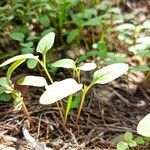
Fallopia convolvulus
هفت بند پیچکی، · Black Bindweed · Climbing-buckwheat · Cornbind · Wild Buckwheat
Description
Source: leafsnapFallopia convolvulus, commonly known as black bindweed or wild buckwheat, is a flowering plant species in the family Polygonaceae. This climbing annual herb can grow up to 2 meters tall. The leaves are alternate, arrow-shaped with pointed tips, and measure about 2-6 cm in length. The flowers are small and greenish-white, arranged in clusters on long stalks that emerge from the leaf axils. Native to Europe, Fallopia convolvulus has spread to other parts of the world, including North America, where it has become an invasive species. It thrives in disturbed areas such as fields, roadsides, and gardens. This plant has medicinal uses, including treating digestive disorders like constipation and diarrhea due to its laxative properties. Additionally, it contains antioxidants that may help prevent cell damage caused by free radicals. However, caution is advised because the plant's high oxalic acid content can be toxic if consumed in large quantities, potentially causing kidney damage over time. In summary, Fallopia convolvulus is a fascinating plant with beneficial medicinal properties, but it also carries potential risks if not used properly or consumed in excess.
🌳 Black bindweed is more than an ordinary weed; it can signal soil phosphate levels. Farmers can rely on the presence of black bindweed as a natural marker to judge whether their soil is lacking phosphate, an essential nutrient for crop growth.
🎭 Ambiguity, I want your support, Ties; Hope that's dead
Care Guide
💧 Water Every 3 days
Black bindweed thrives in moderate climates that maintain consistent moisture. It prefers soil that is evenly moist and shows some tolerance to drought. To ensure it remains well-hydrated, it's important to water it weekly. This plant is primarily grown outdoors, where it can benefit from natural rainfall, making it ideal for temperate zones.
How should I water my Black bindweed in the best way?
To properly water the Black bindweed plant, follow these steps: 1. Use filtered water at room temperature. Tap water may contain harmful particles for the plant's health. 2. The Black bindweed prefers warmer water since it originates from a warm environment. Cold water can be detrimental to its system. 3. Avoid watering from above as it can cause problems with the foliage. 4. Instead, apply the filtered room temperature water directly to the soil until it is completely soaked. This helps moisten the roots and promotes the spread of nutrients throughout the soil.
What should I do if I give my Black bindweed too much or too little water?
Overwatering is a common issue for Black bindweed and can cause wilting, yellowing leaves, and diseases like root rot, mold, and mildew. Underwatering is less common but can cause brittle, brown leaves. It's important to recognize signs of overwatering early and reduce watering immediately. Check the soil's drainage; if it's poor, replace it with well-draining potting mix. If underwatering is the issue, simply water more regularly until signs improve.
How often do I need to water my Black bindweed plant?
If your Black bindweed is in a pot, the most accurate way to determine if it needs water is to check the soil moisture by sticking your finger in. If the top two to three inches of soil feel dry, it's time to water. If you're growing the Black bindweed outdoors in the ground, you can use a similar method to check the soil moisture. Once again, if the top few inches of soil are dry, it's time to water. In the spring and early fall, you'll typically need to water this plant about once per week using this method. However, during extremely hot weather, you may need to increase watering to two or more times per week. It's important to note that mature, well-established Black bindweed plants have a good ability to tolerate drought.
How much water does my Black bindweed require?
To water your Black bindweed effectively, make sure to give it plenty of water when you see the top two to three inches of soil becoming dry. It's important to thoroughly soak the soil when watering, ensuring that the water reaches all areas. You should add enough water that it starts to flow out of the drainage holes at the bottom of the pot. If you don't see any excess water draining, it means you probably haven't watered enough. On the other hand, avoid letting the water accumulate inside the soil as it can harm the plant. Additionally, if there is no water draining through the pot, it may indicate that the soil doesn't drain well, which is not good for the plant's health. If the plant is outside, it should receive about 1 inch of rain per week, which will be enough.
How should I water my Black bindweed at different times?
The water needs of the Black bindweed can vary at different stages of growth. When it is young or recently transplanted, it requires more water than usual because it is focused on developing new roots. These roots need extra moisture to support future growth. As the plant matures, it will require less water. Additionally, during the bloom period, the Black bindweed may need more water due to the significant amount of moisture used for flower development.
☀️ Light Full sun
Black bindweed grows best in full sunlight but can tolerate moderate light levels. It originally thrived in open, sunny habitats and requires plenty of sun for optimal growth and health. Insufficient sun can result in weak growth, while excessive exposure may cause wilting.
What are the sunlight requirements for black bindweed?
Black bindweed thrives best under full sunlight, requiring above 6 hours of sunlight daily but can adjust to partial sun, approximately 3-6 hours of sunlight. Originating in sunny habitats, it demands ample sunlight for optimal growth and health. Nonetheless, it's crucial to ensure the right balance of light and shade for the plants, taking care to prevent weak growth from insufficient light or wilting from excessive sun exposure.
How does artificial lighting support indoor growth of plants like black bindweed?
Indoor plants, including black bindweed, need adequate lighting particularly when natural sunlight is scarce. In such situations, artificial lights serve as an essential substitute, facilitating faster and healthier growth. LED lights are commonly recommended due to their ability to provide specific light wavelengths needed by plants. The amount of artificial light required varies depending on the type of plant; full sun plants need 30-50W/sq ft, partial sun plants need 20-30W/sq ft, and full shade plants need 10-20W/sq ft. The artificial light source should be placed 12-36 inches above the plant to mimic natural sunlight conditions and should be kept on for about 8-12 hours per day to simulate the length of natural daylight hours necessary for the plant species.
What are common symptoms of improper sunlight exposure in black bindweed?
Black bindweed exhibits specific symptoms when it does not receive adequate sunlight. Symptoms include smaller new leaves, leggy or sparse growth, premature leaf drop, slower or halted growth, paler new leaves, chlorosis (leaves turning yellow), sunscald, leaf curling, wilting, and leaf scorching. These symptoms range from the effects of insufficient light, causing weak growth and less chlorophyll, to the damages from excessive sunlight, such as sunscald and leaf scorching. Monitoring and adjusting the plant’s exposure to sunlight can help mitigate these issues.
How can you manage sunlight exposure for black bindweed to ensure healthy growth?
Managing sunlight exposure for black bindweed involves a careful balance to ensure it receives the needed amount for healthy growth. For indoor plants, gradually moving them to sunnier locations each week until they achieve at least 6 hours of direct sunlight daily is necessary. Keeping plants near a south-facing window with curtains open during daylight hours helps maximize sunlight exposure. If moving the plant is not feasible, consider using artificial lighting such as desk lamps or professional plant grow lights for at least 8 hours daily. For outdoor plants, gradually acclimatizing them to sunnier spots helps to avoid sunburn, emphasizing the avoidance of sudden light intensity changes. Additionally, reducing obstructions and considering transplanting to sunnier locations can significantly improve sunlight access. It’s essential to note that parts of the plant damaged by insufficient sunlight might not recover, but new growth should be healthy with improved light conditions.
🌡️ Temperature 0–32.2°C
Black bindweed occurs naturally in areas where temperatures range from 68 to 95 °F (20 to 35 ℃). It favors mild to warm climates. Seasonal temperature adjustments may be needed to ensure optimal growth.
What is the native environment of Black bindweed?
Black bindeweed, botanically known as Fallopia convolvulus, is native to environments where temperatures range from 68 to 95 °F (20 to 35 °C), preferring mild to warm climates. To ensure optimal growth, seasonal temperature adjustments may be necessary. Despite its high cold tolerance, and not requiring additional frost protection measures during winter, it is recommended to water the plant generously before the first freeze in autumn. This helps the soil to remain moist and enter a frozen state, preventing drought and water scarcity for the plant during winter and early spring.
How does Black bindweed respond to low temperature conditions?
Black bindweed exhibits extreme cold tolerance, with a critical winter temperature maintenance above -40°C. Although no noticeable changes may occur during winter if the temperature drops below this threshold, the branches may become brittle and dry, and no new shoots will emerge in the springtime. The solution to this is to prune away any dead branches that have failed to produce new leaves in spring.
What should be done if Black bindweed experiences high temperatures?
Black bindweed does not tolerate high temperatures well. When the temperature exceeds 35°C, it may suffer significant leaf drop, and in severe cases, the entire plant may wither and die. To address this, trim away the sunburned and dried-up parts. Moving the plant to a location that provides shade from the midday and afternoon sun or using a shade cloth can help. Watering the plant in the morning and evening to keep the soil moist is also recommended.
💨 Humidity normal (40-60%)
This plant will thrive in moderate humidity, which is probably the level in your home. However, misting it a few times a week can be very beneficial. Make sure the room has good ventilation.
🪴 Soil 5-7
🌱 Fertilizer
Black bindweed benefits from regular, dilute applications of fertilizer to encourage healthy leaf growth. Fertilize Black bindweed about once a month during the summer months. Nitrogen is essential for foliage, and providing nitrogen-rich sources helps Black bindweed thrive.
🪴 Pot & Repot
✂️ Pruning
🌿 Propagating
🐛 Diseases & pets
☠️ Toxicity
Characteristics
- Plant Type
- Vine, Herb
- Life Cycle
- Annual
- Genus
- Fallopia
- Family
- Polygonaceae
- Hardiness Zone
- 2-7
- Mature Height
- 91 cm
- Mature Spread
- 30 cm to 91 cm
- Leaf Color
- Green
- Leaf Type
- Deciduous
- Flower Color
- White
- Flower Size
- 2.54 cm
- Bloom Time
- Early summer, Mid summer
- Planting Time
- Spring
- Harvest Time
- Mid summer
- Native Area
- Libya, Turkey, Sweden, India, Slovakia, Montenegro, Pakistan, Slovenia, Morocco, Croatia, Belarus, Germany, Jordan, Koppen, Romania, Latvia, Belgium, Portugal, Netherlands, Tunisia, Philippines, Cyprus, Bulgaria, Ukraine, Lebanon, China, Afghanistan, Syria, Kyrgyzstan, Kazakhstan, Italy, Mongolia, Finland, Iran, Azerbaijan, Lesotho, Egypt, Austria, Uzbekistan, Russia, Iraq, Iceland, Estonia, South Korea, France, Nepal, Tajikistan, Czech Republic, South Africa, Armenia, Poland, Greece, Serbia, Lithuania, Norway, Spain, Switzerland, Vietnam, Denmark, Israel, Bhutan, Albania, Ireland, United Kingdom, Hungary, Algeria, Turkmenistan