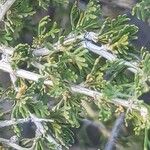
Fallugia paradoxa
Apache plume
Description
Source: leafsnapFallugia paradoxa, commonly known as Apache plume or ponil, is a small deciduous shrub that belongs to the rose family. Native to the southwestern United States and northern Mexico, it thrives in arid regions such as deserts, canyons, and rocky slopes. The plant typically reaches a height of 3 to 6 feet and spreads 4 to 6 feet wide. The leaves of Fallugia paradoxa are small, grayish-green, and have a hairy texture. The plant produces beautiful white flowers that bloom from late spring through early summer. These flowers are followed by feathery, pinkish-white seed heads that resemble plumes or smoke. Fallugia paradoxa plays a crucial role in supporting wildlife by providing food for birds, insects, and mammals. Additionally, its leaves have been traditionally used by Native Americans for medicinal purposes, such as treating coughs and colds. The Apache plume is an easy-to-grow shrub that requires minimal care once established in well-drained soil with full sun exposure. It can tolerate drought conditions but may need occasional watering during prolonged dry spells. Overall, Fallugia paradoxa is an attractive ornamental shrub ideal for xeriscaping gardens due to its low water requirements. Its ecological benefits and wildlife support make it a valuable addition to any landscape design plan.
🌳 Apache Plume is a key source of food for local pollinators. Its fluffy white blossoms produce plentiful nectar, providing nourishment for bees and butterflies. This relationship between Apache Plume and pollinators not only supports insect populations but also helps the plant with seed dispersal and preserves its genetic diversity. In addition, the visual charm of Apache Plume when in bloom has been used in landscape design, where its drought resistance and ornamental value are especially valued.
Care Guide
💧 Water Every 7 days
Apache Plume, native to arid regions, showcases remarkable drought tolerance. It thrives with moderate watering every 1-2 weeks, maintaining its health without the risk of overwatering. Ideal for xeriscaping and dry climate gardens, Apache Plume flourishes in open landscapes by efficiently utilizing infrequent rainfall.
☀️ Light Full sun
Apache plume does best in areas with unrestricted sunlight. Sunlight is essential for its vigorous growth. Ideally it prospers in its native environment where sunlight is plentiful. Too little light can negatively affect its growth, while excessive exposure generally does not cause significant harm.
What are the sunlight requirements for Apache Plume?
Apache Plume requires full sun exposure, which means it needs to be in sunlight for above 6 hours daily to flourish. It's crucial to observe the movement of sunlight through your garden to choose the best spots that offer a balance of light and shade. This ensures the plants' happiness and optimal growth. Apache Plume thrives in its native habitat where sunlight is ample. Insufficient sunlight can hinder its growth, although it tolerates surplus exposure well.
What are the essentials for growing Apache Plume successfully?
To ensure the successful growth of Apache Plume, it's essential to provide it with unrestrained exposure to sunlight, as it plays a significant role in its robust growth. In environments where natural sunlight is insufficient, especially during winter or in less sunny spaces, artificial lighting can be a beneficial alternative. LED lights are recommended for indoor plant lighting, providing specific wavelengths needed for plant growth. For artificial light, full sun plants require 30-50W/sq ft, partial sun plants need 20-30W/sq ft, and full shade plants need 10-20W/sq ft. Adjust the light's placement and duration to mimic natural sunlight conditions effectively.
What symptoms indicate Apache Plume is not receiving enough light?
Symptoms of insufficient light in Apache Plume include newer leaves growing smaller and exhibit pale or irregular color patterns indicating a lack of chlorophyll and essential nutrients. The plant may show leggy or sparse growth, quick leaf drop, halted growth, and chlorosis, where leaves lose their green color. In contrast, overexposure can cause symptoms such as sunscald, leaf curling, wilting, and leaf scorching, marked by dry, brown edges on leaves. Monitoring and adjusting the plant's light exposure is key to managing these symptoms.
How can I address light-related issues for Apache Plume, both indoors and outdoors?
To address light-related issues in Apache Plume, adjust its light exposure. Indoors, gradually move the plant to sunnier spots, aiming for at least 6 hours of direct sunlight daily, using a south-facing window for natural light or artificial lights to meet its needs. Outdoors, acclimatize your plant to sunlight by incrementally moving it to brighter spots to prevent sunburn. Prune any obstructions blocking sunlight or consider transplanting smaller plants to sunnier locations during their dormant period for optimal sunlight absorption and growth. Remember, affected parts may not recover, but new growth will be healthy with adequate light exposure.
🌡️ Temperature 5–32.2°C
Apache Plume is native to regions where temperatures range from 41 to 90 °F (5 to 32 ℃). It does best in moderate temperatures and may require protection during seasons of extreme cold or heat.
What is the native environment temperature range for Apache Plume?
Apache Plume, known botanically as Fallugia paradoxa, is native to environments with a temperature range between 41 to 90 °F (5 to 32 °C). It is best suited to moderate temperatures and may require protection from extreme cold or heat. Despite its strong cold resistance, in areas where winter temperatures are expected to fall below -30°C, measures should be taken to protect the plant. This can include wrapping the trunk and branches with non-woven fabric or cloth, and ensuring the soil is moist before the first freeze of autumn to prevent winter and early spring drought.
How should you care for Apache Plume in low temperatures?
Apache Plume is cold-tolerant, thriving best in temperatures above 5°C and needing protection when temperatures drop below -25°C. If temperatures fall below -30°C, the plant might not show immediate damage during winter, but come spring, the branches may become brittle and dry, and fail to produce new shoots. To help the plant recover in spring, prune away any dead branches that did not produce new leaves.
What are the symptoms of Apache Plume in high temperatures and how can you address them?
In high temperatures, specifically above 32°C, Apache Plume may exhibit symptoms such as leaves becoming lighter in color, tips drying and becoming withered, and increased susceptibility to sunburn. To address these issues, trim away sunburned and dried-up parts of the plant. Consider moving the plant to a shaded area during the midday and afternoon sun or use a shade cloth. Additionally, ensure the plant is watered in the morning and evening to keep the soil moist.
💨 Humidity
🪴 Soil 6-8
🌱 Fertilizer
Timing is essential for fertilizing Apache Plume. Apply fertilizer in early spring and continue monthly until early summer. Fertilizer encourages attractive blooms and supplies energy during both dormant and active growth periods.
🪴 Pot & Repot Every 12 months
✂️ Pruning
The Apache Plume is characterized by its white flowers and distinctive feathery seed heads. To promote healthy growth, prune the plant in early spring by removing up to one-third of the older stems. Regular thinning is important to enhance air circulation, but avoid heavy pruning since the plant blooms on old wood. Always use sharp tools for maintenance to ensure clean cuts.
🌿 Propagating
🐛 Diseases & pets
☠️ Toxicity
Characteristics
- Plant Type
- Shrub
- Life Cycle
- Perennial
- Genus
- Fallugia
- Family
- Rosaceae
- Hardiness Zone
- 4-8
- Mature Height
- 2.13 m
- Mature Spread
- 1.52 m
- Leaf Color
- Green, Blue, Gray
- Leaf Type
- Semi-evergreen
- Flower Color
- White
- Flower Size
- 5.08 cm
- Bloom Time
- Late spring, Early summer, Mid summer
- Planting Time
- Spring, Summer, Autumn
- Harvest Time
- Early summer, Mid summer
- Native Area
- Mexico