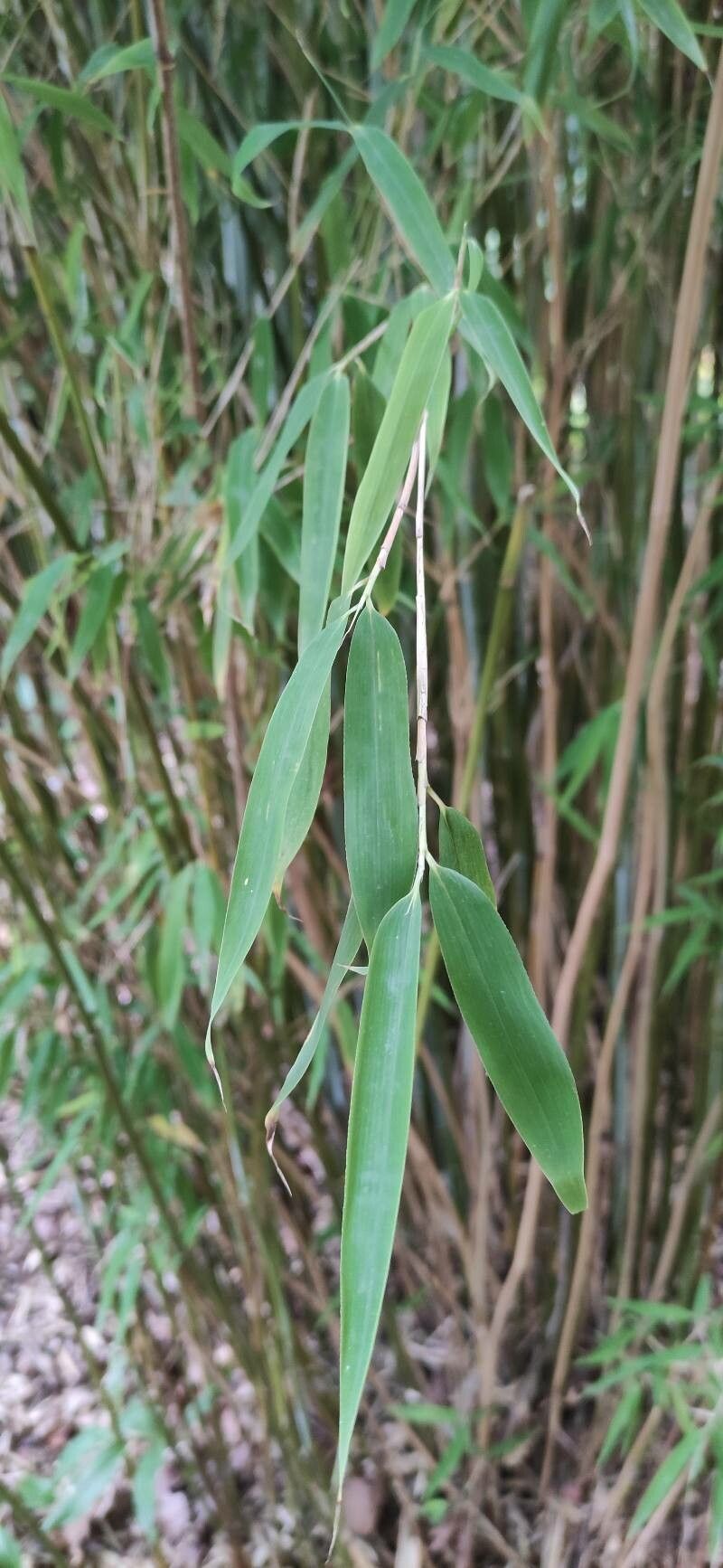
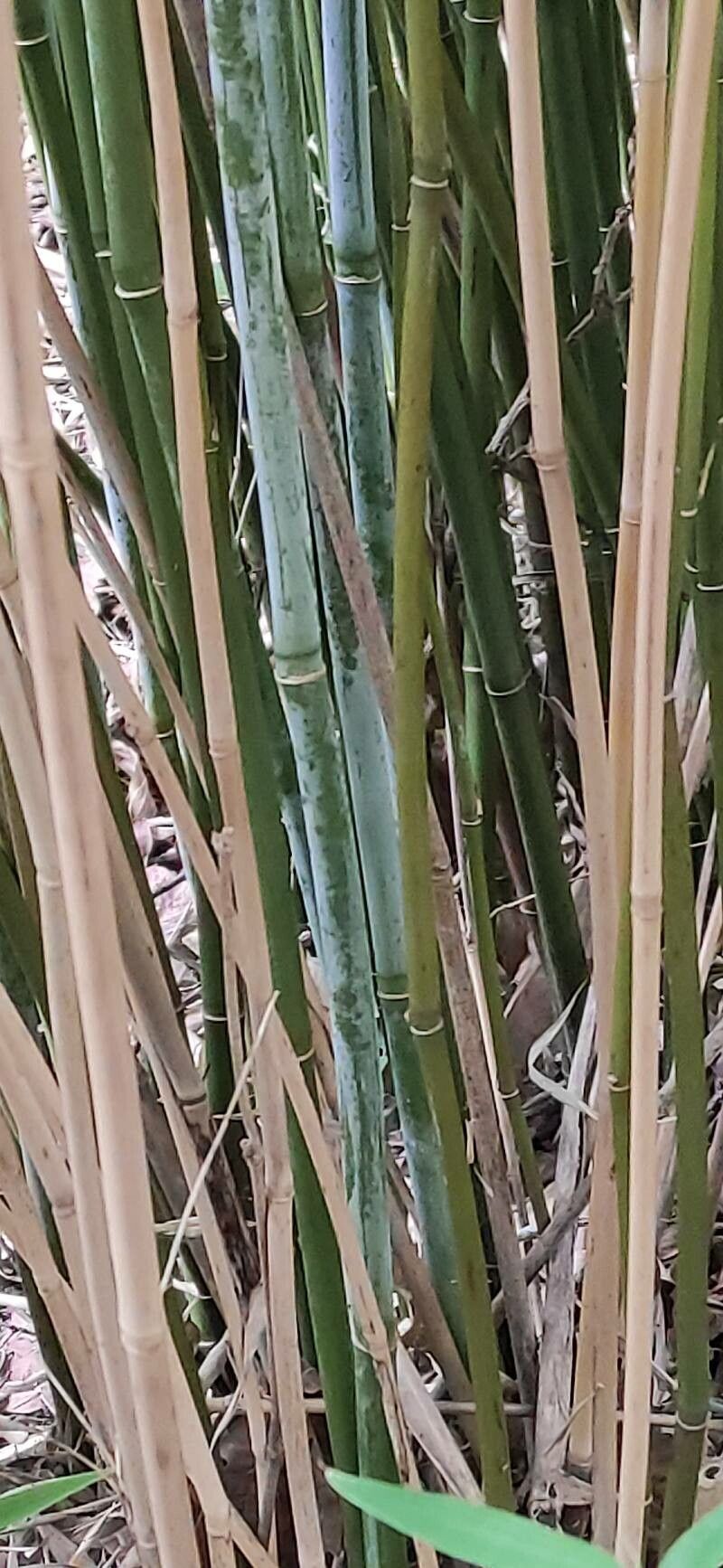
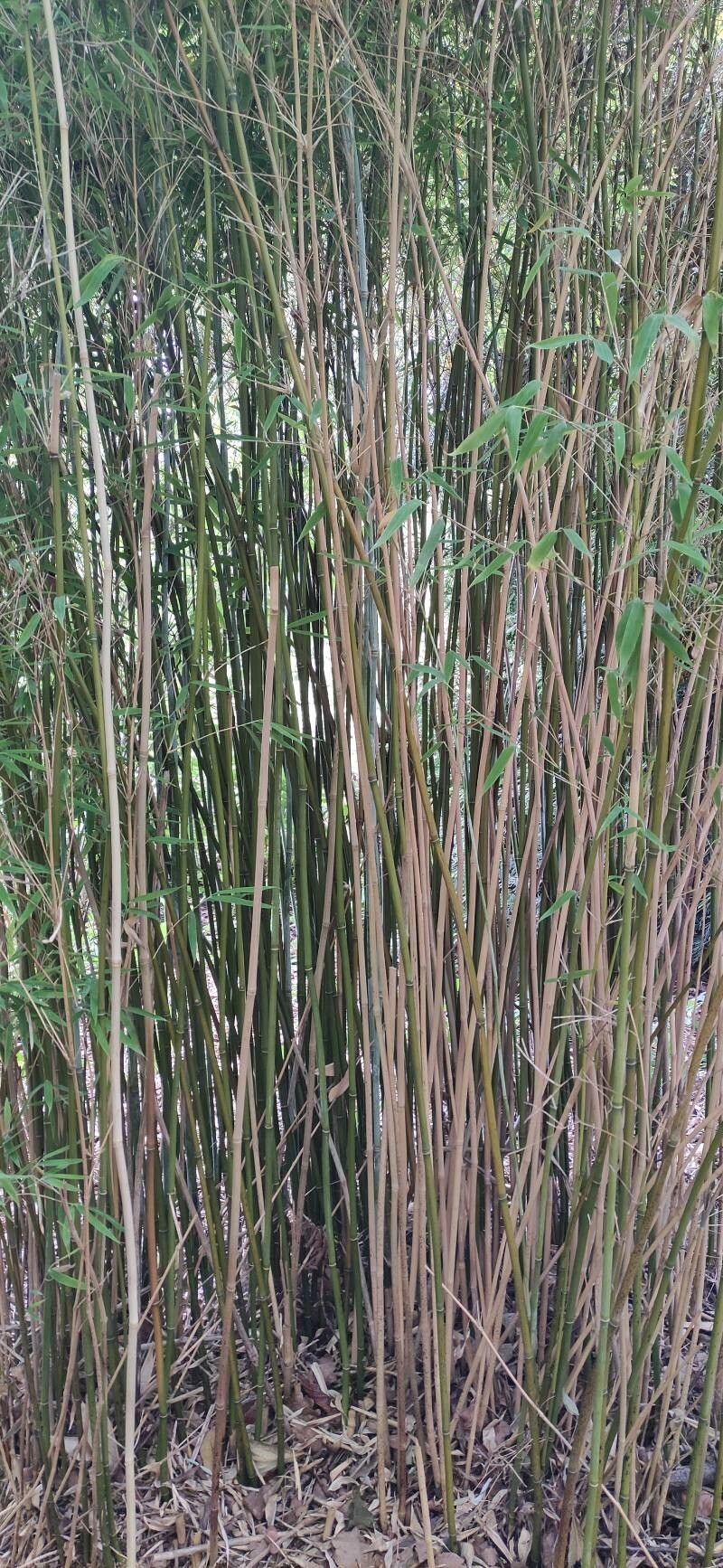
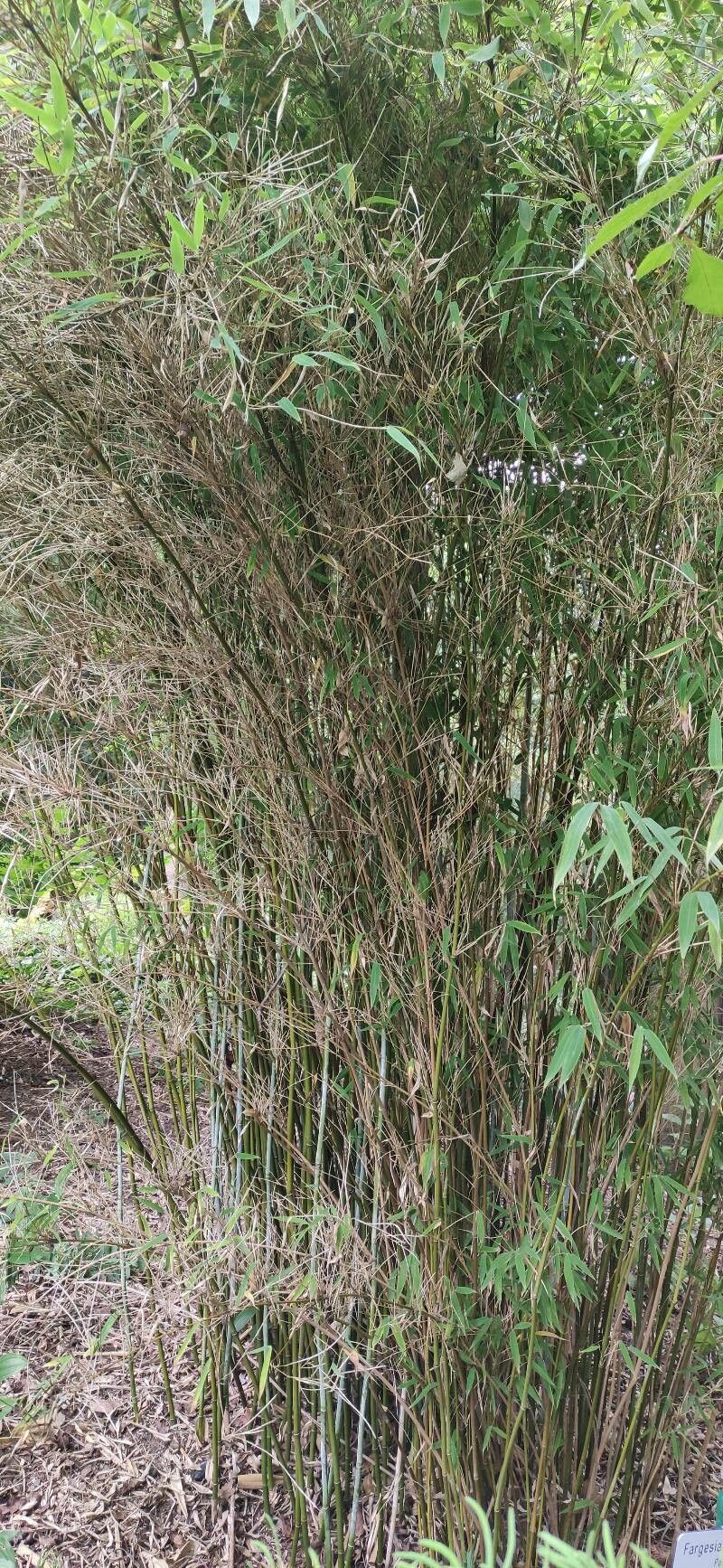
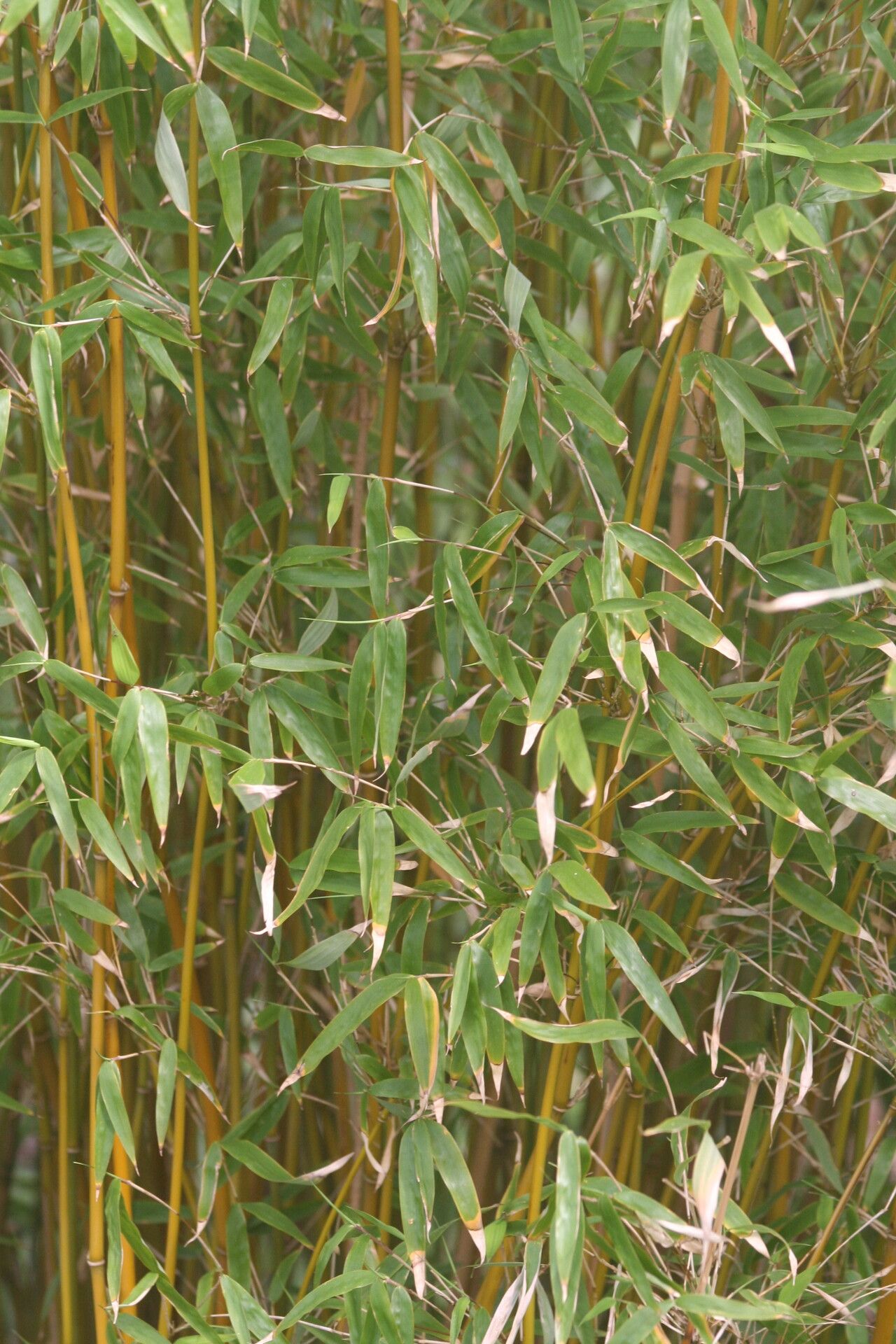
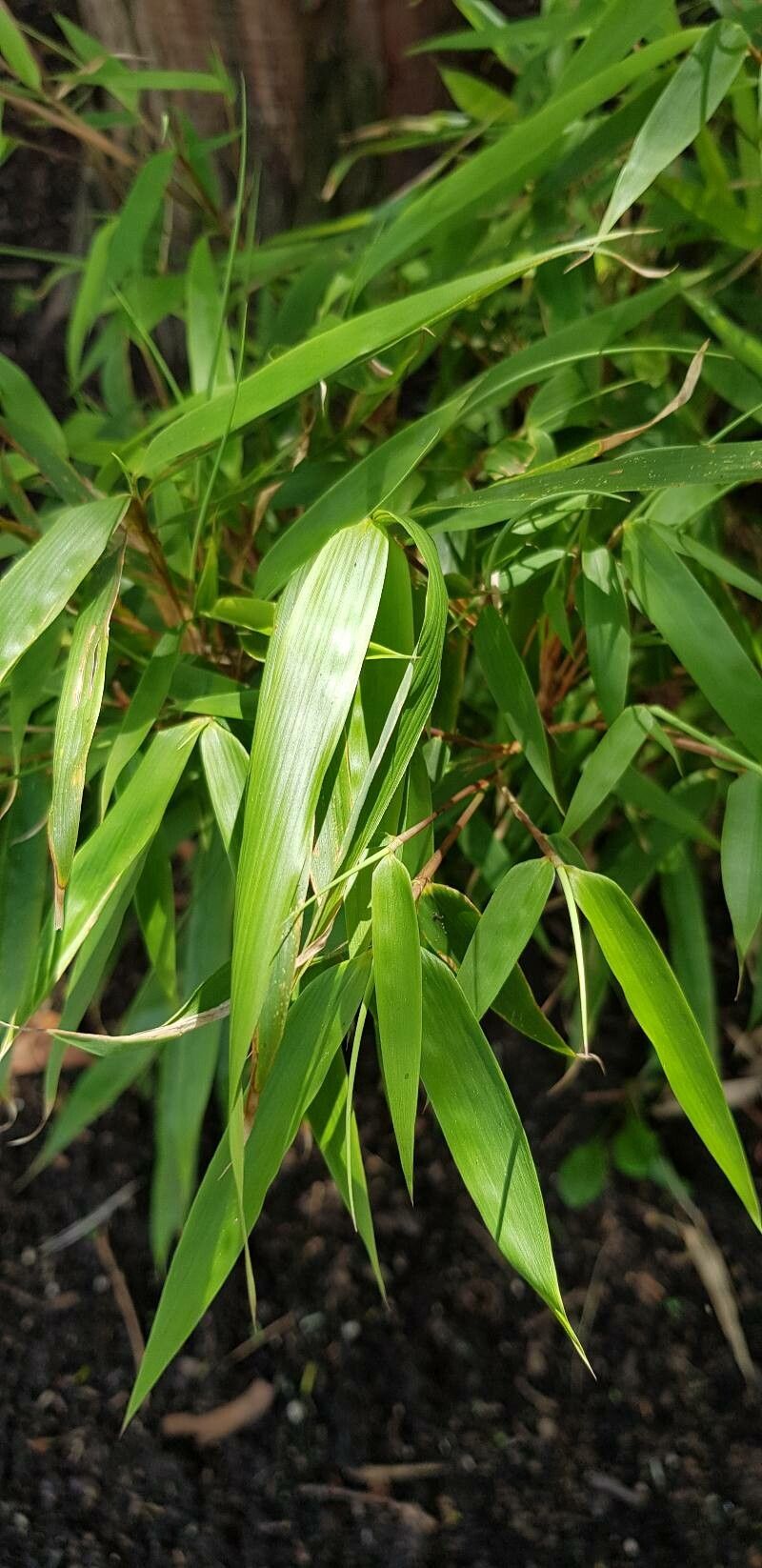
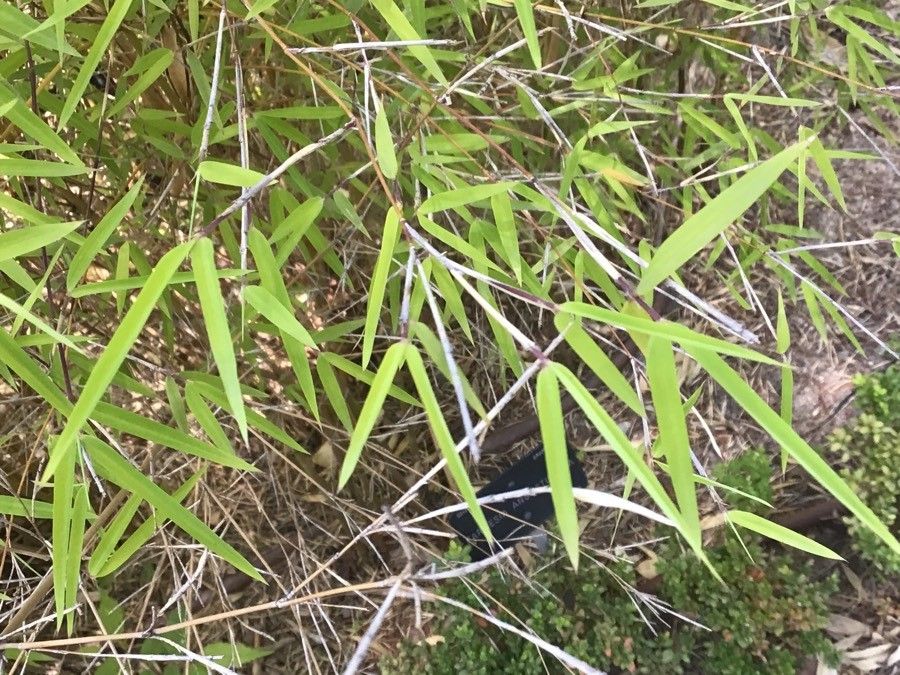
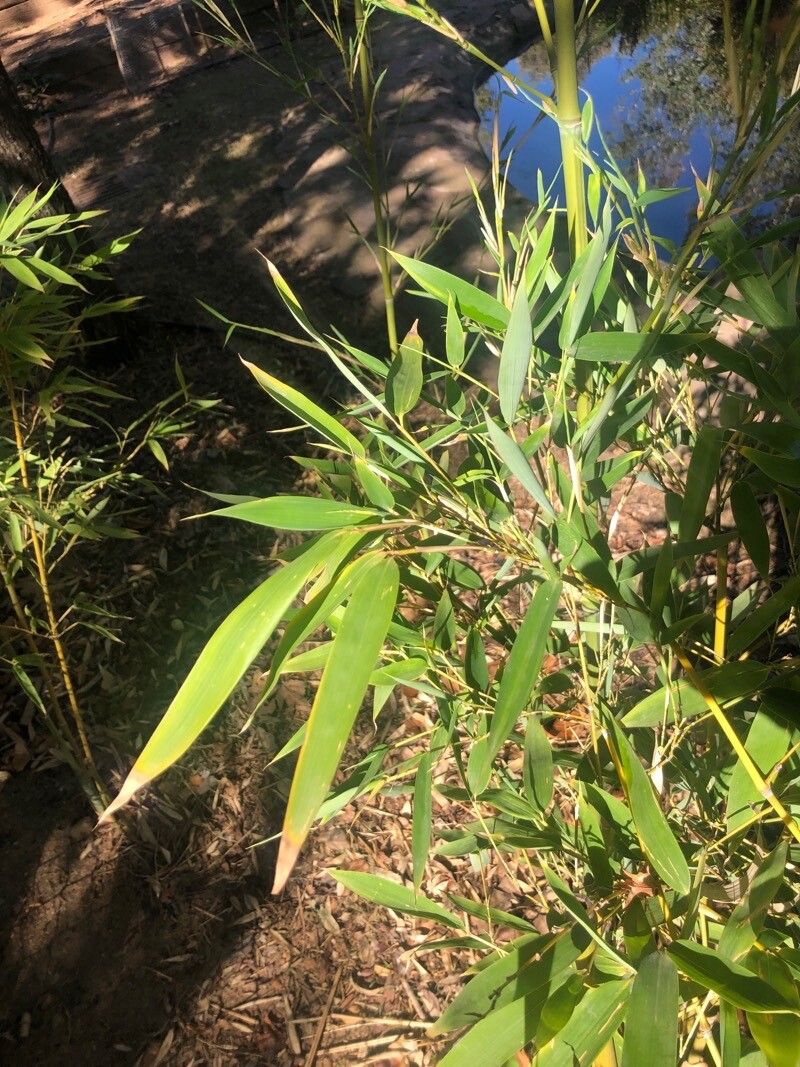
Chinese fountain bamboo is disease-resistant and generally not prone to illnesses. In terms of care, this plant is fairly low-maintenance. Planted outdoors, it needs minimal watering, and larger plants typically do not require pruning. However, smaller plants should be pruned after they have bloomed. Chinese fountain bamboo is suitable for anyone with outdoor space, such as a garden or deck, and does not demand much care experience.
How to keep Fargesia Spathacea.
Light
Chinese fountain bamboo is native to habitats like forest understories and rocky areas, where it receives natural shade. It prefers partial sun but can tolerate full sun or full shade, demonstrating its adaptable, hardy nature.
Water
Chinese fountain bamboo thrives in moist, partially shaded mountainous regions where humidity is steady. To maintain its lush foliage, water it weekly. This plant adapts well to outdoor environments that mimic the water availability of its natural habitat. Being an evergreen, Chinese fountain bamboo requires consistent hydration throughout the year to ensure optimal health.
Temperature
Chinese fountain bamboo is native to regions where temperatures range from 50 to 95 ℉ (10 to 35 ℃). It thrives within this temperature range, and during colder months it is recommended to provide some form of winter protection, such as mulching.
Fertilizer
Chinese fountain bamboo needs extra nutrients to encourage healthy new growth. In spring, placing compost around the base of the plant can effectively supply the nutrients it requires. Fertilizing supports vigorous growth and helps the plant resist diseases and pests.
Pruning
Chinese fountain bamboo is a type of clumping bamboo known for its elegant canes and rich foliage. To keep it healthy and looking its best, prune in early spring to remove any dead canes and thin out crowded clumps. Proper spacing is important, as it improves air circulation, encourages growth, and helps maintain an attractive shape. This also prevents disease and ensures that sunlight can reach all parts of the plant.
Pot & Repot
To ensure optimal growth, refresh your Chinese fountain bamboo's environment by repotting it every 2-3 years in early spring. Use a large container to allow for expansion, maintain even moisture levels, and keep the plant out of direct sunlight for the first week to help it establish successfully.
Botanical profile.
- Plant Type
- Grass
- Life Cycle
- Perennial
- Genus
- Fargesia
- Family
- Poaceae
- Hardiness Zone
- 6-10
- Mature Height
- 1.52 m to 6.1 m
- Mature Spread
- 1.22 m
- Leaf Color
- Light Green, Dark Green
- Leaf Type
- Evergreen
- Flower Color
- Yellow, Green, Brown
- Flower Size
- 1.27 cm to 2.54 cm
- Bloom Time
- Early summer, Mid summer
- Planting Time
- Spring, Summer, Autumn
- Harvest Time
- Late summer, Early fall
- Native Area
- China
Other names.
Reader questions.
What are the sunlight requirements for Chinese fountain bamboo?
Chinese fountain bamboo prefers partial sun, requiring about 3-6 hours of sunlight, but it can also thrive in full shade, with less than 3 hours of sunlight. This flexibility makes it suitable for various garden spots, providing a perfect balance of light and shade ensures the plant's happiness. Native to environments like forest understories or rocky areas, Chinese fountain bamboo is accustomed to natural shade, making it a versatile perennial herbaceous plant.
What is the optimal temperature range for Chinese fountain bamboo?
Chinese fountain bamboo thrives in temperatures ranging from 50 to 95°F (10 to 35°C). It exhibits strong cold resistance but requires some form of winter protection, such as mulching, in colder climates to thrive. Although special frost protection measures are typically not necessary, if winter temperatures are expected to drop below -25°C, providing cold protection with materials like soil or straw is important. Prior to the first freeze of autumn, watering the plant abundantly to maintain soil moisture helps prevent drought during winter and early spring.
How important is artificial lighting for indoor Chinese fountain bamboo plants?
Artificial lighting is crucial for Chinese fountain bamboo growth indoors, especially when natural sunlight is insufficient. It promotes healthier and faster growth. LED lights are recommended due to their capability to provide specific wavelengths. The light intensity required varies; full sun plants need 30-50W/sq ft, partial sun plants 20-30W/sq ft, and full shade plants 10-20W/sq ft. Proper distance (12-36 inches above the plant) and duration (8-12 hours per day) of artificial light mimic natural sunlight, aiding in the plant's optimal growth.
How does Chinese fountain bamboo react to low temperatures?
Chinese fountain bamboo is cold-tolerant, thriving best when temperatures are above 10°C and should be kept above -15°C during winter. Temperatures falling below -25°C may not cause noticeable changes during the winter, but can lead to a decrease in sprouting or even failure to sprout in spring. In the spring, it is recommended to remove any parts of the plant that have failed to sprout to manage this issue.
What symptoms indicate insufficient light for Chinese fountain bamboo, and how can they be addressed?
Symptoms of insufficient light in Chinese fountain bamboo include smaller new leaves, leggy or sparse growth, faster leaf drop, slowed or ceased growth, lighter-colored new leaves, chlorosis, sunscald, leaf curling, wilting, and leaf scorching. To address these issues, gradually increase sunlight exposure to 3-6 hours daily or utilize artificial lighting, especially for large or immovable plants, by keeping a lamp on for at least 8 hours daily or investing in professional grow lights. For outdoor plants, move them gradually to sunnier spots to avoid sunburn. Also, reducing obstructions like overhanging branches and considering transplantation during the dormant period can improve sunlight access.
How does Chinese fountain bamboo react to high temperatures?
In summer, it's essential for Chinese fountain bamboo to be kept below 35°C to prevent stress. Temperatures above 41°C may cause the leaves to become lighter, prone to curling, susceptible to sunburn, and in severe cases, the plant may wilt and become dry. To mitigate damage, sunburned and dried-up parts should be trimmed away. Moving the plant to a shaded location or using a shade cloth can protect it from excessive sun, and watering in the morning and evening is beneficial to keep the soil moist.
What is the botanical name of Chinese fountain bamboo?
The botanical name for Chinese fountain bamboo is Fargesia spathacea.