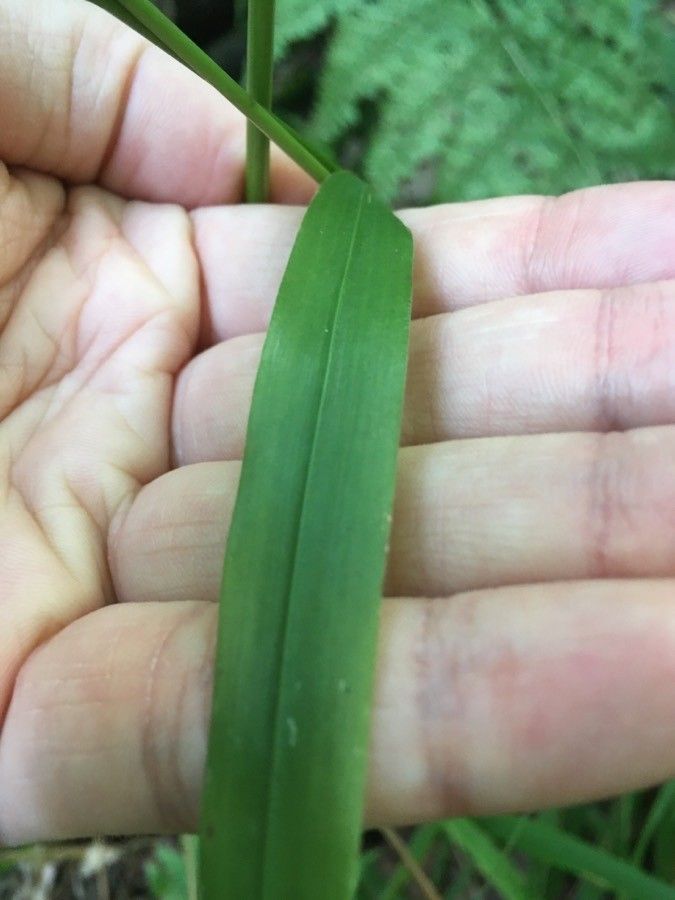
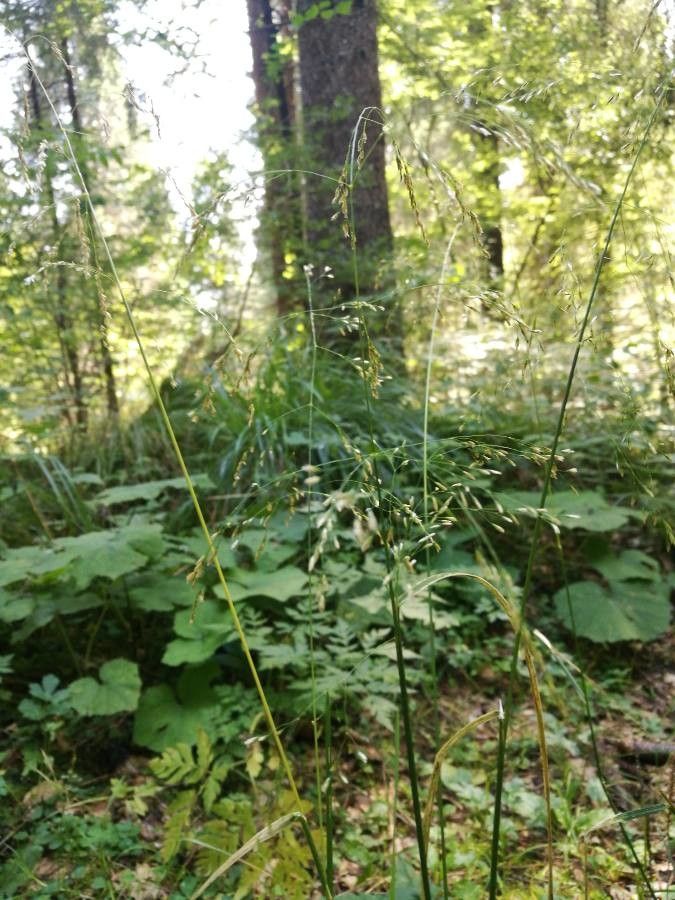
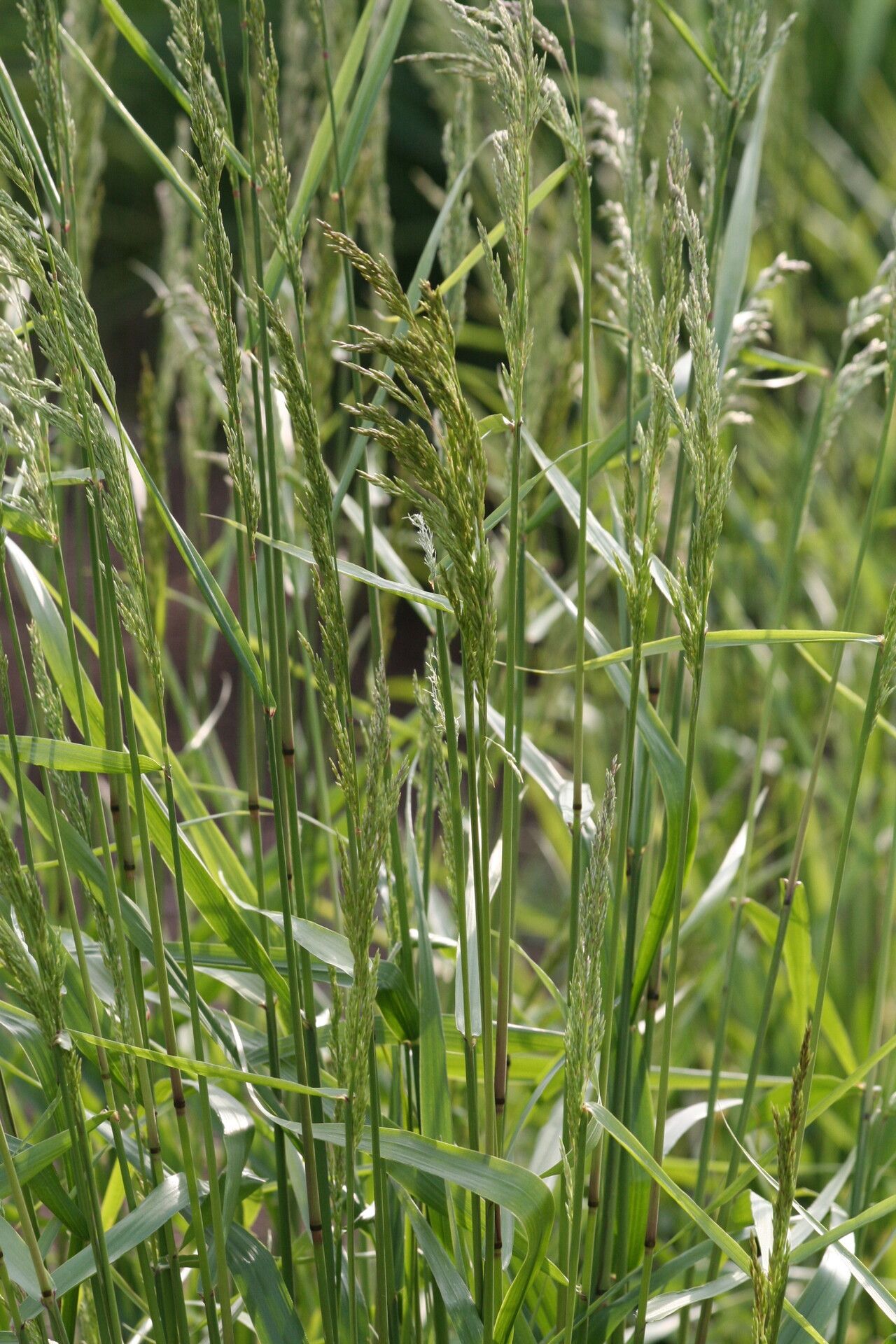
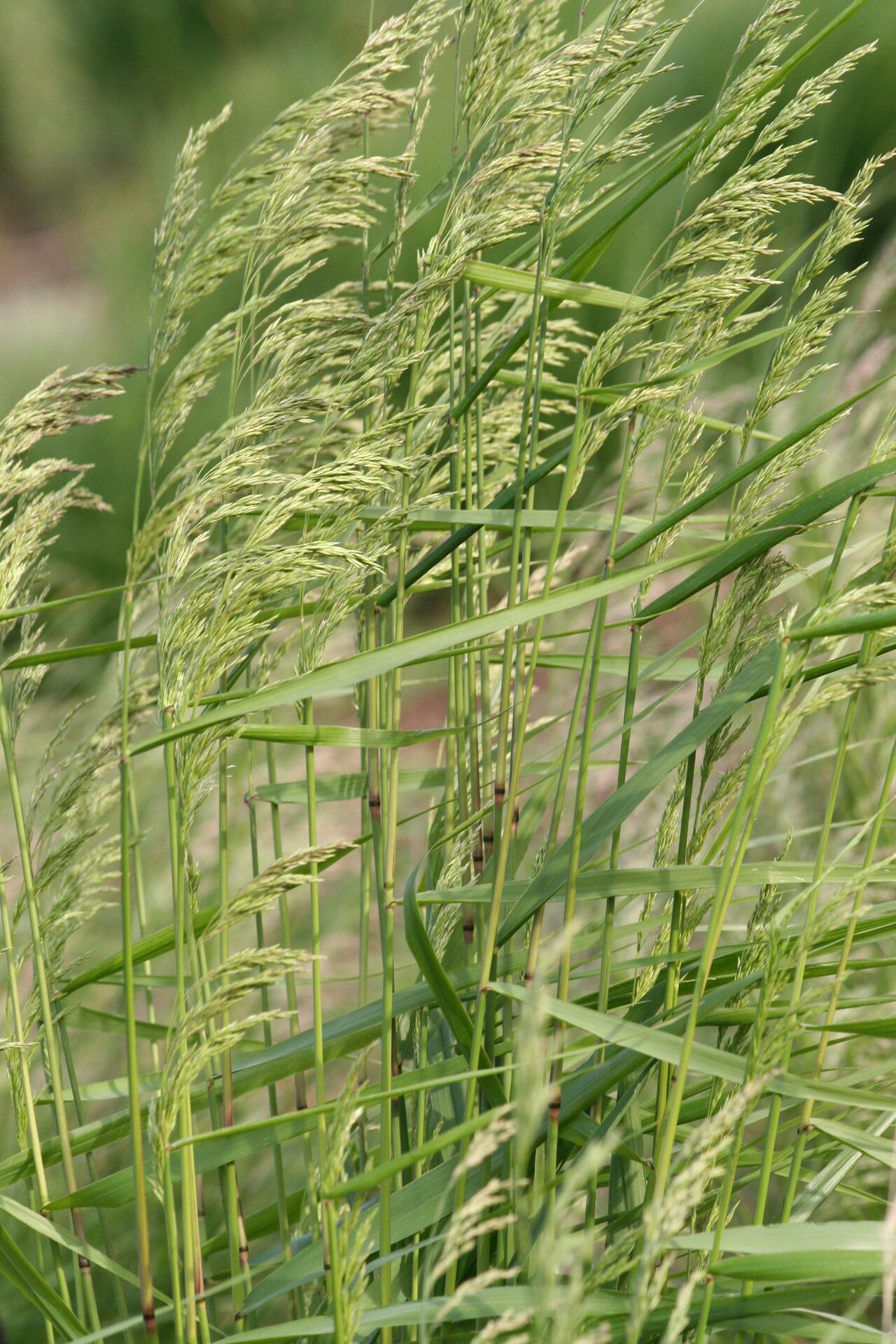
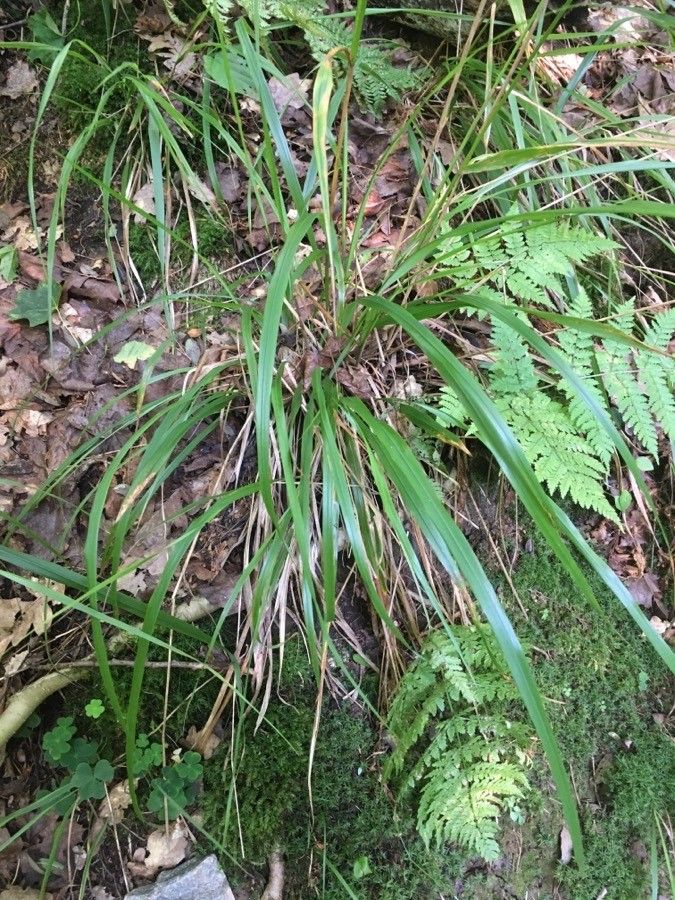
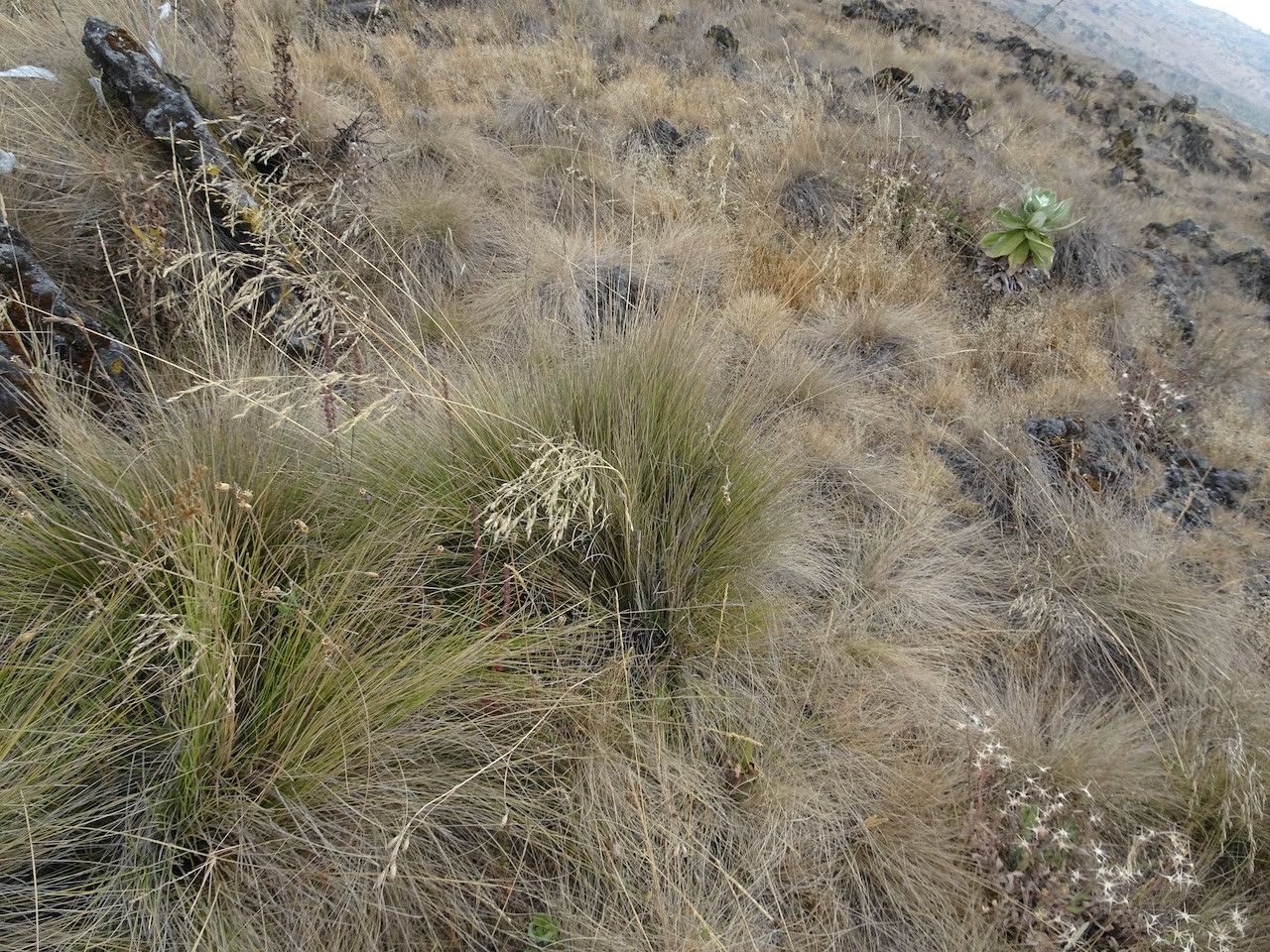
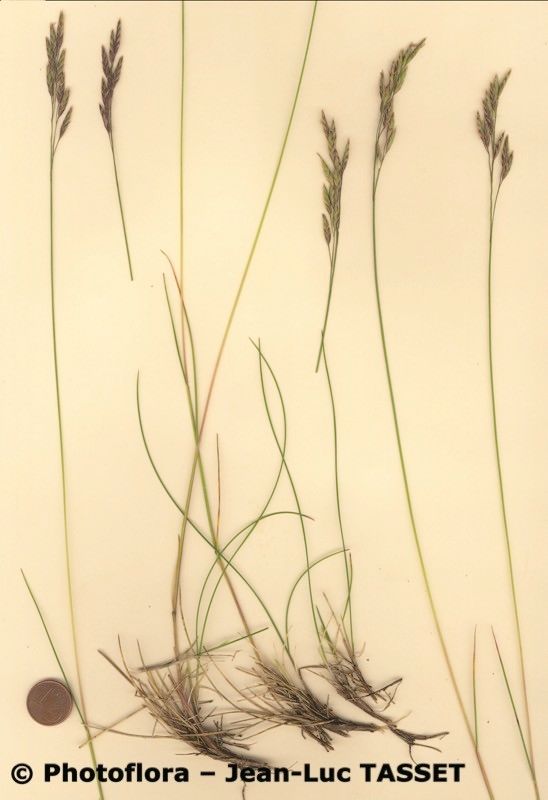
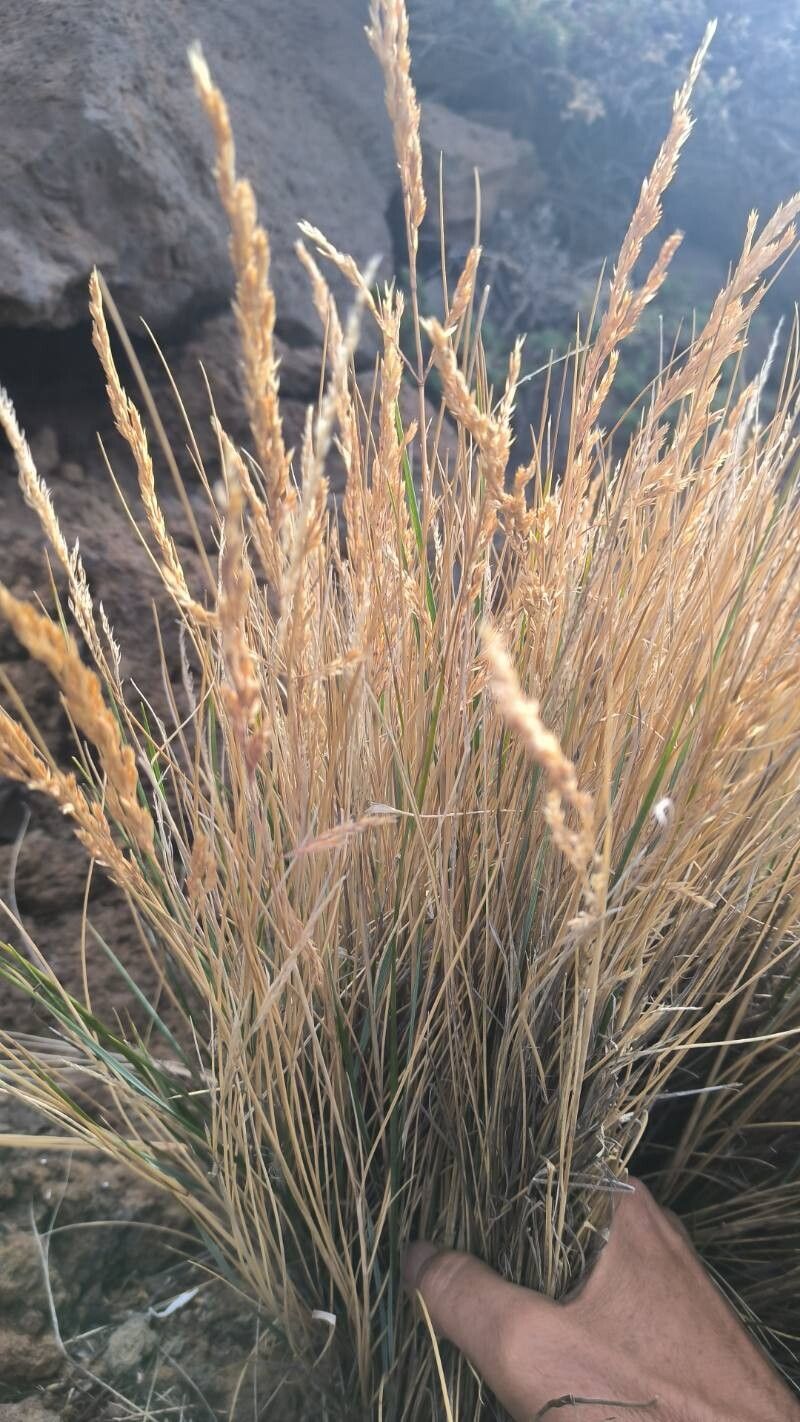
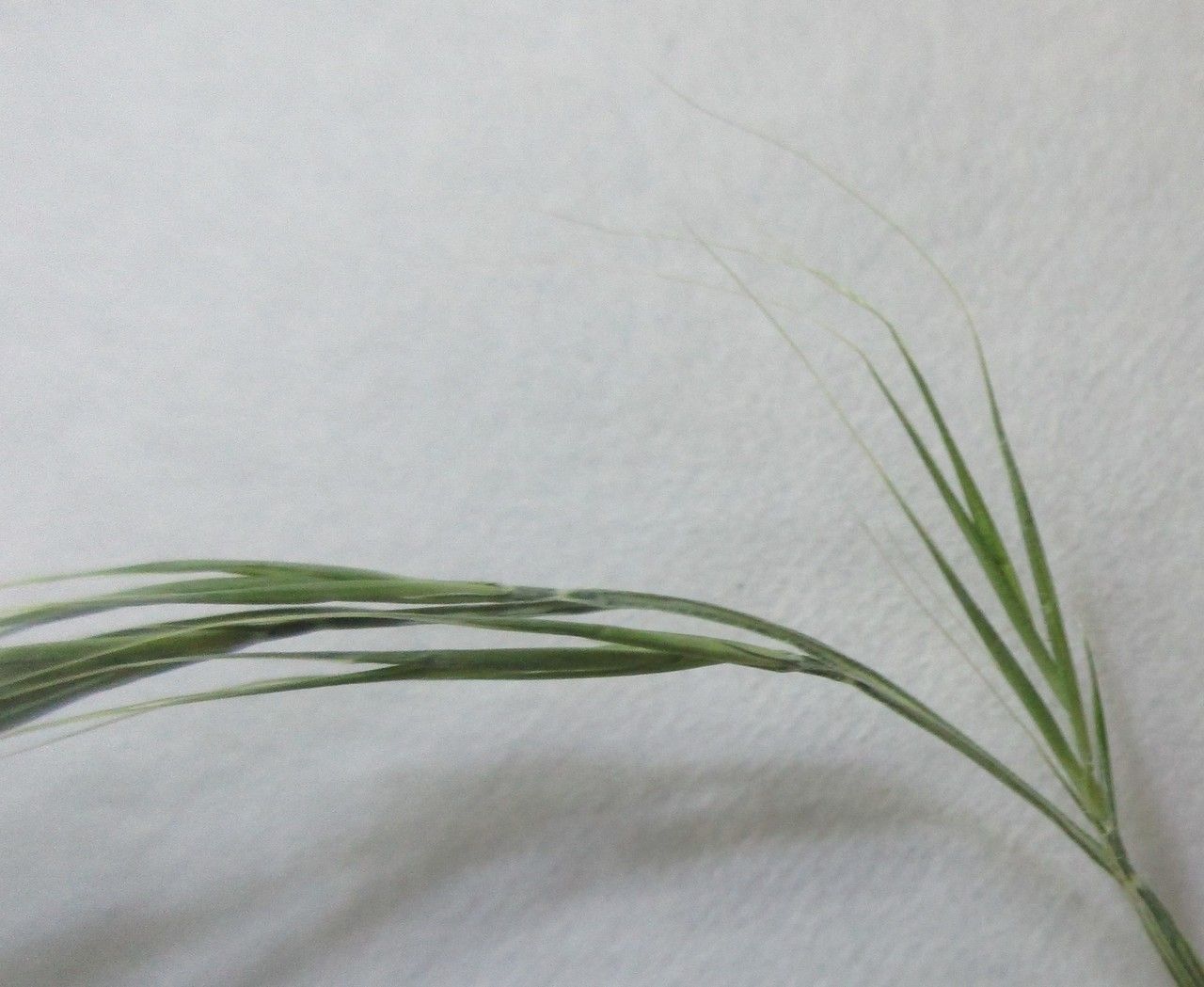
Festuca altissima is a species of flowering plant belonging to the family Poaceae.Its native range is Europe to Siberia and Iran.
Wood fescue has strong resistance to disease and is usually not susceptible to illnesses. In terms of maintenance, this plant is fairly low-maintenance. When grown outdoors it needs only light watering, and larger specimens typically do not require pruning. Smaller plants, however, should be trimmed after they have bloomed. Wood fescuet is appropriate for anyone with an outdoor area, such as a garden or deck, and does not demand extensive care experience.
How to keep Festuca Altissima.
Light
Wood fescue is a sun-loving perennial herbaceous plant native to open habitats, commonly found in meadows and grasslands. It favors full sun but can also tolerate partial sun.
Temperature
Wood fescue can tolerate a broad range of temperatures, but its distribution can still be restricted by various combinations of moisture and heat. It grows best in warm summer conditions when rainfall or irrigation is sufficient. Extended periods of cloudy, rainy weather, as well as prolonged high temperatures, can raise the chance of Wood fescue dying. In winter, adequate protection from cold can boost the plant's survival rate.
Fertilizer
Wood fescue needs extra nutrients to encourage healthy new growth. In spring, applying compost around the base of the plant can effectively supply the nutrition it requires. Fertilizing helps support vigorous growth and improves the plant’s resistance to diseases and pests.
Pruning
Wood fescue, with its delicate blades and shade tolerance, thrives best when properly maintained. To encourage new growth, prune it early in the spring by cutting back up to one-third of its height. This practice helps prevent overcrowding, improves air circulation, and reduces the risk of disease. As a result, wood fescue maintains its aesthetic appeal and robust growth throughout the season.
Botanical profile.
- Plant Type
- Grass
- Life Cycle
- Perennial
- Genus
- Festuca
- Family
- Poaceae
- Hardiness Zone
- 4-9
- Mature Height
- 91 cm
- Mature Spread
- 0.3 m to 1.52 m
- Leaf Color
- Light Green, Forest Green
- Leaf Type
- Evergreen
- Flower Size
- 10.16 cm to 20.32 cm
- Bloom Time
- Early summer, Mid summer
- Planting Time
- Autumn
- Harvest Time
- Late summer, Early fall
Other names.
Reader questions.
What are the sunlight requirements for Wood Fescue?
Wood Fescue, known botanically as Festuca altissima, is a sun-loving perennial herbaceous plant that thrives in full sun conditions, requiring above 6 hours of sunlight. However, it can also tolerate partial sun conditions, which means about 3-6 hours of sunlight. It's important to observe how sunlight moves through your garden to ensure that you provide the ideal balance of light and shade for these plants, facilitating their optimal growth and ensuring their happiness.
What is Wood fescue?
Wood fescue, known botanically as Festuca altissima, is a plant species with no further essential information, symptoms, or additional details provided.
How does artificial lighting support Wood Fescue's growth indoors?
For Wood Fescue and other indoor plants that require adequate lighting to achieve optimal growth, artificial lighting can be an excellent solution, especially when natural sunlight is insufficient, such as in winter or less sunny spaces. LED lights are a popular choice because they can be tailored to provide the specific light wavelengths needed by plants. Full sun plants should be provided with 30-50W/sq ft of artificial light, while partial sun plants need 20-30W/sq ft, and full shade plants require 10-20W/sq ft. The artificial light source should be placed 12-36 inches above the plant to mimic natural sunlight conditions and left on for 8-12 hours per day depending on the specific needs of the plant species.
What are the common symptoms of light deficiency in Wood Fescue?
Wood Fescue may show several symptoms when exposed to inadequate lighting, including smaller new leaves, leggy or sparse growth, faster leaf drop, slower or halted growth, and leaves becoming lighter-colored or chlorotic, indicating a lack of essential nutrients and chlorophyll. Excessive sunlight can also cause issues like sunscald, leaf curling as a defense mechanism to minimize exposure, wilting due to increased water loss, and leaf scorching, characterized by brown, dry edges on leaves. It's crucial to monitor these symptoms to adjust light exposure accordingly and maintain plant health.
How can I manage light deficiency problems in Wood Fescue?
To address light deficiency in Wood Fescue, start by gradually moving the plant to sunnier locations each week until it receives at least 6 hours of sunlight daily. When using a south-facing window, keep curtains open during the day. For plants that are large or difficult to move, consider supplementing with artificial light such as desk or ceiling lamps, or invest in grow lights, ensuring they're on for a minimum of 8 hours daily. Outdoor plants should also be moved gradually to avoid shock and potential sunburn. If the sunlight is obstructed, such as by trees, pruning branches and leaves can increase light exposure. For smaller plants, consider transplanting during their dormant period into areas with ample sunlight and good drainage. Note that while parts of the plant that suffered from light deficiency may not recover, new growth should be healthy with improved light conditions.