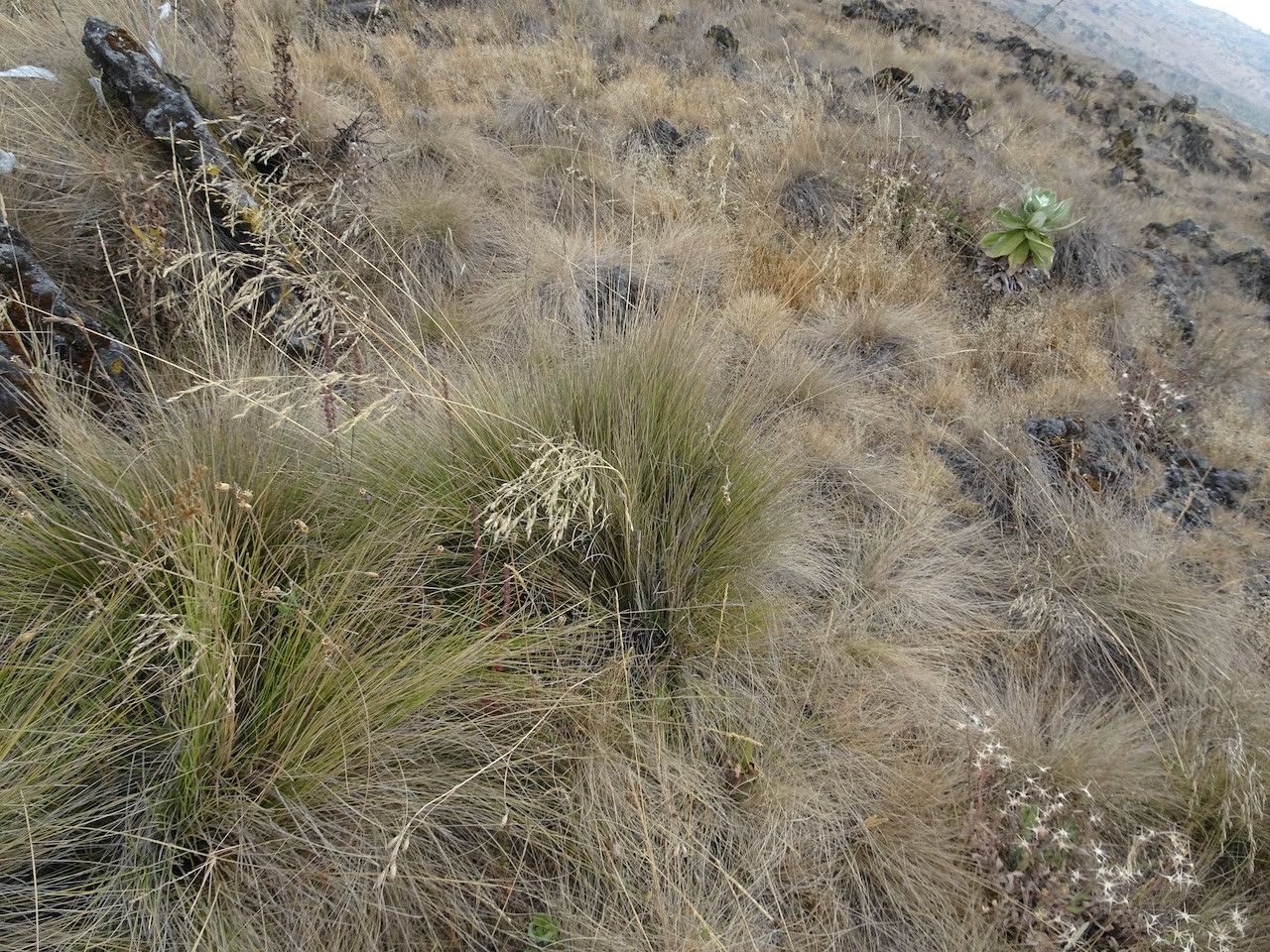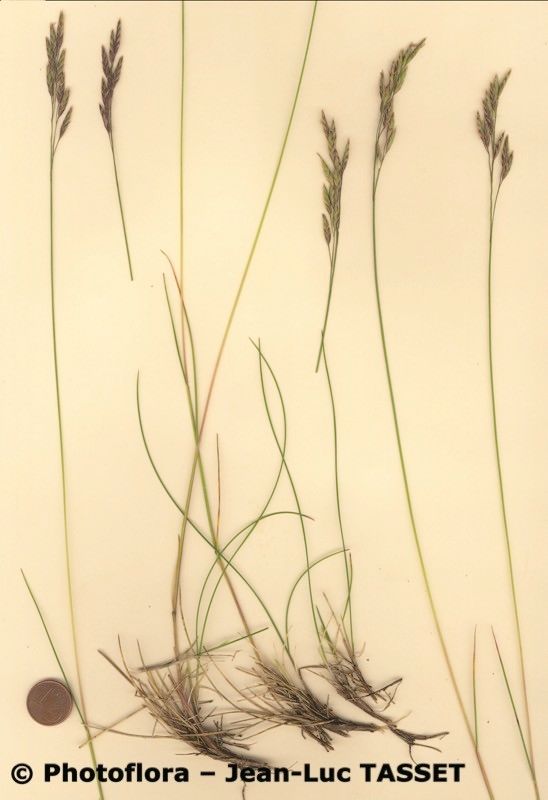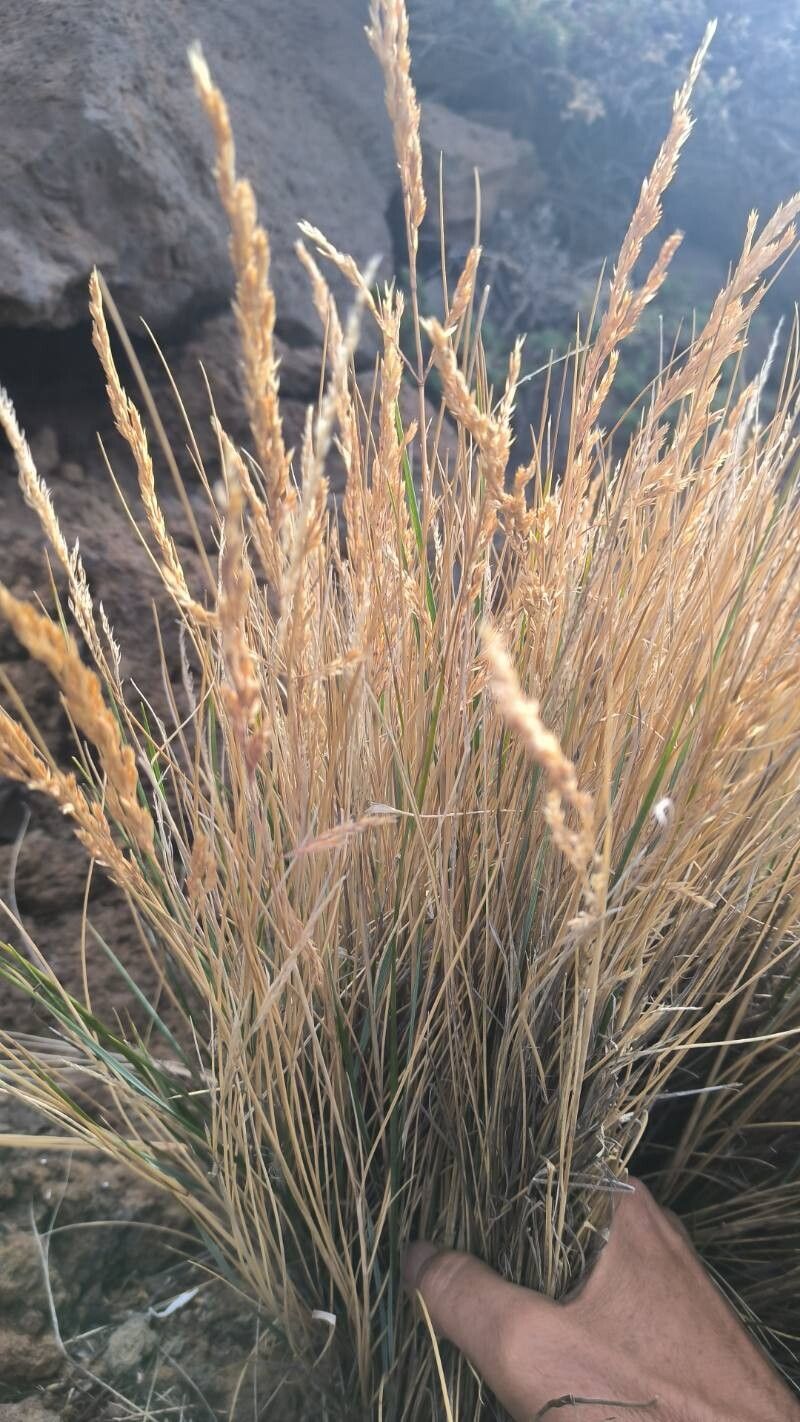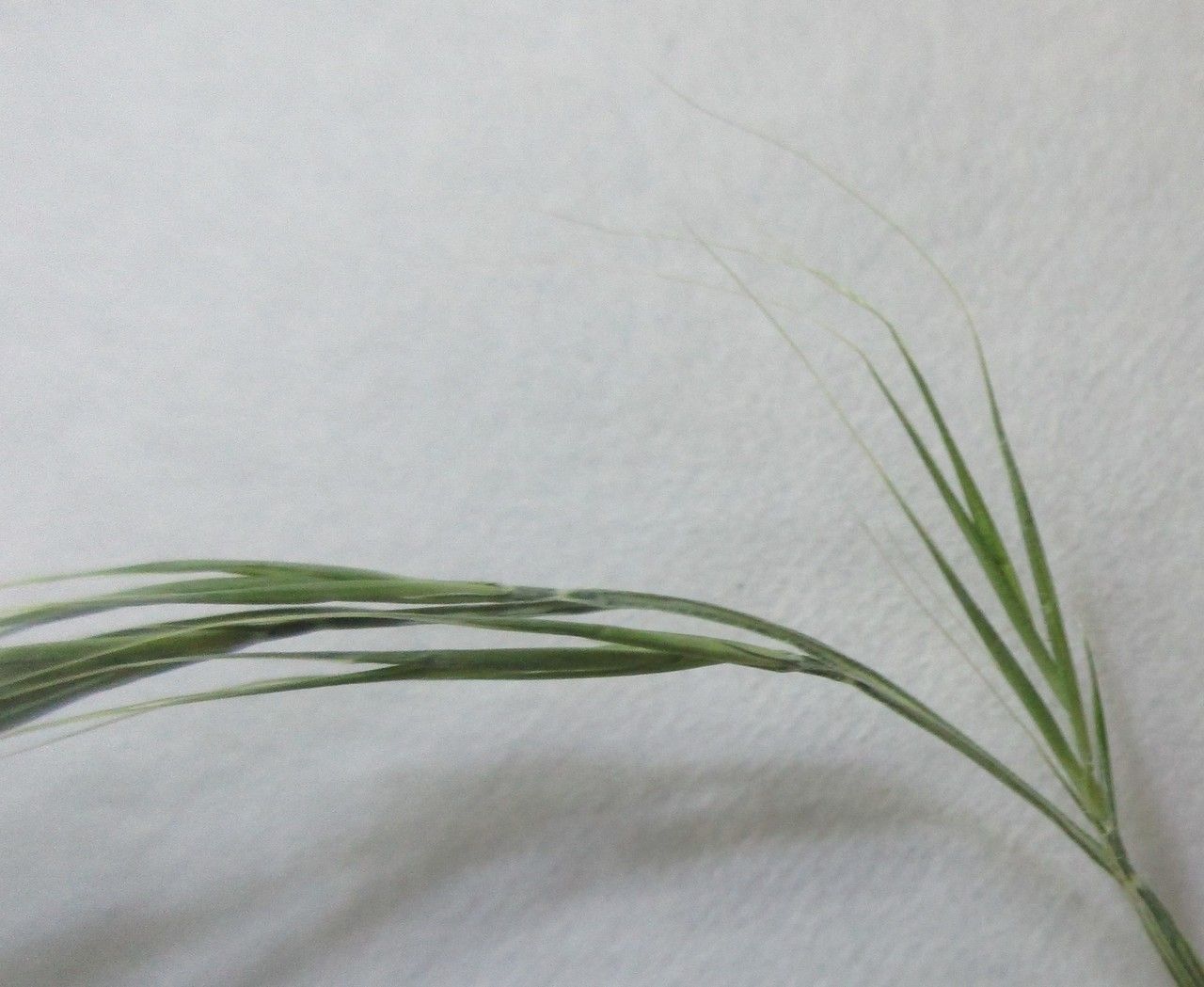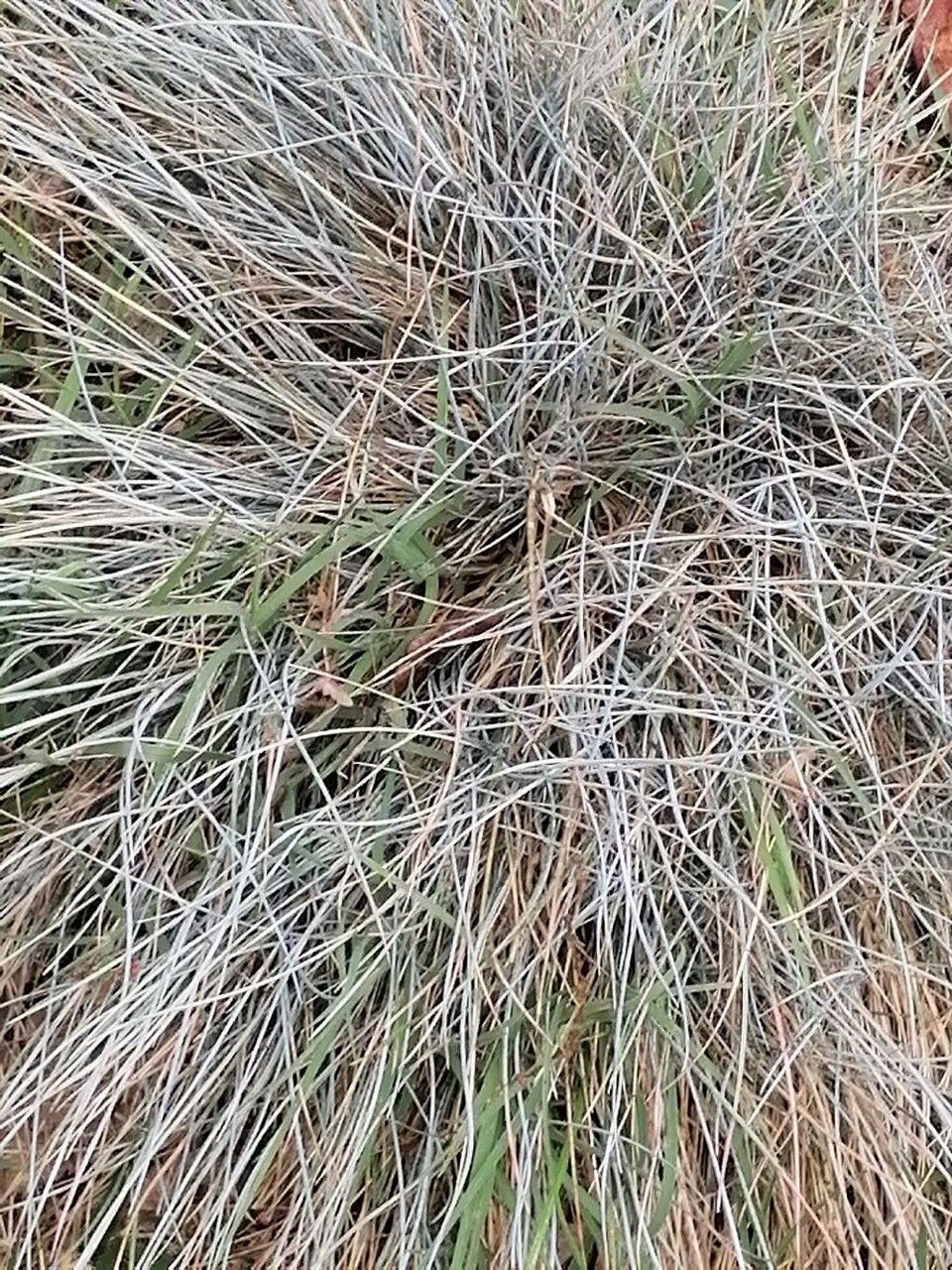
Festuca idahoensis, commonly known as Idaho fescue, is a cool-season perennial grass native to western North America. Typically growing in bunches, it can reach heights of 1 to 3 feet. The plant features narrow, blue-green leaves that are approximately 6 to 12 inches long and rolled inwards at the edges. During the summer, Idaho fescue produces tall stems topped with clusters of small flowers that are either green or purple.
This grass is commonly found in dry grasslands and open forests at elevations ranging from 2,000 to 10,000 feet above sea level. It is well-adapted to harsh environments characterized by low rainfall and poor soil conditions.
Idaho fescue is an important forage source for wildlife, such as elk and deer, particularly during the winter months when other food sources are scarce. Additionally, it plays a crucial role in rangeland ecosystems by preventing soil erosion and providing habitat for various species.
Overall, Festuca idahoensis is a hardy plant with numerous ecological benefits, making it a vital component of western North American ecosystems.
Idaho Fescue exhibits good resistance to disease and is generally not susceptible to illnesses. In terms of upkeep, this plant is fairly low maintenance. When grown outdoors it needs only minimal watering, and larger specimens typically do not require pruning. Smaller specimens, however, should be trimmed after they have finished blooming. Idaho Fescue is appropriate for anyone with an outdoor area, such as a garden or deck, and does not demand much prior care experience.
How to keep Festuca Idahoensis.
Light
Idaho Fescue does best with plentiful sunlight, reflecting the conditions of its native habitat. Its growth can be limited if it does not receive enough sun. Too little light causes poor development, while too much can scorch the leaves. Its need for sunlight is constant at every stage of growth.
Water
Idaho Fescue is well-suited to temperate climates, preferring moderate moisture and well-drained soils, and it also shows good drought tolerance. Watering it weekly helps maintain its vigor, while balanced sunlight exposure during the active growing season promotes optimal growth.
Temperature
Idaho Fescue is native to temperate regions and does best in temperatures from 41 to 95 °F (5 to 35 ℃). Depending on the season, it may need temperature adjustments to mimic its natural habitat.
Fertilizer
Idaho Fescue needs extra nutrients to encourage healthy new growth. In spring, putting compost around the plant's base can effectively supply the nutrition it requires. Fertilizing supports vigorous growth and helps the plant fend off diseases and pests.
Pruning
Idaho Fescue is a perennial bunchgrass known for its fine, bluish-green foliage. To encourage healthy growth and prevent the buildup of thatch, prune it in early spring by cutting back old growth to the base. Avoid pruning in late summer or fall, and always use clean tools to minimize the risk of infection.
Botanical profile.
- Plant Type
- Grass
- Life Cycle
- Perennial
- Genus
- Festuca
- Family
- Poaceae
- Hardiness Zone
- 4-10
- Mature Height
- 30 cm
- Mature Spread
- 61 cm
- Leaf Color
- Green
- Leaf Type
- Evergreen
- Flower Color
- Yellow, Green
- Bloom Time
- Late spring, Early summer
- Planting Time
- Spring, Summer, Autumn
- Harvest Time
- Mid summer, Late summer
Other names.
Reader questions.
How much sunlight does Idaho Fescue require?
Idaho Fescue requires above 6 hours of sunlight daily to thrive, mirroring its native environment's conditions. It's crucial for its successful growth at all stages, as insufficient sunlight can lead to poor development, and an excess may cause scorched leaves. Observing how sunlight moves through your garden helps to find the perfect balance of light and shade for these plants, ensuring their happiness.
What is the native environment of Idaho Fescue?
Idaho Fescue, or Festuca idahoensis, is native to temperate environments. It thrives in temperatures ranging from 41 to 95°F (5 to 35°C), depending on the season. To ensure its health, it's vital to adjust temperatures to mimic its natural habitat as closely as possible.
What is the importance of artificial lighting for Idaho Fescue?
Artificial lighting becomes important for Idaho Fescue, especially indoor plants, when natural sunlight is insufficient, like during winter or in less sunny spaces. Artificial lights, such as LED, can be customized to provide the specific wavelengths needed for the plant, promoting faster and healthier growth. The correct use involves choosing the right type (30-50W/sq ft for full sun plants), placing the light source 12-36 inches above the plant, and mimicking natural daylight hours (8-12 hours per day) for optimal growth.
Does Idaho Fescue require frost protection during winter?
Idaho Fescue has strong cold resistance and usually does not require special frost protection measures, thanks to its inherent ability to withstand cold temperatures. However, in extremely cold climates where winter temperatures may plunge below -30°C, it is crucial to provide protection. This can be done by covering the plant with insulating materials like soil or straw. Additionally, watering the plant generously before the first freeze of autumn helps the soil stay moist and freeze, which is beneficial for preventing drought and water scarcity during the colder months.
What are the symptoms of inadequate lighting for Idaho Fescue?
Symptoms of inadequate lighting for Idaho Fescue include smaller new leaves, leggy or sparse growth, faster leaf drop, slower or no new growth, lighter-colored new leaves, chlorosis (leaves turning yellow), sunscald, leaf curling, wilting, and leaf scorching. These indicate either a lack of sufficient sunlight or exposure to excessive sunlight, affecting the plant's health and development.
What should you do if Idaho Fescue experiences low temperatures below its tolerance?
Idaho Fescue is remarkably cold-tolerant, ideally remaining above 5°C. In regions where winter temperatures dip below -25°C, the plant generally copes well, but prolonged exposure to temperatures below -30°C can affect its ability to sprout in spring. If you notice a lack of sprouting or decreased sprouting activity as the weather warms, it's advisable to remove the parts that have failed to sprout to promote new growth and overall plant health.
How can I solve lighting issues for Idaho Fescue?
To solve lighting issues for Idaho Fescue, gradually move the plants to a sunnier location to receive at least 6 hours of direct sunlight daily for outdoor and indoor plants. Utilize south-facing windows and keep curtains open during the day. For large or immovable plants, consider artificial lighting like desk or ceiling lamps on for at least 8 hours daily or invest in professional plant grow lights. For outdoor plants, avoid sudden changes in light intensity to prevent sunburn. Transplanting smaller plants during their dormant period can also help in getting ample sunlight. Remember, parts of the plant that suffered from insufficient sunlight may not recover, but new growth will be healthy after adjusting light exposure.
How should you care for Idaho Fescue during high temperatures?
During the summer months, it's important to ensure that the temperature around Idaho Fescue doesn't exceed 35°C, as it thrives within this range. Exposure to temperatures above 41°C can lead to symptoms such as leaves becoming lighter in color, curling, sunburn, or in severe cases, the plant might wilt and dry out. To manage this, trim away affected parts, relocate the plant to a shaded area, or use a shade cloth to protect it from the intense midday and afternoon sun. It's also beneficial to water the plant in the morning and evening to maintain soil moisture.