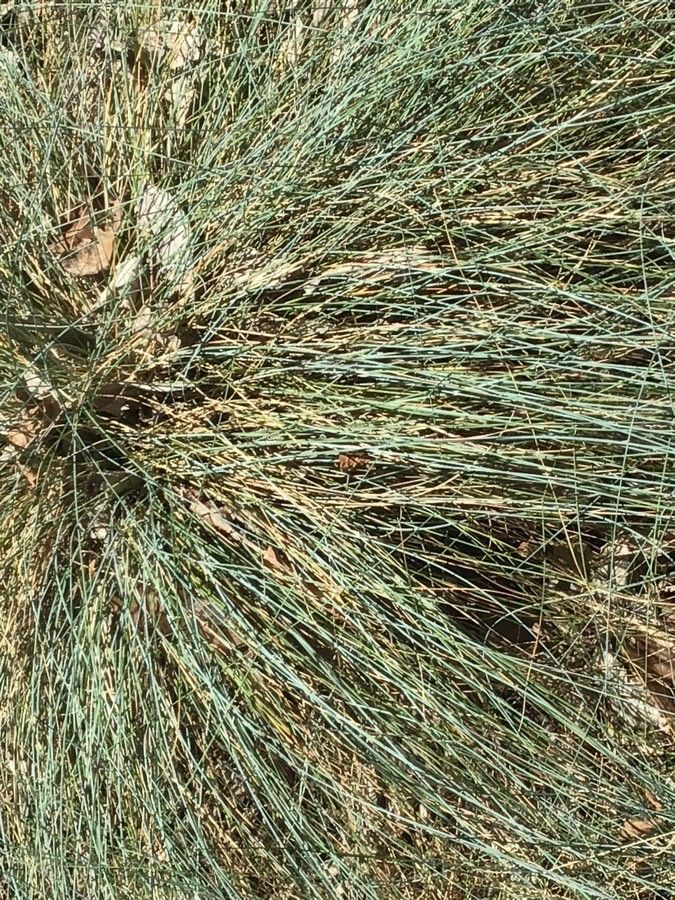
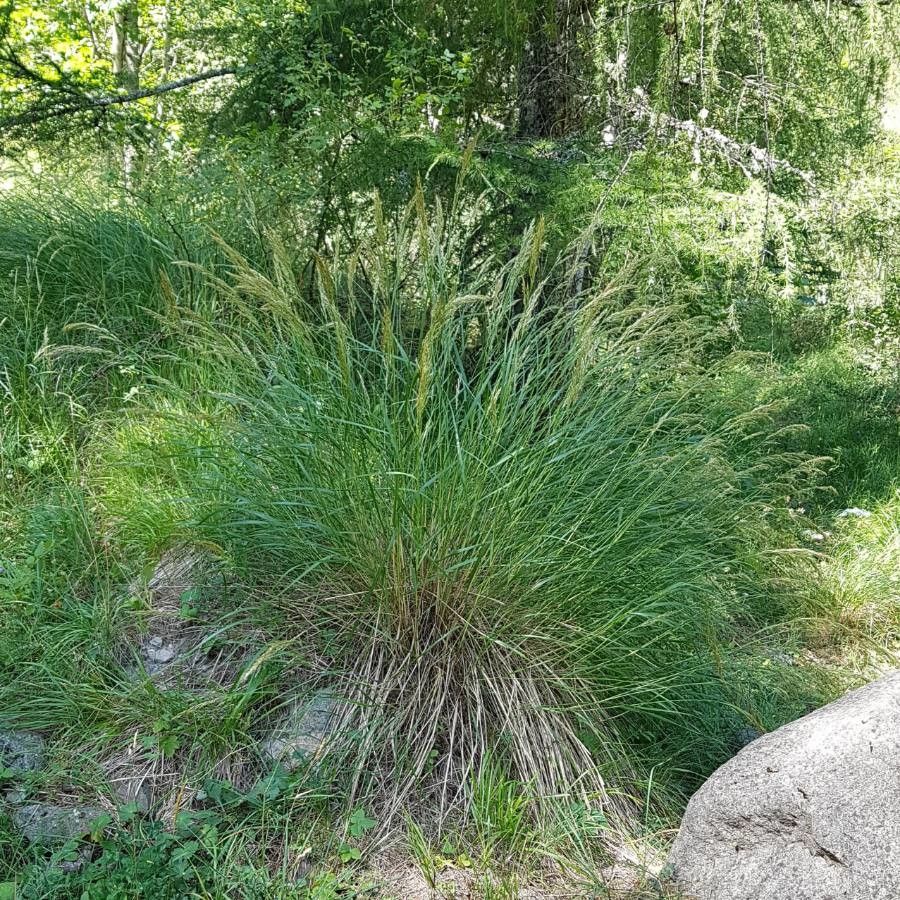
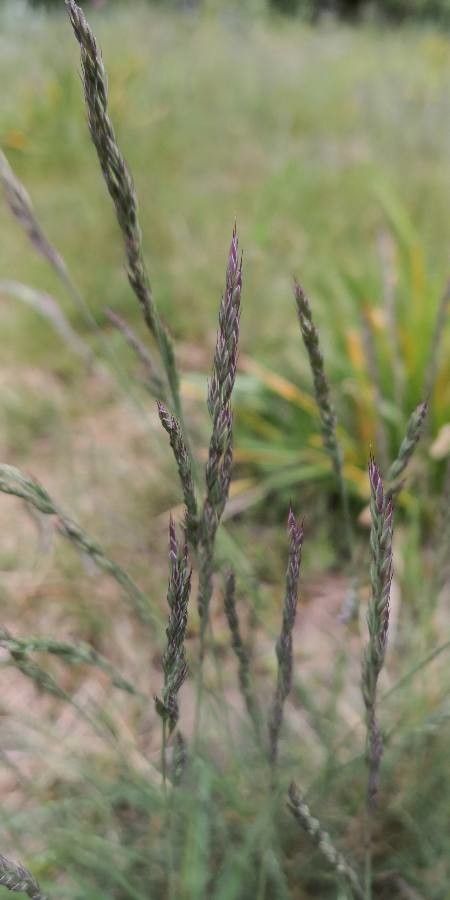
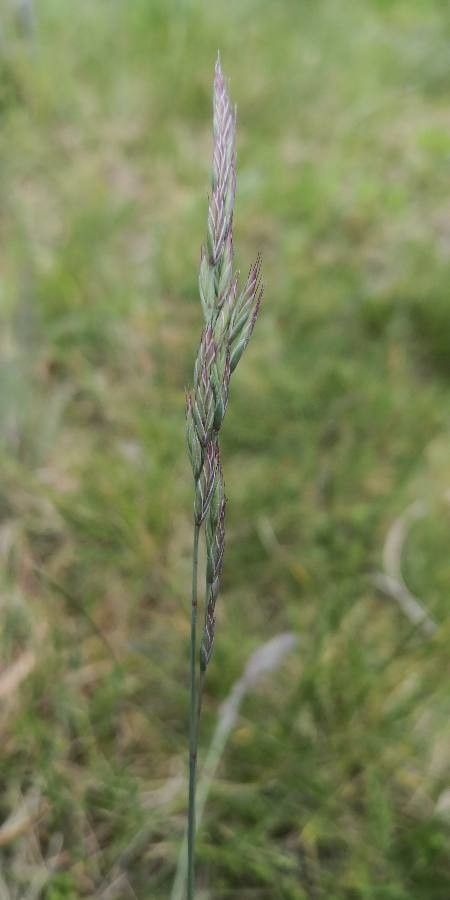
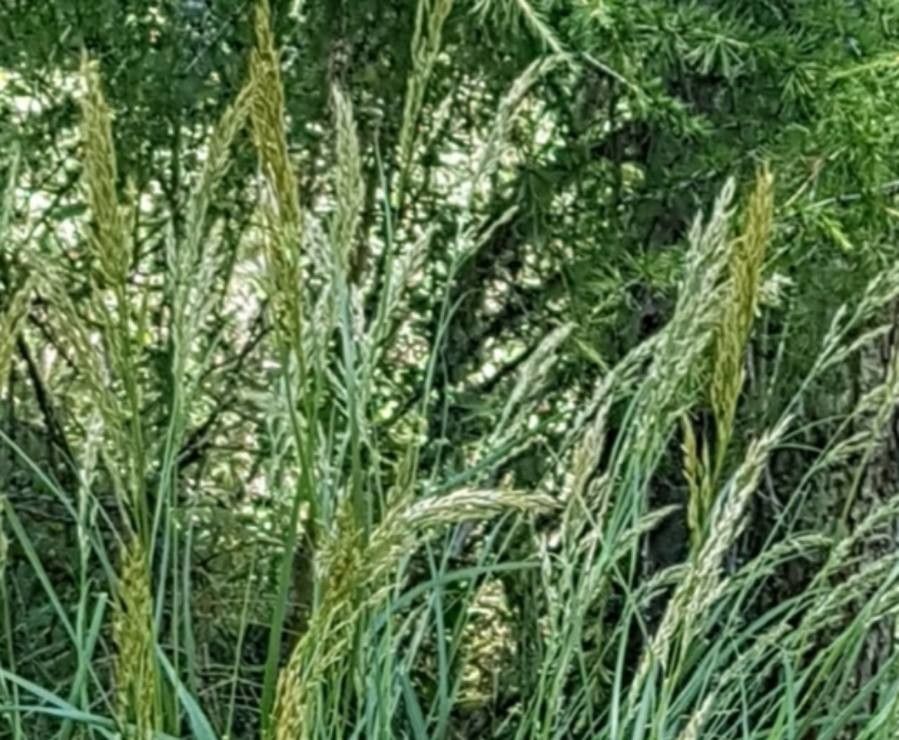
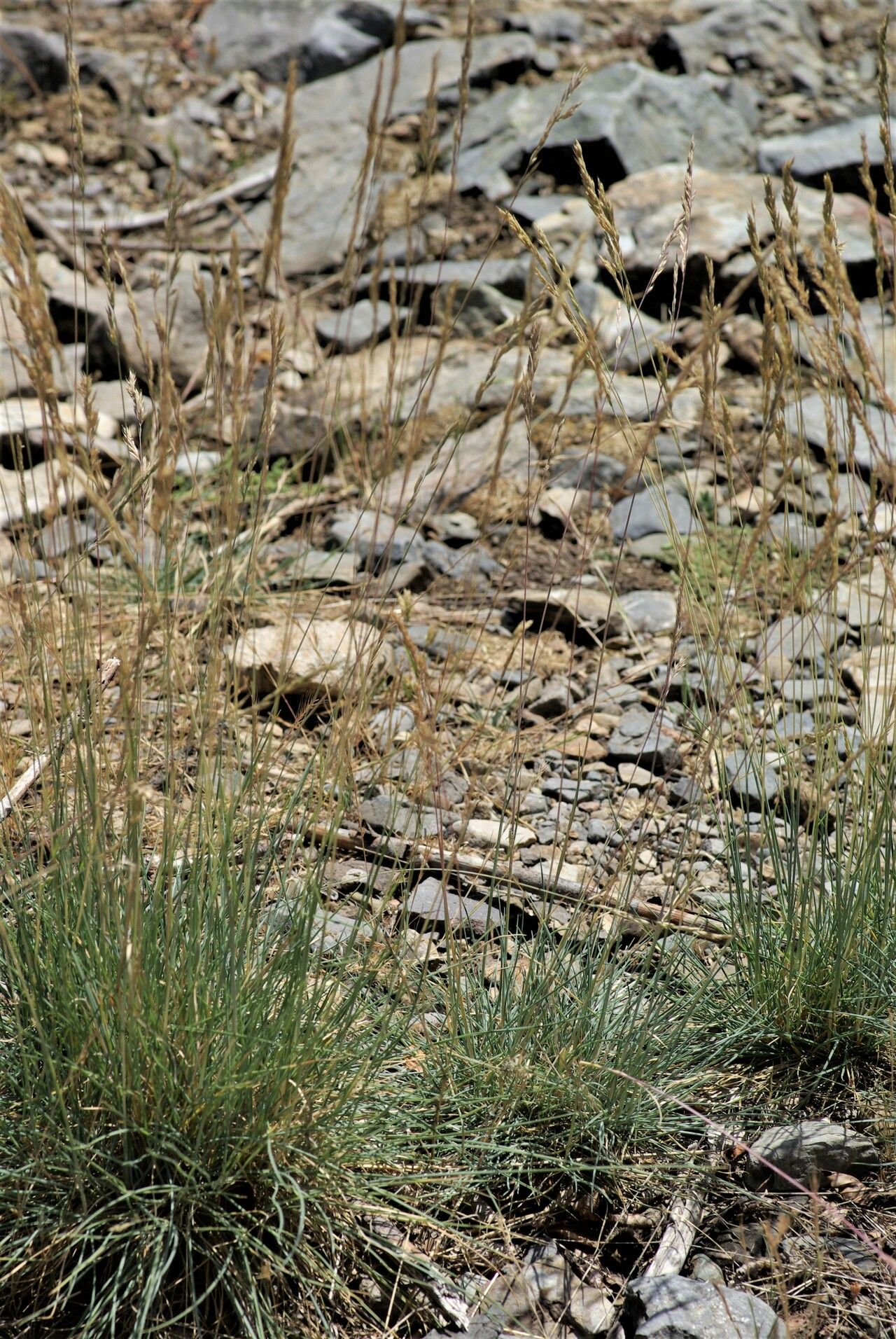
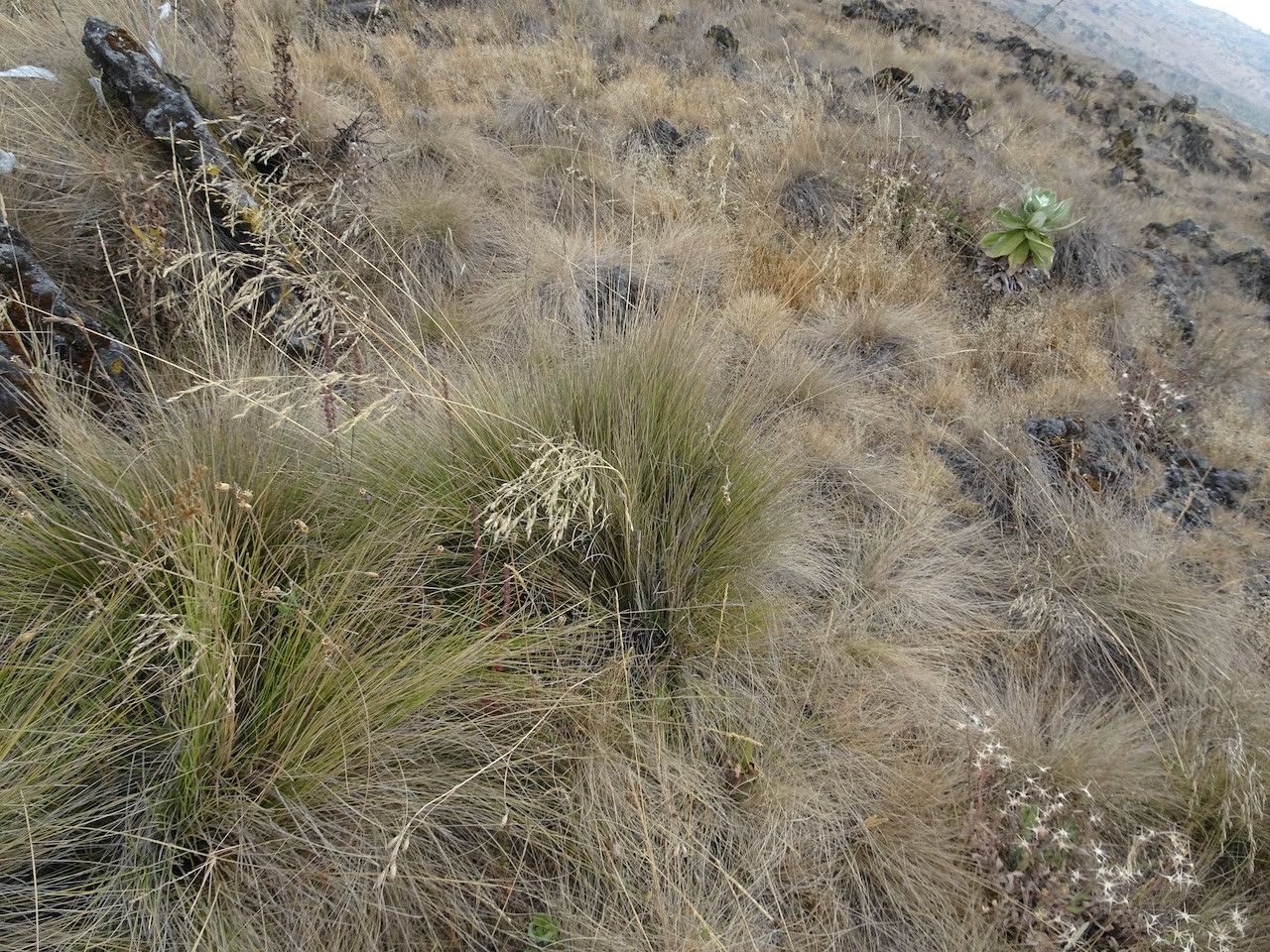
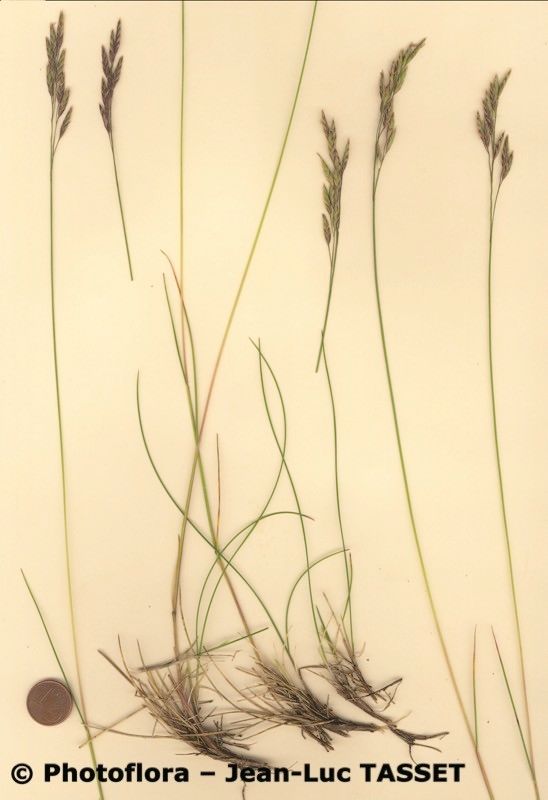
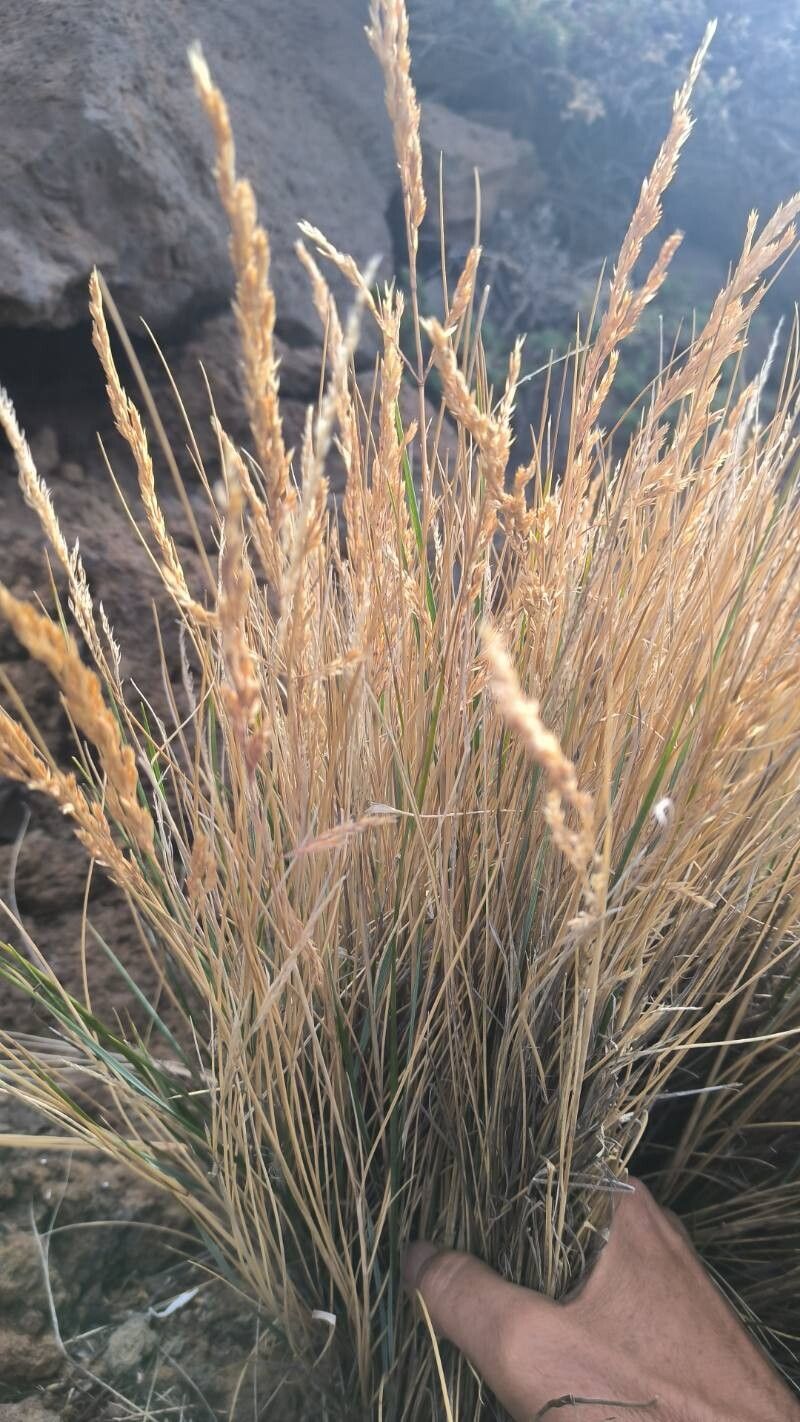
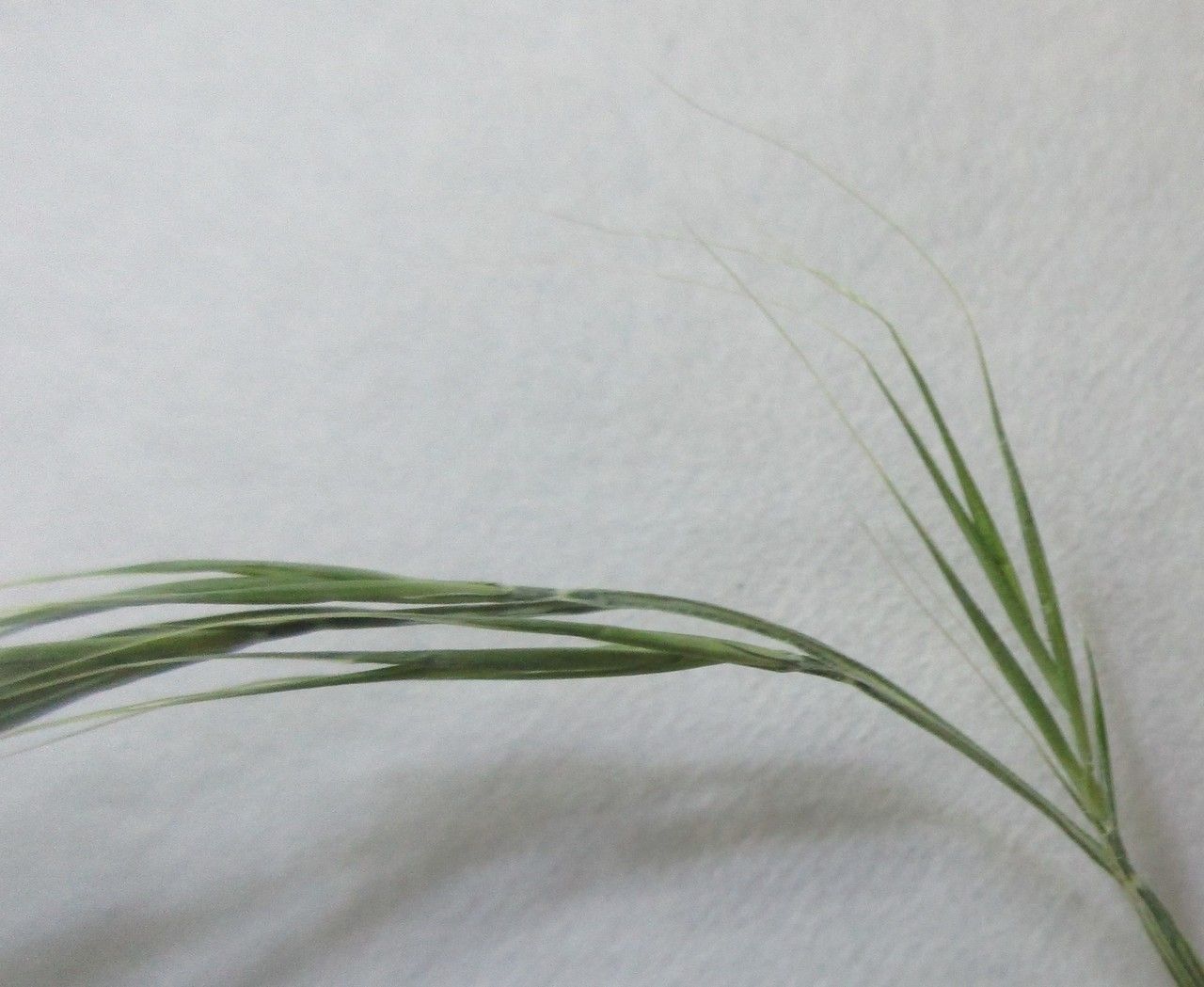
Festuca ovina, sheep's fescue or sheep fescue, is a species of grass. It is sometimes confused with hard fescue (Festuca trachyphylla).
Hard fescue is resistant to disease and is generally not susceptible to ailments. In terms of care, this plant is relatively low maintenance. When grown outdoors, it needs little watering, and larger plants typically do not require pruning. Smaller plants, however, should be pruned after they have bloomed. Hard fescue is appropriate for anyone with an outdoor area, such as a garden or deck, and does not need extensive care experience.
How to keep Festuca Ovina.
Light
Hard fescue performs best with a full day of sunlight but can tolerate some shade, although that may slow its growth. Coming from environments with abundant light, it can weaken or become more susceptible to disease if kept in too much shade or deprived of sufficient sunshine.
Water
Hard fescue thrives in temperate regions with moderate moisture. While it prefers consistent soil moisture, it can endure dry spells. Water it weekly, adjusting based on rainfall. This adaptable grass variety is well-suited to climates with unpredictable precipitation and is commonly found in meadows and open fields.
Temperature
Hard fescue developed in regions with a moderate temperature range of 41 to 89.6 °F (5 to 32 ℃). It favors cooler climates and may require protection or relocation during hotter seasons.
Fertilizer
Hard fescue is a cool-season grass that primarily grows in spring and autumn. It becomes dormant in winter and its growth slows during the summer. Applying suitable fertilizers in spring can replenish nutrients and encourage vigorous, dense growth. Properly nourished lawns are greener, more resilient, and more resistant to pests and weeds.
Pruning
Hard fescue benefits from careful pruning, best done from early to late spring, to promote healthy growth and an attractive appearance. Regular mowing also helps maintain its health and visual appeal. However, it's important to avoid over-pruning, as this can cause stress and disrupt its natural form.
Botanical profile.
- Plant Type
- Grass
- Life Cycle
- Perennial
- Genus
- Festuca
- Family
- Poaceae
- Hardiness Zone
- 4-8
- Mature Height
- 30 cm
- Mature Spread
- 30 cm
- Leaf Color
- Green, Blue, Gray
- Leaf Type
- Evergreen
- Flower Color
- Green, Yellow
- Flower Size
- 0.51 cm to 0.76 cm
- Bloom Time
- Late spring, Early summer
- Planting Time
- Spring, Summer, Autumn
- Harvest Time
- Mid summer, Late summer
Other names.
Reader questions.
How should I water my Hard fescue?
Most people choose to grow Hard fescue as a lawn, and there are specific guidelines for watering this type of grass. One option is to use a hose with a spray nozzle attachment, but the preferred method is to install a sprinkler system. For optimal results, it is even better to have a sprinkler system set up on a timer, ensuring that the Hard fescue receives the appropriate amount of water at the right times. When watering, it is recommended to use cool or room temperature water and to do so in the morning. This timing allows the water to soak into the soil while also allowing any excess moisture to evaporate under the daily sunlight.
Why should I put fertilizer on my Hard fescue?
To ensure vigorous and thick growth of Hard fescue, it is crucial to fertilize it. A lawn that is well-fed and healthy maintains its density, remains vibrantly green, recovers effectively from insect or mechanical damage, and can handle seasonal stressors such as heat, drought, and cold temperatures. On the other hand, lawns that are under-fertilized and unhealthy will gradually lose density, becoming thin over time, thus making way for undesirable grasses and weeds to invade. Additionally, malnourished lawns are more susceptible to insect and disease issues.
What are the sunlight requirements for Hard Fescue?
Hard Fescue requires full sun, meaning it thrives best with above 6 hours of sunlight daily, but it can also tolerate partial sun, which is about 3-6 hours of sunlight. It's essential to watch how sunlight moves through your garden to choose spots providing the perfect balance light and shade, ensuring the plant's happiness. Originally from habitats with abundant light, Hard Fescue may become weak or prone to diseases if exposed to excessive shade or insufficient sunshine.
What is the optimal temperature range for Hard Fescue?
Hard fescue thrives in environments with moderate temperature ranges, optimally between 41 to 89.6 °F (5 to 32 °C). It is best suited for cooler climates and might require protection or relocation during hotter seasons to ensure its well-being.
What should I do if I give my Hard fescue grass too much or too little water?
If you accidentally overwater your Hard fescue, there are steps you can take to restore your lawn's health. A good solution is to aerate your lawn, which will fix any compacted soil that can hinder water drainage. In that case, it's also a good idea to dethatch your Hard fescue. On the other hand, if you underwater your Hard fescue, the approach should be different. In such instances, you should allow your lawn to grow a bit longer before mowing it. Additionally, it's important to provide your Hard fescue with a bit more water than before.
When should I put fertilizer on my Hard fescue?
Hard fescue, a cool-season grass, primarily grows in the spring and fall when temperatures are mild. It becomes dormant during the winter and may experience slower growth during the hottest part of summer. To support its growth, it is best to fertilize accordingly. This includes replenishing nutrients towards the end of each major growth period, which helps build up reserves to sustain the grass during the summer and winter dormant periods.
How can artificial lighting be used for indoor Hard Fescue plants?
For indoor Hard Fescue plants, artificial lighting is crucial when natural sunlight is insufficient, especially in winter or less sunny spaces. LED lights are recommended because they can provide the specific wavelengths needed by the plants. Full sun plants require 30-50W/sq ft of artificial light, partial sun plants need 20-30W/sq ft, and full shade plants require 10-20W/sq ft of light. The light source should be placed 12-36 inches above the plants, mimicking natural sunlight for 8-12 hours per day to ensure optimal growth.
Does Hard Fescue need protection during winter?
Hard fescue exhibits strong resistance to cold and typically does not need special frost protection measures. However, if winter temperatures are expected to plummet below -30°C, it’s crucial to provide some form of cold protection, such as covering the plant with soil or straw. To further safeguard the plant, it is advisable to water it abundantly before the first freeze in autumn to keep the soil moist, which helps prevent drought stress during the cold months.
How often do I need to water my Hard fescue?
The frequency of watering your Hard fescue depends on your location, climate conditions, and the season. In cooler northern regions, watering once every 1-2 weeks is sufficient, whereas in southern latitudes, it may be necessary to water once a week. Adjust your watering schedule if rainfall is consistent. However, relying solely on rainfall is usually insufficient to sustain a healthy lawn. During summer, the grass goes into dormancy, but it may still require some water to prevent dehydration. It does not need water for new growth.
When is the best time to not use fertilizer on Hard fescue?
Fertilizer can sometimes harm Hard fescue if it is already stressed or struggling with diseases and insect problems. It weakens the plant's defenses and makes it more susceptible to further damage. Therefore, it is important to avoid fertilizing when the grass is dormant in the winter or when its growth is slow during the summer. Instead, wait until the grass is actively growing. Additionally, it is best to fertilize in the morning or evening to minimize fertilizer burn during hot weather. After a rainstorm, allow the soil to dry out for a day or two before applying fertilizer to prevent runoff and potential contamination of water sources.
What are the signs of light deficiency in Hard Fescue?
Signs of light deficiency in Hard Fescue include smaller new leaves compared to mature ones, leggy or sparse growth due to longer spaces between leaves or stems, faster leaf drop to conserve resources, delayed or halted growth as the plant enters survival mode, and lighter-colored new leaves indicating a lack of chlorophyll. Chlorosis (leaves turning yellow), sunscald (damage from intense sunlight), leaf curling (to minimize water loss), wilting (loss of turgor pressure), and leaf scorching (brown, dry edges due to excessive light) are also symptoms caused by improper light conditions.
How does Hard Fescue cope with low temperatures?
Hard fescue is notably cold-tolerant, thriving best in temperatures above 5°C and ideally should remain above -25°C during winter. Should the temperature dip below -30°C, while there may not be immediate visible damage, there's a risk of reduced or even absent sprouting in spring. In such cases, it's recommended to remove any parts of the plant that fail to sprout as the season progresses.