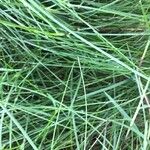
Festuca rubra
Red fescue · Creeping fescue · Ravine Fescue
Description
Source: leafsnapFestuca rubra is a species of grass known by the common name red fescue or creeping red fescue. It is widespread across much of the Northern Hemisphere and can tolerate many habitats and climates. It is best adapted to well-drained soils in cool, temperate climates; it prefers shadier areas and is often planted for its shade tolerance. Wild animals browse it, but it has not been important for domestic forage due to low productivity and palatability. It is also an ornamental plant for gardens.
🌳 Although commonly known for its role in lawn and turf management, red fescue possesses characteristics that extend into less-explored areas. Research has shown it acts as a phytoremediator, capable of indicating the presence of certain heavy metals in soil—zinc, for instance—by accumulating these substances in its tissues. Additionally, because of its resilience and extensive root system, red fescue may contribute to soil stabilization projects and erosion control, offering potential as a natural engineering material for landscape restoration and rehabilitation efforts.
Care Guide
💧 Water Every week
Red fescue, which comes from cool, temperate regions, thrives best with regular moisture but can endure short periods of dryness. It benefits from weekly watering and adapts well to different soil types. However, its growth patterns are influenced by water availability and seasonal rainfall.
How should I water my Red Fescue?
Most people choose to grow Red Fescue as a lawn, and there are specific guidelines for watering this type of grass. One method is to use a hose with a spray nozzle attachment, but the preferred method is to have a sprinkler system in place. It is even more effective to have a sprinkler system that operates on a timer, ensuring proper watering at the appropriate times. When watering, it is recommended to use cool or room temperature water. Additionally, it is best to water in the morning, as this allows the water to soak into the soil while giving the sunlight enough time to evaporate any excess moisture.
What should I do if I give too much or too little water to my Red Fescue?
If you accidentally overwater your Red Fescue, there are steps you can take to restore your lawn's health. One effective approach is to aerate the lawn to fix any compacted soil that might be hindering drainage. In addition, consider dethatching the Red Fescue. On the other hand, if you underwater the Red Fescue, the solution is different. In such cases, allow the lawn to grow slightly longer before mowing and provide a bit more water than before.
How many times should I water my Red Fescue?
The frequency of watering for Red Fescue depends on where you live, the climate conditions in your area, and the time of year. For those in cooler northern regions, watering once every 1-2 weeks is usually sufficient. In contrast, those in southern regions may need to water their Red Fescue about once a week. However, if it regularly rains in your area, you can adjust your watering schedule accordingly. Nevertheless, relying solely on rainfall is usually not enough to keep the lawn alive. One crucial factor to consider is the season, as Red Fescue tends to go dormant during the summer. During this time, it may still require some water to prevent drying out, but it doesn't need water for new growth.
How much water does my Red Fescue grass need?
Watering your Red Fescue properly is actually quite simple. Regardless of whether you live in a colder northern region or a warmer southern region, the general guideline is to give your Red Fescue approximately one inch of water every time you water it. However, during the summer when the grass goes into a short dormant period, it's best to provide lighter but sufficient waterings to protect it from the sun's intense heat. It's important to note that the amount of water you supply should also consider the size of the area covered by your Red Fescue. For instance, a larger area will require more water than a smaller lawn.
How can I know if I'm giving enough water to my Red Fescue?
If you provide your Red Fescue with too much or too little water, there are clear signs to look out for. When you overwater, the blades of your Red Fescue lawn may become noticeably soft. You might also observe a buildup of thatch. On the other hand, underwatering your lawn can result in brown patches. Additionally, your Red Fescue may suffer from heat stress, leading to fungus accumulation and yellowing of the grass blades. Furthermore, underwatered lawns tend to retain footprints longer compared to lawns that have been watered appropriately.
☀️ Light Full sun
Red fescue maintains peak health when given plentiful sunlight, reflecting its origin in open habitats. It can tolerate lower light levels, but this may limit optimal growth. Excessive or insufficient sunlight can reduce its vigor or fade its color.
What are the sunlight requirements for Red Fescue?
Red Fescue thrives in conditions that match its natural open habitat, requiring full sun, which is above 6 hours of sunlight daily, to maintain maximum health. It can also grow under partial sun, about 3-6 hours of sunlight, but optimal growth may be compromised. It's important to watch the sunlight's movement through your garden to ensure you choose the best spots that provide a balance of light and shade for the plants, ensuring they remain healthy and happy.
How can artificial lighting benefit indoor Red Fescue plants?
Indoor Red Fescue plants require adequate lighting for optimal growth, especially when natural sunlight is insufficient, such as during winter or in less sunny spaces. Artificial light offers an essential solution by promoting faster, healthier growth. For full sun plants, 30-50W/sq ft of artificial light is necessary, for partial sun plants, 20-30W/sq ft, and for full shade plants, 10-20W/sq ft. The light source should be placed 12-36 inches above the plant to mimic natural sunlight, and the duration should match the plant species' natural daylight hours, typically 8-12 hours per day.
What are the common symptoms of light deficiency or overexposure in Red Fescue?
Symptoms of light deficiency in Red Fescue include small leaves, leggy or sparse growth, faster leaf drop, slower or no new growth, lighter-colored new leaves, and symptoms of overexposure include chlorosis, sunscald, leaf curling, wilting, and leaf scorching. These symptoms indicate either a lack of sufficient sunlight, affecting the plant's chlorophyll and essential nutrient levels or damage from excessive sunlight exposure, which negatively impacts the plant's ability to photosynthesize and maintain adequate hydration.
How can lighting issues be solved for indoor, outdoor, and ground Red Fescue plants?
For indoor Red Fescue plants, gradually moving them to a sunnier location each week until they receive at least 6 hours of direct sunlight daily is recommended. Utilizing a south-facing window and keeping curtains open during the day helps maximize sunlight exposure. If the plant is large or not easily movable, consider using artificial light for at least 8 hours daily. For outdoor plants, gradually acclimatize them to sunlight to prevent sunburn. Minimizing obstructions like pruning trees can help outdoor and ground-planted Red Fescue access more sunlight. If necessary, transplant smaller plants during their dormant period to a location with better sunlight and drainage.
🌡️ Temperature 5–35°C
Red Fescue is a temperate woody species that requires temperatures of 41 to 95 ℉ (5 to 35 ℃). It is native to cooler, moist habitats and can withstand light frosts. In the colder months, Red Fescue should be maintained at 41 to 50 ℉ (5 to 10 ℃) to promote dormancy and prevent frost damage.
What are the essential care requirements for Red Fescue?
Red Fescue is a temperate woody plant that thrives in temperatures ranging from 41 to 95°F (5 to 35°C), and its native environment is cool and moist. It can handle light frosts and prefers to be in temperatures between 41 to 50°F (5 to 10°C) during the colder months to enter dormancy and avoid frost damage effectively. Although Red Fescue has high cold resistance and usually doesn't require special frost protection, if temperatures are expected to fall below -30°C, it's crucial to protect the plant with insulating materials like soil or straw. It's also beneficial to water it abundantly before the first freeze of autumn to keep the soil moist, which helps prevent drought stress during winter and early spring.
How does Red Fescue react to low temperatures?
Red Fescue is known for its strong cold tolerance, optimally growing in conditions above 5°C and surviving winters with temperatures above -25°C. However, if temperatures dip below -30°C, the plant might not show immediate damage during the winter but could experience reduced or even fail to sprout in the spring. In such cases, gardeners are advised to remove any parts of the plant that have not sprouted once spring arrives to encourage new growth.
What should be done if Red Fescue experiences high temperatures?
During the hotter months, particularly when temperatures climb above 35°C, Red Fescue can struggle. Symptoms of heat stress include leaves becoming lighter in color, prone to curling, susceptibility to sunburn, and in extreme cases, the plant might wilt or dry out entirely. To mitigate these effects, affected parts should be trimmed away, and the plant should be relocated to a shaded area, especially from the midday and afternoon sun. Utilizing a shade cloth can also be beneficial. Additionally, watering the plant during the cooler morning and evening hours is recommended to maintain soil moisture and help the plant cope with the heat.
💨 Humidity
🪴 Soil 5-7
🌱 Fertilizer
Red Fescue is a cool-season grass that primarily grows in spring and fall. It becomes dormant in winter and its growth slows in summer. Applying suitable fertilizers in spring can replenish nutrients and encourage vigorous, dense growth. Well-fed lawns are greener, resilient, and resist pests and weeds.
Why do I have to put fertilizer on my Red Fescue?
To ensure strong and thick growth for Red Fescue, it is crucial to fertilize it. Well-fed and healthy lawns maintain their density, remain lushly green, recover effectively from damage caused by insects or mechanical reasons, and have higher resilience against seasonal stressors such as heat, drought, and cold temperatures. On the other hand, lawns that are under-fertilized and unhealthy will gradually lose density, thin out over time, and become susceptible to unwanted grasses and weed invasion. Furthermore, malnourished lawns are more prone to insect infestations and disease issues.
When should I fertilize my Red Fescue?
Red Fescue is a cool-season grass that primarily grows in the spring and fall when temperatures are mild. During the cooler winter season, it goes dormant and may have slower growth in the hottest part of summer. To care for Red Fescue, it is important to fertilize according to its growth pattern. This means replenishing nutrients towards the end of each major growth period to fill reserves and sustain the grass through summer and winter dormancy.
When is it not a good idea to use fertilizer on my Red Fescue?
Fertilizer can sometimes harm Red Fescue instead of helping it, especially if the plant is already stressed. It's best to avoid fertilizing if Red Fescue is facing diseases like leaf spot, pythium, large patch, brown patch, or fairy rings, as well as insect issues like grubs, chinch bugs, or armyworms. Fertilizing in these cases can weaken the plant's defenses and leave it more susceptible to other pests and diseases. It's also important to avoid fertilizing Red Fescue when it is dormant in winter or experiencing slow growth in summer. Instead, wait until the grass is actively growing. If it's hot out, try not to fertilize during the hottest part of the day to prevent fertilizer burn. It's better to fertilize in the morning or evening. After a rainstorm, wait for the soil to dry out for a day or two before applying fertilizer to minimize runoff and prevent contamination of ground and surface waters.
What kind of fertilizer does my Red Fescue grass need?
When fertilizing Red Fescue, it is best to use lawn or turf fertilizers specifically made for this purpose, and avoid using all-purpose garden fertilizers such as a 12-12-12 blend. Turf blends are designed with higher levels of nitrogen, lower levels of phosphorus and potassium. This ratio provides the necessary nutrients for the lawn without causing damage. Lawn fertilizers usually contain nutrients that are released slowly to provide continual nourishment over time. Nitrogen is the most essential nutrient for established lawns as it promotes growth and green color. Red Fescue requires phosphorus and potassium for strong stem and root development, resistance to drought, tolerance to extreme temperatures, and natural defenses against pests and diseases.
How can I fertilize my Red Fescue grass?
To ensure that Red Fescue grass grows well and stays healthy, it is important to apply fertilizer at two key times during the growing season. Red Fescue is a type of grass that thrives in cooler weather, with its main growth periods occurring in the spring and fall. During the summer, its growth slows down due to the heat. To provide the necessary nutrients, it is recommended to fertilize the grass in late spring and again in the fall before the winter dormancy period begins. Fertilizing in the spring helps replenish the nutrients that Red Fescue extracts from the soil during its vigorous growth period. It also helps to provide nourishment to the grass in case its growth rate decreases due to the summer heat. On the other hand, fall fertilization helps Red Fescue recover from any stress it may have experienced during the summer and prepares it for the upcoming winter. It ensures that the grass has enough reserves stored in its roots to sustain it during the dormant period. It is advised to plan the fall fertilizer application around six weeks before the expected first frost. When applying the fertilizer, it is important to carefully follow the instructions and recommended rates mentioned on the product label. Alternatively, you can apply the fertilizers based on recommendations derived from a soil test. After applying the fertilizer, make sure to water the product thoroughly, allowing it to penetrate the soil effectively.
🪴 Pot & Repot Every 12 months
For Red Fescue to thrive in pots, it is crucial to provide excellent drainage. This ensures proper aeration and prevents waterlogging, which can lead to root rot and other problems. Good drainage is essential for the optimal growth and health of the plant.
✂️ Pruning
Red Fescue flourishes in shaded areas and benefits from regular pruning to maintain optimal health. Key techniques for pruning include removing dead blades and thinning dense patches. To promote regrowth and reduce the risk of fungal infections, prune Red Fescue from early to late spring. This not only enhances its appearance but also improves its overall vitality.
🌿 Propagating
🐛 Diseases & pets
☠️ Toxicity
Characteristics
- Plant Type
- Grass
- Life Cycle
- Perennial
- Genus
- Festuca
- Family
- Poaceae
- Hardiness Zone
- 4-10
- Mature Height
- 30 cm to 61 cm
- Mature Spread
- 10 cm
- Leaf Color
- Green, Blue, Gray, Silver
- Leaf Type
- Evergreen
- Flower Color
- Yellow, Brown, Purple, Gold
- Flower Size
- 5.08 cm to 20.32 cm
- Bloom Time
- Late spring, Early summer
- Planting Time
- Spring, Winter
- Harvest Time
- Mid summer