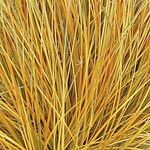
Ficinia spiralis
Description
Source: wikipedia (CC BY-SA)Ficinia spiralis is a coastal sedge endemic to New Zealand. Originally widespread, it has suffered severely from competition with introduced marram grass and animal grazing and now has only a patchy distribution.
Care Guide
💧 Water
Golden sand sedge thrives in coastal dunes due to its ability to adapt to varying moisture levels and excellent drainage. While it prefers consistent moisture, it can also withstand short periods of dryness. Watering it weekly helps maintain its health, and rainwater further supports its growth by providing natural nutrients and balanced moisture.
☀️ Light Full sun
Golden sand sedge is a sun-loving, perennial herbaceous species native to open habitats, frequently found growing in meadows and grasslands. It prefers full sun but can also tolerate partial sunlight.
🌡️ Temperature 15–37.8°C
Golden sand sedge can tolerate a wide range of temperatures, but its distribution may still be constrained by different combinations of moisture and heat. It does best in warm summer climates with sufficient rainfall or irrigation. Extended periods of cloudy, rainy conditions or prolonged high temperatures can increase the risk of Golden sand sedge dying. In winter, proper protection from cold can raise the plant's likelihood of survival.
💨 Humidity dry (<40%)
This plant prefers dry conditions, so don't mist it. However, watering it less often can also thrive in higher humidity.
🪴 Soil 6-7
🌱 Fertilizer
Generally, one fertilizer application in spring is enough for Golden sand sedge, but repeated feedings can maximize growth. Apply fertilizer about every month to a month and a half. Fertilization improves the leaves’ appearance and function, helping maintain even color and a healthy texture. It also promotes root development and nutrient uptake for long-term plant health.
🪴 Pot & Repot
✂️ Pruning
Golden sand sedge flourishes in coastal environments and requires minimal pruning. To encourage growth and maintain its clumping shape, trim any dead foliage from early to late spring. Careful pruning is important for the plant's resilience against sand and wind, while regular grooming enhances its ornamental appeal.
🌿 Propagating
🐛 Diseases & pets
☠️ Toxicity
Characteristics
- Plant Type
- Herb
- Life Cycle
- Perennial
- Genus
- Ficinia
- Family
- Cyperaceae
- Hardiness Zone
- 8-11
- Mature Height
- 30 cm to 91 cm
- Mature Spread
- 3.96 m
- Leaf Color
- Dark Green
- Leaf Type
- Evergreen
- Flower Color
- Brown
- Flower Size
- 6.35 cm to 30.48 cm
- Bloom Time
- Mid winter, Late winter, Early spring
- Planting Time
- Spring, Summer, Autumn
- Harvest Time
- Spring
- Native Area
- New Zealand