Ficus cyathistipula
African Fig Tree · Kachere · Long bean · African Fig
Description
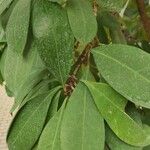
Source: leafsnapFicus cyathistipula, commonly known as the African fig or the cup-leaved fig, is a flowering plant belonging to the family Moraceae. Native to the tropical regions of Africa, it is found in countries such as Cameroon, Gabon, and Congo. The African fig is a large tree that can reach heights of up to 30 meters, with a trunk diameter of up to 1 meter. It features smooth gray bark and large leaves that are dark green on the top and lighter green underneath. The leaves are oval-shaped with pointed tips and can grow up to 25 centimeters long. The African fig produces small flowers that are pollinated by wasps. Its fruit is also small, approximately 1 centimeter in diameter, and has a hard outer shell containing numerous seeds. In its native habitat, Ficus cyathistipula plays a vital role in local ecosystems by providing food and shelter for animals such as monkeys and birds that consume its fruit. Traditionally, the African fig has been used by local communities for medicinal purposes. Its bark and leaves are used to treat various ailments, including stomach problems and skin infections. Overall, Ficus cyathistipula is a species of great ecological and cultural significance within its native African range.
🌳 Kachere is not only stunningly decorative but also acts as an unconventional air purifier. Studies note that certain indoor plants can absorb pollutants, and kachere is a promising example. Thus, incorporating kachere into interior spaces could offer visual appeal while improving air quality, providing an unexpected twist on typical plant use.
Care Guide
💧 Water Every 7 days
The kachere plant comes from African rainforests and prefers high humidity but can also tolerate some drought. To keep the soil evenly moist, water the plant every 1-2 weeks. During its active growing season, boost the humidity by misting it or using a humidifier.
☀️ Light Partial sun
Kachere is native to the understory of tropical forests, where it receives dappled sunlight. It prefers partial sun but can also tolerate full sun, adjusting well to varying light conditions.
🌡️ Temperature 20–37.8°C
Kachere comes from tropical areas, where the weather is generally warm and humid. Therefore it is adapted to high temperatures and humidity. It does not tolerate sudden shifts in temperature and prefers a steady thermal environment, so avoiding indoor temperature fluctuations is important. It typically cannot withstand cold conditions and needs warmer temperatures to grow. If the surrounding temperature falls too low, the plant may stop growing or even die.
💨 Humidity normal (40-60%)
This plant will thrive in moderate humidity, which is probably the level in your home. However, misting it a few times a week can be very beneficial. Make sure the room has good ventilation.
🪴 Soil 6-7
🌱 Fertilizer
The best time to fertilize a Kachere is in early spring as it comes out of dormancy. This encourages overall growth and flower development. Fertilizing improves the foliage, stems, and branches, while encouraging large, vibrant, and long-lasting flowers. It helps transport nutrients from the roots to the flowers and enhances the plant's health and disease resistance.
🪴 Pot & Repot Every 12 months
✂️ Pruning
The Kachere plant is characterized by its broad leaves and rapid growth. For optimal maintenance, it is best to prune the plant from early to late winter while it is dormant. During this time, remove any dead or weak branches. Thinning the canopy will improve air circulation and help prevent disease. Always use clean tools for pruning, and consider light pruning throughout the year to maintain the plant's health and appearance.
🌿 Propagating
🐛 Diseases & pets
☠️ Toxicity
This plant is regarded as dangerous; ingesting pieces of it could cause nausea, vomiting, and a loss of appetite. Large amounts should be consumed right away; get medical help if you need more information. When handling, be careful and use gloves because the sap can also trigger dermatitis and skin allergies in people with sensitive skin.
Characteristics
- Plant Type
- Tree
- Life Cycle
- Perennial
- Genus
- Ficus
- Family
- Moraceae
- Hardiness Zone
- 10-12
- Mature Height
- 10.06 m to 14.94 m
- Mature Spread
- 4.88 m to 7.92 m
- Leaf Color
- Dark Green, Forest Green
- Leaf Type
- Evergreen
- Bloom Time
- All year round
- Planting Time
- Summer, Autumn
- Harvest Time
- All year round
- Native Area
- Central Africa