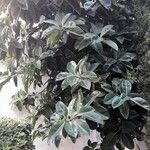
Ficus elastica
فیکوس · فیکوس الاستیکا · فیکوس شرابی · فیکوس الاستیکا شرابی · Rubberplant
Description
Source: leafsnapFicus elastica, commonly known as the rubber plant, is a popular indoor species that belongs to the fig family. Native to Southeast Asia and India, this plant can reach up to 30 meters (about 98 feet) tall in its natural habitat. The rubber plant is characterized by its large, glossy, dark green leaves, which can grow up to 30 centimeters (about 12 inches) long. These leaves are thick, leathery, and have a waxy texture. Caring for the rubber plant is relatively straightforward as it requires minimal attention. It thrives in bright, indirect light but is also tolerant of low light conditions, making it an ideal indoor plant for spaces with limited natural light. The plant prefers well-draining soil that should be kept moist but not waterlogged. In addition to its aesthetic appeal, the rubber plant offers several benefits, including improving indoor air quality. It helps purify the air by removing toxins such as formaldehyde, making it an excellent choice for enhancing the air quality in your home or office. In conclusion, Ficus elastica, or the rubber plant, is a low-maintenance houseplant with large, glossy leaves that adds beauty to your space while simultaneously improving air quality.
🌳 Although today it exists mainly as a decorative species in our homes, the rubber plant has a notable past tied to early industry. Its sap, rich in a rubber-like substance, was once central to rubber production, which explains its name rubber plant, meaning 'elastic'. A plant with a legacy, its flexible nature echoes its historical influence.
🎭 Significant recollections, amicability, plenty, joy, prosperity
Care Guide
💧 Water Every 7 days
Originating from tropical rainforests, rubber trees thrive in consistently moist soil but can tolerate occasional dryness. Water them every 1-2 weeks, allowing the soil to dry out slightly between waterings. They flourish in humid indoor environments and require less water during their dormant period in cooler months.
When should I water my rubber tree?
To ensure the health and development of your rubber tree, water it when the top 1 to 2 inches of soil feels dry to the touch. You can assess this by inserting your finger into the soil. Additionally, observe the tree's leaves for signs of drooping or changes in color to yellow or brown, which suggest the need for water. The appearance of dry or cracked soil surface and browning of leaf edges also indicate it's time to water. However, avoid waiting too long, as excessively dry conditions can lead to wilting, stunted growth, and in extreme cases, plant death.
How should I water my rubber tree?
For optimal hydration, employ the soak and dry method, where you thoroughly water the rubber tree until water drains out of the bottom of the pot, mimicking its natural watering pattern. Allow the soil to partially dry out before the next watering. Utilize special equipment like a moisture meter to prevent overwatering and choose a watering can with a narrow spout to direct water to the base, avoiding foliage to reduce the risk of fungal diseases. Bottom-watering is also effective by letting the roots absorb water from the bottom up. Always check soil moisture before watering again.
How much water does a rubber tree really need?
The water needs of rubber trees vary with factors such as pot size and plant size, but generally, watering until it drains out the bottom ensures water reaches its entire root network. In a 10-12 inch pot, 1 to 3 cups of water per event may be sufficient, but avoid watering again until the top 1-2 inches of soil are dry. Proper watering is indicated by vibrant and firm leaves without yellowing or wilting, while over or under-watering can lead to problems like yellow dropping leaves or dry looking leaves.
What kind of water is best for rubber tree?
Distilled or rainwater is ideal for rubber trees due to their sensitivity to the chemicals and minerals in tap water, which can cause leaf tip burn or accumulate in the soil, harming the plant. If tap water is used, let it sit for 24 hours to allow chlorine and fluoride to evaporate. Room-temperature water is preferred to avoid shocking or damaging the plant's roots.
How do rubber tree's watering needs change with the seasons?
Rubber tree's watering needs vary across seasons. In spring, as the tree comes out of dormancy, gradually increase watering, ensuring the top layer of soil is slightly dry before the next watering. During summer's active growth phase, keep soil consistently moist due to higher evaporation rates. In autumn, reduce water as the plant prepares for dormancy, and in winter, significantly decrease watering to prevent root rot, allowing the soil to dry out completely between watering sessions.
☀️ Light Partial sun
A rubber plant requires a balanced amount of sunshine, flourishing in conditions where it gets equal amounts of sunlight and shade. This plant, which is native to locations with varying light levels, also excels in continuous shade or constant sunlight, although extensive sun exposure may lead to leaf scorching and inadequate sunlight may hamper photosynthesis, resulting in inhibited growth. Regardless of the stage of growth, the plant's sun requirement remains steady.
What are the sunlight requirements for a rubber tree?
Rubber trees thrive in conditions that offer a balance between light and shadow, reflecting their native habitat's mixed light levels. They can adapt to consistent shade or constant sun exposure, though excessive sunlight can cause leaf burn, and insufficient light may lead to stunted growth due to affected photosynthesis. On average, they need about 3-6 hours of sunlight per day. It's important to observe the movement of sunlight through your garden or indoor space to find spots that provide the ideal light and shade mix, ensuring the plants' well-being.
How can artificial lighting be used to support rubber tree growth indoors?
Indoor rubber trees require adequate lighting, especially when natural sunlight is insufficient, like during winter. Artificial lights, with LED being a popular and effective option, can be used to simulate the specific wavelengths of light needed by the plants. The amount of artificial light required varies depending on the plant type: Full sun plants need 30-50W/sq ft, partial sun plants need 20-30W/sq ft, and full shade plants need 10-20W/sq ft of artificial light. Position the light source 12-36 inches above the plant and ensure it receives 8-12 hours of light per day to mimic natural daylight hours.
What are common symptoms of insufficient light in rubber trees?
Common symptoms exhibited by rubber trees when exposed to insufficient light include faster leaf drop, leggy or sparse growth, smaller new leaves, chlorosis (leaves turning yellow), sunscald (damaged leaves from intense sunlight), leaf curling, wilting, and leaf scorching. These symptoms reveal the plant's struggle with inadequate light exposure, affecting its overall health and growth.
What solutions are recommended for rubber trees suffering from poor lighting?
To address poor lighting conditions for both indoor and outdoor rubber trees, it's advised to gradually adapt the plants to optimal light conditions by moving them to sunnier spots each week, ensuring they receive 3-6 hours of direct sunlight daily. For large or immobile indoor plants, using artificial grow lights for at least 8 hours a day can provide sufficient light. If sunlight is obstructed outdoors, consider pruning to reduce shade or transplanting smaller plants to sunnier areas. Remember, while parts of the plant affected by low light may not recover fully, new growth should be healthy following these adjustments.
🌡️ Temperature 20–37.8°C
The rubber plant originates from tropical regions, where the temperature typically varies between 68 to 100.4 ℉ (20 to 38 ℃). Although it can withstand temperatures as low as 50 ℉ (10 ℃) and as high as 85 ℉ (29 ℃), it generally prefers the range between 60 and 75 ℉ (15.5 to 23.8 ℃). To prevent damage from cold during the winter months, it's advisable to maintain a temperature of over 55 ℉ (12.8 ℃).
What are the ideal temperature conditions for a rubber tree?
The rubber tree thrives in the temperature requirements of tropical regions, preferring a range from 60 to 75 °F (15.5 to 23.8 °C) but can tolerate temperatures as low as 50 °F (10 °C) and as high as 85 °F (29 °C). During winter, it's recommended to keep the temperature above 55 °F (12.8 °C) to prevent cold damage. The plant loves heat and cold temperatures can harm it, so it's advisable to bring outdoor-grown rubber trees indoors during autumn, placing them near a bright window but at a distance from heaters, and maintain indoor temperatures above 20°C to encourage growth.
What should I do if my rubber tree is exposed to low temperatures?
Rubber trees prefer warm temperatures and react negatively to cold. If exposed to temperatures below 20°C, especially during winter, they should be kept above 0°C to avoid damage. Frostbite can cause leaves to lighten in color before turning brown or black, with additional symptoms including wilting and drooping. If frost damage occurs, trim off the frost-damaged parts and immediately move the plant to a warmer indoor environment. Place it near a south-facing window to ensure it gets enough sunlight and keep it away from heaters or air conditioning vents to avoid dry air.
How should I care for my rubber tree during high temperatures?
During summer, ensure that your rubber tree's environment stays below 100.4 °F (38 °C) to prevent heat stress. If temperatures exceed 109.4 °F (43 °C), the leaves may lighten and the plant becomes susceptible to sunburn. To manage this, trim away sunburned and dried-up parts of the plant, move it to a shaded location away from the intense midday and afternoon sun, and water it in the morning and evening to maintain soil moisture.
💨 Humidity normal (40-60%)
This plant will thrive in moderate humidity, which is probably the level in your home. However, misting it a few times a week can be very beneficial. Make sure the room has good ventilation.
🪴 Soil 5-7
🌱 Fertilizer
It is indispensable to fertilize Rubber plants for their proper upkeep. Consistently nourishing them throughout the growth phase assists in maintaining vitality for lustrous leaves and promotes overall development. Overlooking the need for fertilization could lead to sickly leaves, reduced decorative attractiveness, and impaired or feeble growth susceptible to damages.
Why do I have to put fertilizer on my Rubber tree?
The Rubber tree needs regular fertilization mainly because it has showy leaves that require a lot of energy to produce and maintain. However, it faces a challenge - it needs to not only allocate energy to keep its leaves healthy, but also to support the growth of its stems, branches, roots, and other vital structures. If you neglect fertilizing the Rubber tree, there are two likely outcomes. Firstly, its leaves will start to lose their natural color and texture, making them look unhealthy and diminishing their decorative appeal. Secondly, the overall growth of the Rubber tree will slow down, or it may produce weak growth that is prone to breaking.
When should I fertilize my Rubber tree?
To ensure the well-being of your Rubber tree, occasional feedings are beneficial. Therefore, there is no need to establish a set feeding schedule when planting these plants. An easy approach to fertilizing your Rubber tree is to apply the fertilizer when watering at times. It is important to provide an ample amount of water to your Rubber tree during the growing season. You can feed the plant every two to three weeks, consistently during the period when new growth is produced.
When is it best to not fertilize my Rubber tree?
For most of the year, you can regularly fertilize your Rubber tree. This includes the active growing season of spring, summer, and early fall. However, in the winter, you should avoid fertilizing the plant. During winter, the Rubber tree enters a dormant growth phase where little to no new growth occurs. As the plant uses less energy during this time, fertilization is unnecessary.
What kind of fertilizer does my Rubber tree require?
The fertilizer for a Rubber tree needs a specific blend of nutrients, but they are all present in small amounts. The ideal ratio of nitrogen, phosphorus, and potassium (N-P-K) is 3-1-2. However, a general-purpose fertilizer with a balanced blend can also work. Just make sure that each nutrient's ratio number is 3 or lower. You can choose between granular and liquid fertilizers. If you opt for liquid fertilizer, it's best to dilute it by half. While granular fertilizer has few downsides, using liquid fertilizer is often more practical, especially if you water your Rubber tree while feeding it.
How do I make my Rubber tree grow better?
One of the easiest ways to fertilize a Rubber tree is by feeding it whenever you water it. Here's how you can do it: first, gather your fertilizer and a water container, like a watering can. Then, dilute the fertilizer by mixing it with water. After that, simply pour the water and fertilizer mixture onto the soil, making sure it reaches the roots. Alternatively, you can use a granular fertilizer. With this method, all you have to do is sprinkle some of the fertilizer on the soil where your Rubber tree is planted. Granular fertilizers are usually slow-release, meaning you won't have to fertilize as frequently as you would with a liquid fertilizer. Whichever method you choose, remember to water the tree while you feed it because it is beneficial for its growth.
🪴 Pot & Repot 2-3 years
During the transplantation of the Rubber plant, select a container that is 1-2 inches bigger and has sufficient drainage. Employ a potting mix that drains easily. Carry out the repotting during spring or autumn, and make sure that the plant's root ball is marginally below the rim of the planting pot. After completing the repotting process, irrigate extensively and position the plant in a warm location where it will receive diffused sunlight.
✂️ Pruning
Rubber trees are known for their large, glossy leaves and vigorous growth. To maintain their shape and prevent them from becoming leggy, it is best to prune them between early and late winter. During pruning, remove any dead leaves and shape the plant to your liking. Regular pruning helps promote bushiness and improves air circulation. Be sure to use clean, sharp tools to minimize stress on the plant and prevent disease.
🌿 Propagating
🐛 Diseases & pets
☠️ Toxicity
Characteristics
- Plant Type
- Tree
- Life Cycle
- Perennial
- Genus
- Ficus
- Family
- Moraceae
- Hardiness Zone
- 9-11
- Mature Height
- 20.12 m to 39.93 m
- Mature Spread
- 10.06 m
- Leaf Color
- Green, Variegated
- Leaf Type
- Evergreen
- Flower Color
- Green
- Flower Size
- 2.54 cm
- Bloom Time
- Mid summer
- Planting Time
- Spring, Summer, Autumn, Winter
- Harvest Time
- Mid summer, Late summer
- Native Area
- India, Malaysia, Indonesia, Cambodia, Vietnam, Myanmar, Bhutan, Bangladesh, Laos, China