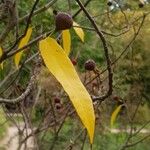
Ficus erecta
Erect fig
Description
Source: wikipedia (CC BY-SA)Ficus erecta, the Japanese fig, is a species of flowering plant in the family Moraceae. It is found in the eastern Himalayas, Assam, Bangladesh, Vietnam, southern China, Taiwan, Jeju Island of South Korea, the Ryukyu Islands, and Japan. The species is a deciduous shrub or small tree, growing to a height of 2 to 7 m, it is found alongside streams. It is reported to be dioecious, and produces small, sweet fruits that are 1.0 to 2.5 cm in diameter. It is pollinated by the fig wasp Blastophaga nipponica.
🌳 Beyond its ordinary uses, japanese fig has long been essential to the manufacture of traditional Japanese washi paper. The inner bark fibres of japanese fig are recognized for their strength and flexibility, making them an ideal material for producing washi that is both durable and finely attractive. This little-known detail highlights japanese fig's place in Japan's rich papermaking heritage, going beyond its more common applications.
Care Guide
💧 Water
Originating from temperate regions, the Japanese fig thrives in moderate humidity and is tolerant of drought. Water the plant every 2-3 weeks, allowing the soil to dry out slightly between waterings. Typically grown indoors for its ornamental value, it is important to water carefully during its active growth season to ensure healthy foliage development.
☀️ Light Partial sun
The Japanese fig prefers locations where light is diffused rather than intense. It doesn't need constant exposure to sunlight, which reflects its original growing conditions. However, a complete lack of sunlight can be harmful, leading to stunted growth or dull foliage.
What are the sunlight requirements for a Japanese fig?
The Japanese fig thrives in environments where light is dispersed and does not require continuous direct sunlight. It prefers partial sunlight, approximately 3-6 hours of sunlight daily, to mimic its native growing conditions. Continuous exposure to harsh sunlight can be detrimental, leading to issues such as stunted growth or dull foliage. It's crucial to observe how sunlight moves through your garden or indoor space to ensure the plant receives the perfect balance of light and shade for optimal growth.
How can artificial lighting benefit indoor Japanese fig plants?
Indoor Japanese fig plants benefit significantly from adequate lighting, especially when natural sunlight is insufficient. Artificial lights are vital for promoting faster and healthier growth, particularly during winter or in less sunny spaces. LED lights are recommended because they can be customized to provide specific wavelengths needed by the plants. For optimal growth, full sun plants need 30-50W/sq ft of artificial light, partial sun plants require 20-30W/sq ft, and full shade plants need 10-20W/sq ft. The light source should be placed 12-36 inches above the plant to mimic natural sunlight's distance, and plants generally need 8-12 hours of light per day to mimic natural daylight hours.
What are the symptoms of insufficient light in Japanese figs?
Japanese figs can show several symptoms when exposed to insufficient light, affecting their health and appearance. These symptoms include smaller new leaves, leggy or sparse growth, faster leaf drop, slower or halted growth, pale new leaves indicating a lack of chlorophyll, chlorosis leading to yellowing leaves, sunscald with damaged plant tissue, leaf curling as a defense mechanism against extreme sunlight, wilting due to excessive transpiration, and leaf scorching characterized by brown, dry edges on leaves. These symptoms indicate the plant's struggle with the light conditions and the need for immediate attention to its lighting environment.
What solutions can improve the light conditions for a Japanese fig?
To optimize growth and health of a Japanese fig, you can employ several strategies to improve light conditions. For indoor plants, gradually shift them to sunnier spots each week until they receive 3-6 hours of direct sunlight daily, or use artificial light sources such as desk, ceiling lamps, or professional plant grow lights for at least 8 hours daily. Outdoor plants should also be moved gradually to sunnier locations to prevent sunburn, remembering that parts of the plant damaged by insufficient light might not recover, but new growth will be healthy. Minimizing obstructions like overhanging branches or relocating plants during their dormant period can also enhance light exposure. These steps will ensure your Japanese fig receives the ideal balance of sunlight it requires for thriving.
🌡️ Temperature 20–37.8°C
The Japanese fig comes from temperate regions and does well in temperatures of 68 to 100°F (20 to 38°C). It performs best when the surrounding conditions match its native environment, so be sure to adjust the temperature around it as the seasons change.
What is the native climate of the Japanese fig?
The Japanese fig, or Ficus erecta, is native to temperate climates and flourishes best in temperatures between 68 to 100°F (20 to 38°C). Its growth is most optimal when its surrounding environment closely mimics its natural habitat, requiring adjustments in care throughout the different seasons to ensure it thrives.
How should I care for my Japanese fig in colder temperatures?
In colder temperatures, it's crucial to protect your Japanese fig from the cold as it is extremely heat-loving and susceptible to damage from low temperatures. During the autumn and winter, if you're growing it outdoors, it is recommended to bring it indoors and place it near a bright window, ensuring it's kept away from heaters to avoid dehydration. Maintaining a temperature above 20°C is beneficial for its growth, and it's important to keep it away from temperatures approaching 0°C.
What do I do if my Japanese fig is exposed to temperatures below -5°C?
Exposure to temperatures below -5°C can cause significant harm to a Japanese fig, including lightening of leaves, which eventually turn brown or black, and wilting or drooping of the plant. If your Japanese fig experiences frost damage, you should trim off the frost-damaged parts and immediately move the plant indoors to a warm environment for protection. Placing it near a south-facing window ensures ample sunlight, but avoid placing it near heaters or air conditioning vents to prevent the air from becoming too dry.
How does high temperature affect a Japanese fig, and how can I mitigate it?
During summer, it's vital to ensure the Japanese fig's temperature remains below 38°C to prevent overheating and sunburn, as temperatures above 43°C can lighten the color of the leaves and make the plant more susceptible to damage. To mitigate high temperature effects, trim away sunburned and dried-up parts, move the plant to a shaded location away from the midday and afternoon sun, and water it in the morning and evening to keep the soil moist.
💨 Humidity
🪴 Soil 6-7
🌱 Fertilizer
The best time to fertilize a Japanese fig is in early spring, as it comes out of dormancy. Doing so supports overall growth and flower development. Fertilization improves the foliage, stems, and branches, and encourages flowers that are large, vibrant, and long-lasting. It helps transfer nutrients from the roots to the flowers and boosts the plant’s health and resistance to disease.
🪴 Pot & Repot
✂️ Pruning
Prune Japanese fig trees from early to late winter to remove dead branches and shape the plant. Concentrate on thinning out crowded areas to improve light penetration and air circulation. Use sharp tools to minimize stress on the tree and encourage vigorous growth in spring, leading to healthier and more vibrant development.
🌿 Propagating
🐛 Diseases & pets
☠️ Toxicity
Characteristics
- Plant Type
- Tree, Shrub
- Life Cycle
- Perennial
- Genus
- Ficus
- Family
- Moraceae
- Hardiness Zone
- 9-11
- Mature Height
- 3.05 m to 3.96 m
- Mature Spread
- 2.13 m to 3.96 m
- Leaf Color
- Dark Green, Forest Green
- Leaf Type
- Evergreen
- Bloom Time
- Late spring, Early summer, Mid summer
- Planting Time
- Spring, Autumn
- Harvest Time
- Mid summer, Late summer, Early fall
- Native Area
- South Korea, Vietnam, Japan, China