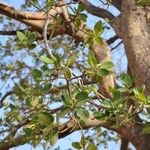
Ficus ovata
Care Guide
💧 Water
☀️ Light Partial sun
The Nepal fig occurs naturally in places like forest understories and rocky terrain, where it grows in shade. It prefers partial sunlight but can tolerate both full sun and full shade, reflecting its adaptable and hardy nature.
🌡️ Temperature 20–37.8°C
The Nepal fig comes from tropical areas, where the weather is usually warm and humid. Consequently, it is adapted to high temperatures and moisture. It is sensitive to sudden temperature shifts and prefers a steady thermal environment, so avoiding indoor temperature fluctuations is important. It typically cannot tolerate cold and needs warmer conditions to grow. If the ambient temperature falls too low, the plant may stop growing or even die.
💨 Humidity
🪴 Soil 6-7
🌱 Fertilizer
Fertilization is vital for caring for the Nepal fig. Regular feeding during the active growing season provides energy for its showy foliage and supports overall development. Neglecting fertilization can lead to unhealthy leaves, reduced ornamental appeal, and stunted or weak growth that is prone to breakage.
🪴 Pot & Repot
✂️ Pruning
🌿 Propagating
🐛 Diseases & pets
☠️ Toxicity
Characteristics
- Plant Type
- Shrub
- Life Cycle
- Perennial
- Genus
- Ficus
- Family
- Moraceae
- Hardiness Zone
- 9-11
- Mature Height
- 4.88 m to 10.06 m
- Mature Spread
- 3.05 m to 4.88 m
- Leaf Color
- Dark Green, Forest Green
- Leaf Type
- Evergreen
- Bloom Time
- Late spring, Summer, Early fall
- Planting Time
- Spring, Summer, Autumn
- Harvest Time
- Late summer, Fall, Early winter
- Native Area
- Nepal, India, Vietnam, Myanmar, Japan, Bhutan, Bangladesh, Pakistan, South Korea, China