Ficus septica
Septic fig
Description
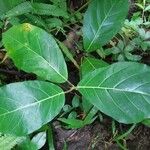
Source: leafsnapFicus septica, commonly known as the septica fig or swamp fig, is a tree species belonging to the family Moraceae. Native to Southeast Asia, it can be found in countries like Indonesia, Malaysia, and Thailand. This tree can grow up to 30 meters tall and features a dense crown of oval-shaped leaves with pointed tips. One of the most distinctive characteristics of Ficus septica is its aerial roots, which grow from its branches towards the ground. These roots eventually develop into secondary trunks, giving the tree a unique appearance. The bark is smooth and greyish-brown in color. Ficus septica thrives in moist soil conditions and is often found near swamps or riversides in its natural habitat. It produces small, greenish-yellow flowers that are followed by equally small, edible fruits approximately 1 cm in diameter. In traditional medicine, various parts of this plant have been used for their medicinal properties, such as treating skin diseases and reducing fever symptoms. Overall, Ficus septica is a fascinating species with its unique aerial root structures and potential medicinal benefits, making it an important component of Southeast Asian flora biodiversity.
Care Guide
💧 Water Every 7 days
The Ivory fig thrives in humid, moisture-rich environments but is also moderately drought-tolerant. It should be watered every 2 to 3 weeks, allowing the soil to dry out slightly between waterings. As an evergreen plant, it is ideal for indoor cultivation, maintaining lush foliage and consistent hydration year-round.
How should I water my Ivory fig tree?
Your Ivory fig doesn't have strict requirements for watering, so you can use a variety of common watering tools like watering cans, hoses, or even cups. It's important to water the plant by directly applying the water to the soil, ensuring that all areas of the soil are moistened equally to nourish the entire root system. Using filtered water is a good idea, as tap water may contain harmful particles. Also, it's best to use water that is at or slightly above room temperature, as extremely cold or hot water can shock the Ivory fig. However, in general, the Ivory fig is resilient and will respond well to any type of water you give it.
What should I do if I give my Ivory fig plant too much or too little water?
Outdoor plants, especially newly planted ones or seedlings, are often at risk of not getting enough water. It's important to remember to water them consistently for the first few months, especially when the tree is still small or recently planted. Once the roots are established, Ivory fig trees can usually rely on rainwater. If you have an Ivory fig planted in a pot, overwatering is more likely to occur. If you accidentally overwater your plant, there are steps you can take to fix the situation. First, immediately stop watering the plant to minimize the negative effects of overwatering. Then, remove the Ivory fig from its pot and inspect its roots. If there are no signs of root rot, you can put the plant back in the pot. However, if there is root rot, trim away the affected roots and consider using a fungicide to prevent further damage. Finally, replant the Ivory fig in well-draining soil. On the other hand, if you underwater your Ivory fig, the fix is relatively simple. The leaves will droop, dry out, and fall off. Once the plant is watered sufficiently, the leaves will quickly regain their fullness. It's important to adjust your watering frequency as soon as you notice signs of underwatering.
How many times should I water my Ivory fig?
Most outdoor plants can grow naturally with rainfall. However, if your area lacks rainfall, you should water your plants adequately every 2 weeks in the spring and fall. In the summer, you will need to water them more often. In the winter, when growth slows down and plants need less water, you can water them sparingly or even not at all. For young or newly planted Ivory figs, more frequent watering is necessary to help them establish and grow into drought-tolerant plants. When it comes to potted Ivory figs, there are two main approaches to determining watering frequency. One option is to follow a set schedule, such as watering once every week or every other week. However, this may not always be suitable as it doesn't take into account the specific growing conditions for your Ivory fig. Another approach is to determine watering frequency based on soil moisture. It is generally best to wait until the top two to four inches of soil (about 1/3 to 1/2 the depth of the pots) have completely dried out before watering again. The watering frequency may need to be adjusted during summer when the plant's water needs are higher.
How much water does my Ivory fig tree need?
To water your Ivory fig, you don't always need a lot of water. If the soil has only dried a few inches since the last watering, give it about five to ten ounces of water. You can adjust the amount based on how dry the soil is. If more than half of the soil is dry, give it more water until you see excess water draining from the pot. If your Ivory fig is outside and gets plenty of rain, it may not need extra watering. When it's young, make sure it gets 1-2 inches of rain per week. As it grows, it can rely on rainwater, but if there's no rain for 2-3 weeks during hot weather, give it a thorough watering to prevent stress.
How do I know if I'm giving enough water to my Ivory fig?
The Ivory fig is often overwatered, and there are clear signs to watch out for. When overwatered, the leaves will turn yellow and some may fall off. Overwatering can also cause the plant to shrivel and lead to root rot. Conversely, an underwatered Ivory fig will start to droop and may have brown or brittle leaves. Regardless of whether you see signs of overwatering or underwatering, it's important to take action and restore the health of your Ivory fig.
☀️ Light Partial sun
The Ivory fig prefers a spot where sunlight reaches it without obstruction, flourishing when it is fully exposed to the sun. In its native habitat it grows in areas where the sun's rays pass through unfiltered all day. However, too much or too little light can adversely affect its growth and overall health.
What are the sunlight requirements for Ivory fig plants?
Ivory fig plants thrive in locations where they can be entirely exposed to sunlight, requiring above 6 hours of sunlight daily to maintain optimal growth and health. It's crucial to watch how sunlight moves through your garden or indoor space, choosing spots that offer a perfect balance of light and shade. In their native habitat, Ivory figs grow in areas where sun rays penetrate unfiltered throughout the day. However, too much or too little light can negatively affect the plant's growth and health.
How can artificial lighting be used for Ivory fig plants?
Artificial lighting can be crucial for Ivory fig plants' growth, especially when natural sunlight is insufficient, like in winter or less sunny spaces. Indoor plants benefit from artificial lights, promoting faster, healthier growth. LED lights, customizable to provide specific wavelengths of light, are popular for indoor plant lighting. Full sun plants require 30-50W/sq ft, partial sun plants need 20-30W/sq ft, and full shade plants need 10-20W/sq ft of artificial light. The light source should be placed 12-36 inches above the plant, imitating natural sunlight, and plants generally need 8-12 hours of light per day.
What are some common symptoms of improper light conditions in Ivory fig plants?
Ivory fig plants, when exposed to improper light conditions, show easily recognizable symptoms. Insufficient light leads to small new leaves, leggy or sparse growth, faster leaf drop, slowed or halted growth, and lighter-colored or yellowing new leaves (chlorosis). Excessive sunlight exposure can cause sunscald, leaf curling, wilting, and leaf scorching. These symptoms can reduce the plant's overall health and growth potential.
What solutions can help improve light conditions for Ivory fig plants?
To improve light conditions for Ivory fig plants, gradually acclimate them to their optimal light environment. If indoors, move the plant to a sunnier location each week until it receives at least 6 hours of direct sunlight daily, utilizing a south-facing window for maximum natural light. Consider artificial lighting for additional support. Outdoors, move plants gradually to sunnier spots to avoid sunburn. Removing obstructions or transplanting to a sunnier location can enhance sunlight exposure. Note that parts of the plant damaged by insufficient sunlight might not recover, but new growth should be healthy once conditions improve.
🌡️ Temperature 20–35°C
Ivory fig originates from climates with temperatures ranging from 68 to 95 °F (20 to 35 ℃). It does well throughout that range in its native surroundings. When seasonal temperatures change, make sure the warmth can be regulated accordingly to suit its needs.
What is the ideal temperature range for an Ivory Fig?
The Ivory Fig thrives in temperatures between 68 to 95°F (20 to 35°C), which is its natural habitat range. It is a heat-loving plant that can be negatively affected by cold temperatures. During colder months, especially in autumn, it's advisable to bring the Ivory Fig indoors to ensure it stays warm, ideally above 20°C. Keep the plant near a bright window but away from direct heat sources like heaters to avoid damage. Temperatures nearing 5°C or lower are harmful to the plant.
How do you care for an Ivory Fig during low temperatures?
In low temperatures, the Ivory Fig's leaves may lighten in color, and exposure to temperatures below 1°C can result in frost damage, turning the leaves brown or black and causing wilting or drooping. To care for a frost-damaged Ivory Fig, trim off the damaged parts and move the plant to a warm, indoor environment away from cold draughts. Positioning the plant near a south-facing window ensures it receives ample sunlight, which is beneficial for its recovery. However, it's important to avoid placing it near heat sources like heaters or air conditioning vents, as this could cause excessive dryness.
What should you do if the Ivory Fig is exposed to high temperatures?
During the summer, it's crucial to keep the Ivory Fig's temperature below 95°F (35°C). Exposure to temperatures above 105°F (41°C) can cause the leaves to lighten and increase the risk of sunburn. To mitigate the damage from high temperatures, trim away sunburned and dried-up parts. Relocate the plant to a spot where it’s protected from the harsh midday and afternoon sun. Watering the plant in the morning and evening helps maintain moisture in the soil, aiding in the plant's recovery from exposure to high temperatures.
💨 Humidity normal (40-60%)
This plant will thrive in moderate humidity, which is probably the level in your home. However, misting it a few times a week can be very beneficial. Make sure the room has good ventilation.
🪴 Soil 6-7
🌱 Fertilizer
Fertilization is essential for the care of the Ivory fig. Regular feeding during the growing season preserves the energy needed for its showy leaves and supports overall growth. Neglecting fertilization can lead to unhealthy leaves, decreased ornamental appeal, and stunted or weak growth that is prone to breakage.
🪴 Pot & Repot
✂️ Pruning
The ivory fig is known for its lush leaves and rapid growth. To keep it healthy, it's best to prune strategically in the early to late winter while the plant is dormant. During pruning, focus on removing dead branches, improving air circulation, and maintaining the desired shape of the plant. Regular pruning helps enhance sunlight penetration, stimulates strong growth, and encourages flowering and fruiting.
🌿 Propagating
🐛 Diseases & pets
☠️ Toxicity
Characteristics
- Plant Type
- Tree, Shrub
- Life Cycle
- Perennial
- Genus
- Ficus
- Family
- Moraceae
- Hardiness Zone
- 10
- Mature Height
- 24.99 m
- Mature Spread
- 3.05 m to 6.1 m
- Leaf Color
- Dark Green, Forest Green
- Leaf Type
- Evergreen
- Bloom Time
- All year round
- Planting Time
- Spring, Summer, Autumn
- Harvest Time
- All year round
- Native Area
- India, Malaysia, Indonesia, Vietnam, Japan, Vanuatu, Philippines, Laos, China