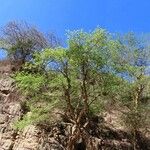
Ficus sycomorus
Sycomore · Pharoah fig · Mulberry fig · Sycamore fig · Sycamore ficus
Description
Source: leafsnapFicus sycomorus, called the sycamore fig or the fig-mulberry (because the leaves resemble those of the mulberry), sycamore, or sycomore, is a fig species that has been cultivated since ancient times.The term sycamore spelled with an A has also been used for unrelated trees: the great maple, Acer pseudoplatanus, or plane trees, Platanus. The spelling "sycomore", with an O rather than an A as the second vowel is, if used, specific to Ficus sycomorus.
Care Guide
💧 Water Every 7 days
The sycamore fig flourishes in tropical rainforests, where the environment is characterized by high humidity and frequent rainfall. It prefers conditions with balanced moisture. When grown indoors, water the plant every 2-3 weeks. As an evergreen, the sycamore fig remains lush throughout the year, making it an excellent choice for indoor containers that provide the necessary humidity.
What's the best way to water my Sycamore fig tree?
Your Sycamore fig doesn't require specific watering methods, so you can use various tools like watering cans, hoses, or even cups. Just make sure to apply the water directly to the soil, and try to distribute it evenly to all parts of the root system. It's better to use filtered water as tap water may have harmful particles. Also, using water that is at or slightly above room temperature is preferable, as very cold or hot water may shock the Sycamore fig. However, generally, the Sycamore fig isn't too particular about the type of water it receives.
What should I do if I give my Sycamore fig tree too much or too little water?
Outdoor plants, especially newly planted ones or seedlings, are prone to lack of watering. It's important to consistently water them for the first few months, especially when they are small or recently planted. Once the roots are established, Sycamore figs can usually rely on rain for hydration. When Sycamore figs are planted in pots, overwatering is more likely. If you accidentally overwater your Sycamore fig, take immediate action. Stop watering it right away to minimize the impact of overwatering. Then, remove the plant from its pot and examine the roots. If there are no signs of root rot, you can return the plant to its container. However, if you find any affected roots, trim them away and consider applying a fungicide to prevent further damage. Finally, repot the Sycamore fig in well-draining soil. On the other hand, underwatering is a simpler problem to address. If you notice that the plant's leaves are drooping, drying out, and falling off, it's a sign of underwatering. Simply water the plant more frequently, and the leaves will regain their fullness. Make sure to adjust your watering frequency as soon as you notice underwatering.
How frequently should I give water to my Sycamore fig tree?
To ensure healthy growth for outdoor plants, natural rainfall is usually sufficient. However, in areas with limited rainfall, it is important to provide adequate watering every 2 weeks in spring and fall, and more frequent watering during summer. In winter, when plants require less water due to slower growth, reduce watering. For Sycamore figs, young or newly planted ones need more frequent watering to help establish growth and become more adaptable to drought conditions. For potted plants, there are two main methods to determine watering frequency for Sycamore figs. The first is to follow a predetermined watering schedule, which would typically be once a week or once every other week. However, this approach may not always be accurate as it does not consider the specific growing conditions of your Sycamore fig. Watering frequency can also vary depending on the season. During summer, when water needs are highest, a predetermined schedule may not be sufficient. An alternative method is to base watering frequency on soil moisture. It is generally recommended to wait until the top two to four inches of soil (about ⅓ to ½ depth of the pots) have completely dried out before watering again.
How much water does my Sycamore fig tree require?
To water your Sycamore fig effectively, you don't always need to use a large amount of water. If only a few inches of soil have dried since your last watering, give it about five to ten ounces of water each time. You can also gauge how much water to use based on the moisture of the soil. Keep track of how many inches of soil have dried out between waterings. To ensure your Sycamore fig receives enough moisture, water it enough to wet all the dry soil layers since the last watering. If more than half of the soil is dry, consider giving it more water than usual and continue until you see excess water draining from the pot's holes. If your Sycamore fig is outdoors and receives sufficient rainfall, additional watering may not be necessary. When it is young or newly planted, make sure it gets 1-2 inches of rain per week. As it grows and establishes, it can rely on rainwater, only needing a full watering if there is no rainfall for 2-3 weeks during hot weather to prevent stress.
How do I know if I'm giving enough water to my Sycamore fig plant?
Overwatering is a common problem for Sycamore figs, and there are signs to watch for. If your Sycamore fig is overwatered, you may notice yellowing leaves and leaf drop. Overwatering can also cause the plant to shrivel and promote root rot. On the other hand, an underwatered Sycamore fig will start to wilt and have brown or brittle leaves. Whether you see signs of overwatering or underwatering, it's important to intervene and restore the plant's health.
☀️ Light Full sun
Sycamore fig is native to open habitats, such as sunny meadows and forest edges, which supply abundant light. It thrives in Full Sun but can also tolerate Partial Sun, adapting well to various sunlight conditions.
What are the sunlight requirements for a Sycamore fig?
The Sycamore fig requires full sun exposure of more than 6 hours of sunlight a day but can also thrive in partial sun, receiving about 3-6 hours of sunlight. This adaptability makes it suitable for various growing conditions related to sunlight. It’s important to monitor the sunlight in your garden to ensure your plants receive the perfect balance of light and shade for optimal growth.
How does a Sycamore fig adapt to its environment?
Originating from open environments like sunny meadows and forest edges, the Sycamore fig is naturally adapted to ample light conditions. It thrives best in full sun but is also capable of tolerating partial sun, making it versatile in its ability to grow under varying sunlight conditions. The plant can adjust to different intensities of sunlight, reflecting its resilience and adaptability in nature.
What artificial lighting requirements do indoor Sycamore fig plants have?
Indoor Sycamore fig plants require adequate lighting, especially when natural sunlight is limited. Artificial lights, such as LEDs, are recommended because they can be customized to provide specific wavelengths needed by the plant. Full sun plants need 30-50W/sq ft of light, partial sun plants 20-30W/sq ft, and full shade plants 10-20W/sq ft. The light source should be placed 12-36 inches above the plant for 8-12 hours a day to mimic natural sunlight conditions and promote healthy growth.
What are the symptoms of inadequate sunlight for a Sycamore fig?
When a Sycamore fig doesn't receive enough sunlight, it exhibits several symptoms indicating light deficiency. These include smaller new leaves, leggy or sparse growth, faster leaf drop, slower or halted growth, pale new leaves, chlorosis, sunscald, leaf curling, wilting, and leaf scorching. These symptoms highlight the plant's struggle to adapt to insufficient light, affecting its health and growth.
How can I address insufficient sunlight for my Sycamore fig?
To address insufficient sunlight for a Sycamore fig, gradually increase its exposure to direct sunlight, aiming for at least 6 hours daily. Indoors, use south-facing windows or artificial plant grow lights for additional light. Outdoors, move your plant to sunnier locations progressively to avoid sunburn. If trees block sunlight, consider pruning. For ground plants, transplanting during the dormant period to a sunnier location with good drainage might be necessary. Remember, while new growth will benefit from these changes, parts already affected may not recover.
🌡️ Temperature 20–37.8°C
Sycamore fig has good heat adaptability, capable of withstanding higher temperatures and wider temperature fluctuations. In hot conditions, it is important to manage watering and provide adequate shade to avoid sunburn. However, Sycamore fig is fairly sensitive to cold. While it can tolerate some chill, very low temperatures may cause frost damage.
💨 Humidity dry (<40%)
This plant prefers dry conditions, so don't mist it. However, watering it less often can also thrive in higher humidity.
🪴 Soil 6-7
🌱 Fertilizer
The Sycamore fig plant needs adequate nutrients to achieve optimal fruit production. Fertilize in early spring to support new growth and bloom development. Regular feeding keeps the plant healthy, promotes the production of more delicious fruit, and prevents nutrient-deficiency issues like yellowing leaves and poor fruit production.
🪴 Pot & Repot Every 12 months
✂️ Pruning
The sycamore fig is a sturdy tree with a wide canopy and produces edible fruits. It is recommended to prune the tree from early to late winter. Pruning helps shape its growth, remove dead branches, and improve airflow. This practice enhances fruit production, reduces sap loss, and maintains the tree at a manageable size for both aesthetics and health.
🌿 Propagating
🐛 Diseases & pets
☠️ Toxicity
Characteristics
- Plant Type
- Tree, Shrub
- Life Cycle
- Perennial
- Genus
- Ficus
- Family
- Moraceae
- Hardiness Zone
- 9-11
- Mature Height
- 20.12 m
- Mature Spread
- 35.05 m
- Leaf Color
- Green
- Leaf Type
- Evergreen
- Bloom Time
- Late spring, Summer, Early fall, Mid fall
- Planting Time
- Spring, Summer, Autumn
- Harvest Time
- Mid summer, Late summer, Fall, Early winter