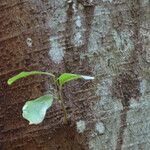
Ficus thonningii
Small figtree · Chinese banyan · Fig · Giant forest fig · Common wild fig
Description
Source: leafsnapFicus thonningii is a species of Ficus. It is native to Africa. It is commonly known as Mugumo to the Agikuyu or the Strangler Fig in common English. Recent phylogenetic analysis suggests it may be a species complex. The species has diverse economic and environmental uses across many faming and pastoral communities in Africa. In some dryland areas in Africa for example, it is a very good source of dry season livestock fodder, because it produces highly nutritious foliage in large amounts all year round. Parts of the plant edible for livestock include, leaves, twigs and barks, and their nutirional value varies with season
Care Guide
💧 Water
Strangler figs, originally from tropical rainforests, thrive in high humidity and consistent moisture but can tolerate moderate drought conditions. When caring for them, water every three weeks, allowing the soil to dry out slightly between waterings. As indoor evergreens, they benefit from regular misting to mimic their naturally humid environment.
How should I water my Strangler Fig plant in the best way?
To ensure excellent root development, place a garden hose at the base of your plants. Avoid spraying the leaves directly and keep in mind that outdoor plants in direct sunlight will need more water. Consider using bubblers or soaker hoses to keep the roots moist. When adding or removing plants, use soaker hoses that cover the entire garden or bed to help roots grow deep. After watering, drain any excess water and allow the soil to dry before watering again. Water at ground level to prevent diseases. On sunny days, it's helpful to spray the entire bush with water. Whether your Strangler Fig is potted or in the ground, remember that it prefers deep watering rather than light sprinkling.
What should I do if I give Strangler Fig plant too much or too little water?
When a Strangler Fig is overwatered, it may develop yellow leaves that eventually drop off and wilt. The plant may also appear dull and unhealthy, with mushy stems indicating excessive watering. In such cases, it's advisable to adjust your watering schedule. Interestingly, wilting can also occur due to underwatering, which causes the leaves to become crispy and dry. To address this, check the soil's moisture level and water it thoroughly when dry. However, even with sufficient water, the plant may continue to display dryness and yellowing leaves due to root damage. Once the roots recover, the yellowing will stop. When you have a Strangler Fig indoors, always monitor the moisture levels in the pot and avoid overwatering. Look out for black spots on the leaves, and if present, allow the soil to dry out by refraining from watering for a few days. Overwatering can lead to root rot, so transferring the plant to a different pot may be necessary if you observe discolored and slimy roots. Remember to prevent root rot by avoiding excessively soggy soil. When planting a Strangler Fig outdoors, make sure to check the soil's moisture level by digging a little deeper with your fingers. If it feels too dry, it indicates underwatering, so water the plant adequately to help it recover.
How often should I give water to my Strangler Fig?
The Strangler Fig thrives on deep and infrequent watering, especially when planted in pots. To ensure proper hydration, soak them in a gallon of water each time. Due to limited water storage, potted plants dry out faster and require watering every 3 to 5 days in colder regions. Ideally, water them early in the morning when the soil is dry, both indoors and outdoors. You can check the soil's moisture level by examining the top 2-3 inches, and if it's dry, give the plant a thorough watering. During hot days, monitor the soil daily as heat can quickly dry it out. If you have a garden, irrigation of the soil is crucial, especially in hot climates where watering once a week is recommended. However, be cautious not to overwater, considering the amount of rainwater received to prevent root rot. Strangler Fig typically grows during spring and fall, so adding a 3 to 4-inch layer of mulch outdoors helps conserve water. Sandy soil requires more frequent watering due to its fast draining properties, whereas clay soil allows for longer intervals between watering, typically 2-3 days. Keeping track of watering dates on a calendar and observing drooping leaves can help gauge when it's time to water.
How much water should I give my Strangler Fig plant?
The Strangler Fig plant has specific watering needs. For potted plants, water them deeply until water drips from the bottom of the pot, then wait for the soil to dry before watering again. You can use a water calculator or moisture meter to track the amount you give your plant each week. During the flowering period, provide ample water, but allow the soil to dry out to prevent root rot. If you have planted the Strangler Fig outside and it receives sufficient rainfall, additional watering may not be necessary. However, when the plant is young or newly planted, aim for 1-2 inches of rain per week. As the Strangler Fig grows, it can rely solely on rainfall, except during hot weather or prolonged dry periods of 2-3 weeks. In such cases, water the plant thoroughly during cooler times of the day to avoid heat-related damage. Remember to provide extra water during extended droughts.
Should I water my Strangler Fig more or less depending on the time of year or the weather?
The Strangler Fig prefers being outdoors, but it can tolerate dry weather as long as it gets occasional watering. During the spring and fall, it needs consistently moist soil but not overly wet. Alternating dry and moist soil conditions are beneficial for its growth. In the summer, hot weather can cause water to evaporate quickly, so if there is a lack of rainfall, additional watering is necessary to keep the soil moist. During winter, the Strangler Fig needs less water because it goes dormant and drops its leaves. Using a well-draining soil mixture like terracotta can help the water evaporate faster. Once it begins to leaf out and go dormant, watering can be skipped, and the plant can rely on fall and winter rains. When cultivating the Strangler Fig, good drainage is crucial, especially during winter, as the plant dislikes excessive moisture. In pots, the plant's root growth is limited, so regular watering, particularly during summer, is important. Deep soaking the entire root system once or twice a week, depending on the weather, is recommended instead of shallow sprinkles. It's essential to keep the plant from drying out completely in the fall or winter, even during dormancy. Avoid overwatering, as sitting in water for too long can be detrimental, especially during winter. Adding mulch can help reduce stress, conserve water, and promote healthy blooms.
☀️ Light Full sun
The Strangler Fig does best with a moderate amount of sunlight each day, similar to the light beneath tree canopies in its native ecosystems. Adequate sun supports healthy growth, while too much or none at all can be harmful, causing leaf damage or reduced vigor.
What are the sunlight requirements for a Strangler Fig?
The Strangler Fig requires a moderate amount of sunlight each day, similar to the dappled conditions found under tree canopies in its natural habitat. It thrives with about 3-6 hours of sunlight. Insufficient or excessive sunlight can harm the plant, causing issues such as leaf damage or weakened vitality. To ensure the plant receives the right amount of light, it's essential to watch how sunlight moves through your garden or indoor space and choose locations that offer a good balance of light and shade.
Can artificial lighting be used for Strangler Figs and how?
Yes, artificial lighting can be a vital solution for Strangler Figs, especially when natural sunlight is insufficient. Indoor plants benefit from artificial lights, which promote faster and healthier growth by providing the necessary wavelengths of light. LED lights are recommended due to their customization and efficiency. For full sun plants, 30-50W/sq ft is needed, partial sun plants require 20-30W/sq ft, and full shade plants should have 10-20W/sq ft of artificial light. The light source should be placed 12-36 inches above the plant to mimic natural sunlight and be kept on for 8-12 hours per day to imitate natural daylight hours accurately.
What are common symptoms of inappropriate light exposure in Strangler Figs?
Strangler Figs display several symptoms when exposed to inadequate light conditions. These include smaller new leaves, leggy or sparse growth, faster leaf drop, slower or halted growth, lighter-colored new leaves, chlorosis, sunscald, leaf curling, wilting, and leaf scorching. These symptoms arise from either too little or too much light, affecting the plant's ability to photosynthesize properly and maintain its health.
How can I solve light exposure problems for my Strangler Fig?
To optimize growth and solve light exposure issues for your Strangler Fig, gradually adapt the plant to changing light conditions by shifting it to progressively sunnier spots each week until it receives the ideal 3-6 hours of direct sunlight daily. If moving the plant isn't feasible, consider using artificial lights such as desk, ceiling lamps, or professional grow lights for at least 8 hours daily. Outdoors, avoid sudden changes in light intensity to prevent sunburn. If sunlight is obstructed, start by identifying and reducing barriers like overhanging branches, and for smaller plants, consider transplanting during their dormant period to a location with better sunlight and drainage.
🌡️ Temperature 20–37.8°C
Strangler Fig does best in its native habitat at temperatures of 68 to 100 °F (20 to 38 ℃). It favors a warm climate and may need temperature control during cooler seasons.
What is the ideal temperature range for Strangler Fig?
The Strangler Fig thrives in warm climates, preferring temperatures between 68°F (20°C) and 100°F (38°C). It loves heat and can be sensitive to cold, requiring temperature regulation in cooler seasons. During the autumn, it is advisable to move outdoor plants indoors, near a bright window, but away from direct heat sources like heaters. Keeping the temperature above 20°C during winter supports its growth, while temperatures near 0°C can harm the plant.
How does low temperature affect Strangler Fig and what should I do?
Strangler Fig prefers warm temperatures and struggles with cold. It thrives best above 20°C, and during winter, temperatures should remain above 0°C. Exposure to temperatures below -5°C can cause the leaves to lighten in color. Following frost damage, leaves may turn brown or black, exhibiting signs of wilting and drooping. To manage frost damage, trim away the damaged parts and move the plant to a warm, sunny spot indoors, preferably near a south-facing window. It's important to avoid placing it too close to heaters or air conditioners to prevent air dryness.
What should I do if the Strangler Fig experiences high temperatures?
During the summer, it's crucial to keep the Strangler Fig's temperature below 38°C. If temperatures exceed 43°C, the plant can suffer from lighter leaf color and increase susceptibility to sunburn. In such instances, remove any sunburned or dried parts and relocate the plant to a shaded area during the intense midday and afternoon sun. Ensure the soil remains moist by watering the plant in the morning and evening.
💨 Humidity
🪴 Soil 6-7
🌱 Fertilizer
Fertilizing is essential for caring for a Strangler Fig. Regular feeding during the active growing season preserves the energy required for its showy foliage and supports overall growth. Skipping fertilization can cause unhealthy leaves, reduced ornamental value, and stunted or weak growth that is more likely to break.
🪴 Pot & Repot
✂️ Pruning
The Strangler Fig is known for its rapid growth and aerial roots, necessitating regular pruning in early spring to manage its size. To promote better airflow and sunlight, remove any overcrowded branches. Make sure your cuts are clean to prevent disease, and avoid excessive pruning to maintain the plant's overall health.
🌿 Propagating
🐛 Diseases & pets
☠️ Toxicity
Characteristics
- Plant Type
- Vine, Shrub
- Life Cycle
- Perennial
- Genus
- Ficus
- Family
- Moraceae
- Hardiness Zone
- 9-11
- Mature Height
- 6.1 m to 21.03 m
- Mature Spread
- 4.88 m to 20.12 m
- Leaf Color
- Dark Green, Forest Green
- Leaf Type
- Evergreen
- Flower Color
- White
- Flower Size
- 0.76 cm to 1.52 cm
- Bloom Time
- All year round
- Planting Time
- Spring, Summer, Autumn
- Harvest Time
- All year round
- Native Area
- Burkina Faso, Angola, Namibia, Rwanda, Eritrea, Nigeria, Kenya, Niger, Uganda, Tanzania, Zimbabwe, Mali, Guinea-Bissau, Benin, Sierra Leone, Cameroon, Liberia, Mozambique, Burundi, Ghana, Ethiopia, Botswana, Congo, Central African Republic, Malawi, South Africa, Zambia, Sudan, Guinea, Chad, Togo, Senegal, Eswatini, Côte d'Ivoire, Gambia, Congo (DRC), Gabon