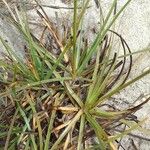
Fimbristylis dichotoma
Common fringe-rush · Forked fimbry · Lesser fimbristylis · Tall fringe-rush · Two-leaf fimbristylis
Description
Source: leafsnapFimbristylis dichotoma, commonly known as the Knotted Beakrush, is a perennial herb belonging to the Cyperaceae family. Native to Asia, it thrives in wetlands, marshes, and along riverbanks. The plant features a slender stem that can reach up to 60 cm in height, with narrow leaves around 1-2 mm wide. Its flowers are small and brownish-green, forming spikelets that cluster at the ends of the stems. Fimbristylis dichotoma plays a crucial role in wetland conservation by helping to stabilize soil and prevent erosion. Additionally, it provides essential habitat for various aquatic animals, including fish and insects. Traditional healers in Asia have long recognized its medicinal properties, using it to treat ailments such as fever, diarrhea, and dysentery.
Care Guide
💧 Water Every 7 days
Forked fimbry, a plant native to wetlands, thrives in moist and saturated soils, requiring weekly watering to maintain its health. It flourishes in outdoor settings such as rain gardens, where it supports local ecosystems by sustaining water cycles. Its natural preference for damp environments makes it an ideal choice for moisture-rich landscapes.
☀️ Light Full sun
Forked fimbry thrives unobstructed beneath an open sky that lets it receive abundant sunlight. It can survive under a somewhat clouded sky, but this may limit its growth. Coming from habitats with strong solar exposure, too much or too little light can cause health problems.
What are the sunlight requirements for Forked Fimbry?
Forked Fimbry thrives in full sun, requiring above 6 hours of sunlight daily, but it can also survive in partial sun, with about 3-6 hours of sunlight. The plant originates from habitats with rich solar radiation, and maintaining the right balance of light and shade is crucial to its health. Excessive or insufficient exposure could lead to various health problems. It's important to observe how sunlight moves through your garden to ensure plants receive the optimal amount of sunlight.
What essentials should be considered for growing Forked Fimbry?
Growing Forked Fimbry successfully involves ensuring it receives copious amounts of sunshine. In conditions where natural sunlight is insufficient, especially during winter or in less sunny spaces, using artificial lighting can be vital. LED lights are a preferred choice for artificial lighting, providing specific wavelengths necessary for plant growth. The amount of artificial light required varies: 30-50W/sq ft for full sun plants, 20-30W/sq ft for partial sun plants, and 10-20W/sq ft for full shade plants. The correct placement and duration of light exposure, mimicking natural daylight hours, are essential for promoting healthy plant growth.
What are the symptoms of insufficient light for Forked Fimbry?
Symptoms of insufficient light in Forked Fimbry include smaller new leaves, leggy or sparse growth, faster leaf drop, and slower or no new growth, indicating the plant is in survival mode due to poor light conditions. Leaves may also develop paler coloration or patterns, a symptom known as chlorosis, caused by a breakdown of chlorophyll from excessive sunlight or lack thereof. Other symptoms like sunscald, leaf curling, wilting, and leaf scorching may occur due to excessive sunlight, indicating the importance of regulating light exposure for the plant's health.
How can I address light-related issues in Forked Fimbry?
To address light-related issues in Forked Fimbry, gradually increase exposure to sunlight by moving it to a sunnier location each week until it receives at least 6 hours of direct sunlight daily. For indoor plants, consider using artificial light if repositioning is not feasible, ensuring at least 8 hours of light exposure daily. For outdoor plants, avoid sudden changes in light intensity to prevent sunburn. Reducing obstructions that block sunlight and transplanting smaller plants to sunnier locations can also improve light exposure. Note that parts of the plant affected by insufficient sunlight may not recover, but new growth should be healthy after adjusting light exposure.
🌡️ Temperature 15–37.8°C
Forked fimbry comes from tropical areas, where the climate is usually warm and humid. Consequently, it is adapted to high temperatures and moisture. It does not tolerate sudden temperature shifts and prefers a consistent thermal environment, so indoor temperature fluctuations should be avoided. It typically cannot withstand cold and needs warmer conditions to grow. If the surrounding temperature falls too low, the plant may stop growing or even die.
💨 Humidity
🪴 Soil 6-8
🌱 Fertilizer
Forked fimbry needs extra nutrients to encourage healthy new growth. In spring, placing compost around the plant’s base can effectively supply the nutrition it requires. Fertilizing supports vigorous growth and helps the plant resist diseases and pests.
🪴 Pot & Repot
✂️ Pruning
Forked fimbry has a tufted, grass-like appearance with slender stems and forked flower clusters. To promote healthy growth, enhance its appearance, prevent overcrowding, and improve light and air circulation, prune in early spring by removing any dead stems.
🌿 Propagating
🐛 Diseases & pets
☠️ Toxicity
Characteristics
- Plant Type
- Grass
- Life Cycle
- Perennial, Annual
- Genus
- Fimbristylis
- Family
- Cyperaceae
- Hardiness Zone
- 8-11
- Mature Height
- 15 cm to 49 cm
- Mature Spread
- 30 cm
- Leaf Color
- Green
- Leaf Type
- Evergreen
- Flower Color
- Yellow, Green, Purple, Brown
- Flower Size
- 0.25 cm
- Bloom Time
- Summer, Early fall, Mid fall
- Planting Time
- Spring, Summer, Autumn
- Harvest Time
- Late summer, Fall, Early winter
- Native Area
- Burkina Faso, Sri Lanka, Belize, India, Mexico, Guatemala, Madagascar, Pakistan, Dominican Republic, Nigeria, Guinea-Bissau, Fiji, Uganda, Tanzania, Benin, Paraguay, Sierra Leone, Haiti, Cameroon, Mozambique, Koppen, Ethiopia, Suriname, Malawi, Saudi Arabia, Honduras, Peru, Philippines, Bangladesh, Panama, China, Chad, Colombia, Afghanistan, Kazakhstan, Japan, Togo, El Salvador, Senegal, Eswatini, Ecuador, Gambia, Costa Rica, Angola, Vanuatu, Namibia, Eritrea, Rwanda, Kenya, Niger, Jamaica, Zimbabwe, Uzbekistan, Yemen, Mali, Uruguay, Cuba, Argentina, Cambodia, Burundi, Equatorial Guinea, Liberia, Venezuela, Brazil, Ghana, South Korea, Botswana, Congo, Nepal, Tajikistan, Georgia, Mauritania, Sudan, Zambia, Mauritius, Guinea, Bahamas, Bolivia, Vietnam, Guyana, Nicaragua, Thailand, Gabon