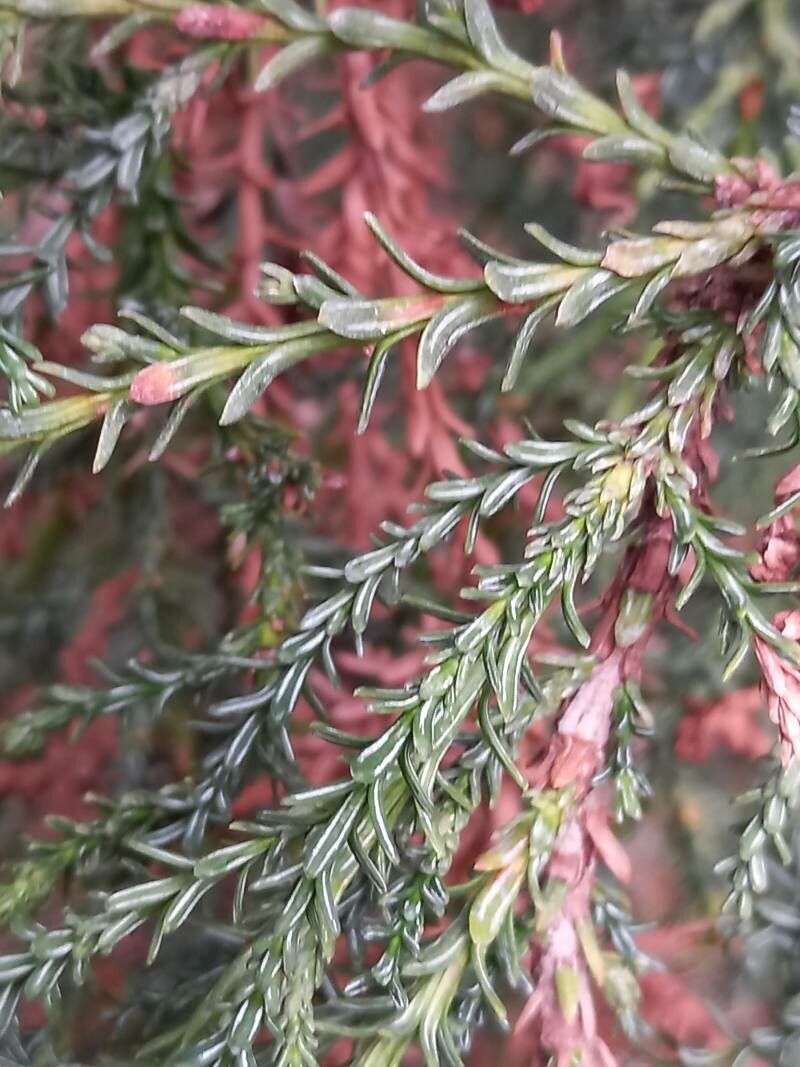
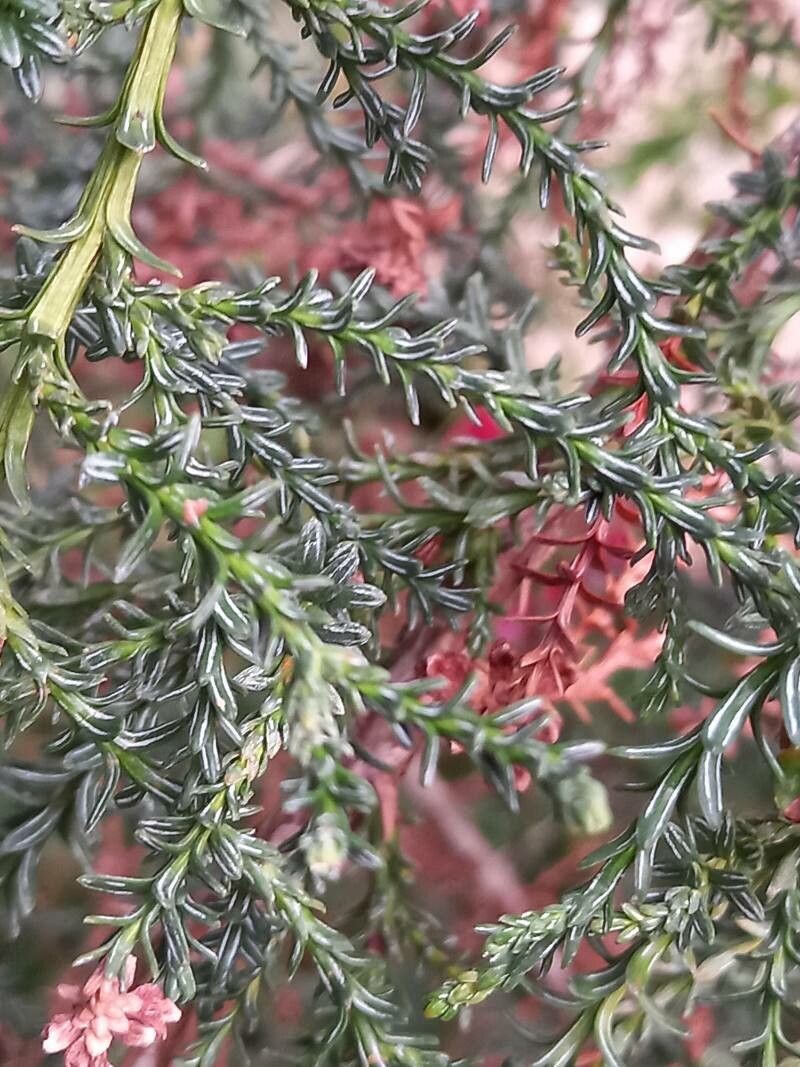
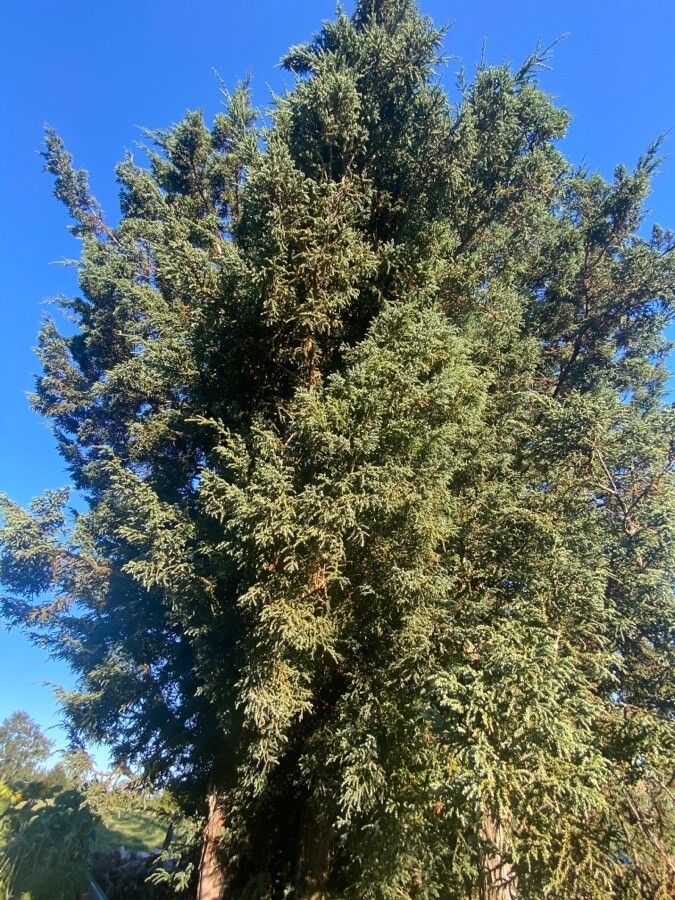
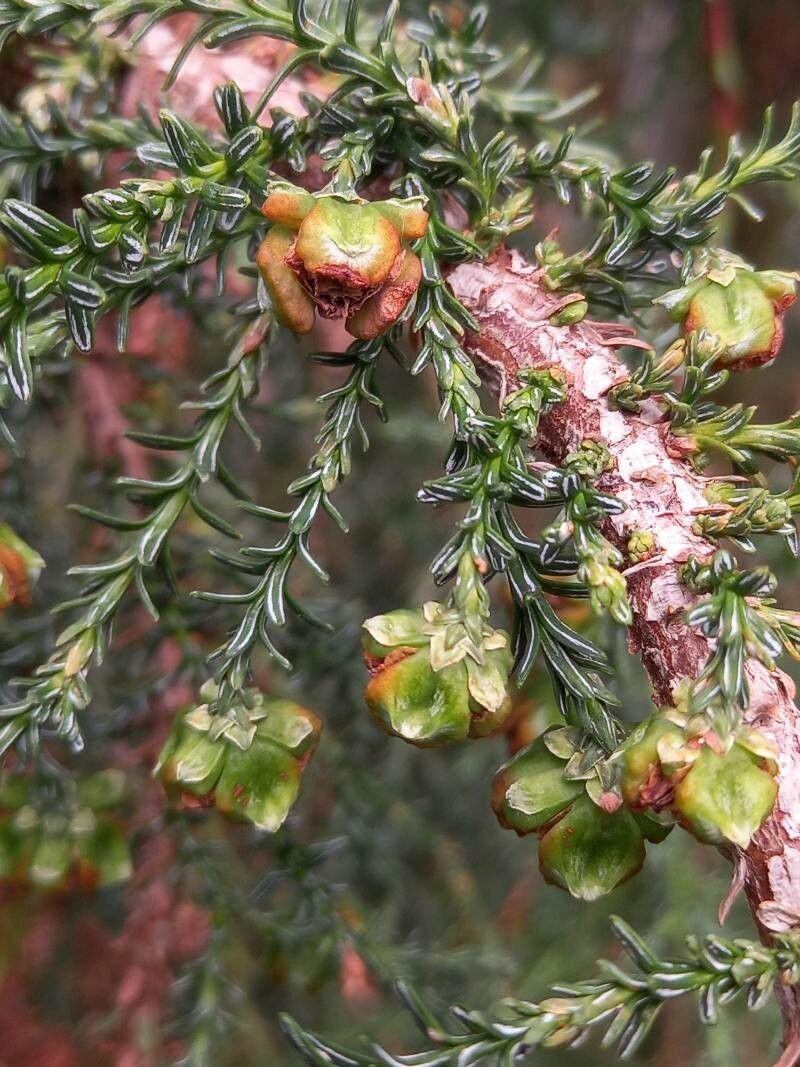
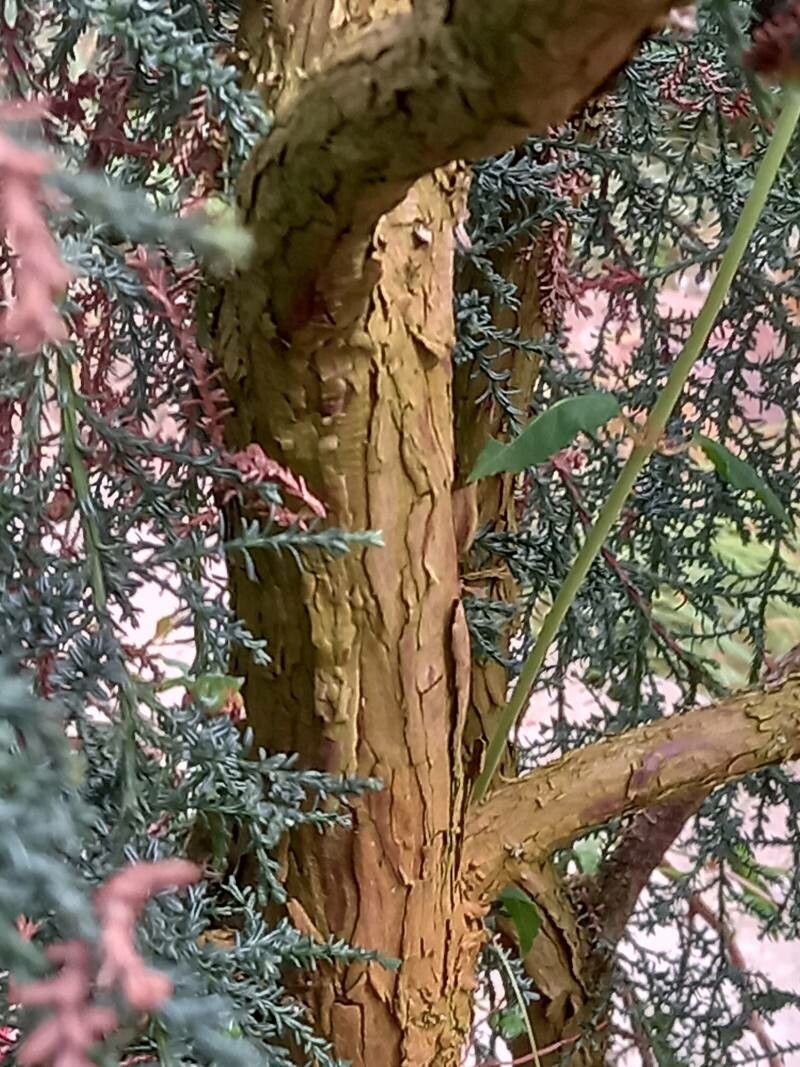
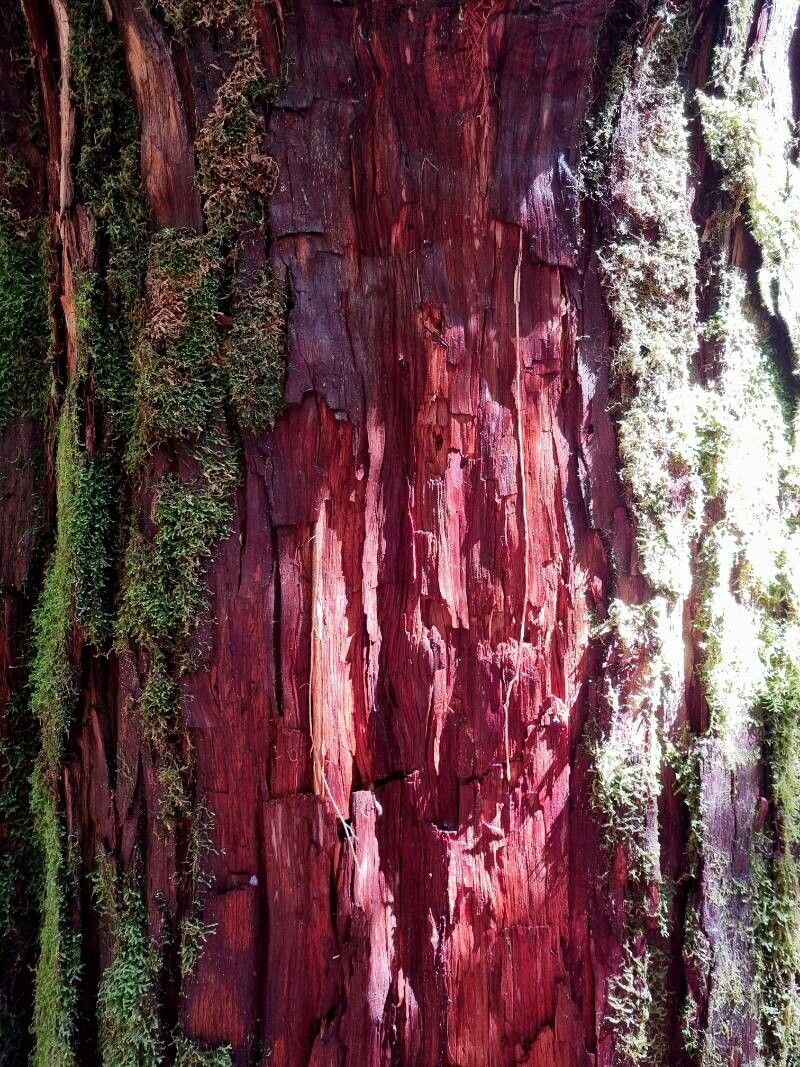
Fitzroya cupressoides, commonly known as the Chilean cedar or alerce, is a coniferous tree native to the Andes mountains of southern Chile and Argentina. It ranks among the longest-lived trees globally, with some specimens estimated to be over 3,000 years old. The tree can reach heights of up to 60 meters and features a distinctive conical shape with a narrow crown. Its bark is thick and fibrous, with deep fissures that provide habitat for various insect and bird species.
The wood of Fitzroya cupressoides has been highly valued for centuries due to its durability and resistance to decay. It was extensively used in shipbuilding during colonial times but is now legally protected due to overexploitation.
The alerce forests, where Fitzroya cupressoides thrives, are considered important ecological hotspots due to their high levels of biodiversity. They are home to many endemic plant species and rare animals such as pudús (the world's smallest deer) and huemuls (an endangered deer species).
Despite legal protection in both Chile and Argentina, illegal logging continues to threaten Fitzroya cupressoides populations. Conservation efforts are ongoing but face challenges, including limited resources for monitoring illegal activities in remote areas.
Overall, Fitzroya cupressoides plays a crucial ecological role in its native habitat and holds cultural significance for indigenous communities who have utilized it for centuries.
Botanical profile.
- Genus
- Fitzroya
- Family
- Cupressaceae
Other names.