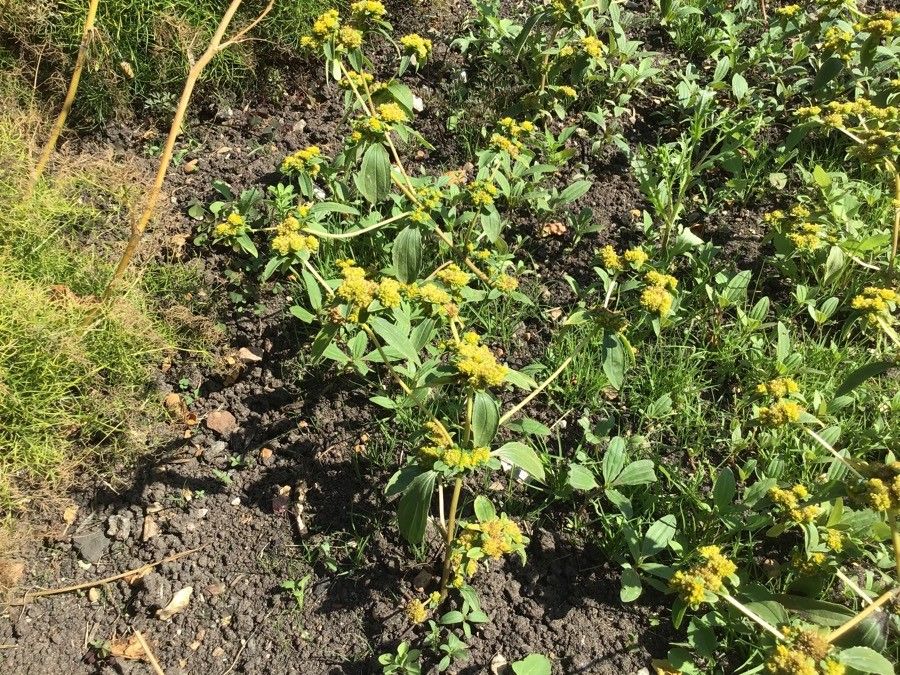
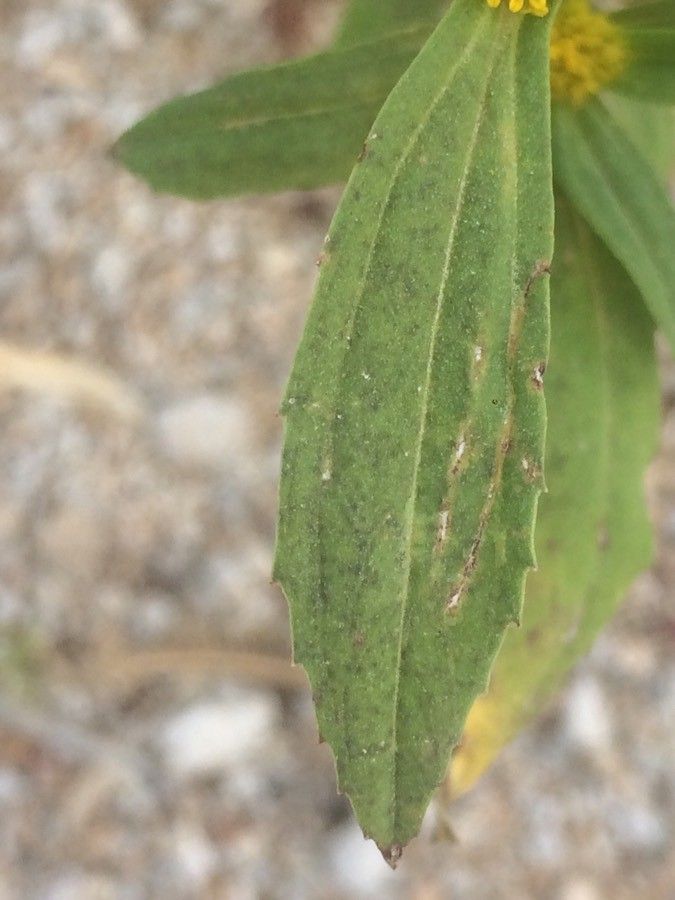
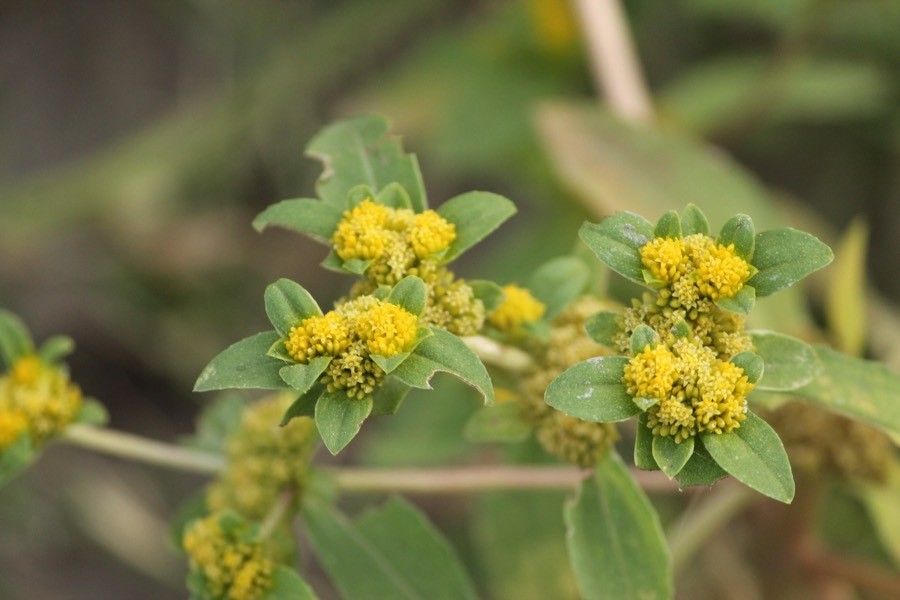
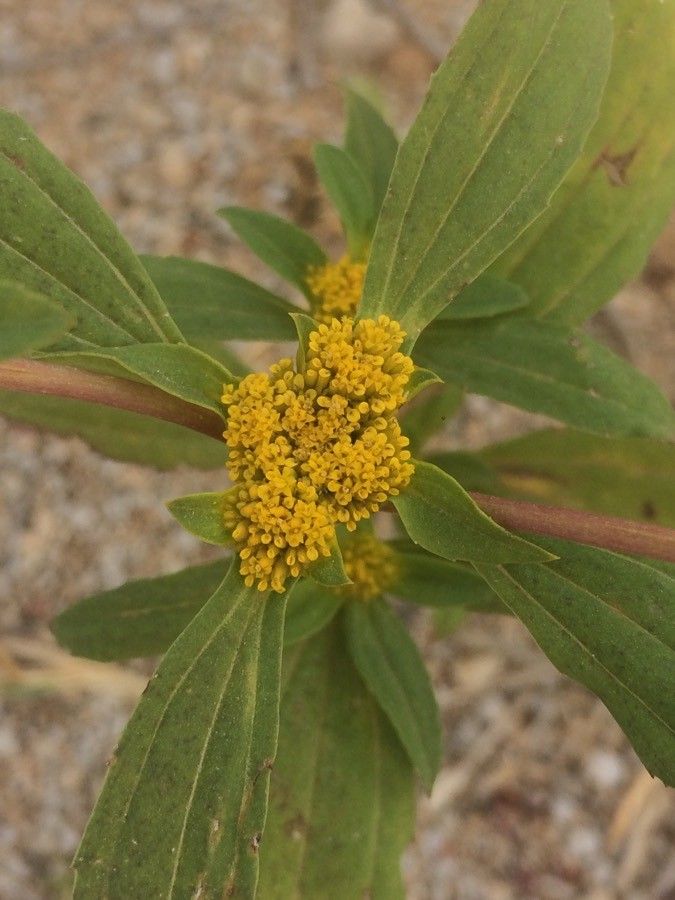
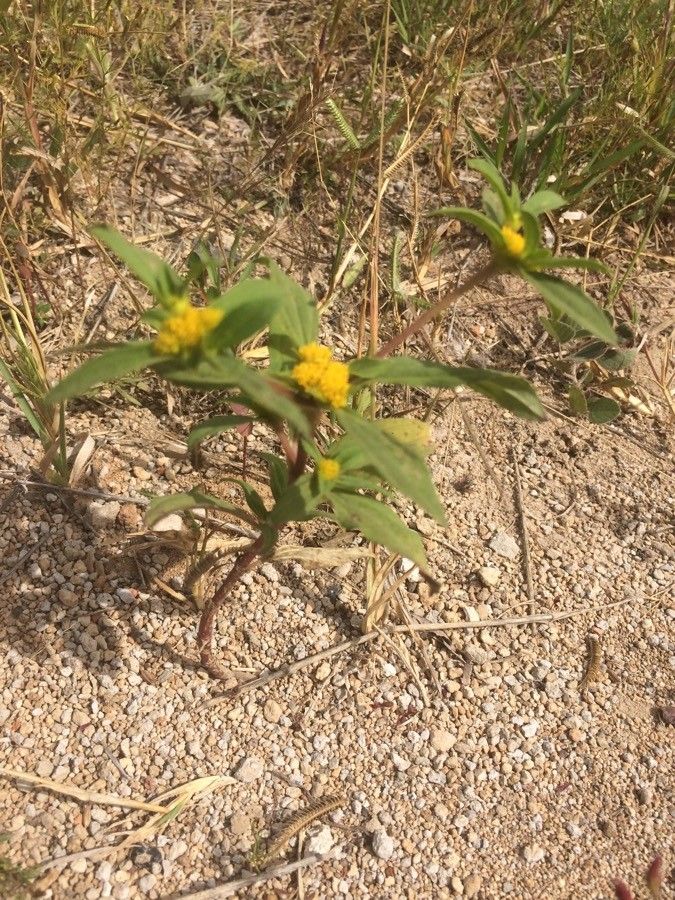
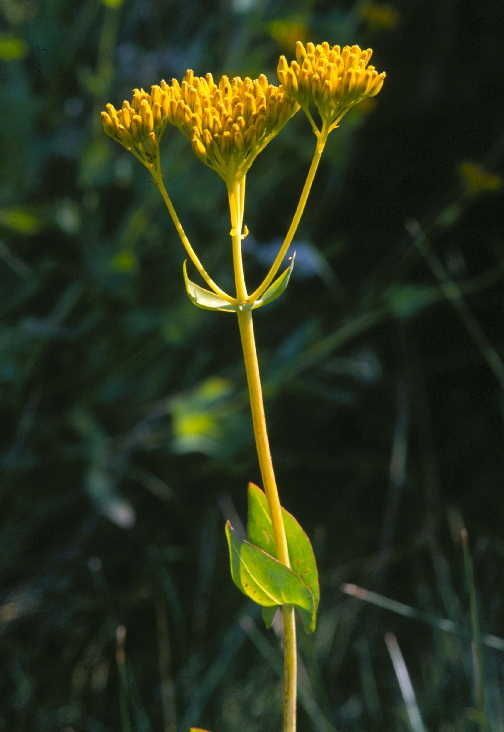
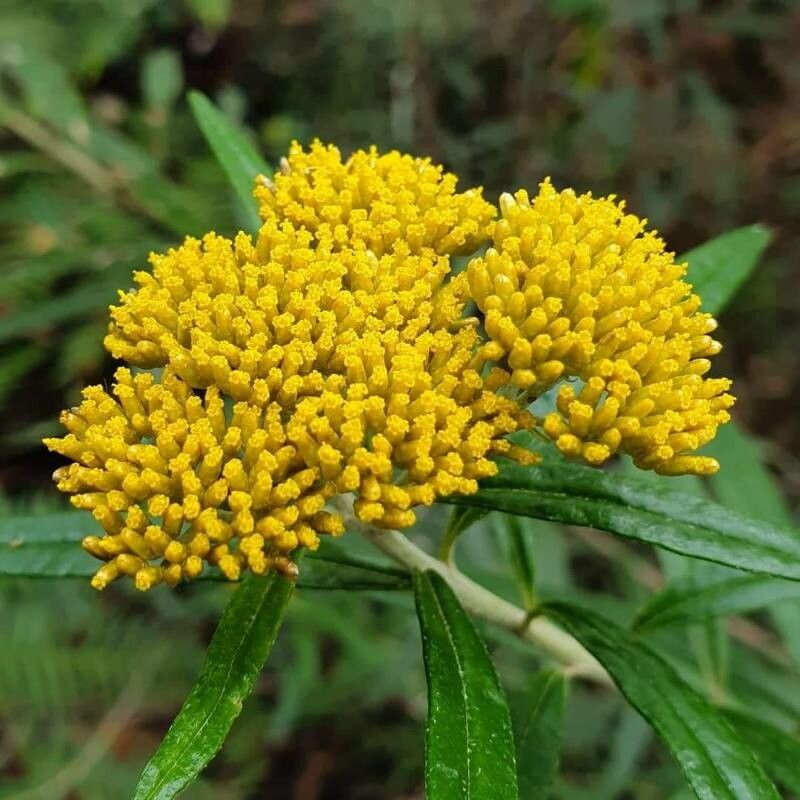
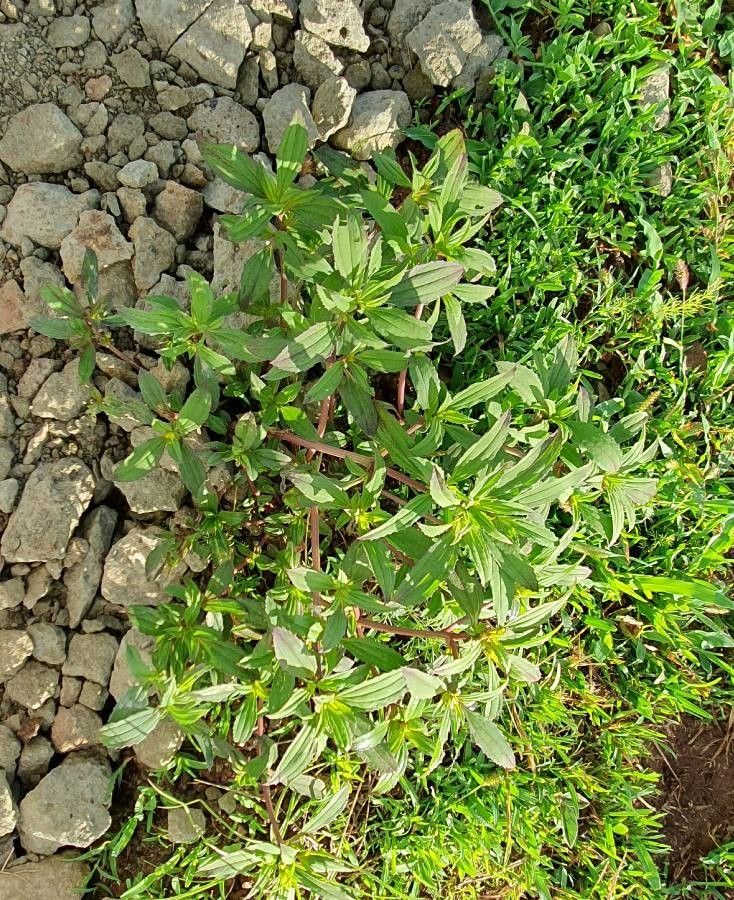
Flaveria bidentis, the coastal plain yellowtops, is a South American plant species of Flaveria within the family Asteraceae. It is native to South America, and naturalized in many places (Mexico, Central America, the West Indies, the southeastern United States, Europe, Africa, Asia, etc.).In the U.S. it is native to Georgia, Alabama and Florida. Flaveria bidentis is an annual herb up to 100 cm (39.5 in) tall. One plant can sometimes produce 100 or more flower heads in a tightly packed array. Each head contains 3-8 yellow disc flowers. Sometimes the head also contains a single yellow ray flower.
Coastal plain yellowtops has strong disease resistance and is generally not prone to illnesses. However, it can be vulnerable to pests and diseases present in its environment. These infections are typically not severe. In terms of care, this plant requires moderate maintenance. It should be pruned regularly to maintain a good appearance and healthy growth. Fertilizing can also help encourage flowering. Coastal plain yellowtops is suitable for anyone with outdoor space, such as a garden or patio, and does not demand a lot of care experience. It may need more attention when grown indoors.
How to keep Flaveria Bidentis.
Light
Coastal plain yellowtops comes from bright, open environments where it does best in full sun. It can tolerate partial sun but favors direct sunlight for optimal growth. This plant, which may be annual or biennial, is known for its sun-loving nature.
Water
Coastal plain yellowtops, a plant native to tropical regions, thrives with consistent moisture and needs to be watered weekly. While it can tolerate brief periods of dryness, it is typically grown outdoors, taking advantage of natural rainfall. During periods of active growth, coastal plain yellowtops need more frequent watering to maintain their lush vitality.
Temperature
Coastal plain yellowtops comes from tropical regions, where the climate is generally warm and humid. As a result, it is well suited to high temperatures and moisture. It does not tolerate sudden temperature changes and prefers a stable thermal environment, so avoid fluctuations in indoor temperatures. It typically cannot endure cold conditions and needs warmer temperatures to grow. If the surrounding temperature drops too low, the plant may stop growing or even die.
Fertilizer
Coastal plain yellowtops respond well to frequent, light applications of fertilizer to encourage healthy leaf growth. You should fertilize Coastal plain yellowtops about once a month during the summer. Nitrogen is essential for foliage, and supplying nitrogen-rich sources helps Coastal plain yellowtops thrive.
Pruning
Coastal plain yellowtops flourish with regular pruning, ideally performed from early to late spring. This process involves removing damaged stems and shaping the plant for aesthetic appeal. Pruning also enhances airflow, reduces the risk of disease, and promotes healthy growth. Be sure to use sharp, sterilized tools and avoid over-pruning to maintain the plant's vigor.
Botanical profile.
- Plant Type
- Herb
- Life Cycle
- Annual
- Genus
- Flaveria
- Family
- Asteraceae
- Hardiness Zone
- 8-11
- Mature Height
- 91 cm
- Mature Spread
- 20 cm to 49 cm
- Leaf Color
- Green
- Leaf Type
- Deciduous
- Flower Color
- Yellow
- Flower Size
- 0.25 cm to 0.51 cm
- Bloom Time
- Mid summer, Late summer, Early fall, Mid fall
- Planting Time
- Spring, Summer, Autumn
- Harvest Time
- Fall
- Native Area
- Bahamas, Bolivia, Ecuador, Peru
Other names.
Reader questions.
What are the sunlight requirements for Coastal Plain Yellowtops?
Coastal Plain Yellowtops thrives in environments with full sun, needing above 6 hours of sunlight daily for optimal growth. It can also tolerate partial sun, about 3-6 hours of sunlight, but prefers direct sunlight to reach its full growth potential.
What is the importance of sunlight for Coastal Plain Yellowtops?
Sunlight is crucial for the growth and health of Coastal Plain Yellowtops, originating from bright, open environments. When natural sunlight is insufficient, especially indoors during winter or in less sunny spaces, artificial lighting can be used. LED lights are a popular choice for indoor plant lighting because they can be customized to provide the specific wavelengths of light your plants need. Full sun plants require 30-50W/sq ft, partial sun plants 20-30W/sq ft, and full shade plants 10-20W/sq ft of artificial light.
What are the signs of inadequate light for Coastal Plain Yellowtops?
When Coastal Plain Yellowtops does not receive enough light, it may show symptoms such as smaller new leaves, leggy or sparse growth, faster leaf drop, slower or no new growth, lighter-colored or chlorotic leaves, sunscald, leaf curling, wilting, and leaf scorching. These symptoms indicate a deficiency in light exposure, necessary for the plant's photosynthesis process.
How can I address inadequate light for Coastal Plain Yellowtops?
To address inadequate light for Coastal Plain Yellowtops, gradually move your plants to a sunnier location each week until they receive at least 6 hours of direct sunlight daily. Use south-facing windows for maximum sunlight and consider using artificial light, such as desk or grow lights, for at least 8 hours daily. If moving plants outdoors, do so gradually to avoid sunburn. It's also beneficial to reduce obstructions such as trees by pruning, or for smaller plants, by transplanting them to a location with ample sunlight and good drainage during their dormant period.
What is the botanical name of Coastal Plain Yellowtops?
The botanical name of Coastal Plain Yellowtops is Flaveria bidentis.