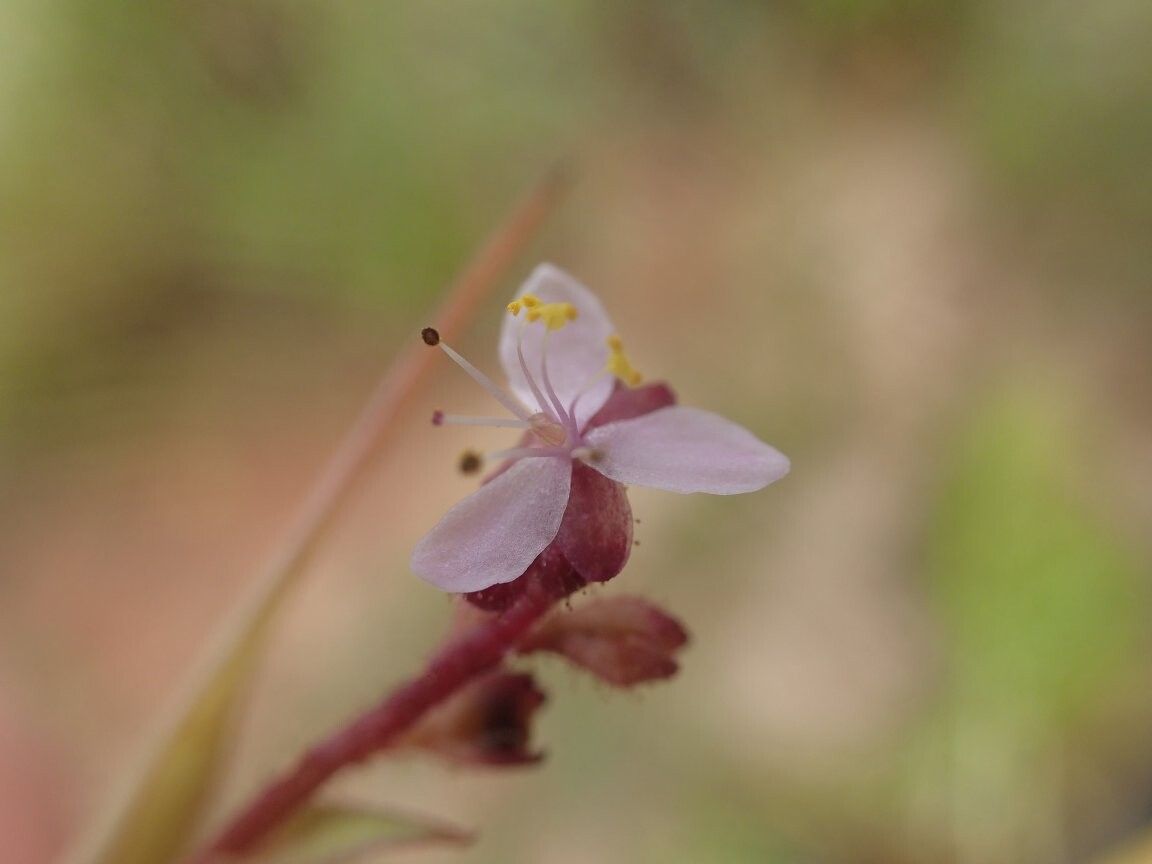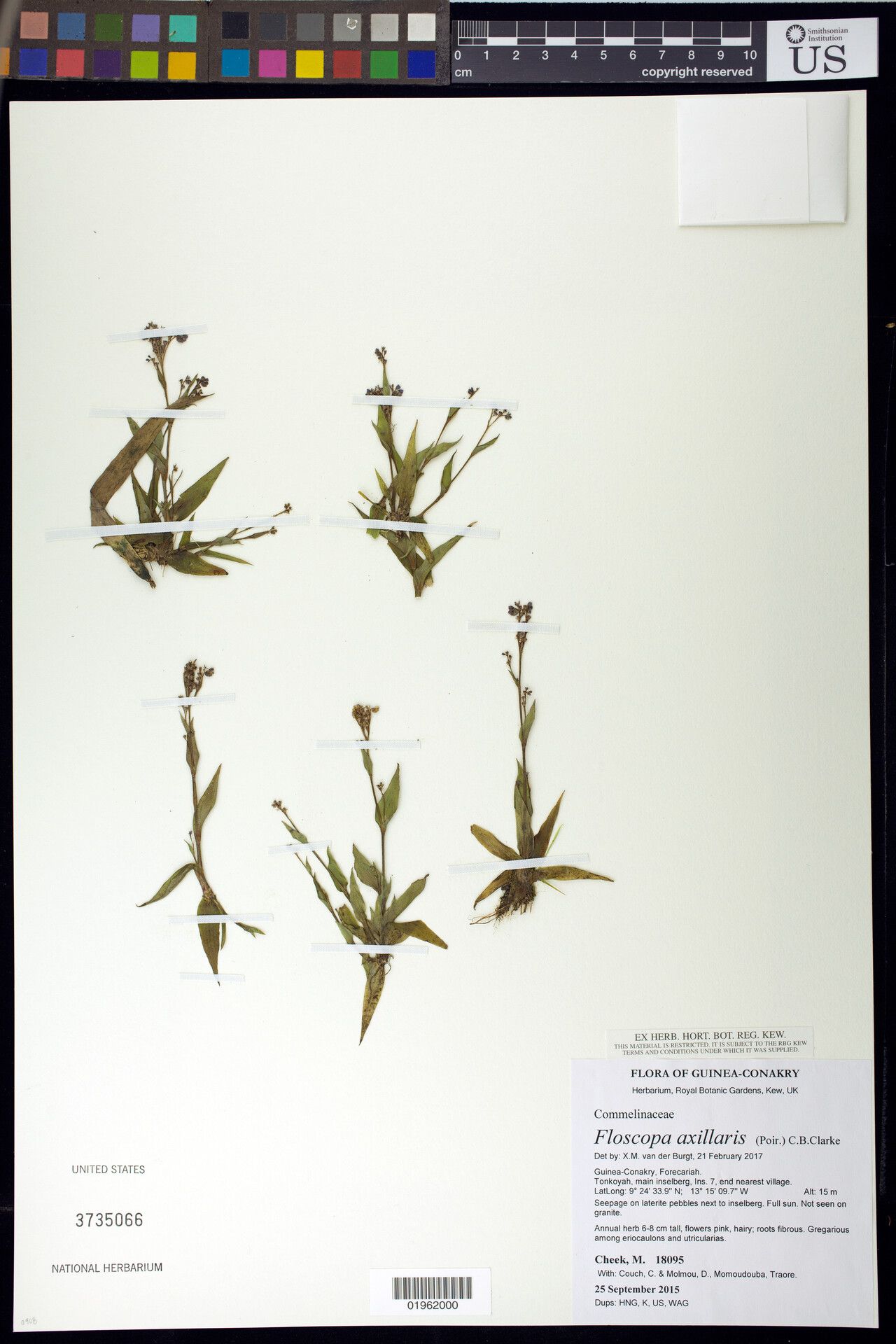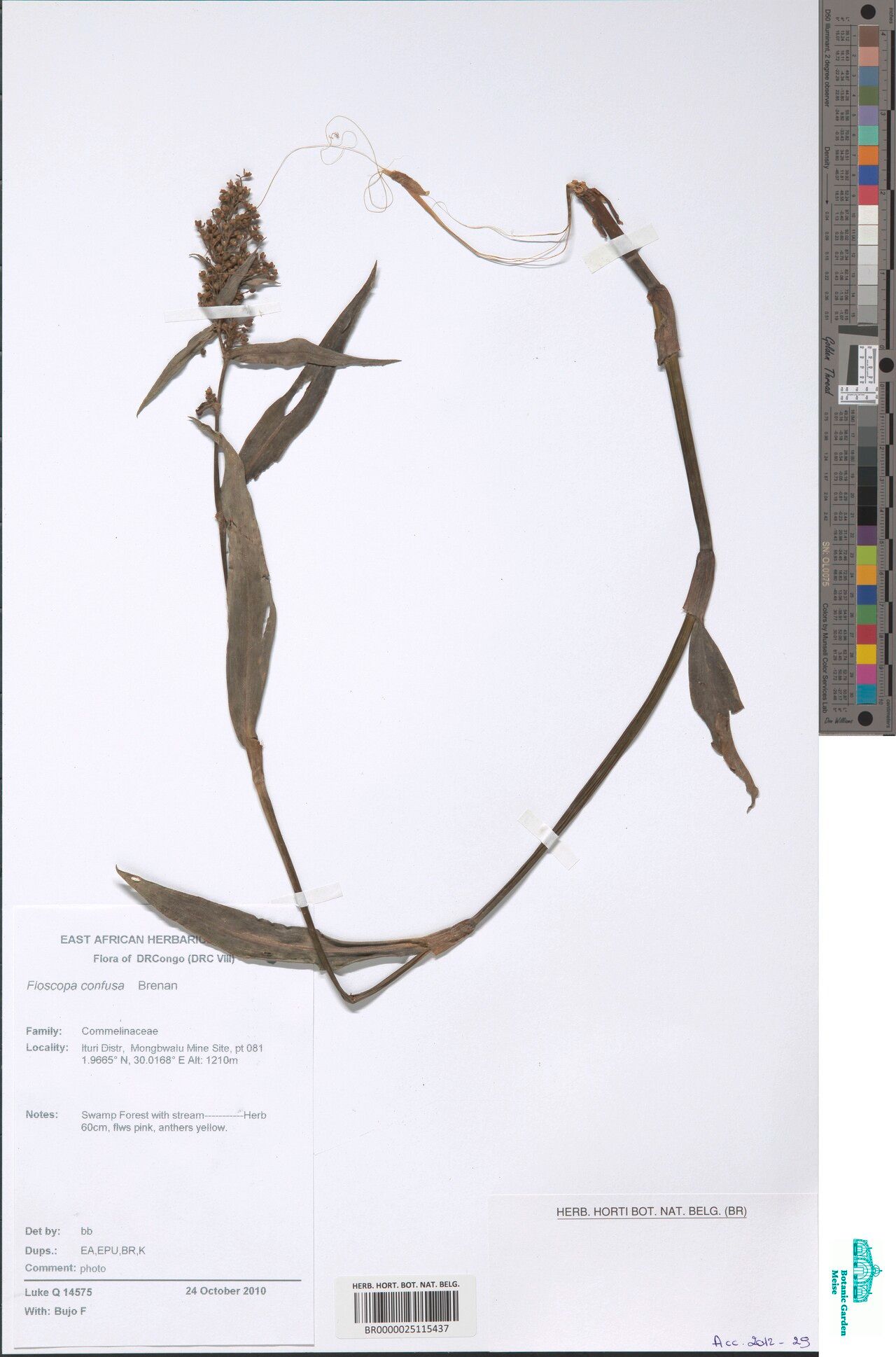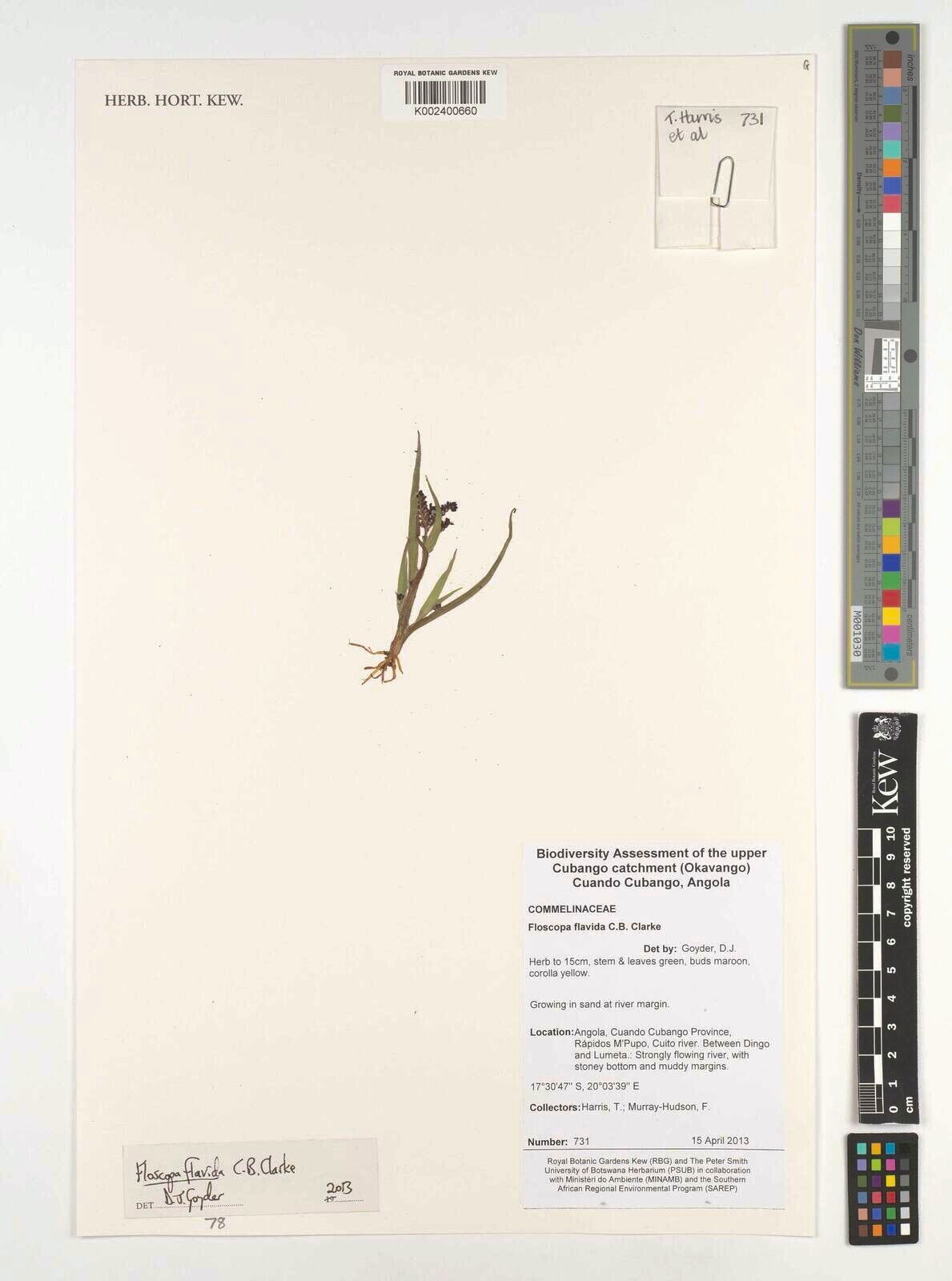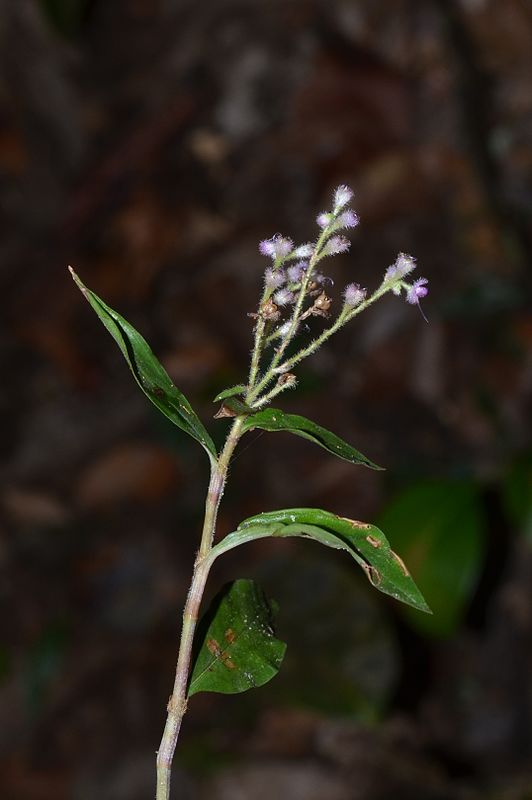
Floscopa scandens is a species of plant in the Commelinaceae family. It is a subscandent herb commonly found near streams and marshy localities in the forests of Western Ghats.
Climbing flower cup has strong resistance to diseases and is generally unlikely to suffer from them. That said, it can still be affected by pests and illnesses present in its environment. When infections do occur, they are typically mild. Regarding upkeep, this plant needs a moderate level of care. Regular pruning is necessary to preserve an attractive shape and support healthy growth. Applying fertilizer can also encourage more blooms. Climbing flower cup is well suited for anyone who has outdoor areas like a garden or patio and does not demand extensive gardening experience. If grown indoors, it may need a higher level of attention.
How to keep Floscopa Scandens.
Light
The climbing flower cup is native to habitats like forest understories and rocky areas, where it grows in natural shade. It prefers partial sun but can tolerate full sun or full shade, showing its hardy and adaptable nature.
Water
The climbing flower cup thrives in tropical environments, where it prefers consistent moisture and high humidity. Although it can tolerate drought, it flourishes best with weekly watering for optimal hydration. To mimic its natural habitat and promote vibrant foliage year-round, mist the plant regularly.
Temperature
Climbing flower cup comes from tropical areas, where the climate is generally warm and humid. As a result, it is well suited to high temperatures and humidity. It does not tolerate sudden temperature changes and prefers a steady temperature, so avoiding indoor temperature fluctuations is important. It usually cannot withstand cold and needs higher temperatures to grow. If the ambient temperature falls too low, the plant may stop growing or even die.
Fertilizer
The climbing flower cup needs the most fertilizer during its active growth phase, which occurs mainly in spring, summer, and early fall. Fertilizing supplies essential nutrients that may be missing from the soil and supports healthy root and stem development, as well as the attractive foliage that is a characteristic feature of this plant.
Pruning
The climbing flower cup benefits from timely pruning between early and late spring. Essential techniques involve removing dead stems and managing overgrowth to improve air circulation and encourage new growth. Regular pruning enhances the plant's health and flowering, but avoid trimming late in the season to protect its blooming periods.
Botanical profile.
- Plant Type
- Herb
- Life Cycle
- Perennial
- Genus
- Floscopa
- Family
- Commelinaceae
- Hardiness Zone
- 9-11
- Mature Height
- 20 cm to 61 cm
- Mature Spread
- 10 cm to 20 cm
- Leaf Color
- Green, Dark Green
- Leaf Type
- Evergreen
- Flower Color
- Pink
- Flower Size
- 0.25 cm to 0.51 cm
- Bloom Time
- Summer, Early fall, Mid fall
- Planting Time
- Spring, Summer
- Harvest Time
- Late summer, Fall, Early winter
- Native Area
- Nepal, Sri Lanka, India, Malaysia, Philippines, Bangladesh, Laos, China, Indonesia, Cambodia, Vietnam, Myanmar, Bhutan, Singapore, Thailand
Other names.
Reader questions.
What is the Climbing flower cup?
The Climbing flower cup, known botanically as Floscopa scandens, is a plant species recognized for its climbing habit. Unfortunately, the provided information does not detail its essentials such as characteristics, care, or uses, nor does it outline any specific symptoms related to the plant, such as common issues or diseases it might face.