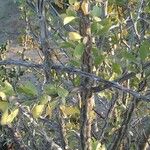
Fouquieria splendens
Ocotillo · Vine-cactus · Candlewood · Coachwhip
Description
Source: leafsnapFouquieria splendens, commonly known as the ocotillo plant, is a distinctive desert shrub native to the southwestern United States and northern Mexico. Renowned for its tall, spindly stems that can reach up to 20 feet in height, the plant is further characterized by its small leaves and bright red-orange flowers that bloom in the spring. This desert shrub is exceptionally well-adapted to its arid environment, thanks to a deep root system that enables it to endure prolonged droughts. During these dry periods, the leaves fall off and the stems enter a dormant state, awaiting rainfall to trigger new growth. Besides its striking appearance, Fouquieria splendens has been used for medicinal purposes by indigenous peoples of North America for centuries. The plant's sap has been traditionally used to treat wounds and skin irritations. In summary, Fouquieria splendens is an impressive desert shrub with unique adaptations that allow it to thrive in harsh conditions, while also offering medicinal benefits.
🌳 Ocotillo is more than a striking presence in dry landscapes; it also offers surprising practical uses. Hummingbirds and other animals value its nectar and depend on it for nourishment. Indigenous peoples traditionally hollowed its canes to fashion improvised hunting tools and shelters. More recently, enterprising people have experimented with ocotillo stalks as an unconventional ingredient for fermenting alcoholic beverages, indicating potential for local culinary innovation.
Care Guide
💧 Water Every 7 days
Ocotillo is well-suited to arid desert conditions and shows remarkable drought tolerance, needing water only every 2-3 weeks. This plant thrives in hot climates and synchronizes its growth cycle with rainfall patterns, making it an ideal choice for xeriscaping.
What do I do if I give too much or too little water to my Ocotillo plant?
Ocotillo plants are typically able to withstand long periods without water, so it's not common to see them suffering from being underwatered. However, if you forget to water your Ocotillo for a month or more, you will likely notice signs of thirst, such as shriveled, dry, and flat leaves. Some leaves may even turn brown, crispy, and fall off. In these cases, it's important to give your Ocotillo plenty of water by submerging the pot in water for 5-10 minutes. Once you feel moisture on the surface of the soil, the watering is done properly. If there are still dried out leaves, it's best to remove them to make room for new growth. Overwatering, on the other hand, can be fatal to your Ocotillo. Excessive moisture over time can lead to root rot, which prevents the roots from absorbing nutrients and water. The symptoms of overwatering include yellow, swollen, and translucent leaves that may burst open from too much water. If the problem persists, leaves may turn brown or black and easily fall off. To diagnose if overwatering is the issue, check the soil for excessive moisture. It's important to catch this problem early to save your plant. If you suspect overwatering, remove the plant from its pot and examine the roots and soil. Remove wet soil from around the roots and rinse the roots with room-temperature water to remove any lurking fungus. If the roots appear dark brown or black, soft, mushy, or slimy, it indicates root rot. If most of the roots are affected, it may not be possible to save the plant. In this case, remove any healthy leaves and try propagating a new Ocotillo. However, if only a portion of the roots are affected, there is a chance to save the plant. Use a sterilized cutting tool to remove unhealthy roots, dip the remaining healthy roots in a fungicide, and repot the plant in fresh, well-draining potting soil. While this does not always guarantee saving a succulent with root rot, in most cases the Ocotillo will recover and produce new growth in the next growing season.
How often do I need to water my Ocotillo?
There is no definitive rule for how often to water Ocotillo. The best approach is to monitor the soil and only water when it is completely dry. To do this, you can insert your finger or a moisture meter into the soil to check its moisture level. If you are using a deep pot, you can use a stick or chopstick for this purpose. If the soil feels even slightly damp, wait a few days and check again. In general, most people will need to water Ocotillo every two weeks in the summer and once a month in the winter. However, there are various factors that can affect this frequency. The section below outlines some considerations that can aid in determining how often to water.
What do I need to think about when watering my Ocotillo plants?
To properly water your Ocotillo, you need to consider several factors like container size, soil type, temperature, and humidity. The container and soil you use will determine how often and how much water to give your plant. Use a container with good drainage to allow excess water to escape. Smaller containers hold less moisture, so they need to be watered more frequently. On the other hand, larger pots stay wet longer and require less frequent watering. Avoid using an oversized pot, as this can lead to overwatering. When repotting, choose a container just one size bigger than the current one. Ocotillo has shallow root systems, so shallow containers work better than deep ones. In terms of seasons, Ocotillo needs less water during winter when growth slows down and there is less evaporation. The cooler winter air keeps the soil wet for longer. The climate in your area also affects watering frequency. If you live in a humid and rainy region, you'll need to water less often compared to a dry and arid climate. Keep in mind that even in the same location, conditions can vary with the season and indoor climate control. For outdoor planting, once Ocotillo establishes a root system, it generally doesn't need additional water besides what it receives from precipitation and dew. However, during long dry periods, occasional watering may be necessary. In areas where Ocotillo can only be grown in containers, you can move the plant outside in spring and summer, but bring it back indoors when temperatures drop. A potted Ocotillo kept outside usually requires more water due to increased sun exposure, even on a shaded porch.
How do I properly water Ocotillo plants?
To water Ocotillo effectively, thoroughly soak it and let it dry out before watering again. This plant can tolerate drought, so it's better to underwater than overwater. When watering, make sure the entire pot's soil is soaked evenly by watering around the rim. The amount of water needed depends on the pot size and soil absorption. Ensure the water drains out from the drainage holes, then leave it in the saucer for 20-30 minutes to absorb into dry soil pockets before discarding excess water. Bottom-watering is another great method, where you place the pot in a saucer of water and let the soil absorb moisture through the drainage holes until the top layer is moist. This takes longer but distributes water evenly. Mimic the plant's natural habitat by bottom-watering when the soil is completely dry. Deep soil bathing is preferable to frequent light watering for Ocotillo.
☀️ Light Full sun
Ocotillo generally does best when exposed to strong, plentiful sunlight, reflecting its naturally sun-drenched habitat. Insufficient light tends to restrict its growth and can cause it to shed leaves or fail to flower. It can survive with reduced sun exposure, but abundant sunlight is ideal for its health.
What are the sunlight requirements for Ocotillo?
Ocotillo thrives best in environments that offer abundant and intense sunlight, echoing its natural habitat that is rich in sunlight. It requires above 6 hours of sunlight daily for optimal health, known as 'Full sun'. It can survive with about 3-6 hours of sunlight, considered 'Partial sun', but its growth might be hindered, possibly leading to leaf loss or failure to bloom. To ensure your Ocotillo's happiness, observe how sunlight moves through your garden, and select locations that offer the right balance of light and shade.
How do I use artificial lighting for Ocotillo if natural sunlight is insufficient?
When natural sunlight is scarce, especially during winter or in less sunny spaces, artificial lighting can be a lifesaver for Ocotillo plants. Selecting the right type of artificial light, such as LED lights, ensures that you provide the wavelengths of light your plant needs. Full sun plants require 30-50W/sq ft, partial sun plants 20-30W/sq ft, and full shade plants 10-20W/sq ft of artificial light. Place the light source 12-36 inches above the plant, mimicking natural sunlight, and ensure it receives 8-12 hours of light per day to promote faster, healthier growth.
What are the common symptoms of inadequate light exposure in Ocotillo?
Ocotillo plants exhibit specific symptoms when they receive insufficient light: 1. They may shed older leaves faster to conserve energy for new growth, known as faster leaf drop. 2. Growth may be delayed or stop altogether, signaling poor light conditions. 3. You might notice leggy or sparse growth, with longer spaces between leaves or stems, giving the plant a stretched-out appearance. 4. Chlorosis can occur, where leaves lose their green color and turn yellow due to chlorophyll breakdown. 5. Sunscald, which manifests as pale or necrotic areas on plant tissue, can occur with too much sunlight. 6. In extreme sunlight conditions, leaf curling helps reduce water loss and damage by minimizing surface area exposure. 7. Wilting may happen as a result of increased water loss through transpiration. 8. Leaf scorching, characterized by brown, dry edges on leaves, can reduce the plant's health and photosynthetic capacity.
How can I address the symptoms of light deficiency in Ocotillo?
To tackle light deficiency in Ocotillo plants, adopt the following solutions: For indoor plants, gradually move them to sunnier locations each week until they receive at least 6 hours of direct sunlight daily. Utilize south-facing windows and keep curtains open during daylight. If the plant is large or not easily movable, consider providing additional light using artificial lighting for at least 8 hours daily. For outdoor plants, avoid drastic changes in sunlight exposure to prevent sunburn. Gradually moving your plants to sunnier spots each week helps them adapt without stress. If trees or other structures obstruct sunlight, prune them to enhance sunlight penetration. For smaller plants that can be moved, consider transplanting them during their dormant period, in late winter or early spring, to a location with ample sunlight and good drainage. Note that parts of the plant affected by insufficient sunlight may not recover, but new growth after increasing light exposure will be healthy.
🌡️ Temperature 15–37.8°C
In its natural habitat, ocotillo typically grows in areas with hot, dry climates and experiences temperatures ranging from 59 to 100 ℉ (15 to 38 ℃). As a temperate woody plant, it prefers warm conditions and can tolerate temperature drops during the winter months. In colder seasons, it is advisable to provide some protection from frost and to keep the soil slightly moist.
What are the essential growth conditions for Ocotillo?
Ocotillo (Fouquieria splendens) thrives in its native environment, which is characterized by hot and dry weather, with temperatures ranging from 59 to 100°F (15 to 38°C). This temperate woody plant prefers warm temperatures and can endure colder periods, although it requires some protection from frost during winter months. To prevent damage in cold weather, keep the soil slightly moist and move the plant indoors if temperatures drop below -5°C, positioning it near a south-facing window to ensure it receives ample sunlight. During winter, the plant enters a dormant state and ceases to grow; thus, watering should be reduced or stopped to avoid root rot. Outdoor plants need their watering halted during low temperatures, and one can consider setting up temporary greenhouses or wrapping the plant in protective materials like plastic film or fabric for further insulation.
How should I care for Ocotillo under low temperature conditions?
Ocotillo is sensitive to low temperatures, requiring conditions above 15°C for optimal growth. If temperatures fall below -5°C, the plant is at risk of becoming weak, wilting, and potentially suffering from root rot; temperatures below -10°C further exacerbate these risks. In the event of mild frost damage, you might not notice immediate symptoms, but the plant could wither over the following week. To manage frost damage, trim off the frostbitten areas and check for root rot, removing rotten roots as needed. The plant can then be propagated through cuttings. For recovery, move the Ocotillo indoors to a warmer environment and place it near a south-facing window to maximize sunlight exposure. If natural light is insufficient, supplemental lighting may be used to support the plant's growth.
What steps should be taken if Ocotillo is affected by high temperatures?
Ocotillo plants should ideally be kept below 38°C during the summer months to prevent heat stress which can halt growth and cause water loss, wilting, and susceptibility to sunburn if temperatures exceed 43°C. To mitigate damage from high temperatures, remove sunburned and rotten parts of the plant. Protect the plant from direct afternoon sunlight until it shows signs of recovery and resumes growth. If the plant suffers from root rot due to excessive watering or poor drainage, cease watering until new roots begin to form, indicating recovery.
💨 Humidity
🪴 Soil 6-8
🌱 Fertilizer
For Ocotillo, small amounts of fertilizer once or twice a year during the growing season are adequate. Do not fertilize in winter or in summer when the plant is dormant. Use less fertilizer for plants that have been repotted and wait a couple of months after repotting before fertilizing. Fertilizing promotes healthy growth and encourages blooms.
Why should I add fertilizer to my Ocotillo plant?
Fertilizing Ocotillo provides nutrients for healthy growth in the growing season. While Ocotillo does store water and nutrients, applying plant food during this time helps support its growth even further. Additionally, fertilizing can also encourage mature Ocotillo plants to produce blooms in the growing season.
When should I fertilize my Ocotillo?
Ocotillo plants require a light amount of fertilizer during the growing season, typically 1-2 times a year. It is recommended to fertilize in the spring and autumn, avoiding winter and summer when the plant is dormant. When repotting, be cautious and use less fertilizer. It is advisable to wait a couple of months after repotting before applying fertilizer.
When is the best time to not fertilize my Ocotillo plant?
Ocotillo, like most plants, has a dormancy period when fertilizer applications should be stopped. During the summer and winter, the plant stops growing, so it's best to avoid applying fertilizer during these times. Additionally, it's advisable to refrain from fertilizing for the first few months after repotting in the spring.
What kind of plant food does my Ocotillo need?
When fertilizing Ocotillo, it is recommended to use a liquid plant food specifically made for succulents and cacti. Make sure to dilute the fertilizer with water to half-strength to avoid buildup in the soil. Apply the fertilizer to the base of the plant and thoroughly water it, ensuring any extra moisture drains or seeps away.
What is the best way to give my Ocotillo plant the nutrients it needs to grow?
When fertilizing Ocotillo, using liquid plant food is easier, but granules can also be used. Follow the directions on the packaging and make sure to dilute liquid fertilizers to half-strength. Regardless of whether you are using granules or liquid plant food, always apply it to the soil. After applying granules, cover them with a thin layer of soil and water the plant, just as you would with liquid fertilizers.
🪴 Pot & Repot 2-3 years
Repot Ocotillo in warmer months, selecting a pot slightly larger than the current one with good drainage. Use a well-draining soil mix made for cacti or succulents. Be careful with the roots and caudex during repotting. After repotting, wait about a week before watering to avoid root rot. Place the plant in a sunny location for best growth.
✂️ Pruning
🌿 Propagating
🐛 Diseases & pets
☠️ Toxicity
Characteristics
- Plant Type
- Succulent, Shrub
- Life Cycle
- Perennial
- Genus
- Fouquieria
- Family
- Fouquieriaceae
- Hardiness Zone
- 8-11
- Mature Height
- 10.06 m
- Mature Spread
- 1.52 m to 3.05 m
- Leaf Color
- Green
- Leaf Type
- Deciduous
- Flower Color
- Red
- Flower Size
- 20.32 cm
- Bloom Time
- Mid spring, Late spring, Early summer
- Planting Time
- Spring
- Harvest Time
- Mid summer