Fragaria × ananassa
توت فرنگی · Garden Strawberry · Strawberry · Cultivated Strawberry · Dessert Strawberry
Description
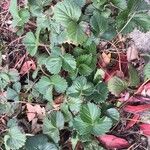
Source: leafsnapFragaria x ananassa, commonly known as the garden strawberry, is a hybrid species within the Fragaria genus, cultivated globally for its sweet and juicy fruit. This low-growing perennial produces runners or stolons that spread out to form new plants. Its dark green, trifoliate leaves have serrated edges. The plant's white or pink flowers, each with five petals, bloom from early spring to early summer. The fruit of Fragaria x ananassa is typically red, though white and yellow varieties also exist. Known for its high sugar content, the fruit has a sweet flavor that makes it popular in desserts like pies, cakes, jams, and ice cream. For optimal growth, the plant prefers well-drained soil rich in organic matter, along with full sun exposure. While it can be propagated by runners or seeds, vegetative propagation is the most common method. First cultivated in the 18th century from two wild strawberry species—Fragaria virginiana from North America and Fragaria chiloensis from Chile—the garden strawberry remains one of the most popular fruits worldwide. Its appeal lies not only in its delicious taste but also in its nutritional benefits, including high levels of vitamin C, fiber, and antioxidants, making it a healthy addition to any diet.
Care Guide
💧 Water Every 3 days
☀️ Light
🌡️ Temperature
Although this Garden Strawberry cab tolerates temperatures as low as 22°F, it is recommended to keep it away from frost. To ensure that this plant achieves maximum yield, good fruit size and fruit set, grow it in an ideal temperature that is between 60-80°F and consider a strict relative humidity level of 65-75%.
💨 Humidity high (>60%)
This plant needs special care because it loves high humidity levels of 60-80% or more. The best way to achieve this is by placing a humidifier near the plant. Daily misting is also essential! Make sure the room has good ventilation.
🪴 Soil
🌱 Fertilizer
🪴 Pot & Repot
✂️ Pruning
The Garden Strawberry requires frequent pruning when needed, to help it maintain its neat and attractive appearance. Prune once every month with a sharp pruner by removing extra or unnecessary leaves in its growing season, making sure that 6-8 healthy leaves are still left on the plant. Also remove poorly growing flowering buds in the flowering season.
🌿 Propagating
🐛 Diseases & pets
☠️ Toxicity
Contrary to hearsay and the misconception that most people have, the low-growing, fibrous Garden Strawberry area is toxic to human beings and pets. The berries are also edible and tasty, and this makes it an excellent wild plant or food commodity, safe around and for consumption by pets and animals.
Characteristics
- Plant Type
- Perennial
- Genus
- Fragaria
- Family
- Rosaceae
- Hardiness Zone
- 4-10
- Bloom Time
- Late spring, early summer
- Native Area
- Temperature regions of the Northern Hemisphere