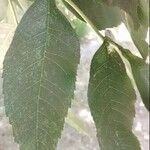
Fraxinus americana
White ash · Texas ash · American ash · Cane Ash · Madisanall
Description
Source: leafsnapFraxinus americana, commonly known as the white ash, is a deciduous tree native to eastern North America. Reaching heights of up to 80 feet, it features a straight trunk and a rounded crown. Its compound leaves consist of 5 to 9 leaflets that are dark green on top and lighter underneath. In the fall, these leaves turn yellow or purple before falling off. The white ash is prized for its strong wood, which is commonly used in furniture, flooring, and sports equipment like baseball bats. Additionally, it provides habitat for various wildlife species, including birds and squirrels. Unfortunately, the white ash is threatened by an invasive beetle species called the emerald ash borer. This beetle feeds on the tree's bark, causing significant damage that often leads to the tree's death. Conservationists are making efforts to protect this important tree species through methods such as insecticide treatments and the removal of infected trees to prevent the further spread of the invasive pest.
💡 Some Native American tribes believed that white ash could protect them from poisonous rattlesnake bites. To ensure their safety, they would attach parts of the tree to their clothing and shoes.
🌳 White ash wood is essential to many items we use daily. Its strong yet flexible nature makes it well suited for baseball bats, effectively absorbing the impact of high-speed pitches. The wood's strength and resistance to splitting are also why tool handles, like those for hammers and shovels, are produced from it. Additionally, its attractive appearance and durability explain its use in furniture and sports flooring. So, many everyday objects may in fact be made from the sturdy white ash.
🎭 Safeguarding, Wealth, Ocean Rites, a connection between our world and the spirit world
Care Guide
💧 Water Every 7 days
White ash is well-suited to temperate regions, where it thrives in environments with moderate moisture. It prefers soils that stay consistently hydrated without becoming waterlogged. To ensure optimal health, water the tree every one to two weeks. During the active growing season, use mulch to help retain moisture in the soil.
When should I water my White Ash?
Watering your White Ash is crucial for its health, growth, and disease resistance. Look for signs like leaf color changes to light green or yellow and dry, brittle leaves, which indicate a need for water. Check the top 1-2 inches of soil; if dry, it's time to water. Be mindful of the bark's condition, as cracking may suggest under-watering and softness might mean over-watering. Responding promptly to these signals ensures the tree is adequately hydrated without being over or under-watered.
How should I water my White Ash?
White Ash requires specific watering techniques. It benefits from thorough watering until the water starts to drain out. Avoid standing water to prevent root rot. Using a watering can with a narrow spout helps target the base without wetting the foliage, which could lead to disease. Incorporating a moisture meter can guide your watering schedule, ensuring the soil is slightly moist. Focus on watering the root zone deeply, avoiding foliage and ensuring excess water can drain. Adjust watering based on environmental factors, observing plant response for optimal watering frequency.
How much water does White Ash really need?
White Ash thrives in moist, fertile conditions, suggesting a preference for consistent moisture. Water quantity should be adjusted based on plant size, with larger trees requiring more due to their expansive root systems. Watch out for signs of over or under-watering, such as wilting or yellowing leaves. Correct watering supports healthy growth and prevents issues like root rot or pest infestations, highlighting the importance of balancing adequate hydration.
What kind of water is best for White Ash?
White Ash flourishes when watered with rainwater or filtered water, free from chlorine, fluoride, and excessive minerals that could hinder growth. To avoid chlorine, let tap water sit for 24 hours before using. Use rainwater to avoid fluoride and mineral buildup. Water temperature should be room temperature to prevent root shock. Ensuring proper drainage is essential to prevent root rot, indicating that soil moisture should be consistently monitored but not over-saturated.
How do White Ash's watering needs change with the seasons?
Seasonal changes affect White Ash's water needs. In spring, gradually increase watering as new growth occurs. Summer demands consistent soil moisture due to higher evaporation, requiring more frequent watering. Reduce watering frequency in autumn as growth slows, and in winter, significantly decrease watering to match the plant's dormancy period and reduced water use. Monitoring soil condition is key to adjusting watering appropriately across seasons, ensuring the health of White Ash.
☀️ Light Full sun
White ash requires strong, abundant sunlight to grow vigorously. Its native habitat favors ample light for a healthy life cycle. Excessive sun can scorch the leaves, while too little light may cause reduced growth and diminished vibrancy. Mild shade is acceptable but can slow growth.
What are the sunlight requirements for white ash?
White ash requires strong and ample sunlight for robust growth, reflecting its need for plentiful light exposure akin to its natural environment for a healthy life cycle. It thrives in conditions that afford it more than 6 hours of sunlight a day, classified as 'Full sun'. However, adequate precautions should be taken as too much sunlight may cause leaf scorching, and insufficient sunlight can hinder the tree's growth and vibrancy. While a slight shade is tolerable, it is associated with risks of slow growth. Observing how sunlight moves through your garden will help in selecting spots that ensure the right balance of light and shade for the optimal growth of your plants.
What are some symptoms of light deficiency or excess in white ash?
White ash may show several symptoms when faced with suboptimal lighting conditions, including smaller new leaves, leggy or sparse growth, faster leaf drop, slower or no new growth, lighter-colored new leaves, chlorosis, sunscald, leaf curling, wilting, and leaf scorching. These symptoms can indicate either insufficient or excessive light exposure. For instance, insufficient sunlight leads to small leaves, sparse growth, or slower new growth, indicative of the plant's struggle to photosynthesize efficiently. Excessive sunlight, on the other hand, can lead to chlorosis, sunscald, and leaf scorching, signifying damage from overexposure.
How can I mitigate light-related issues for white ash?
To address light-related issues in white ash, it's important to ensure the plant receives adequate sunlight by gradually moving it to sunnier locations, aiming for at least 6 hours of direct sunlight daily. For indoor plants, consider using artificial light if moving the plant isn't feasible, keeping lights on for at least 8 hours a day, or investing in professional grow lights. For outdoor plants, ensure a gradual transition to sunnier spots to prevent sunburn. Minimizing obstructions that block sunlight, such as pruning trees, or transplanting smaller plants during their dormant period to areas with more sunlight and better drainage, can also improve light exposure. Note, however, that parts of the plant already affected by insufficient sunlight may not recover, but new growth should be healthy with improved light conditions.
Can artificial lighting be used for white ash, and how?
Yes, artificial lighting can be used for white ash, especially when natural sunlight is insufficient, like during winter or in less sunny spaces. Artificial lights, such as LED lights, are beneficial as they can be customized to provide specific wavelengths needed for optimal plant growth. For plants requiring full sun, 30-50W/sq ft of artificial light is recommended; partial sun plants need 20-30W/sq ft, and full shade plants require 10-20W/sq ft. The light source should be placed 12-36 inches above the plant to mimic natural sunlight, and the duration should mimic natural daylight hours, with most plants needing 8-12 hours of light per day.
🌡️ Temperature 0–35°C
White ash grows best in temperatures from 32 to 95°F (0 to 35°C) and comes from the temperate climate of eastern North America. It withstands cold winters and warm summers, so it is adaptable to a broad range of temperatures. In colder areas, it is advisable to protect the tree from severe temperature drops during winter.
What is the preferred temperature range for White Ash?
White ash (Fraxinus americana) prefers a temperature range of 32 to 95°F (0 to 35°C), native to the temperate climate of eastern North America. It's versatile, tolerating both the cold winters and warm summers typical of its native climate. While it has a strong resistance to cold, in exceedingly cold regions where temperatures might drop below -35°C, some winter protection may be necessary. This includes measures like wrapping the trunk and branches with fabric and ensuring the soil is moist before the first freeze, to help the tree through winter and early spring.
How can you protect White Ash in extremely cold winters?
To protect White Ash during extremely cold winters, especially when temperatures are expected to drop below -35°C, you should take several precautionary steps. Wrapping the tree’s trunk and branches with non-woven fabric or cloth can help, as well as ensuring the soil around the tree is well-watered before the ground freezes. This preparation helps prevent drought stress and provides the tree with a better chance of surviving the harsh conditions without damage.
What are the symptoms of White Ash exposed to low temperatures?
When exposed to low temperatures, particularly below -35°C, White Ash may not show immediate damage during winter, but come spring, the evidence becomes clearer. The branches might appear brittle and dry, and the tree may fail to produce new shoots. This indicates that the tree struggled through the colder months, necessitating early spring care, including pruning of dead branches to encourage healthy new growth.
How should White Ash be cared for in high temperatures?
White Ash should ideally be kept below 35°C during the hot months. Temperatures above 38°C can lead to symptoms such as leaves becoming lighter in color, tips drying and withering, and increased susceptibility to sunburn. To mitigate these issues, it's recommended to trim away damaged parts of the plant, provide shade during the hottest parts of the day, and ensure the soil remains moist with watering in the morning and evening. Moving the plant to a shaded location or using a shade cloth can also be beneficial.
💨 Humidity
🪴 Soil 6-7
🌱 Fertilizer
To encourage healthy growth, fertilize your White ash in early spring. Consistent fertilization improves its overall health, producing vigorous growth, increased tolerance to challenging conditions, and better resistance to diseases and pests. Follow a specific fertilization schedule for your White ash to maintain vibrant, deeply colored foliage and a lush appearance.
Why should I add fertilizer to my White ash tree?
No matter which type of White ash you have, regular fertilization is crucial for promoting overall plant health. By supplying the right nutrients, your White ash will experience stronger growth and become more resilient to challenging growing conditions, as well as better equipped to combat diseases and pests. The foliage of your White ash is particularly attractive, so it's essential to preserve it. To achieve this, establish and stick to a fertilization routine tailored to your specific White ash, which will result in richly colored and lush leaves.
When should I fertilize my White ash tree?
To keep your White ash healthy and promote growth, fertilize it twice a year. The first time should be in late winter or early spring, which provides the necessary nutrients for the upcoming warm season. If you live in a warm climate, consider fertilizing again in early fall. This will give your White ash added nutrients for the next growing season and help it withstand the winter cold without leaf damage. Fertilizing early also allows new branches to develop and strengthen before winter arrives.
When is it not a good idea to add fertilizer to my White ash tree?
There are certain periods in the year when you should avoid fertilizing your White ash. Firstly, during the early and mid-winter months when the tree is dormant and does not require feeding. Secondly, it is not advisable to fertilize the plant in late spring and throughout the summer due to the potential for hot and dry weather conditions. These conditions can have a detrimental effect on the White ash if it is given fertilizer. To avoid such problems, it is recommended to follow a fertilization schedule that involves feeding only in early spring and early fall.
What kind of fertilizer does my White ash tree need?
White ash trees primarily require nitrogen for proper growth, but this does not dismiss the significance of phosphorus and potassium. All three main nutrients are necessary for your White ash's overall health, which is why a balanced fertilizer with a ratio like 10-10-10 is generally effective. However, a more specific nutrient ratio can lead to the optimal growth of a White ash tree. Fertilizers with a slightly higher nitrogen content, like a 10-6-4 ratio, often yield better results. You have the option to use either granular or liquid-based fertilizers for the application.
How do I make my White ash tree grow better?
Fertilizing your White ash tree can be done using either granular or liquid fertilizer. With granular fertilizer, you simply sprinkle it on the soil at the right time. The nutrients are released slowly into the soil over time. It's a good idea to lightly water your tree before applying the fertilizer. Using liquid fertilizer is less common but can be effective. You mix the fertilizer with water and pour it around the base of the tree. Before fertilizing, it may be helpful to do a soil test to determine if any pH adjustments are necessary.
🪴 Pot & Repot Every 12 months
✂️ Pruning
Prune white ash trees in early spring, concentrating on removing dead or diseased branches and thinning out crowded areas to improve air circulation. This process helps enhance the tree's recovery, shape, and resistance to pests. Use clean, sharp tools to make precise cuts, which will prevent damage and encourage healthier growth.
🌿 Propagating
🐛 Diseases & pets
☠️ Toxicity
Fraxinus americana can cause skin irritation, and a decrease in lung function.
Characteristics
- Plant Type
- Tree
- Life Cycle
- Perennial
- Genus
- Fraxinus
- Family
- Oleaceae
- Hardiness Zone
- 3-9
- Mature Height
- 20.12 m to 24.99 m
- Mature Spread
- 14.94 m
- Leaf Color
- Yellow, Green, Purple
- Leaf Type
- Deciduous
- Flower Color
- White
- Flower Size
- 2.54 cm
- Bloom Time
- Mid spring, Late spring
- Planting Time
- Spring, Summer, Autumn, Winter
- Harvest Time
- Mid summer
- Native Area
- Mexico