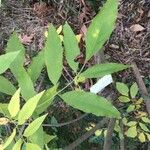
Fraxinus caroliniana
Florida ash · Pop ash · Water ash · Carolina ash · Swamp ash
Description
Source: leafsnapFraxinus caroliniana, the pop ash, Florida ash, swamp ash, Carolina ash, or water ash, is a species of ash tree native from Cuba through the subtropical southeastern United States from southern Virginia to Texas. It was originally described by the botanist Philip Miller. It is a small tree about 40 ft. Leaves are compound, opposite, 7–12 in long, leaflets 5–7 in, ovate to oblong, coarsely serrate or entire, 3–6 in long, 2–3 in wide. Fruit is frequently 3-winged (samara) with flat seed portion; seed sometimes a bright violet color. It is the smallest of eastern North American ash species, wood light, soft, weak, 22 lbs./cu.ft. Typical to coastal swamps and subtropical lowlands. Like other species in the section Melioides, Fraxinus caroliniana is dioecious, with male and female flowers produced on separate individuals.The tree is threatened by the emerald ash borer, an invasive species of beetle.
🌳 White ash wood is essential to many items we use daily. Its strong yet flexible nature makes it well suited for baseball bats, effectively absorbing the impact of high-speed pitches. The wood's strength and resistance to splitting are also why tool handles, like those for hammers and shovels, are produced from it. Additionally, its attractive appearance and durability explain its use in furniture and sports flooring. So, many everyday objects may in fact be made from the sturdy white ash.
🎭 Safeguarding, Wealth, Ocean Rites, a connection between our world and the spirit world
Care Guide
💧 Water
The Carolina ash thrives in consistently moist, swampy environments and benefits from higher humidity levels. It's important to water the plant weekly to keep the soil moist, but be careful not to overwater as this can lead to waterlogging. Typically, this tree is grown outdoors, so it's crucial to ensure proper drainage to prevent root rot, especially during periods of heavy rainfall.
☀️ Light Full sun
White ash requires strong, abundant sunlight to grow vigorously. Its native habitat favors ample light for a healthy life cycle. Excessive sun can scorch the leaves, while too little light may cause reduced growth and diminished vibrancy. Mild shade is acceptable but can slow growth.
What are the sunlight requirements for Carolina ash?
Carolina ash, or Fraxinus caroliniana, thrives in conditions that meet its sunlight needs precisely. It requires 'Full sun,' which means it should receive above 6 hours of sunlight daily, or 'Partial sun,' with about 3-6 hours of sunlight. When selecting a location for your Carolina ash, it's essential to observe the patterns of sunlight in your garden. Finding the right balance of light and shade will significantly contribute to the health and happiness of your plant. Keep in mind the movement of sunlight throughout the day to choose the best spot.
🌡️ Temperature 0–35°C
White ash grows best in temperatures from 32 to 95°F (0 to 35°C) and comes from the temperate climate of eastern North America. It withstands cold winters and warm summers, so it is adaptable to a broad range of temperatures. In colder areas, it is advisable to protect the tree from severe temperature drops during winter.
💨 Humidity
🪴 Soil 6-7
🌱 Fertilizer
To encourage healthy growth, fertilize your White ash in early spring. Consistent fertilization improves its overall health, producing vigorous growth, increased tolerance to challenging conditions, and better resistance to diseases and pests. Follow a specific fertilization schedule for your White ash to maintain vibrant, deeply colored foliage and a lush appearance.
🪴 Pot & Repot
✂️ Pruning
Carolina ash is a deciduous tree that thrives in wetlands and features compound leaves. To maintain its health and appearance, prune the tree in early spring. Focus on removing dead or crossing branches to improve its structure and airflow. Regular pruning encourages vigorous growth and reduces the risk of disease, keeping the tree healthy and attractive. For pruning techniques, consult horticultural guides.
🌿 Propagating
🐛 Diseases & pets
☠️ Toxicity
Characteristics
- Plant Type
- Tree
- Life Cycle
- Perennial
- Genus
- Fraxinus
- Family
- Oleaceae
- Hardiness Zone
- 3-9
- Mature Height
- 20.12 m to 24.99 m
- Mature Spread
- 14.94 m
- Leaf Color
- Yellow, Green, Purple
- Leaf Type
- Deciduous
- Flower Color
- White
- Flower Size
- 2.54 cm
- Bloom Time
- Mid spring, Late spring
- Planting Time
- Spring, Summer, Autumn, Winter
- Harvest Time
- Mid summer
- Native Area
- Mexico