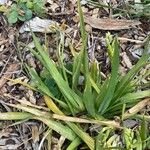
Freesia refracta
Common freesia
Description
Source: leafsnapFreesia refracta is a well-loved ornamental plant that belongs to the Iridaceae family. Native to South Africa, it is widely cultivated for its fragrant and colorful flowers. The plant can reach up to 30 cm in height, featuring long, narrow leaves arranged in a spiral pattern around its stem. The trumpet-shaped flowers of Freesia refracta boast six petals, available in a variety of shades including white, yellow, pink, red, and purple. These vibrant blooms appear in clusters on long stalks, typically from late winter to early summer. Freesia refracta thrives in well-drained soil rich in organic matter, and it prefers full sun or partial shade. The plant can be propagated from bulbs or seeds and requires regular watering during the growing season. In addition to its ornamental appeal, Freesia refracta has several medicinal uses. Traditionally, it has been employed to treat respiratory issues such as asthma and skin conditions like eczema, thanks to its anti-inflammatory properties. Overall, Freesia refracta is an attractive ornamental plant with fragrant flowers that can add color and beauty to any garden or landscape. Moreover, it offers some medicinal benefits, making it a valuable addition to various settings.
💡 Flowers have always carried symbolic meanings across various cultures and societies. The freesia flower, in particular, is rich in sentimental attributes such as selflessness, innocence, purity, friendship, and trust. It is often used in weddings and anniversaries and is recognized as the official flower for a couple's seventh wedding anniversary.
🌳 The common freesia is popular in gardens for its stunning flower spikes and rich, complex fragrance. It is frequently cultivated for cut flower arrangements and is typically found in mixed beds, naturalistic gardens, or rock gardens.
🎭 Purity, Faith, Companionship
Care Guide
💧 Water Every 7 days
Originating from the arid regions of South Africa, common freesia is well-suited to dry conditions and only needs to be watered sparingly, once a week. This limited watering helps maintain the right balance of moisture to promote the growth of its bulbs while preventing rot. Typically grown outdoors, common freesia enters a dormancy period during which reduced watering is essential to support its natural growth and rest cycle.
What should I do if I give too much or too little water to Common freesia?
Common freesia can develop yellow leaves if they are over-watered. This is particularly normal towards the end of their blooming period. However, if the leaves turn yellow before the flowers have bloomed, it means they have been over-watered. To address this, make sure there is proper drainage and avoid watering for a couple of days. Mixing some sawdust into the soil can help absorb excess moisture. If the problem persists, check whether the seedpods have rotted by digging them up and observing if they have changed color and become soft. If severe decay is found, promptly remove these seedpods. Under-watered Common freesia also display yellow leaves, similar to over-watered plants, but they will also have drooping stems, smaller and curling leaves, as well as brown patches. If you have not provided enough water, don't panic, as Common freesia can tolerate some level of drought. Give it a good drink once you realize, ensuring the surrounding soil is moist but not saturated. Avoid overwatering, as prolonged periods in water can lead to root rot and fungus growth on the bulb. Noticeable signs of fungus include spots on the leaves and buds, as well as discoloration and death of the leaf tips.
How frequently should I water my Common freesia plant?
The growth and watering needs of your Common freesia depend on its location and current growth state. After planting, give them a good watering to kick start growth. Then, wait until shoots appear before watering again. If your freesia is in a pot, water it when the top 1-2 inches of soil feels dry. Container plants can dry out faster, so keep the soil damp. If your freesia is planted outside, it may not need additional water if it has rained during the week. The Common freesia can tolerate some dryness, but be cautious not to overwater, as excessive watering can cause the plant to rot and die.
Should I water my Common freesia more or less depending on the time of year or the weather?
To care for your Common freesia, water it about once a week while it's growing. As the temperature increases, the soil will dry out faster, so you may need to water more frequently. It's important to avoid overwatering, as a dry soil is better for the plant than a soil that is excessively wet. During the summer, the Common freesia will become dormant and the above-ground parts will dry up and die. If you have planted it outdoors, you typically won't need to water it during this dormant period. However, if there is a lot of rain in your area, it may be a good idea to dig out the buds to prevent them from rotting due to excessive water. If you have planted the Common freesia in pots, you should completely stop watering it once the above-ground part has dried out. After it has fully dried out, you can dig up the buds and store them in a cool location with no more watering. Alternatively, you can keep them in the soil in a cool location until the next growing season. Resume watering when it's time for the next sowing season.
What should I consider when I plant my Common freesia inside or outside?
To take care of your containers, monitor them for moisture. If they become too wet, move them to a sheltered place to dry out. Return them to their original spot when the weather improves. When planting outdoors, make sure to choose well-drained soil to prevent waterlogging and decay. Whether you're growing plants indoors or outdoors, it's important to give newly planted bulbs very little water until the buds start to grow. Let the soil dry out completely before watering them with small amounts to avoid bulb rot. Once new shoots appear, you can start watering them regularly. When watering your Common freesia indoors, be cautious because low light and poor ventilation can increase the risk of rot. Before watering, make sure a significant portion of the soil is dry. If you're able to keep the soil moist for a long time indoors, consider if your Common freesia is in an unsuitable location. When grown outdoors, good ventilation and ample sunlight provide a relatively safe environment.
☀️ Light Full sun
The common freesia favors spots that receive uninterrupted sunlight all day, although it can tolerate locations with a somewhat reduced amount of light. Those lighting conditions let the plant flourish, encourage its growth, and improve the development and flowering of its blossoms. Conversely, very limited light can harm the plant’s overall health, hinder its growth, and may cause stress or damage.
What are the sun requirements for Common Freesia?
Common Freesia thrives best in full sun, requiring more than 6 hours of sunlight daily. However, it can also tolerate partial sun, which means about 3-6 hours of sunlight. It's important to observe the sunlight's movement in your garden to find the optimal spots that provide a balance of light and shade, conducive to the plant's health and growth.
How do light conditions affect the growth and flowering of Common Freesia?
The growth and flowering of Common Freesia are significantly influenced by light conditions. The plant shows a preference for areas with unobstructed sunlight throughout the day but can also tolerate slightly reduced sunlight. These conditions boost the plant's growth and enhance the development of its flowers. Conversely, limited exposure to sunlight can negatively affect the plant's health, leading to stress or damage. In cases where natural light is insufficient, especially indoors or during winter, artificial lighting such as LED lights can be used to provide the necessary wavelengths of light, mimicking natural sunlight to promote healthier growth.
What are the signs of insufficient sunlight in Common Freesia?
Signs of insufficient sunlight in Common Freesia include lighter-colored new leaves, indicating a lack of chlorophyll and essential nutrients due to inadequate light. Although the plant may not show immediate abnormalities, insufficient sunlight can adversely affect future flowering and fruiting. Other symptoms include faster leaf drop as the plant tries to conserve resources, slower or no new growth as the plant enters survival mode, chlorosis (yellowing leaves due to the breakdown of chlorophyll), sunscald (damage from intense sunlight exposure), leaf curling (a defense mechanism to reduce water loss), wilting (loss of turgor pressure leading to drooping), and leaf scorching (brown, dry edges on leaves due to excessive sunlight).
What solutions can help Common Freesia receive adequate sunlight?
To ensure Common Freesia receives adequate sunlight, gradually move the plants to sunnier locations, aiming for at least 6 hours of direct sunlight daily. For indoor plants, use south-facing windows and keep curtains open or use artificial lighting for at least 8 hours daily. For outdoor plants, adapt them to increased sunlight by moving them to sunnier spots weekly, avoiding sudden changes that could lead to sunburn. If landscaping or trees block sunlight, prune to allow light through. For smaller plants, consider transplanting during their dormant period to a sunnier location with good drainage. Remember, parts of the plant affected by previous insufficient sunlight may not recover, but with increased light exposure, new growth will be healthy.
🌡️ Temperature 15–35°C
The optimal temperature range for common freesia growth is 59 to 95 °F (15 to 35 °C). Native to the cooler areas of South Africa, it can tolerate temperatures below freezing but may enter dormancy in winter. In warmer regions it needs more moisture and shade to prevent overheating.
What is the ideal temperature range for growing Common Freesia?
The ideal temperature range for growing Common Freesia (Freesia refracta) is between 59°F to 95°F (15°C to 35°C). Originating from the cooler regions of South Africa, this plant has some tolerance for temperatures below freezing and may go dormant in the winter. In warmer climates, it requires additional moisture and shade to prevent overheating.
How does Common Freesia tolerate cold temperatures?
Common Freesia has moderate tolerance to cold temperatures and generally does not require protective measures if the temperature remains above -5°C. However, if the temperature is expected to fall below -5°C, it is necessary to wrap the plant with materials such as plastic film or fabric for protection. These protections should be removed once temperatures rise again to avoid any potential damage to the plant.
What should I do if the temperature falls below -10°C for my Common Freesia?
If the temperature falls below -10°C, Common Freesia's leaves may start to droop, and in severe cases, wilt and fall off. In this situation, trim off the frost-damaged parts. To prevent future cold damage, wrap the plant with non-woven fabric or cloth and construct a wind barrier to protect it from cold winds.
How can I protect my Common Freesia from high temperatures?
During summer, it is important to keep Common Freesia below 35°C. Exposure to temperatures above 41°C can lead to lighter leaf color, dry and withered leaf tips, curling leaves, and increased susceptibility to sunburn. Protect the plant by trimming away sunburned parts, moving it to a shaded location, or using a shade cloth. Additionally, water the plant in the morning and evening to maintain soil moisture.
💨 Humidity
🪴 Soil 6-7
🌱 Fertilizer
For Common freesia, the primary time to fertilize is in early spring when the flowers are forming. The appropriate fertilizer promotes better blooms and helps Common freesia produce lovely flowers. Fertilizing in early spring ensures excellent flowers during the season and supplies energy for dormant growth phases.
Why is it necessary to fertilize my Common freesia?
Fertilizing a Common freesia is important for several reasons. Firstly, it helps the plant produce beautiful blooms. It is especially effective to fertilize in early spring to ensure abundant flowers that season. Additionally, fertilizer provides the plant with energy to store in the ground during its dormant phases. By giving the plant extra nutrients during fall planting or late spring, it will have more energy to use when it enters active growth again.
When should I fertilize my Common freesia for the best results?
To ensure optimal growth and blooms, it is recommended to fertilize your Common freesia at specific times. One ideal time is early spring, when the flowers are forming. Using the appropriate fertilizer during this period will help promote better blooms. Another suitable time is later in spring, after the flowers have faded. By feeding your Common freesia at this time, it will have abundant energy to store and utilize for the following year. If you are planting Common freesia for the first time in the fall, it is also beneficial to provide fertilizer during the planting process. This will give your plant the best opportunity to produce a healthy set of flowers in its first growing season.
When is the best time to not fertilize my Common freesia?
To ensure optimal growth of a Common freesia, it is important to fertilize at specific times. These include during the fall planting process, the early spring bloom period, and the late spring after the bloom period. Applying fertilizer at any other time is unnecessary and may harm your plant. It is crucial to understand that the Common freesia has a significant dormant phase. During this time, it requires less fertilizer and water. Winter is the expected dormant period, but it also goes dormant during the summer. After the flowers wither, the leaves will remain briefly before eventually dying back. At this point, your plant has re-entered the dormant phase and no longer needs fertilizer.
What kind of fertilizer does my Common freesia plant need?
Common freesia can benefit from various types of fertilizer. To keep things simple, it is recommended to use a balanced fertilizer that contains equal amounts of nitrogen, phosphorus, and potassium. Fertilizer ratios such as 10-10-10 or 5-5-5 work well in this case. It is also preferable to use granular fertilizer instead of liquid fertilizer. If you want to be more specific with your fertilizer choices, consider opting for a fertilizer that is overall rich in the three main nutrients but has a higher phosphorus content. Many gardeners believe that phosphorus promotes longer-lasting and better-looking flowers. Adding organic materials like bonemeal can provide the necessary phosphorus to enhance the blooming abilities of your Common freesia.
How do I give nutrients to my Common freesia plant?
To fertilize your Common freesia, start during the fall when you are planting. Dig a small hole and add some granular slow-release fertilizer to the hole. Remember to water consistently during this process. After planting, fertilize again in early spring when the plant is growing and flowering. Use a granular fertilizer with balanced nutrients and sprinkle it on the ground. Be sure to water gently as you apply the fertilizer.
🪴 Pot & Repot 2-3 years
Repot common freesia every 2-3 years in the spring. Choose a slightly larger pot with good drainage to accommodate its growth up to 18 inches. Position the plant in a spot where it receives bright, indirect light, and keep the soil consistently moist to support its recovery and blooming. With steady, gentle care, your freesia will reward you with vibrant and fragrant flowers.
✂️ Pruning
Common freesia is a fragrant bulb that blooms in the spring. To promote growth and flowering, prune it in early spring by removing dead leaves and spent blooms. Use sharp shears to prevent disease and to enhance air circulation and light exposure for optimal development.
🌿 Propagating
🐛 Diseases & pets
☠️ Toxicity
Freesia plants are not toxic and are considered safe to both humans and pets, however, if ingested in large amounts can cause stomach upset or discomfort
Characteristics
- Plant Type
- Herb
- Life Cycle
- Perennial
- Genus
- Freesia
- Family
- Iridaceae
- Hardiness Zone
- 8-10
- Mature Height
- 5 cm to 40 cm
- Mature Spread
- 10 cm
- Leaf Color
- Green, Blue
- Leaf Type
- Deciduous
- Flower Color
- White, Yellow, Pink, Purple, Orange
- Flower Size
- 2.03 cm to 3.05 cm
- Bloom Time
- Spring
- Planting Time
- Spring, Autumn, Winter
- Harvest Time
- Late spring, Early summer, Mid summer
- Native Area
- South Africa