Fuchsia excorticata, commonly known as the New Zealand tree fuchsia, is a small to medium-sized tree native to New Zealand. Belonging to the family Onagraceae, it can grow up to 10 meters tall. The bark is smooth and greyish-brown, peeling off in long strips as the tree ages.
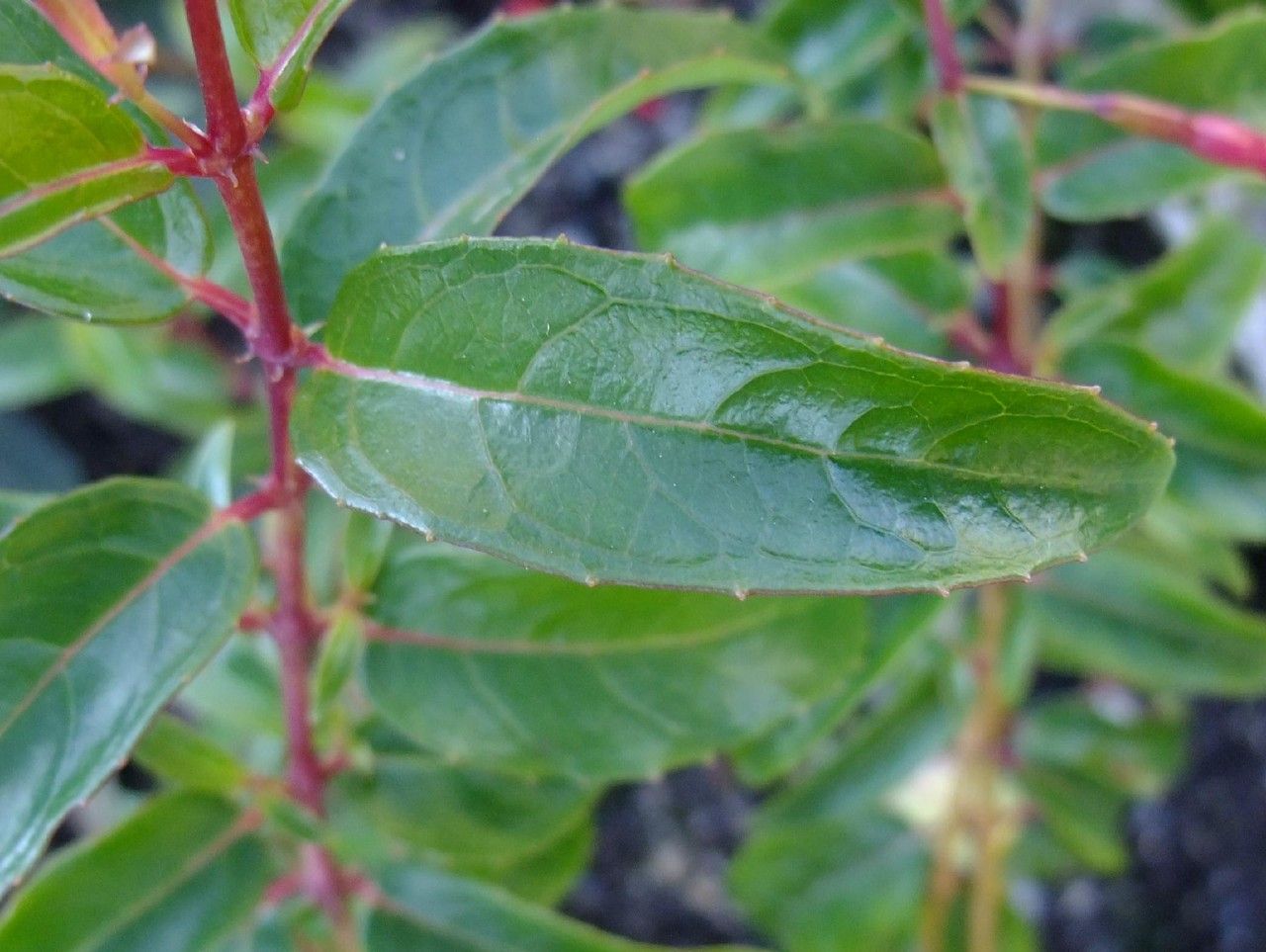
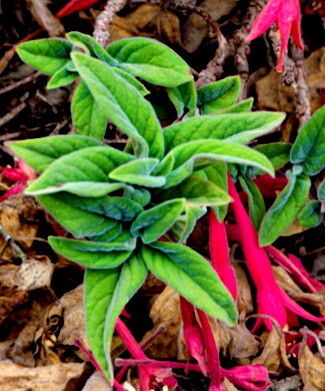
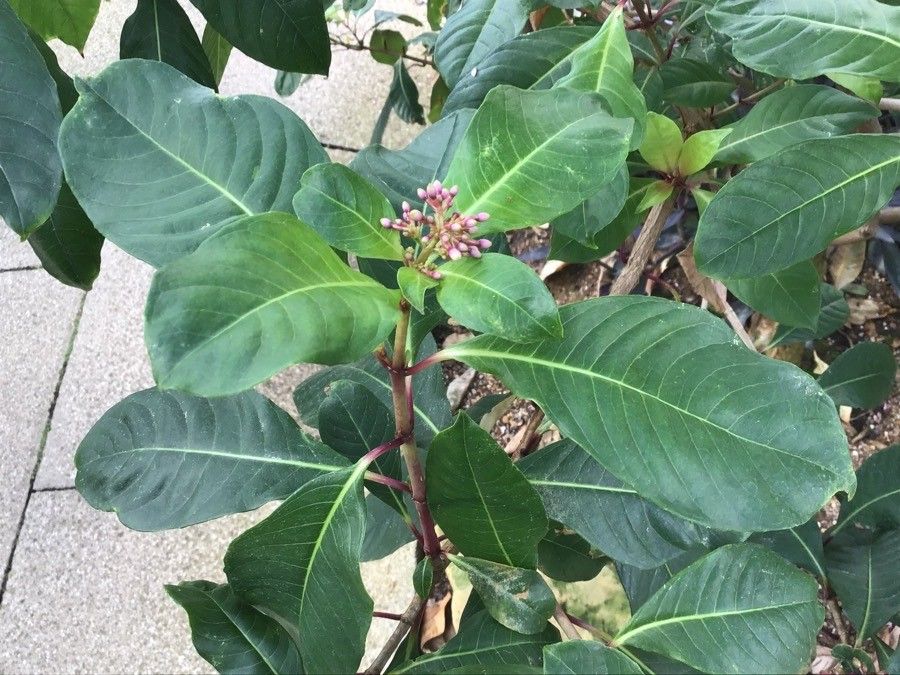
The leaves are oval-shaped with pointed tips, dark green on the top, and lighter underneath. The flowers are pendulous and bell-shaped, featuring four petals that range in color from pinkish-purple to red.
This plant prefers moist soil conditions but can tolerate some drought once established. It thrives in partial shade or filtered sunlight but can also handle full sun exposure.
Fuchsia excorticata serves several purposes, including ornamental use due to its attractive flowers. It has medicinal uses for treating ailments such as diarrhea and dysentery and is also used for making traditional Maori musical instruments.
Overall, Fuchsia excorticata is an important species, playing significant ecological and cultural roles within its native New Zealand range.
Kotukutuku is well resistant to disease and usually not susceptible to illnesses. With regard to care, this plant is fairly low-maintenance. When grown outdoors it needs little watering, and larger plants typically do not require pruning. Smaller plants, however, should be pruned after they finish blooming. Kotukutukut is appropriate for anyone with an outdoor area, such as a garden or deck, and does not need extensive plant-care experience.
How to keep Fuchsia Excorticata.
Light
Kotukutuku favors mild sunlight interrupted frequently by shade to promote healthy growth. It can adapt and persist in places with strong sunlight, though that may lead to stunted growth. Having originated in environments with dappled light, both too much and too little light can negatively affect its health.
Water
Kotukutuku thrives in humid, moisture-rich environments similar to its native temperate rainforests. To maintain its lush foliage, it needs to be watered twice a week and can tolerate short periods of dryness. As an evergreen, kotukutuku requires consistent hydration year-round, especially in dry indoor conditions.
Temperature
Kotukutuku is highly adaptable to a wide range of climates, from blistering summers to frosty winters. Still, it has a preferred temperature range for healthy growth. If temperatures become too high, the plant can suffer from heat and humidity stress, which may cause it to die. In areas where temperatures approach the lower threshold of its cold tolerance, it is important to insulate the plant for protection.
Fertilizer
Timing is important when fertilizing Kotukutuku. Apply fertilizer starting in early spring and continue once a month until early summer. Fertilizer encourages attractive blooms and supplies energy during both dormant and active growth phases.
Pruning
To keep your kotukutuku healthy, prune it in early spring before new growth begins. Start by removing any dead branches and shaping the plant to improve air circulation. Regular trimming will enhance flowering and prevent the plant from becoming leggy. Make sure your cuts are clean to avoid pest problems; this will also promote healing and improve the plant's appearance and longevity.
Pot & Repot
Repot kotukutuku every 2 to 3 years, ideally in the spring, using a large container with good drainage. After repotting, water it moderately and keep it in partial shade to help it recover. Taking extra care during this transition period will improve the kotukutuku's growth and overall health.
Botanical profile.
- Plant Type
- Tree, Shrub
- Life Cycle
- Perennial
- Genus
- Fuchsia
- Family
- Onagraceae
- Hardiness Zone
- 9-11
- Mature Height
- 14.94 m
- Mature Spread
- 7.92 m
- Leaf Color
- Green, Yellow
- Leaf Type
- Deciduous
- Flower Color
- Purple
- Flower Size
- 1.02 cm to 1.52 cm
- Bloom Time
- Spring, Early summer, Mid summer
- Planting Time
- Spring, Summer, Autumn
- Harvest Time
- Summer, Early fall, Mid fall
- Native Area
- New Zealand
Other names.
Reader questions.
What are the sunlight requirements for Kotukutuku (Fuchsia excorticata)?
Kotukutuku requires gentle sunlight accompanied by frequent periods of shade to foster nourishing growth. Despite its ability to survive in areas with intense sunlight, too much exposure may lead to stunted growth. Originating from environments that offer dappled sunlight, improper light conditions could negatively impact the plant's health. To support indoor plants in less sunny conditions or during winter, artificial lighting becomes essential. LED lights are preferred due to their capacity to offer specific wavelengths needed by plants. The intensity of artificial light suitable for plants varies according to their sunlight needs: full sun plants require 30-50W/sq ft, partial sun plants need 20-30W/sq ft, and full shade plants need 10-20W/sq ft of artificial light. Additionally, the distance between the plant and the light source should be 12-36 inches, and the duration should mimic natural daylight hours, typically 8-12 hours per day.
What is Kotukutuku?
Kotukutuku is a plant known by its botanic name, Fuchsia excorticata. It does not have provided information on essentials or symptoms related to it in the data.
What symptoms indicate Kotukutuku is receiving inadequate light, and how can it be addressed?
When Kotukutuku is grown in insufficient light, it may exhibit various symptoms such as smaller new leaves, leggy or sparse growth, accelerated leaf drop, delayed or halted growth, lighter-colored or yellowish new leaves, and signs of physical damage like sunscald, leaf curling, wilting, and leaf scorching. To address these issues, indoor plants can be shifted gradually to sunnier spots to receive 3-6 hours of direct sunlight daily or supplemented with artificial lighting for at least 8 hours daily. Outdoors, plants should be moved progressively to better sunlight over weeks to prevent sunburn. Minimizing obstructions, like pruning trees that block sunlight, or transplanting smaller plants during their dormant period to a space with adequate sunlight and good drainage, can also help.
How does the warning about sunlight movement and balance relate to planting Kotukutuku?
Observing how sunlight moves through your garden and identifying spots with the optimal balance of light and shade is crucial for planting Kotukutuku. This careful placement ensures that the plant's needs for gentle sunlight and occasional shade are met, promoting its health and happiness. It's important to understand the specific light requirements—partial sun (3-6 hours of sunlight) to full sun (above 6 hours of sunlight)—to choose the best location that suits the Kotukutuku, thus shielding it from the potential negative effects of too much or too little sunlight.