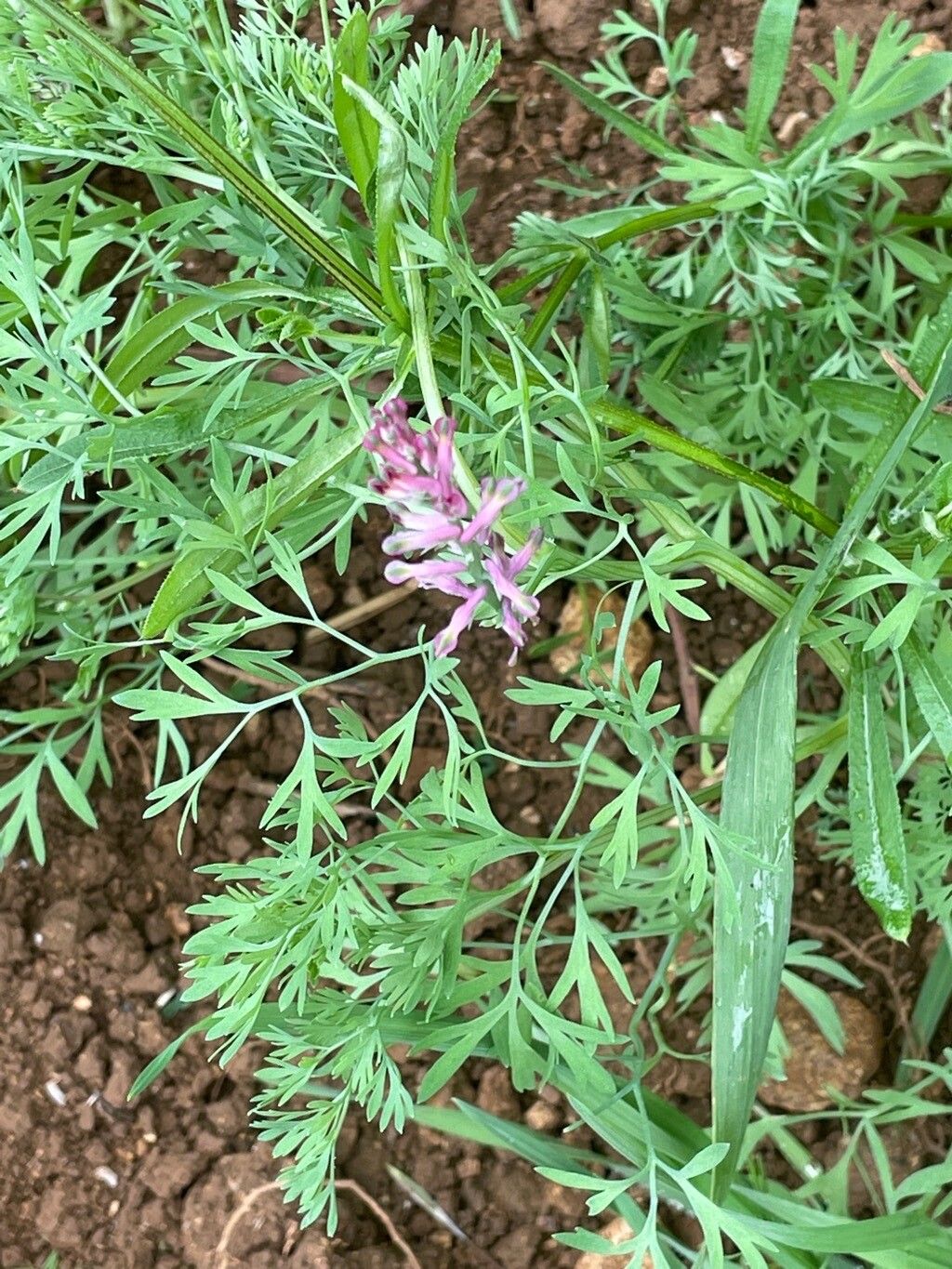
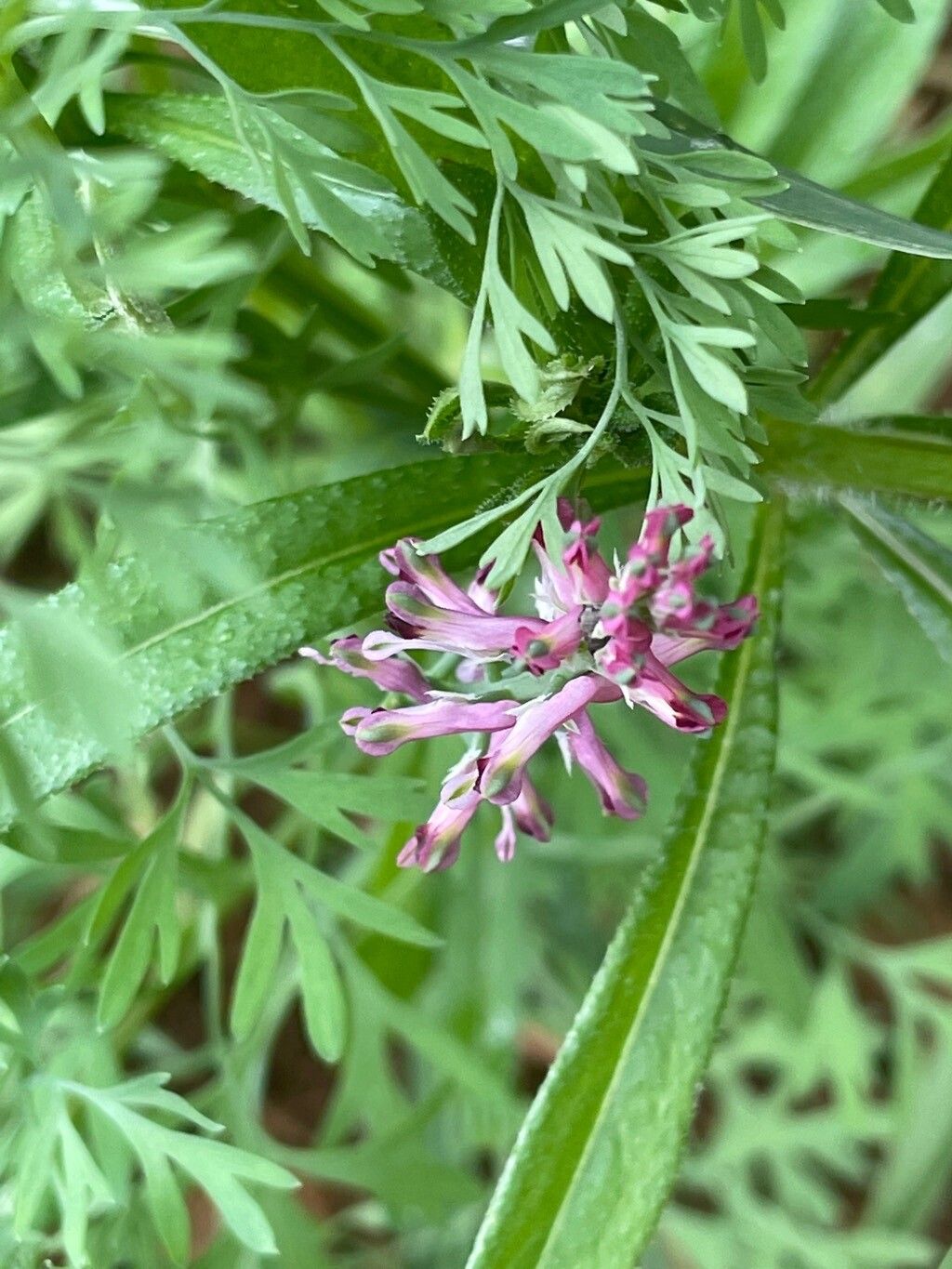
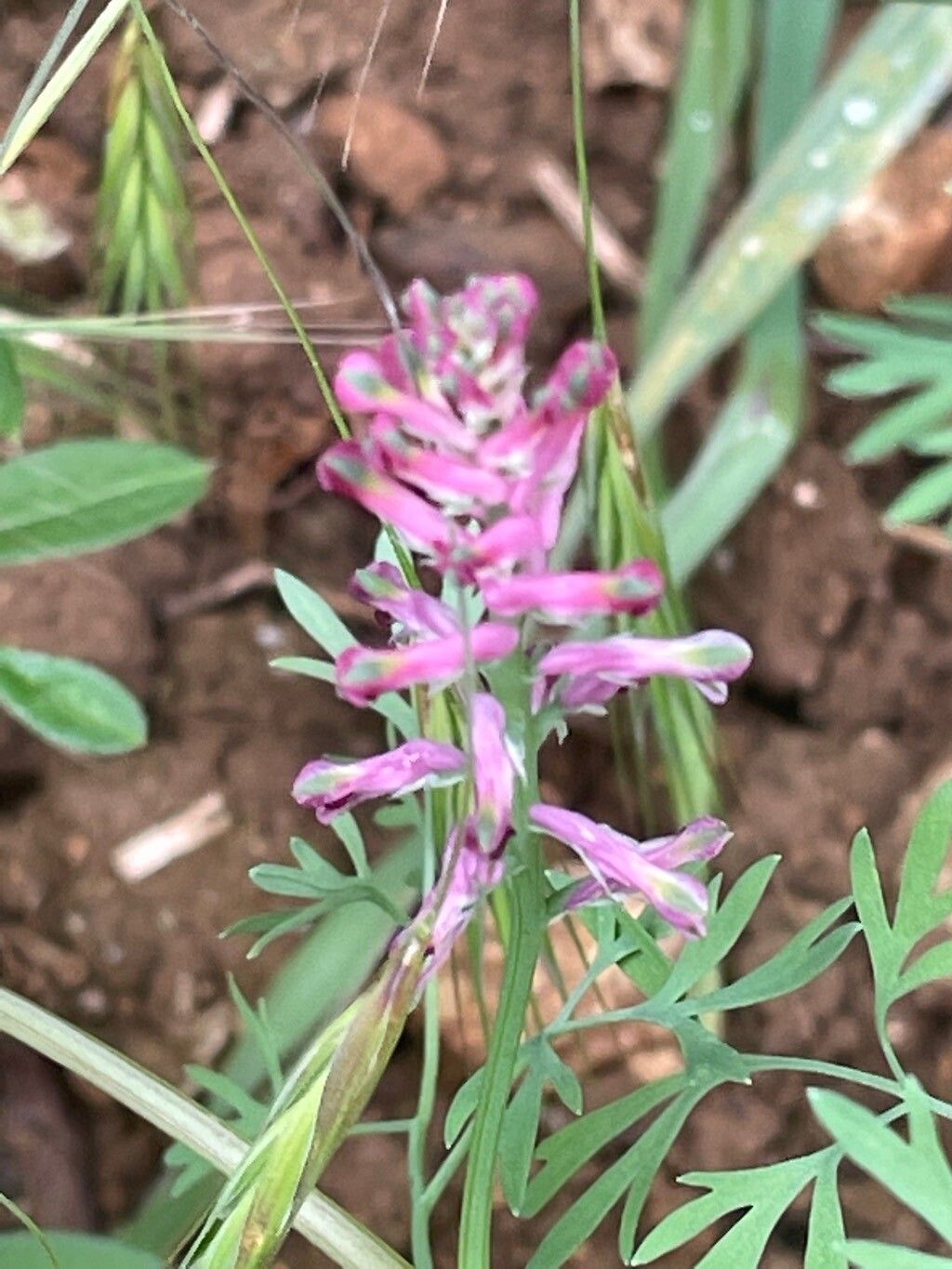
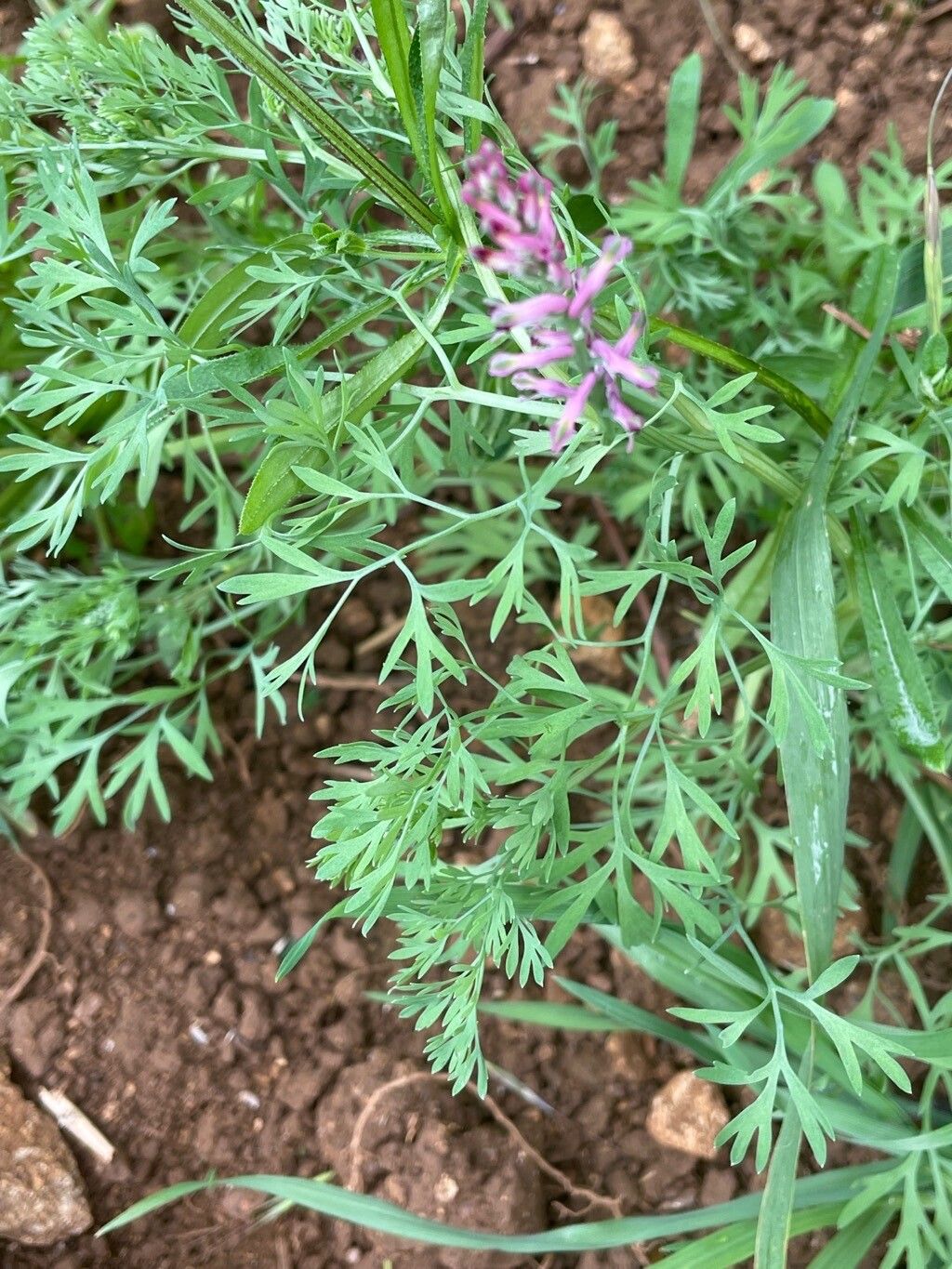
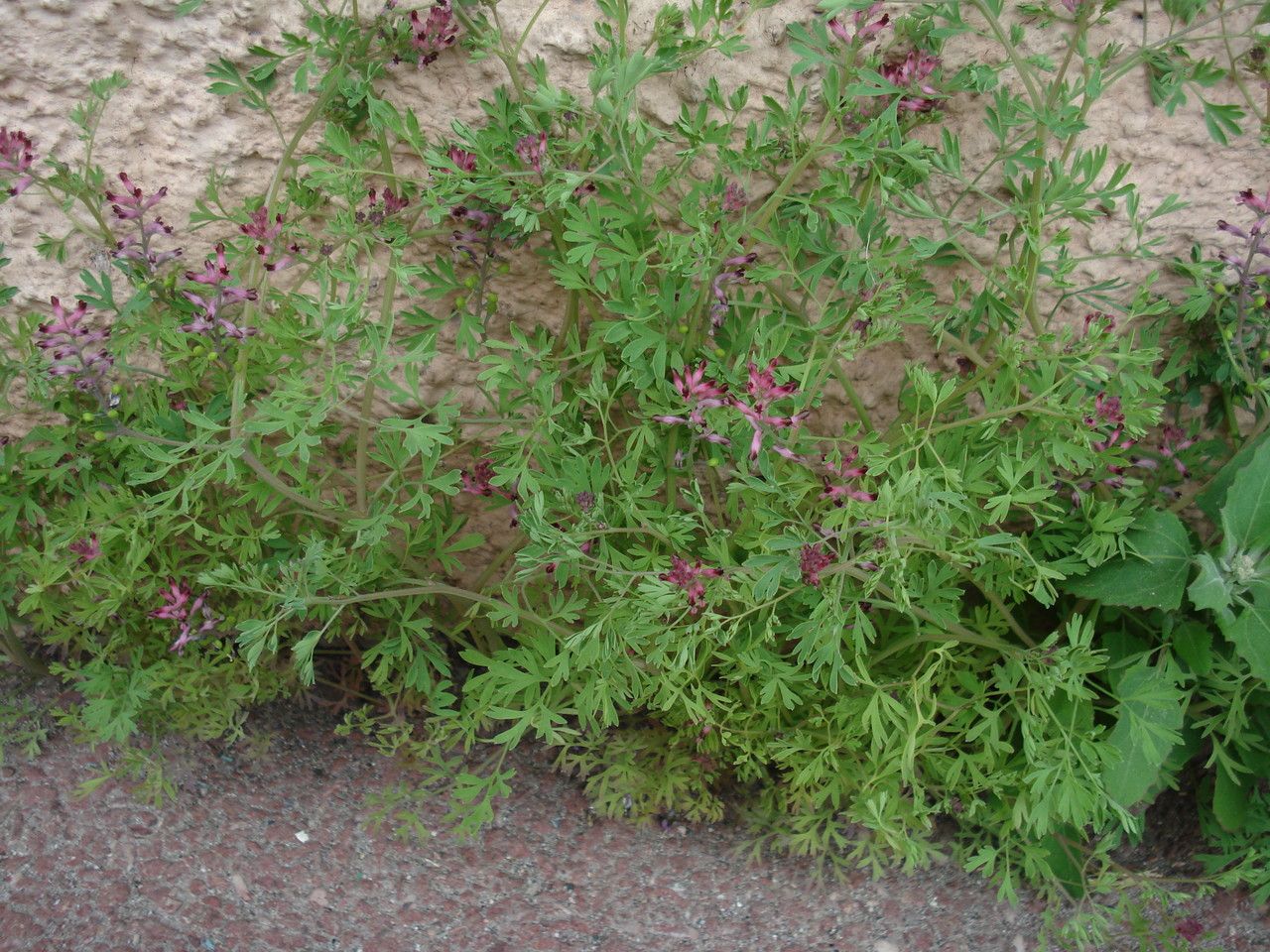
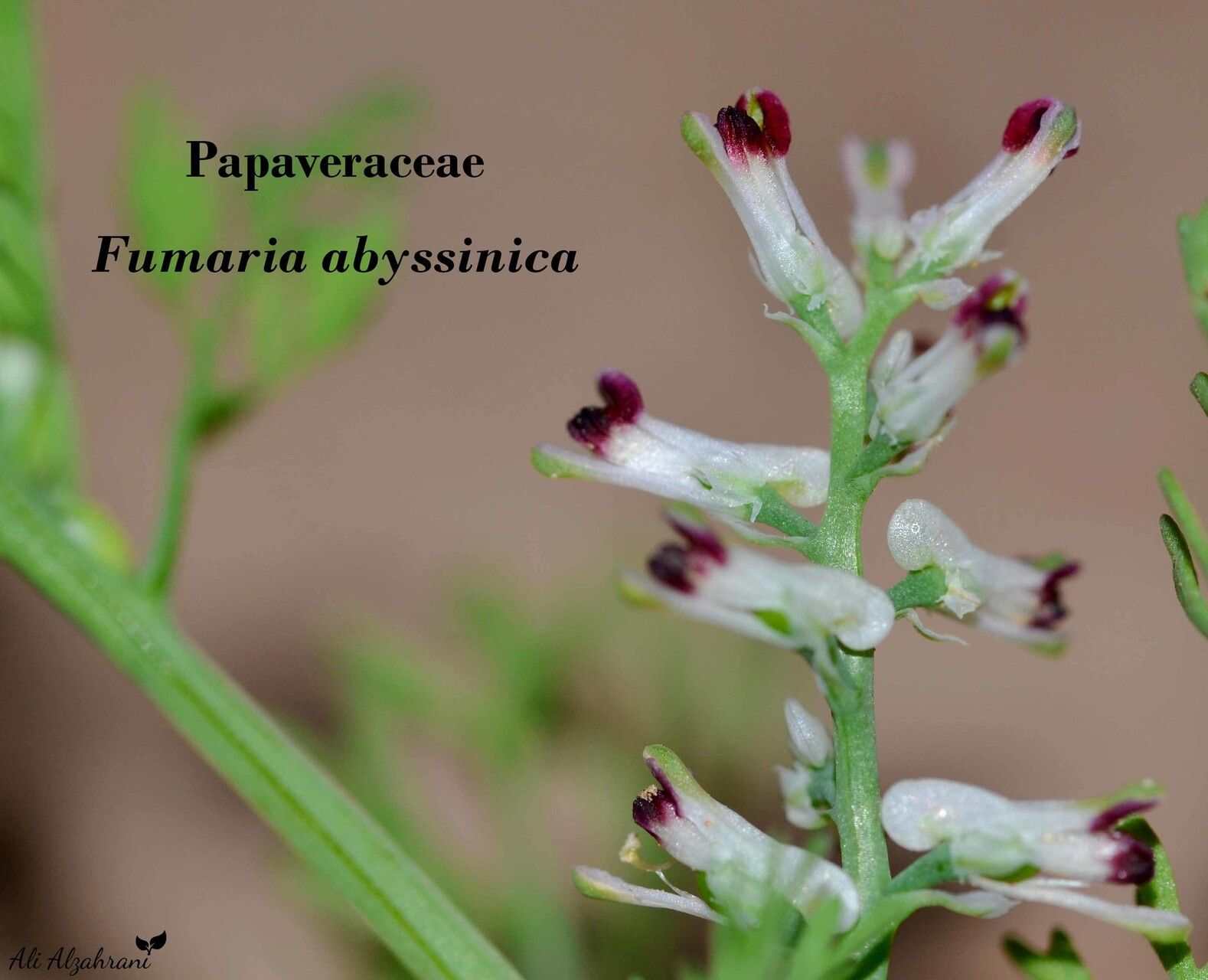
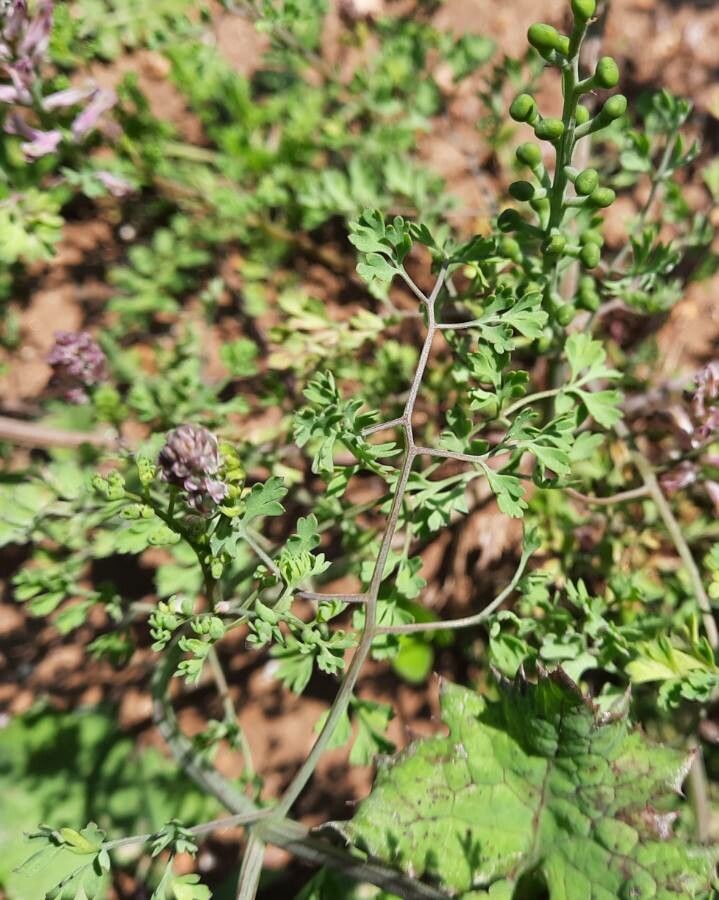
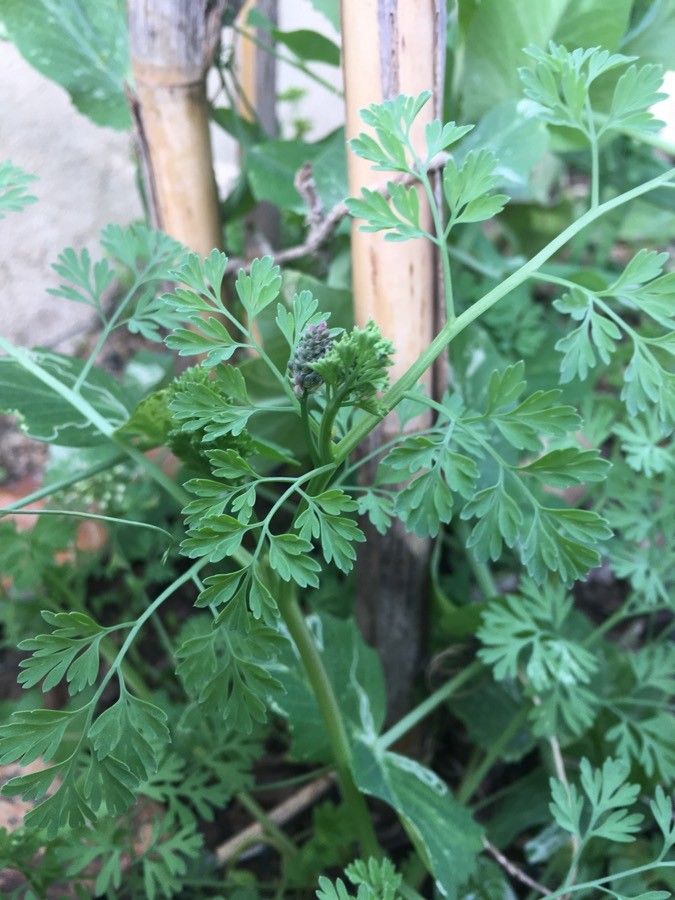
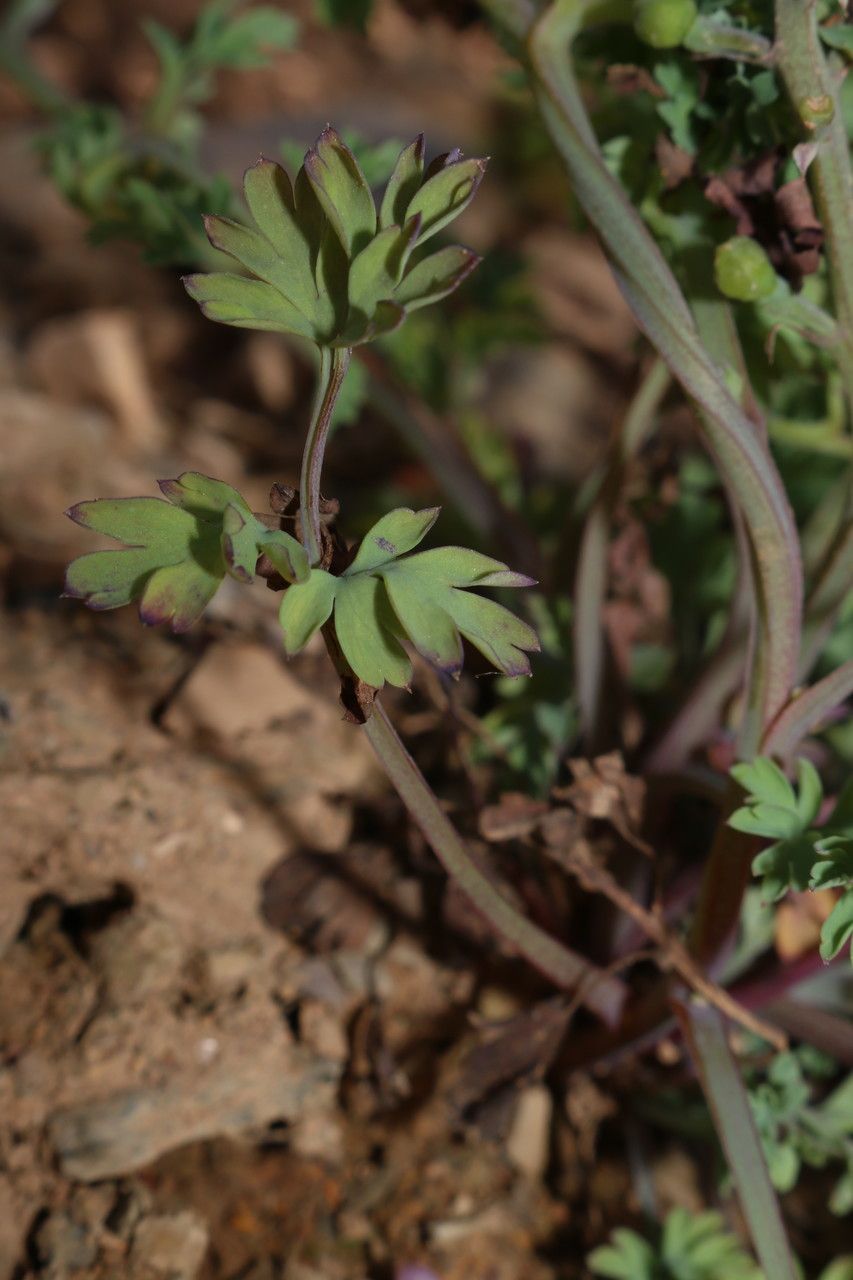
Fumaria schleicheri is a species of annual herb in the family Papaveraceae. They have a self-supporting growth form and have simple, broad leaves. Individuals can grow to 19 cm.
Schleicher's fumitory is fairly resistant to disease and generally does not tend to get sick. However, it can be affected by pests and diseases present in its surroundings. These infections are typically not serious. As for care, this plant needs moderate maintenance. It should be pruned regularly to keep a pleasing appearance and support healthy growth. Fertilizing can also help encourage flowering. Schleicher's fumitory is well suited for anyone with outdoor space, such as a garden or patio, and does not demand a lot of care experience. It may need more attention when grown indoors.
How to keep Fumaria Schleicheri.
Light
Schleicher's fumitory comes from habitats with dappled light, such as forest understories or rocky areas that provide natural shade. It prefers partial sun but can also adapt to full-sun conditions.
Water
Schleicher's fumitory flourishes in moisture-rich environments, preferring consistently moist soil that isn't waterlogged. Watering it twice a week helps mimic its natural habitat. Usually grown outdoors, it enjoys the benefits of natural light, airflow, and rainwater during the growing season, all of which are essential for its optimal health.
Temperature
Schleicher's fumitory can adjust to a wide range of temperature conditions, but its distribution may nonetheless be restricted by different combinations of moisture and heat. It does best in warm summer climates when there is sufficient rainfall or watering. Long stretches of cloudy, rainy weather or prolonged high temperatures can increase the risk of Schleicher's fumitory dying. In winter, adequate protection from cold can enhance the plant's survival rate.
Fertilizer
When most of Schleicher's fumitory's blooms have opened to full size, resume fertilizing. At peak bloom production, apply fertilizer once every three to four weeks, weather permitting. Then, when Schleicher's fumitory begins to produce fewer new blooms, stop fertilizing; there's no need to feed the plant when it can no longer produce more blooms.
Pruning
To promote healthy growth and blooming, prune Schleicher's fumitory from early to late spring. Remove any dead or damaged stems, and trim overgrown areas to improve air circulation and light penetration. Regular pruning not only enhances the density of the foliage but also extends the flowering period, thereby increasing the garden's visual appeal.
Botanical profile.
- Plant Type
- Herb
- Life Cycle
- Annual
- Genus
- Fumaria
- Family
- Papaveraceae
- Hardiness Zone
- 5-9
- Mature Height
- 10 cm to 40 cm
- Mature Spread
- 15 cm to 30 cm
- Leaf Color
- Light Green, Pale Green
- Leaf Type
- Semi-evergreen
- Flower Color
- Pink, White
- Flower Size
- 0.51 cm to 0.76 cm
- Bloom Time
- Mid spring, Late spring, Early summer, Mid summer
- Planting Time
- Spring, Summer, Autumn
- Harvest Time
- Summer, Early fall
Other names.