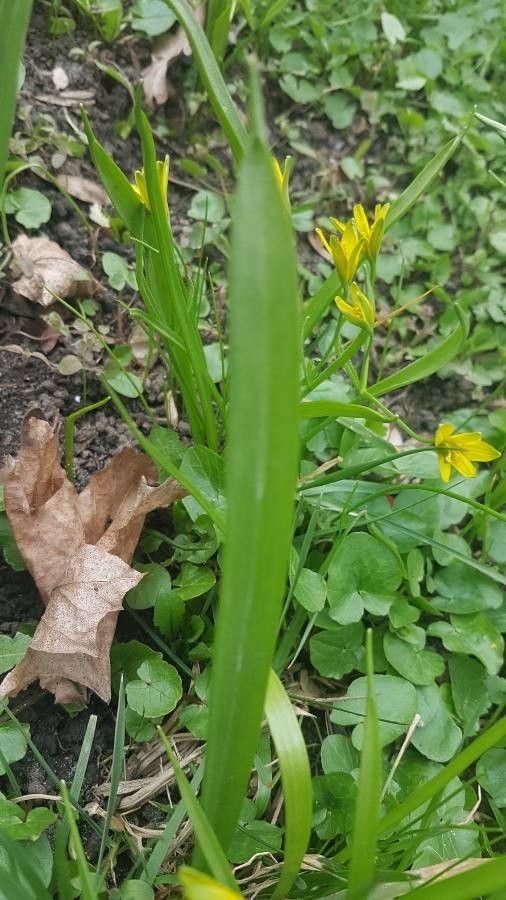
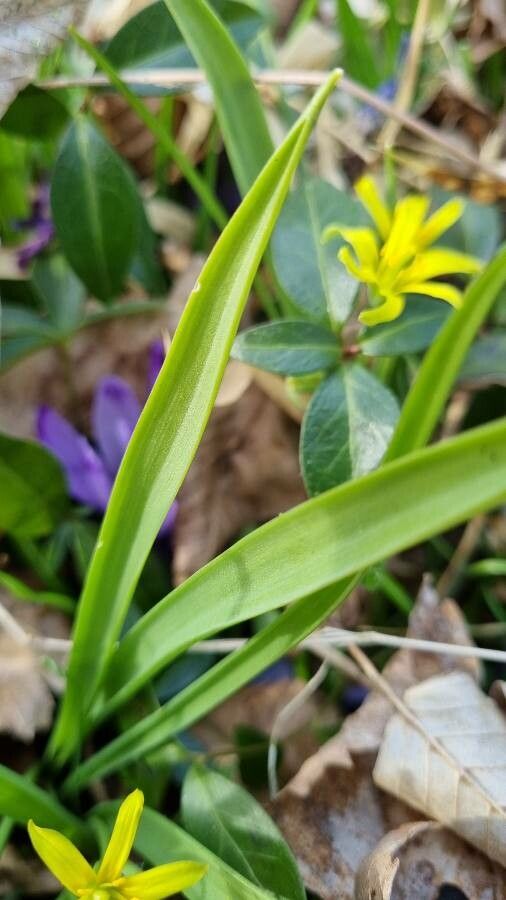
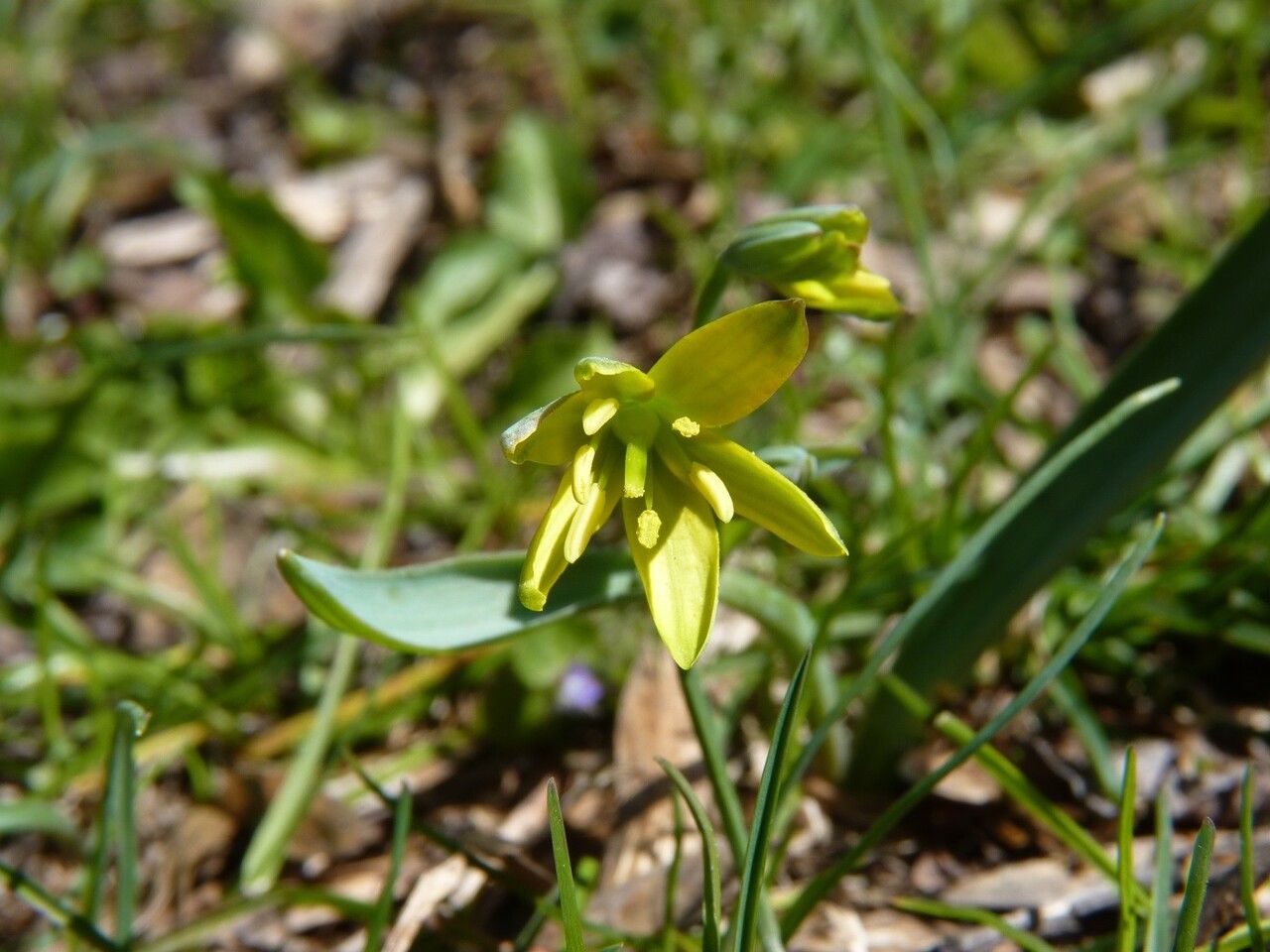
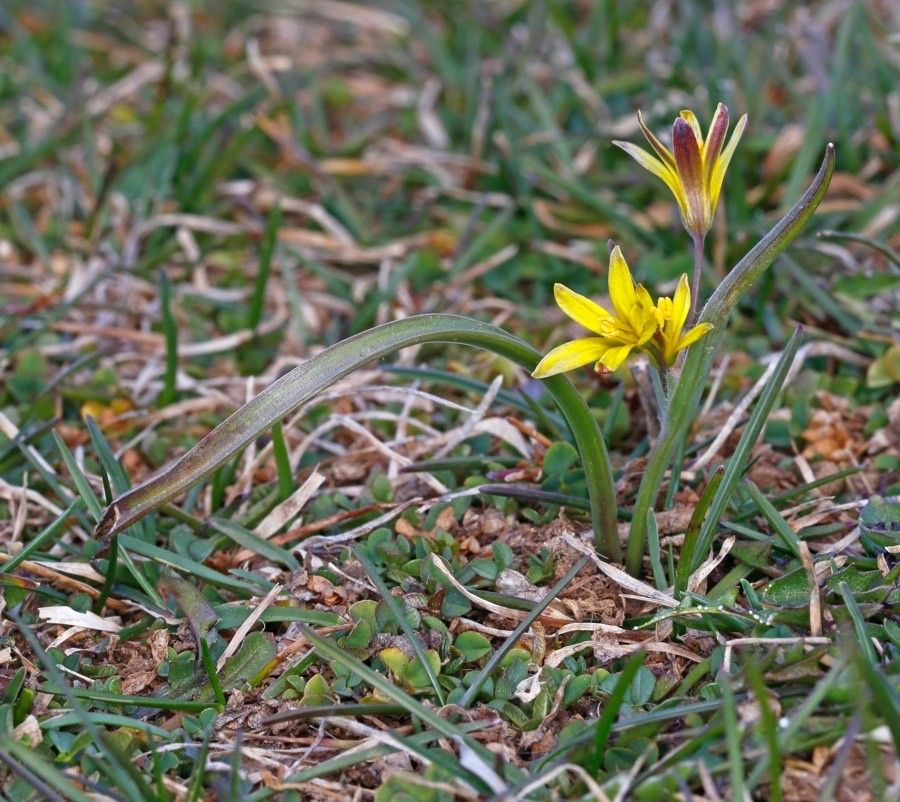
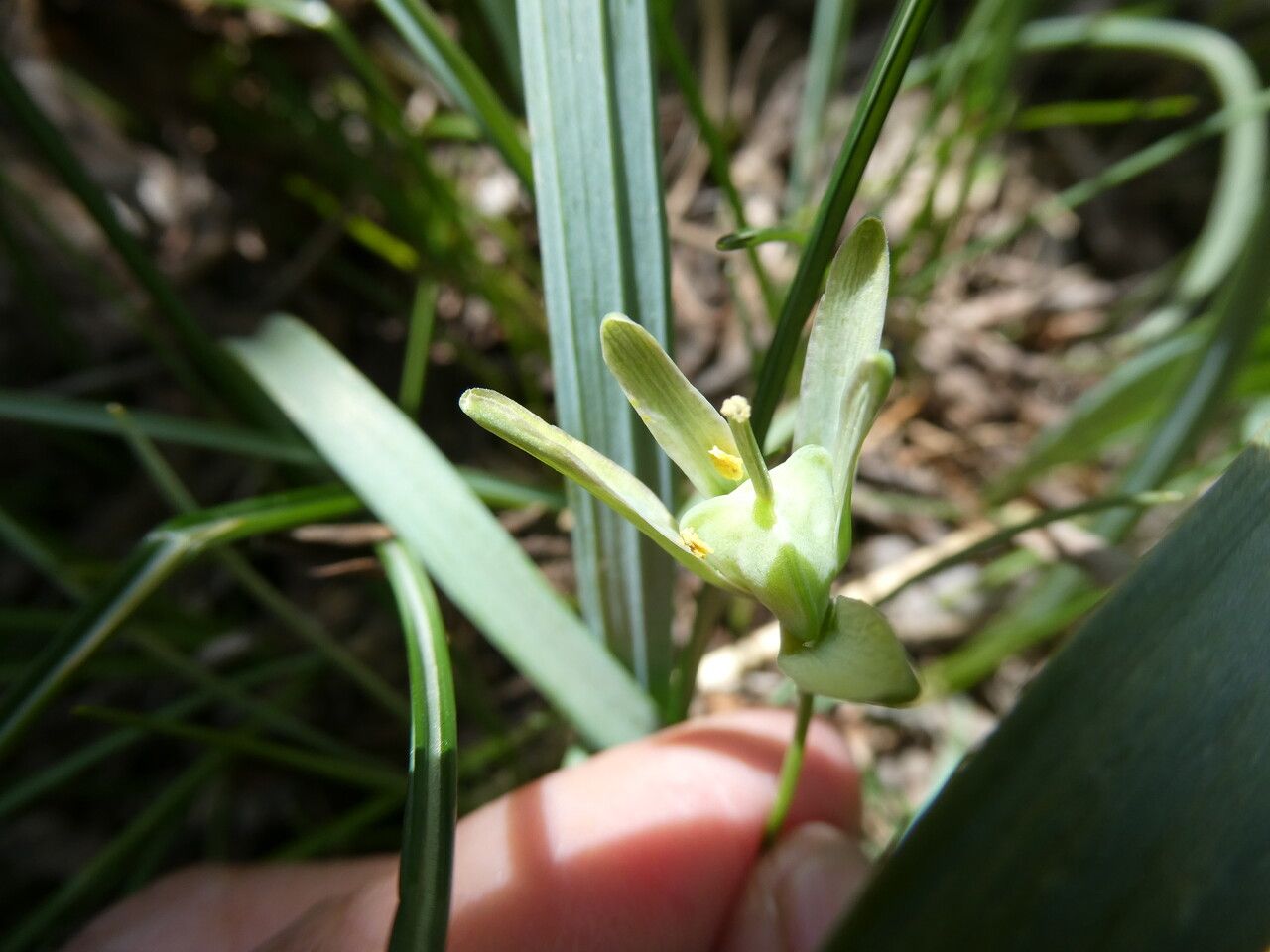
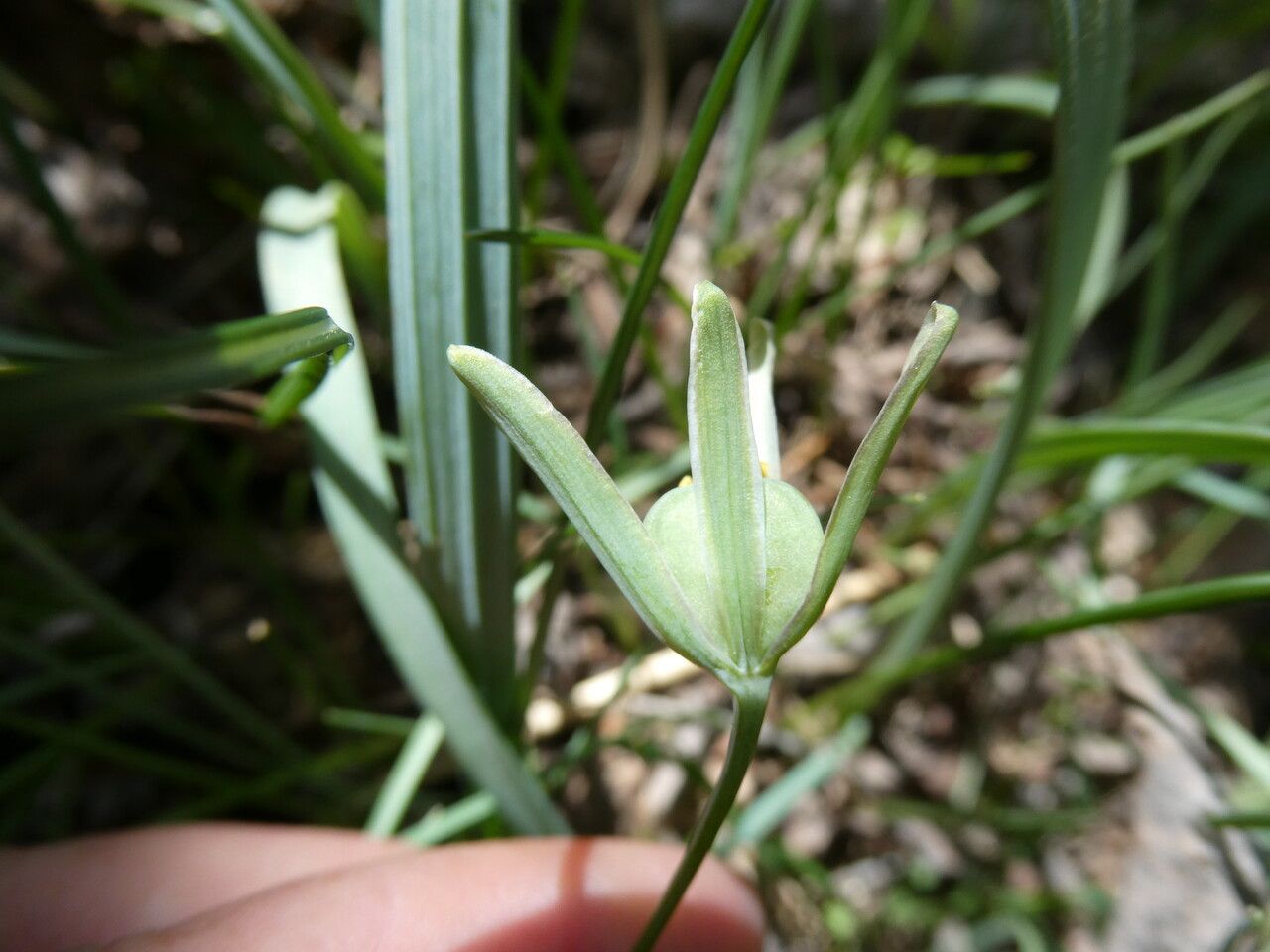
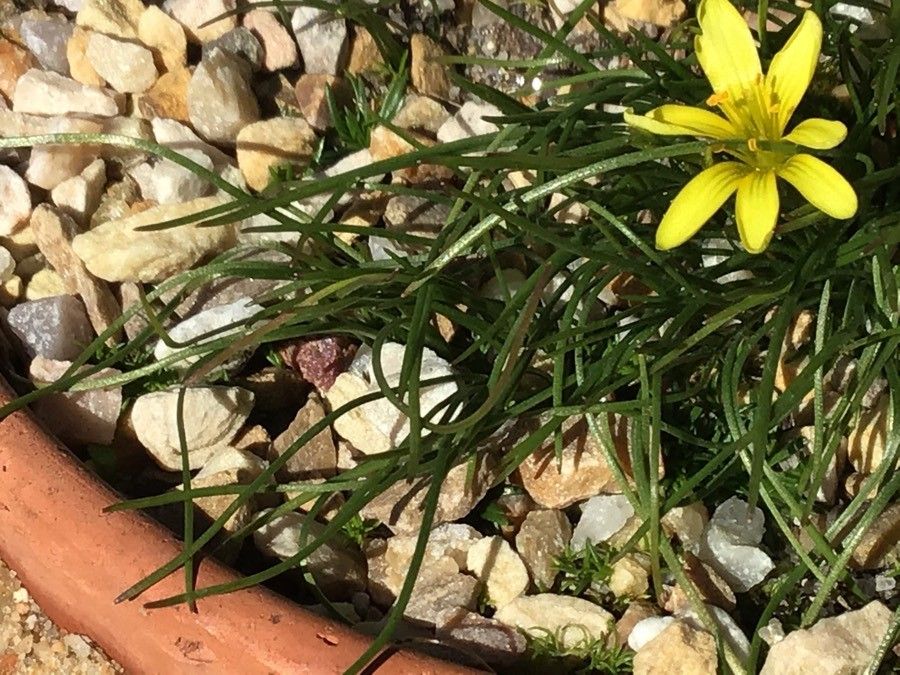
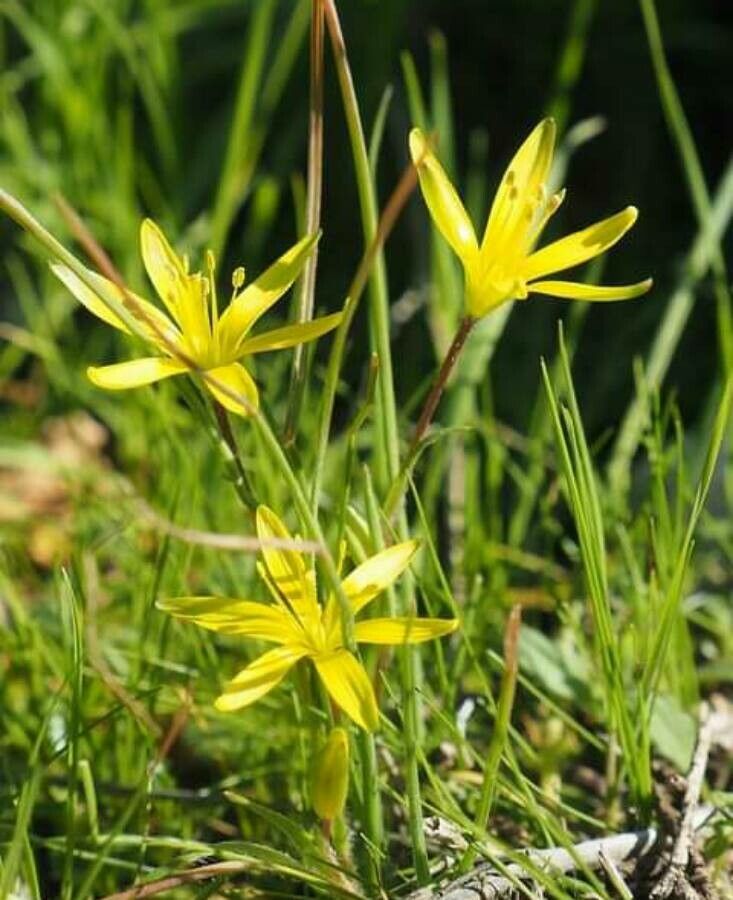
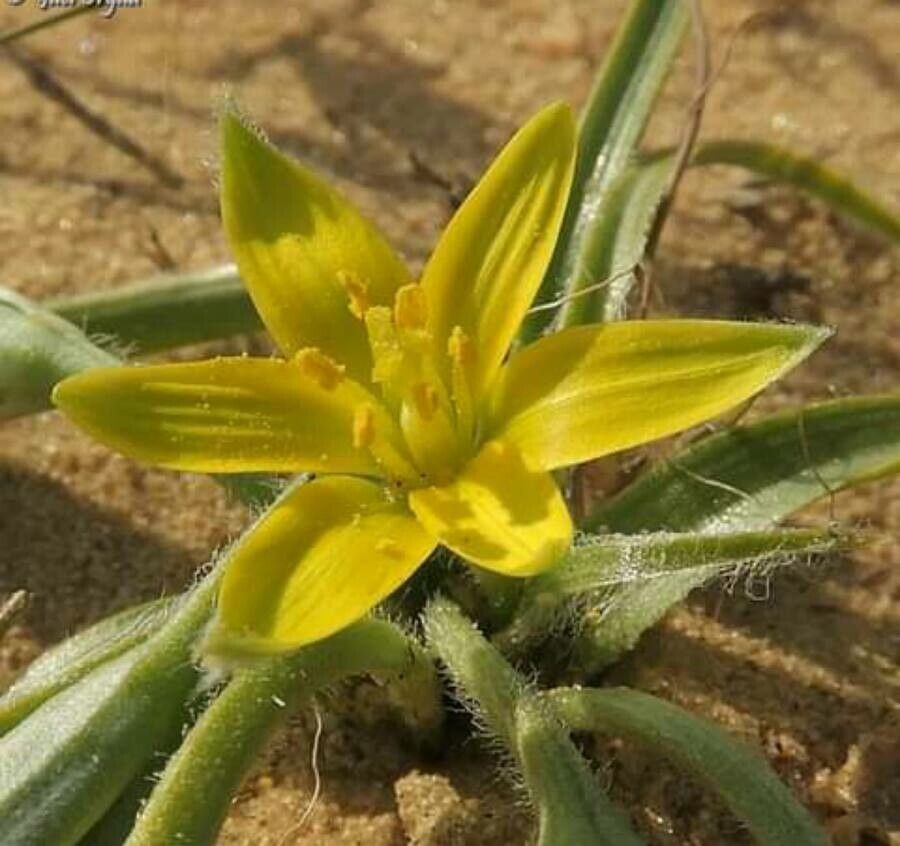
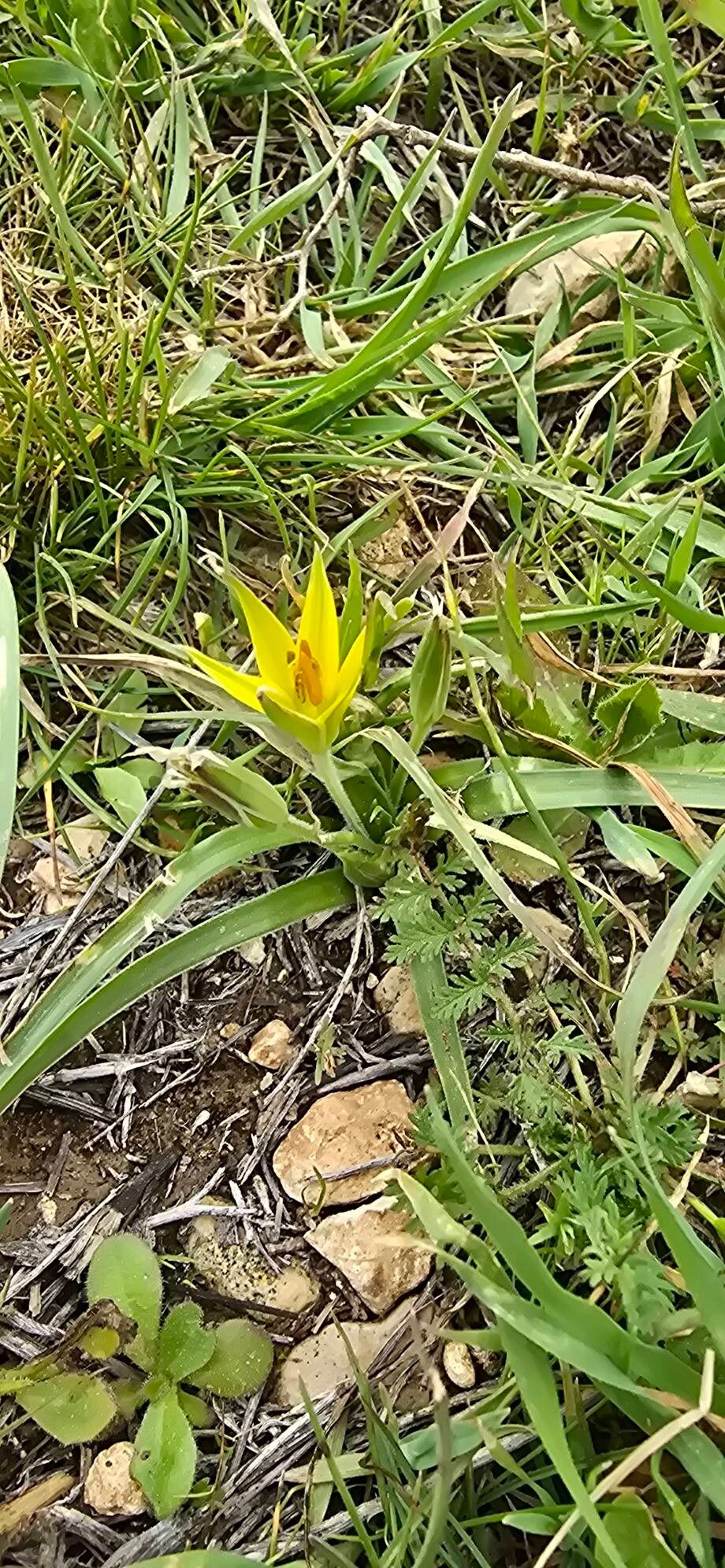
Gagea lutea, commonly known as the yellow star-of-Bethlehem, is a perennial herbaceous plant in the Liliaceae family. Native to Europe and Asia, it thrives in meadows, woodlands, and rocky areas. The plant can grow up to 30 cm tall and features narrow leaves measuring approximately 5-15 cm in length. Its bright yellow flowers, each with six star-shaped petals, bloom from March to May.
This plant serves as an important early spring nectar source for bees and other pollinators. Although Gagea lutea has been traditionally used for its diuretic properties, caution is advised since it contains toxic compounds that can induce vomiting if ingested in large quantities.
Overall, Gagea lutea is a beautiful wildflower that enhances early spring landscapes with its vibrant color and provides significant ecological benefits.
Yellow star-of-bethlehem has strong disease resistance and is typically not prone to illnesses. Still, it can be vulnerable to pests and diseases present in its environment. Such infections tend to be mild. Regarding care, this plant is moderately demanding. It should be pruned on a regular basis to preserve an attractive appearance and encourage healthy growth. Applying fertilizer can also aid in boosting flowering. Yellow star-of-bethlehem is appropriate for anyone with outdoor areas like a garden or patio and does not demand extensive gardening experience. It may need extra attention if cultivated indoors.
How to keep Gagea Lutea.
Light
The yellow star-of-bethlehem needs plentiful sunlight for optimal growth, though it is hardy enough to tolerate lower light levels, including shade. Its native environment indicates a preference for ample sun. Nevertheless, excessive or insufficient light can impair its healthy development.
Water
The Yellow Star-of-Bethlehem thrives in moist soil with reliable hydration, yet it can tolerate moderate drought. For optimal growth, especially vibrant yellow blooms in the spring, it is advisable to water it weekly to maintain consistent moisture levels.
Temperature
The yellow star-of-bethlehem is a plant that naturally prefers temperate conditions, favoring temperatures from 41 to 95°F (5 to 35℃). Adjusting its surrounding temperature as the seasons change is necessary to ensure its healthy growth.
Fertilizer
The optimal time to fertilize a Yellow star-of-bethlehem is in early spring, as it comes out of dormancy and begins active growth. Fertilizing supplies essential nutrients needed for healthy development. Although the Yellow star-of-bethlehem has comparatively low fertilizer requirements, applying fertilizer annually can improve its survival and encourage better, longer-lasting blooms.
Pruning
The yellow star-of-Bethlehem requires minimal pruning. In the spring, remove any dead foliage to promote healthy growth and prevent disease. Clearing away spent flowers also improves the plant's appearance. Use clean, sharp tools to minimize damage and support quick recovery. This ensures that the yellow star-of-Bethlehem stays vibrant.
Botanical profile.
- Plant Type
- Herb
- Life Cycle
- Perennial
- Genus
- Gagea
- Family
- Liliaceae
- Hardiness Zone
- 5-9
- Mature Height
- 25 cm
- Mature Spread
- 30 cm
- Leaf Color
- Green, Blue
- Leaf Type
- Deciduous
- Flower Color
- Yellow
- Flower Size
- 2.03 cm to 3.05 cm
- Bloom Time
- Early spring, Mid spring
- Planting Time
- Spring
- Harvest Time
- Mid spring, Late spring
- Native Area
- Turkey, Sweden, India, Austria, Slovakia, Montenegro, Pakistan, Slovenia, Croatia, Belarus, Russia, Germany, Estonia, Romania, Latvia, Belgium, Netherlands, Nepal, France, Czech Republic, Bulgaria, Armenia, Poland, Greece, Ukraine, Serbia, Lithuania, Norway, Afghanistan, Italy, Kazakhstan, Spain, Switzerland, Denmark, Japan, Finland, Iran, Albania, Azerbaijan, United Kingdom, Hungary
Other names.
Reader questions.
How should I water my Yellow star-of-bethlehem plant?
To water the Yellow star-of-bethlehem effectively, it is best to use filtered water at room temperature. Tap water should be avoided as it may contain harmful particles. Since the plant thrives in warm conditions, it is important to avoid using cold water as it could shock the plant. Additionally, overhead watering should be avoided to prevent foliage complications. Instead, water the plant by applying filtered room temperature water directly to the soil until it is completely soaked. This will benefit the plant by moistening the roots and aiding in the spread of nutrients through the soil.
What are the sunlight requirements for Yellow Star-of-Bethlehem (Gagea lutea)?
The Yellow Star-of-Bethlehem (Gagea lutea) flourishes best in full sun, requiring more than 6 hours of sunlight daily. However, it can also adapt to partial sun and full shade conditions, which means about 3-6 hours of sunlight. This adaptability indicates that while the plant prefers abundant sun exposure for ideal growth, reminiscent of its native habitat, it can also endure lesser light conditions. To ensure your plants thrive, it's essential to watch how sunlight moves through your garden throughout the day, choosing spots that offer a good balance of light and shade.
What is the preferred environment for Yellow star-of-bethlehem?
Yellow star-of-bethlehem, or Gagea lutea, thrives in a temperate environment, favoring temperatures ranging from 41 to 95°F (5 to 35°C). It adapts well to different seasonal temperatures, giving it a robust growth cycle throughout the year. Although it possesses a strong resistance to cold, ensuring that it has the right conditions, especially during the extremes of winter, is key to maintaining its health. Even in colder climates where the temperature can drop below -25°C, the plant manages well without special frost protection measures but may require some additional care such as covering it with soil or straw to protect from extreme cold.
What should I do if I give my Yellow star-of-bethlehem plant too much or too little water?
Both overwatering and underwatering can harm the health of your Yellow star-of-bethlehem, but overwatering is more common. Overwatering can cause wilting, yellowing of leaves, and diseases like root rot, mold, and mildew that can kill your plant. Underwatering is less common for this plant because it can tolerate drought, but it is still possible. Signs of underwatering include brittle and brown leaves. It's important to recognize signs of overwatering early because some diseases may not be reversible if you wait too long. If you notice early signs of overwatering, reduce your watering schedule and check the soil's drainage. If the soil drains poorly, replace it with a loose, well-draining potting mix. If you see signs of underwatering, water your plant more regularly until the signs improve.
How can artificial lighting be used for indoor Yellow Star-of-Bethlehem plants?
For indoor Yellow Star-of-Bethlehem plants, adequate lighting is essential, especially when natural sunlight is insufficient, such as in winter or less sunny spaces. Artificial lighting can be a valuable solution to promote faster and healthier growth. LED lights are recommended because they can provide specific wavelengths needed by plants. Full sun plants require 30-50W per square foot of artificial light, partial sun plants need 20-30W per square foot, and full-shade plants require 10-20W per square foot. The light source should be placed 12-36 inches above the plant, mimicking natural sunlight, and most plants will benefit from 8-12 hours of artificial light per day.
How does Yellow star-of-bethlehem react to low temperatures?
Yellow star-of-bethlehem is notably cold-tolerant, performing best when temperatures remain above 5°C. It can withstand winters where temperatures don't fall below -20°C. However, exposure to temperatures below -25°C may not show immediate damage but can lead to a diminished sprouting phase or a complete lack of sprouting in the spring. To mitigate the impacts of such extreme cold, it's advisable to remove parts of the plant that have failed to sprout as the weather warms.
How often do I need to water my Yellow star-of-bethlehem plant?
If your Yellow star-of-bethlehem is in a pot, you can check if it needs water by sticking your finger into the soil. If the top two to three inches of soil are dry, it's time to water it. If it's planted outside in the ground, you can use the same method. When the top few inches of soil have dried out, it's time to water it. In spring and early fall, you may need to water this plant about once a week. In hot weather, you may need to water it twice a week or more. However, mature Yellow star-of-bethlehem plants can withstand drought well.
What are the symptoms of inadequate or excessive light in Yellow Star-of-Bethlehem?
Yellow Star-of-Bethlehem may show various symptoms in response to inadequate or excessive light. In low light, symptoms include smaller new leaves compared to mature ones, leggy or sparse growth, faster leaf drop, slowed or halted growth, and lighter-colored or yellowing leaves indicating chlorosis. Excessive sunlight can cause symptoms like sunscald, shown as pale or necrotic spots on leaves, leaf curling as a defense against water loss, wilting due to increased transpiration, and leaf scorching, characterized by brown and crispy leaf edges. Monitoring these symptoms can help in adjusting light exposure to meet the plant's needs.
What should I do if Yellow star-of-bethlehem experiences high temperatures?
During the hot summer months, it is crucial to ensure that Yellow star-of-bethlehem does not remain in conditions exceeding 35°C. Exposure to temperatures above 38°C can result in the leaves lightening in color, becoming more susceptible to curling, experiencing sunburn, and even the entire plant wilting and drying out. The best practices to protect your plant in such conditions include trimming away any sunburned or dry parts, relocating the plant to a shaded area or employing a shade cloth to shield it from the harshest midday and afternoon sun. Additionally, maintaining soil moisture by watering in the morning and evening is essential for the plant's survival and health during periods of extreme heat.
How much water does my Yellow star-of-bethlehem plant need?
To help your Yellow star-of-bethlehem thrive, don't hesitate to give it a generous amount of water. Wait until the top few inches of soil are dry, then water the plant thoroughly. Make sure to saturate the soil completely, allowing excess water to drain through the holes at the bottom of the pot. If no water drains out, it means you didn't provide enough water. However, be careful not to let the water accumulate in the soil, as it can harm the plant. On the other hand, if water doesn't drain out, it could be due to poorly draining soil, which is not good for the plant. If the plant is outdoors, about 1 inch of rain per week should be sufficient.
What solutions are recommended for managing light conditions for Yellow Star-of-Bethlehem?
To manage light conditions for Yellow Star-of-Bethlehem, here are some strategies: Indoors, gradually move plants to sunnier spots to achieve at least 6 hours of direct sunlight daily, using south-facing windows and keeping curtains open. If moving the plant isn't feasible, supplement with artificial light for at least 8 hours daily. Outdoors, adjust your plant's location to gradually increase sun exposure, avoiding sudden changes that could cause sunburn. For ground plants, reduce obstructions by pruning or transplanting to sunnier locations. Note that parts of the plant damaged by poor light may not recover, but new growth will be healthier with improved light conditions.
How do I water my Yellow star-of-bethlehem when it's growing at different stages?
The water needs of the Yellow star-of-bethlehem can vary depending on its growth stages. In the first few years of its life or after transplanting, it will require extra watering. During these stages, the plant focuses on sprouting new roots, which need more moisture to support future growth. As the plant matures, it will require less water. Another stage that may require increased watering is during the bloom period when the flower development requires more moisture.