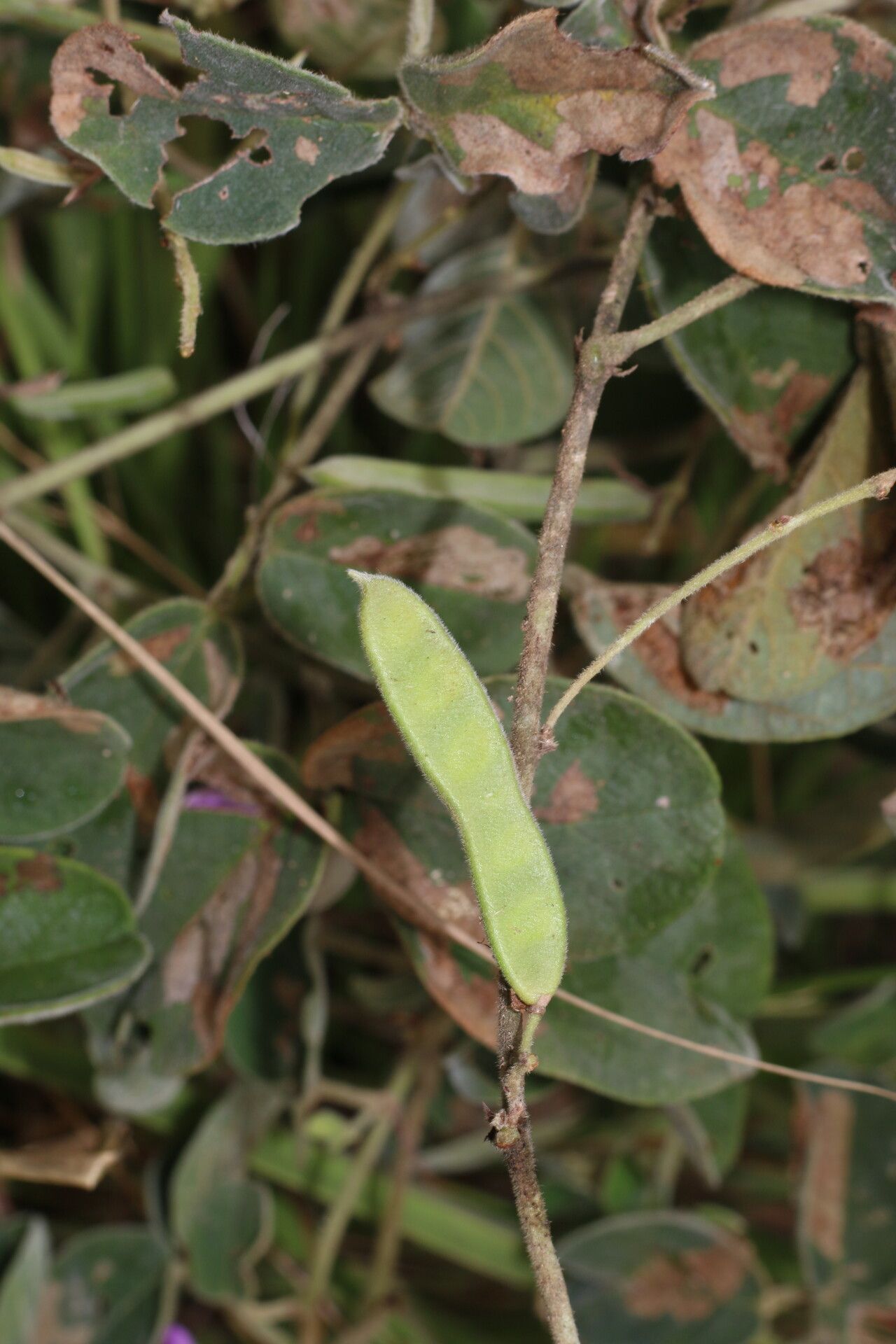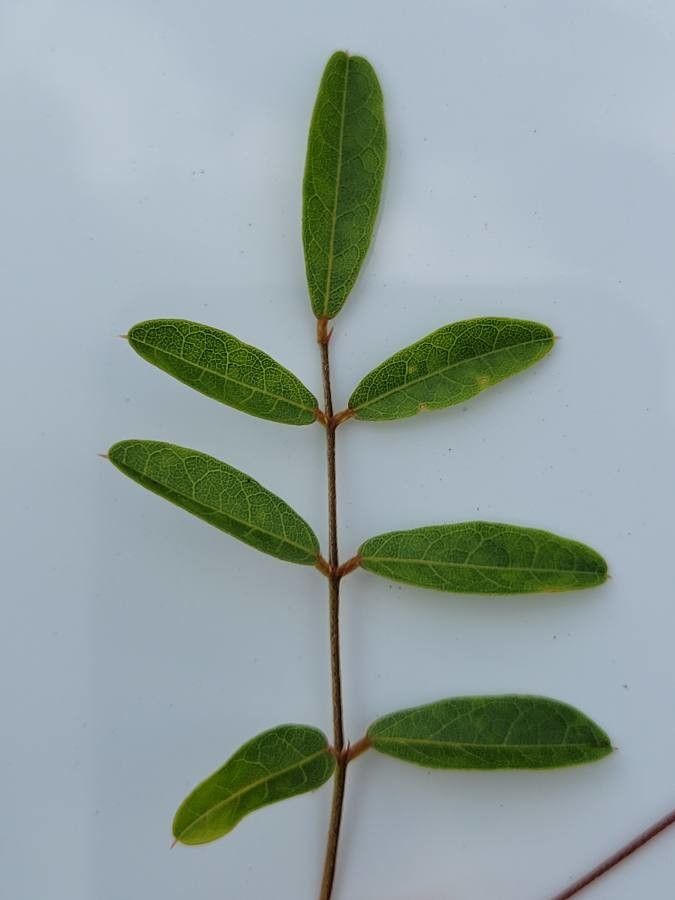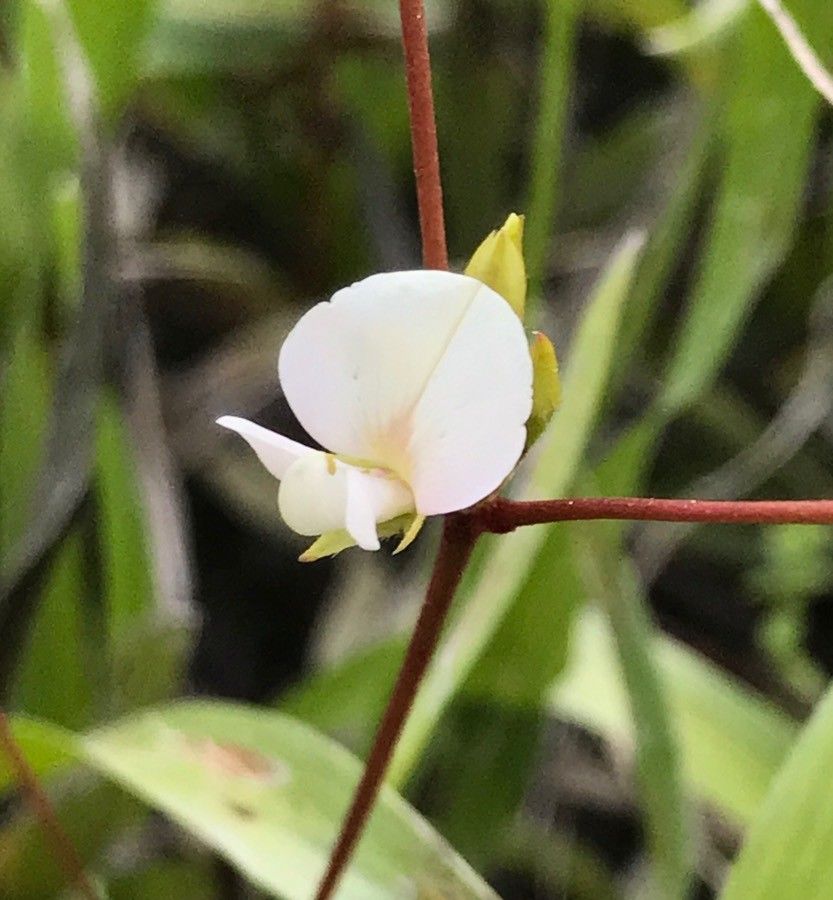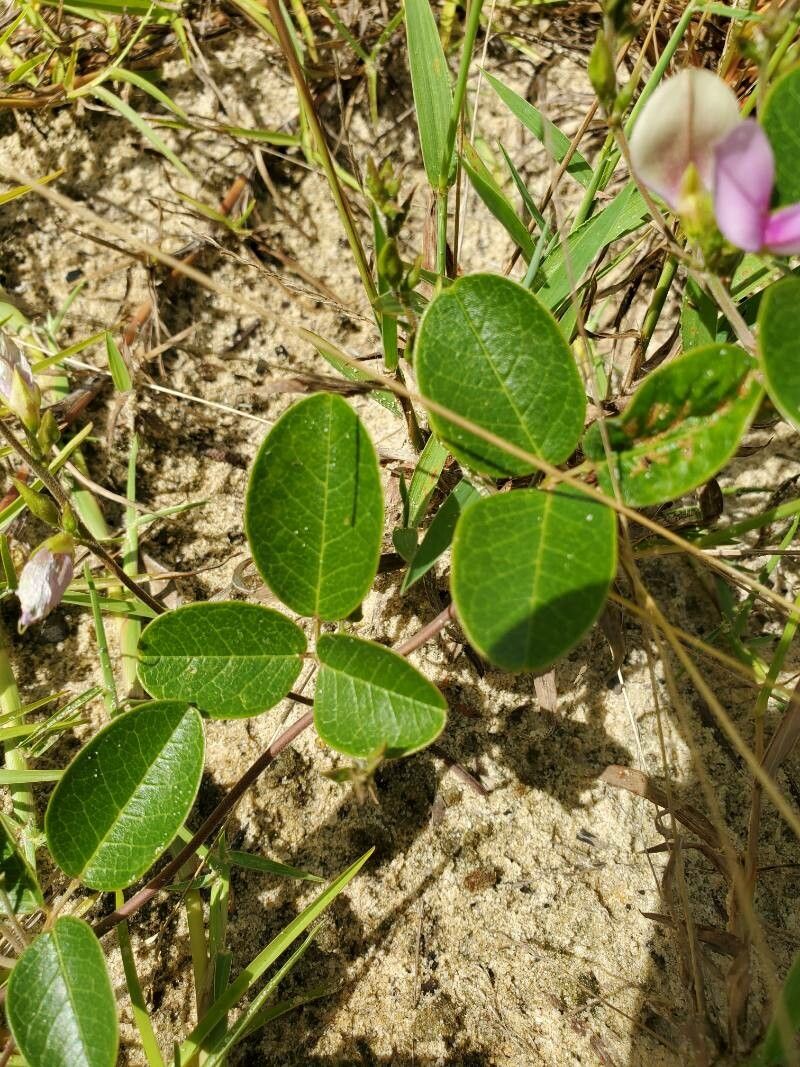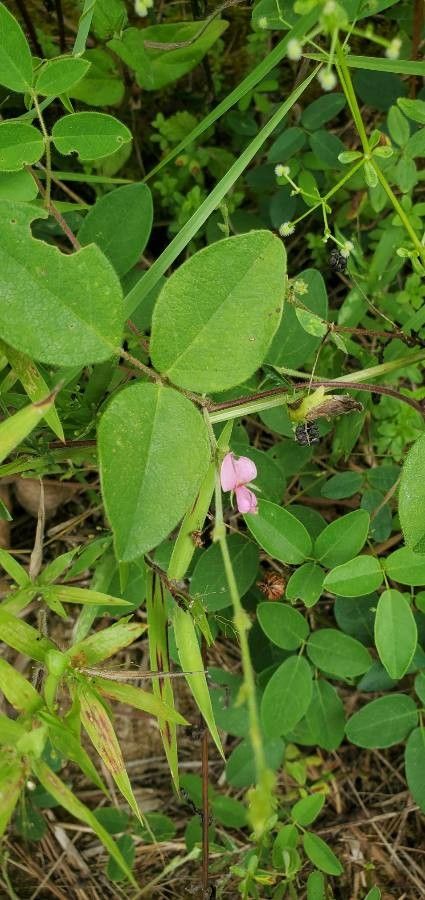
Florida hammock milkpea is fairly disease-resistant and generally does not suffer from many diseases. Nonetheless, it can be vulnerable to pests and diseases present in its environment. These problems are typically mild. In terms of care, the plant needs moderate maintenance. It should be pruned regularly to keep a neat appearance and encourage healthy growth. Fertilizing can also help boost flowering. Florida hammock milkpea is well suited for anyone with outdoor space, such as a garden or patio, and does not require extensive experience in plant care. It may demand more attention when kept indoors.
How to keep Galactia Striata.
Light
Florida hammock milkpea is a sun-loving perennial herbaceous plant native to open habitats, frequently found in meadows and grasslands. It prefers full sun but can also tolerate partial sun.
Temperature
Florida hammock milkpea comes from tropical areas, where the climate is generally warm and humid. Consequently, it is suited to high temperatures and humidity. It does not tolerate sudden temperature shifts and prefers a steady thermal environment, so avoiding indoor temperature fluctuations is important. It typically cannot endure cold conditions and needs warmer temperatures to grow. If the ambient temperature falls too low, the plant may stop growing or even die.
Fertilizer
Florida hammock milkpea will need the most fertilizer during its active growth period, which takes place mainly in spring, summer, and early fall. Fertilizing provides essential nutrients that the soil may lack, supporting healthy root and stem development and encouraging the attractive foliage that is a key feature of this plant.
Pruning
To encourage healthy growth and reduce legginess, it's best to prune the Florida hammock milkpea in early spring. Start by trimming one-third of the oldest stems down to the base and remove any dead wood. This approach stimulates vigorous new shoots and improves blooming. Be sure to use sharp, sterilized tools for clean cuts, which helps prevent disease.
Botanical profile.
- Plant Type
- Vine, Herb
- Life Cycle
- Perennial
- Genus
- Galactia
- Family
- Fabaceae
- Hardiness Zone
- 9-11
- Mature Height
- 0.91 m to 3.05 m
- Mature Spread
- 0.91 m to 2.13 m
- Leaf Color
- Green, Dark Green
- Leaf Type
- Deciduous
- Flower Color
- Lavender
- Flower Size
- 1.02 cm to 1.52 cm
- Bloom Time
- Summer, Early fall, Mid fall
- Planting Time
- Spring, Summer, Autumn
- Harvest Time
- Late summer, Fall, Early winter
- Native Area
- Belize, Angola, Honduras, Mexico, Guatemala, Peru, South Africa, Panama, Jamaica, Colombia, Bahamas, Cuba, Bolivia, Venezuela, Nicaragua, Eswatini, Ecuador, Costa Rica