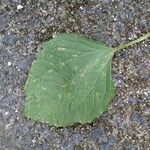
Galinsoga quadriradiata
Hairy galinsoga · Shaggy soldier · Fringed quickweed · Peruvian Daisy · Common quickweed
Description
Source: leafsnapGalinsoga quadriradiata, commonly known as shaggy soldier or gallant soldier, is an annual herbaceous plant that belongs to the Asteraceae family. Native to South America, this plant has spread worldwide, often regarded as a weed. Shaggy soldier can grow up to 60 cm tall and features a branching stem adorned with small white flowers that bloom from June to October. Its leaves are opposite, serrated at the edges, and taper to a pointed tip. The plant thrives in moist soil and is commonly found in gardens, fields, waste areas, and disturbed sites. In traditional medicine, the shaggy soldier has been valued for its anti-inflammatory properties and is used as an herbal remedy for respiratory ailments such as coughs and colds. It also contains essential oils with insecticidal properties. Despite its medicinal benefits, shaggy soldier is considered an invasive weed in many regions due to its rapid spread through seeds dispersed by wind or animals. It competes with native plants for resources such as water and nutrients, often leading to reduced biodiversity. In summary, Galinsoga quadriradiata is a versatile plant with notable medicinal benefits but also poses significant ecological threats in areas outside its native South America.
🌳 The shaggy soldier plant is seldom intentionally cultivated in gardens because it tends to be extremely weedy and invasive in temperate to warm climates. Although it is not very visually striking, it can serve as a groundcover in areas with poor or rocky soil.
Care Guide
💧 Water Every 3 days
The shaggy soldier plant, which originates from tropical environments, thrives in evenly moist soil and needs to be watered once a week. Although it has a moderate tolerance for drought, it's important to adjust the watering schedule according to seasonal rainfall when the plant is grown outdoors to maintain the ideal moisture levels.
How should I water my Shaggy soldier plant?
To water the Shaggy soldier plant, you have several options. You can use a garden hose with a spray nozzle, a watering can, or any other common watering tool. The plant is not very particular about the type of water it receives – rainwater, tap water, or filtered water will all suffice. However, it's important to note that you should avoid watering the plant from above, as this can harm the leaves and flowers and potentially lead to disease. A better approach is setting up a drip irrigation system, which will evenly and directly deliver water to the soil. If you have a Shaggy soldier in a container, you can take a similar approach but with different tools. Instead of a hose or watering can, you can use a cup or your tap to water the plant, directly targeting the soil.
What should I do if I give my Shaggy soldier too much water or not enough water?
The solution to underwatering a Shaggy soldier is simple: water it more regularly when you notice it's dry. On the other hand, overwatering can be more serious, as it can lead to diseases and the plant dying. To prevent this, choose a sunny location with good drainage for your plant. If you overwater a potted Shaggy soldier, consider switching it to a new pot with better drainage and loose soil.
How often should I water my Shaggy soldier plant?
The Shaggy soldier plant requires regular watering throughout the growing season. In spring, it is recommended to water the plant approximately once per week. As the season progresses and temperatures rise, the watering rate may need to be increased to two to three times per week. However, watering above this rate can harm the Shaggy soldier. Regardless of the watering frequency, it is important to keep the soil moist but not excessively wet. Watering a potted Shaggy soldier is slightly different. Due to the soil in pots heating up and drying out faster than ground soil, it is generally advised to water container-grown plants a few times per week, in comparison to once a week for plants in the ground.
How much water does my Shaggy soldier require?
Determining how much water to give to your Shaggy soldier can be approached in a few different ways. Some gardeners prefer to rely on their senses by feeling the soil for moisture. This method suggests watering until the first six inches of soil feel moist. Another approach is to use a specific measurement as a guideline. Typically, Shaggy soldiers require about two gallons of water per week, depending on the temperature and the speed at which the soil dries out. However, it's important to be cautious with strict guidelines, as they can lead to overwatering if your plant needs less water. When growing Shaggy soldiers in a container, a different method is needed to determine watering amounts. Usually, you should water enough to moisten all the dry layers of soil. You can check this by simply sticking your finger into the soil to feel for moisture or by watering until you see a small amount of excess water draining out of the pot's holes.
How can I know if I am giving enough water to my Shaggy soldier?
Avoiding overwatering your Shaggy soldier can be tricky because of its deep roots that need moist soil on a weekly basis. However, these plants are highly prone to root rot and browning if overwatered. Underwatering is less of a concern as these plants can survive without supplemental watering for some time. However, if you neglect watering for too long, the Shaggy soldier will start to wilt and its leaves may become dry.
☀️ Light Full sun
Shaggy soldier does well in places with ample sun and can tolerate less sunlit spots. Excessive exposure can cause scorching, while too little sun may cause weak growth. Native to sunny habitats, it does best in those conditions.
What are the sunlight requirements for a Shaggy Soldier plant?
Shaggy Soldier, scientifically known as Galinsoga quadriradiata, thrives best in environments that offer plenty of sunlight, but it can also adapt to areas with less sun. Full sun, defined as above 6 hours of sunlight daily, is ideal for its optimal growth, while partial sun, about 3-6 hours of sunlight, is acceptable but might result in slower growth. The appropriate location for your Shaggy Soldier plant should strike a balance between light and shade, as too much direct sunlight can cause scorching, and insufficient sunlight may lead to weak growth. Observing how sunlight moves through your garden can help in choosing the best spots that ensure the wellbeing of your plants.
How does artificial lighting support Shaggy Soldier plants indoors?
For Shaggy Soldier plants growing indoors where natural sunlight is insufficient, especially during winter or in less sunlit spaces, artificial lighting becomes essential. It promotes faster and healthier growth by mimicking natural sunlight. LED lights are recommended due to their ability to provide specific wavelengths needed for plant growth. The requirements vary depending on the type of plant: full sun plants need 30-50W/sq ft, partial sun plants require 20-30W/sq ft, and full shade plants need 10-20W/sq ft. The light source should be placed 12-36 inches above the plant for 8-12 hours per day to simulate the natural daylight hours, ensuring the plant receives adequate light for its growth and development.
What are some common symptoms of light deficiency in Shaggy Soldier plants?
Shaggy Soldier plants may exhibit several symptoms when they suffer from inadequate light. These include smaller new leaves compared to older ones, leggy or sparse growth indicating a thin and stretched appearance, early shedding of older leaves as a conservation effort, delayed growth or a complete halt in new leaf production, paler new leaves due to lack of chlorophyll, and symptoms of chlorosis where leaves lose their green color and turn yellow. Excessive sunlight can also cause damage, leading to chlorosis, sunscald which appears as pale or necrotic spots on the leaves, leaf curling as a defense mechanism to reduce water loss, wilting due to increased transpiration, and leaf scorching which presents as brown, crispy edges on leaves. These issues highlight the importance of providing Shaggy Soldier plants with the optimal amount of sunlight.
How can you mitigate symptoms of improper sunlight exposure in Shaggy Soldier plants?
To address symptoms of improper sunlight exposure in Shaggy Soldier plants, it is crucial to adjust their light conditions. For indoor plants, gradually moving them to a location where they can receive at least 6 hours of direct sunlight daily is beneficial. Maximizing sunlight exposure through south-facing windows and keeping curtains open during the day can help. In cases where natural sunlight is not enough, or the plant is not easily movable, supplementing with artificial light, like desk lamps or professional grow lights for at least 8 hours daily, is advised. Outdoors, it's important to gradually adjust plants to sunnier spots to avoid shock from sudden changes in light intensity. Additionally, for plants with limited access to sunlight due to obstructions, actions like pruning obstructive branches or transplanting to brighter locations can be effective. It's important to note that parts of the plant already affected by incorrect light exposure may not recover, but new growth should be healthy with better light conditions.
🌡️ Temperature 5–35°C
Shaggy soldier is native to climates that regularly experience temperatures of 68 to 95 °F (20 to 35 ℃). They favor these warm conditions and may need additional heat sources during colder seasons to thrive.
What climates are suitable for Shaggy soldier?
Shaggy soldier, scientifically known as Galinsoga quadriradiata, thrives in climates where temperatures regularly range from 68 to 95 °F (20 to 35 °C). These warm conditions are ideal for the plant, and it may require additional sources of heat during colder seasons to continue thriving effectively. Despite its strong resistance to cold, it's important to take steps to protect it in regions where winter temperatures can drop below -25°C.
How can Shaggy soldier be protected during cold winters?
To protect Shaggy soldier during winters, especially when temperatures are expected to fall below -25°C, covering the plant with insulating materials such as soil or straw is advised. It's also recommended to water the plant abundantly before the first freeze of autumn to ensure the soil remains moist and enters a frozen state, which helps prevent drought and water scarcity for the plant during the cold months.
What are the signs of low temperature stress in Shaggy soldier, and how can it be managed?
Shaggy soldier is cold-tolerant and prefers temperatures above 20°C (68°F). During winter, it is crucial to keep the temperature above 0°C to ensure the plant's well-being. Exposure to temperatures below -25°C doesn't typically cause noticeable changes during the winter but may lead to decreased or absent sprouting in the spring. To manage this, remove any parts of the plant that failed to sprout in spring.
How does high temperature affect Shaggy soldier and what are the solutions?
During the summer, it is important to ensure that the temperature around Shaggy soldier does not exceed 35°C (95°F). Temperatures above 38°C (100.4°F) can cause the plant's leaves to lighten in color, become prone to curling, suffer from sunburn, and, in severe cases, the entire plant may wilt and dry out. To mitigate these issues, trim away the sunburned and dried-up parts of the plant. Relocate it to a spot that's shaded during the midday and afternoon sun, or use a shade cloth to provide protection. Additionally, watering the plant in the morning and evening can help maintain soil moisture.
💨 Humidity normal (40-60%)
This plant will thrive in moderate humidity, which is probably the level in your home. However, misting it a few times a week can be very beneficial. Make sure the room has good ventilation.
🪴 Soil 6-7
🌱 Fertilizer
Shaggy soldier does well with regular, dilute applications of fertilizer to encourage robust leaf development. Apply fertilizer to Shaggy soldier roughly once a month throughout the summer. Nitrogen is important for the foliage, and providing nitrogen-rich fertilizers supports the plant's health.
🪴 Pot & Repot
✂️ Pruning
🌿 Propagating
🐛 Diseases & pets
☠️ Toxicity
Characteristics
- Plant Type
- Herb
- Life Cycle
- Annual
- Genus
- Galinsoga
- Family
- Asteraceae
- Hardiness Zone
- 5-9
- Mature Height
- 10 cm to 61 cm
- Mature Spread
- 15 cm to 30 cm
- Leaf Color
- Green
- Leaf Type
- Deciduous
- Flower Color
- White, Yellow
- Flower Size
- 0.20 cm to 0.25 cm
- Bloom Time
- Summer
- Planting Time
- Spring, Summer
- Harvest Time
- Mid summer, Late summer, Early fall
- Native Area
- Colombia, Honduras, Guatemala, Bolivia, Venezuela, Peru, El Salvador, Nicaragua, Costa Rica, Panama