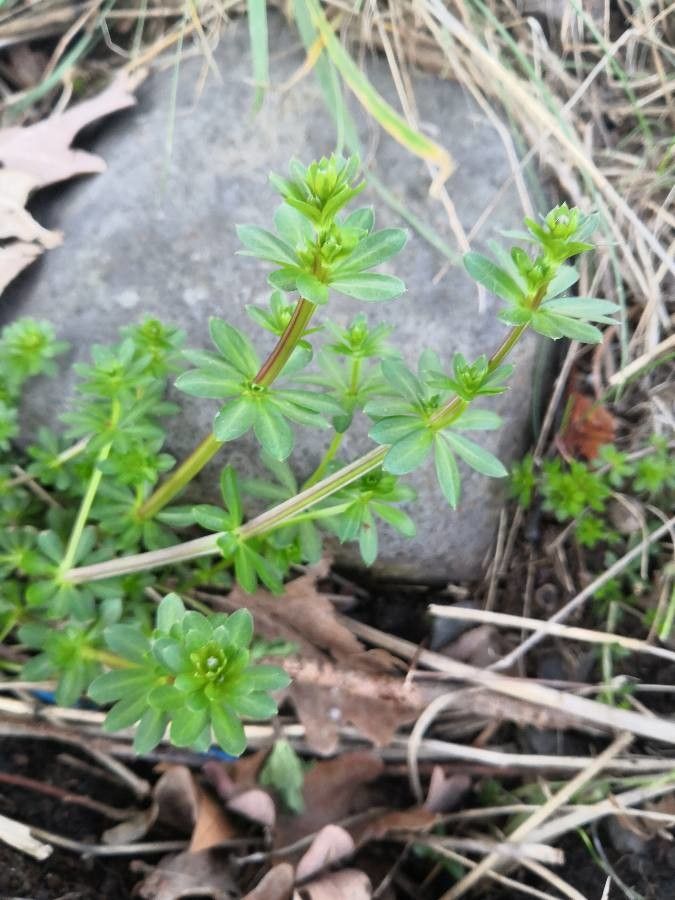
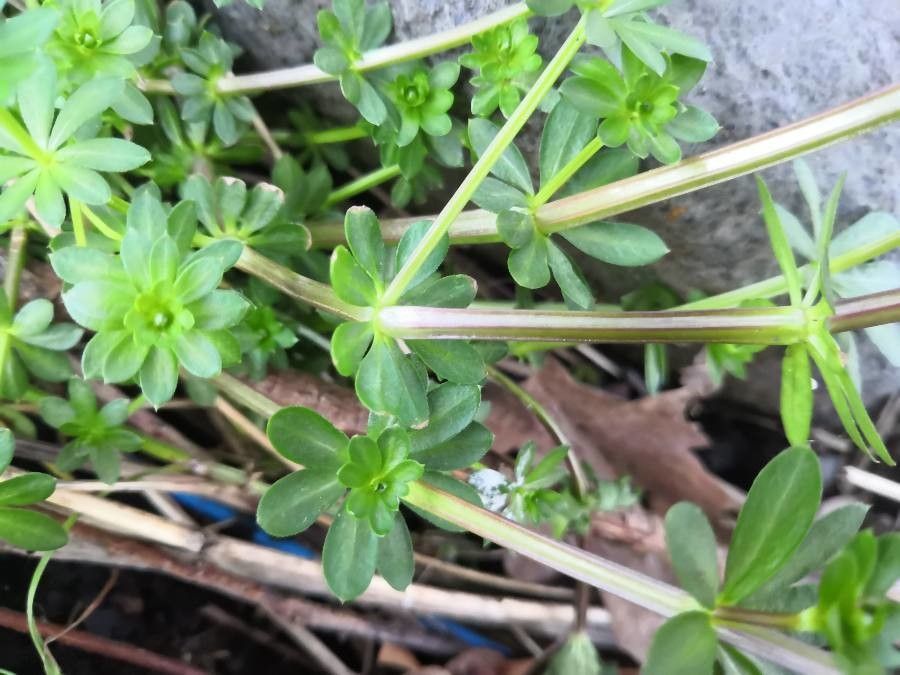
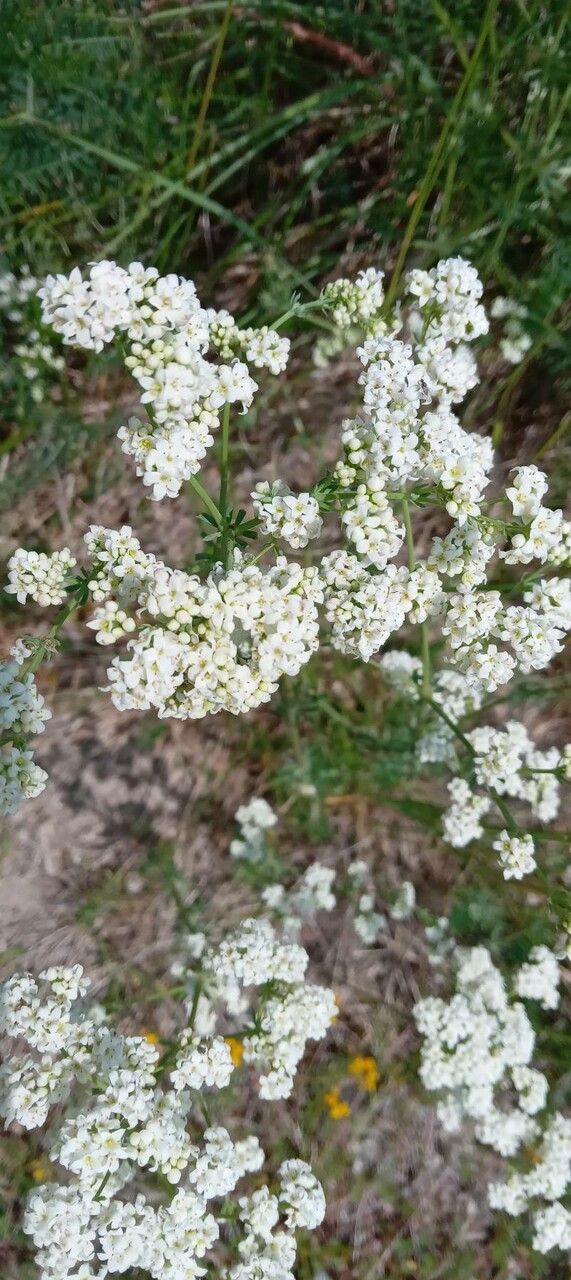
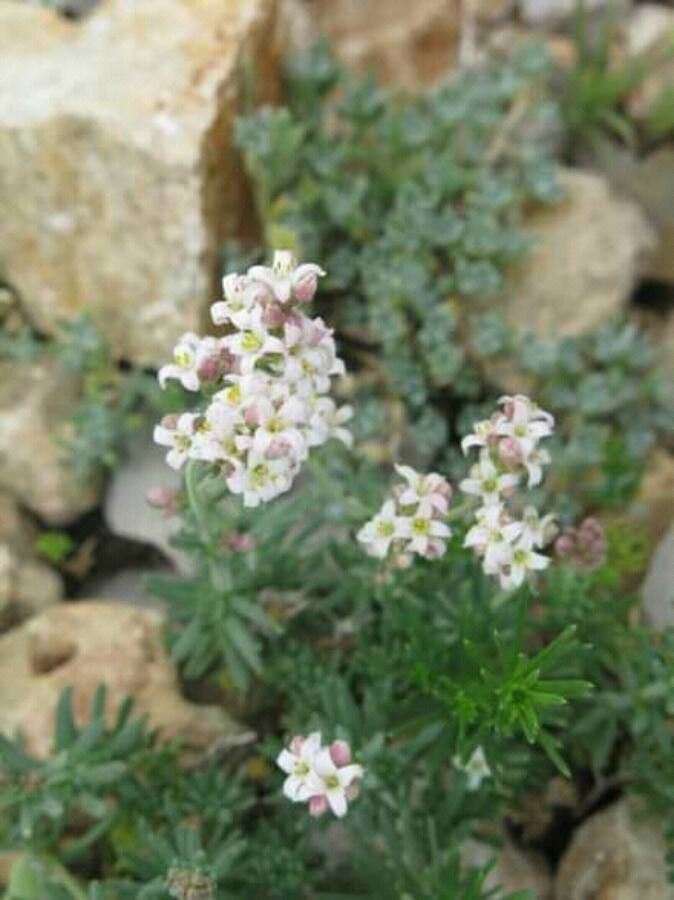
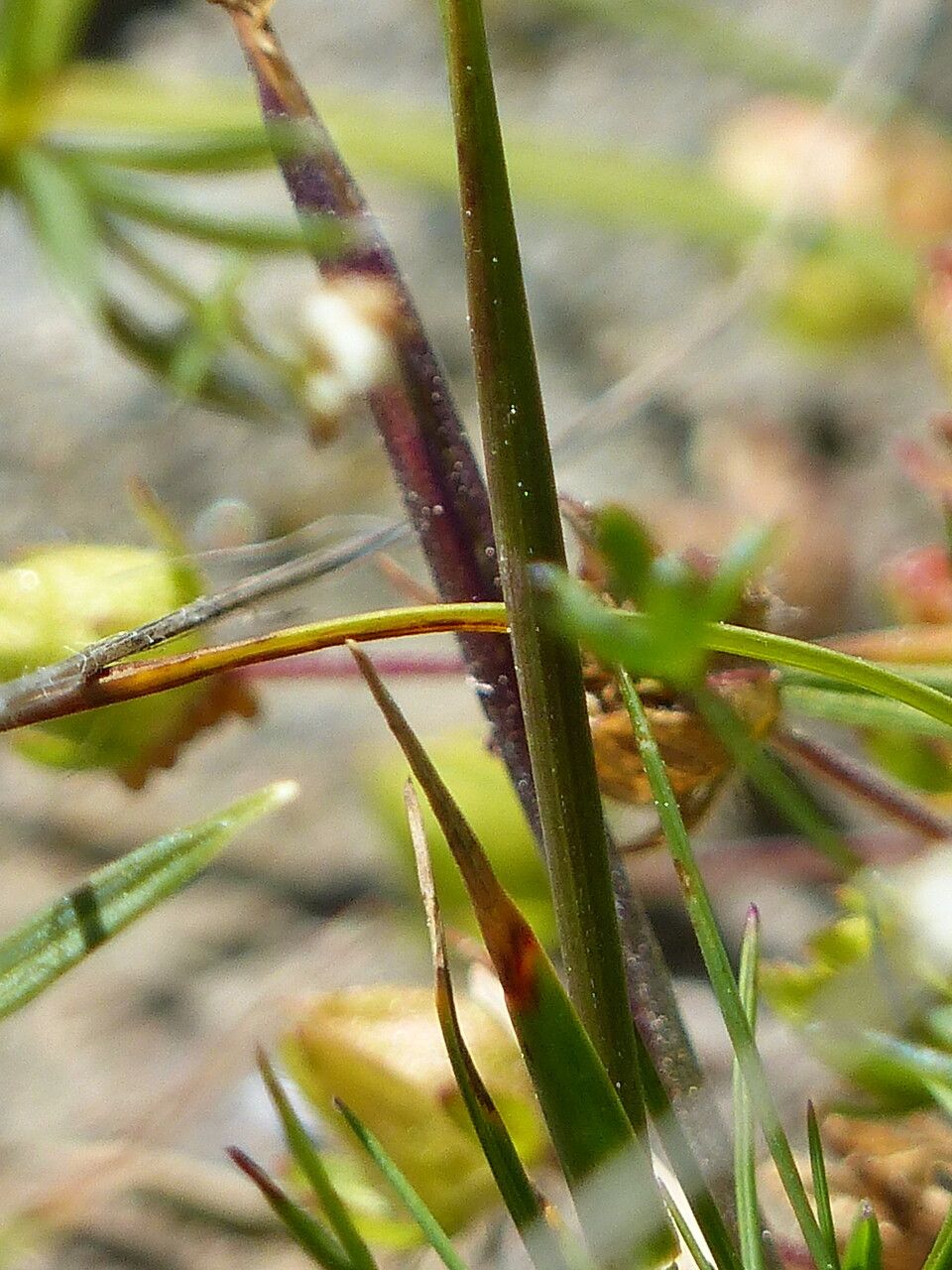
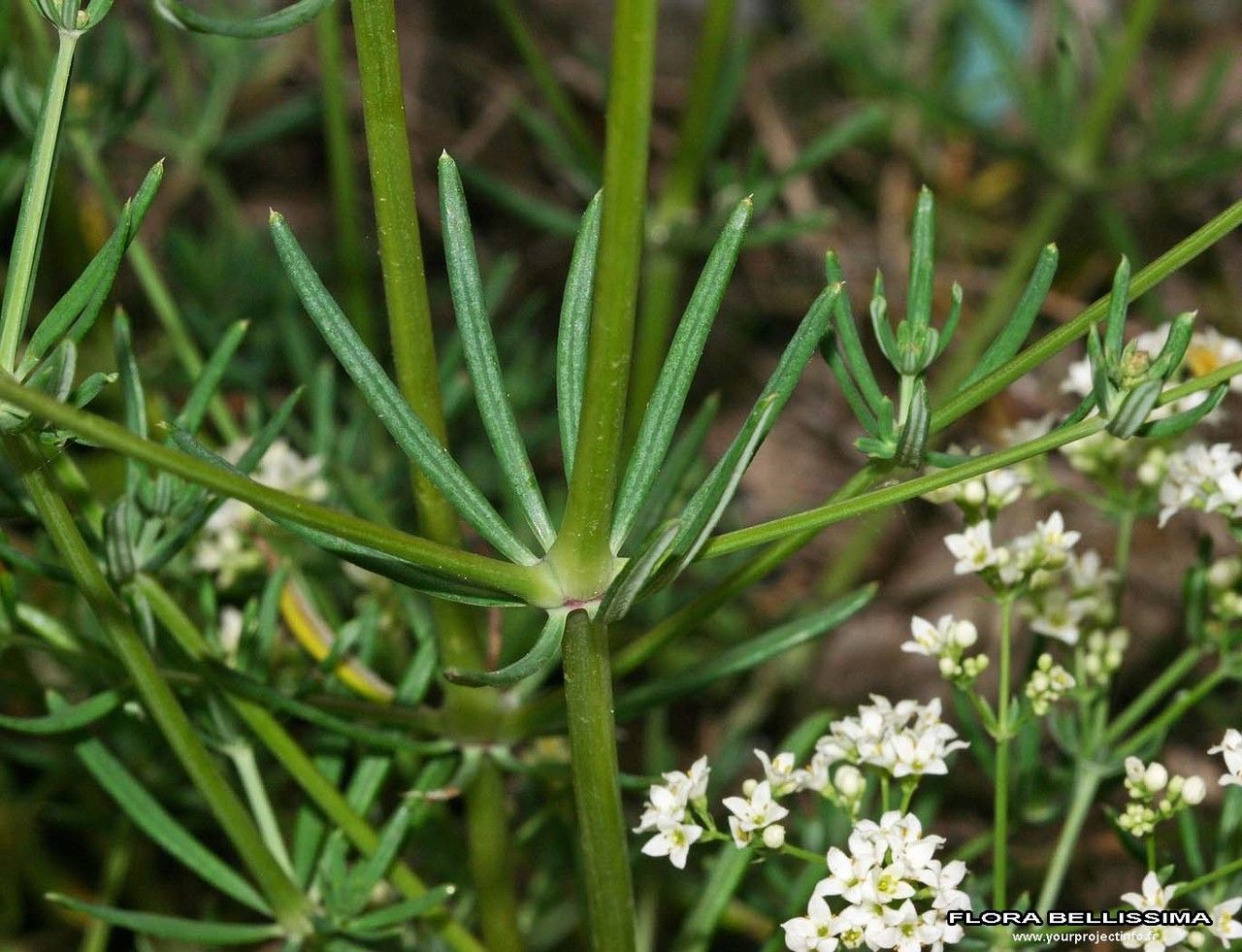
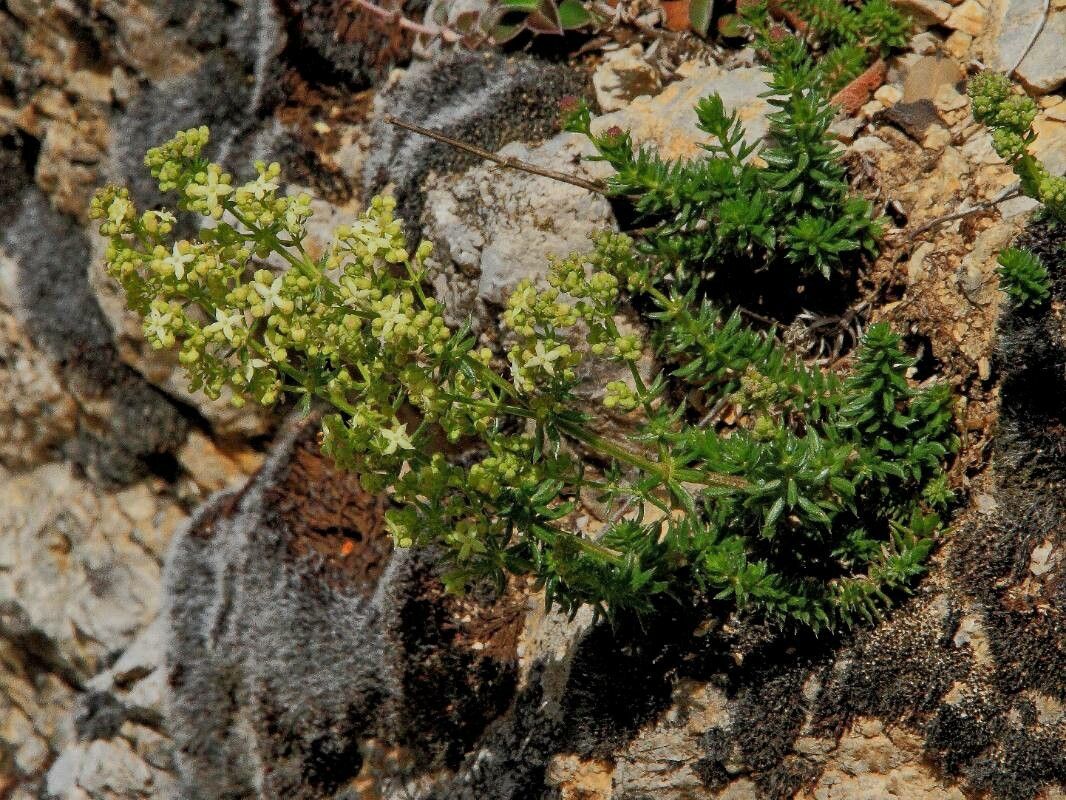
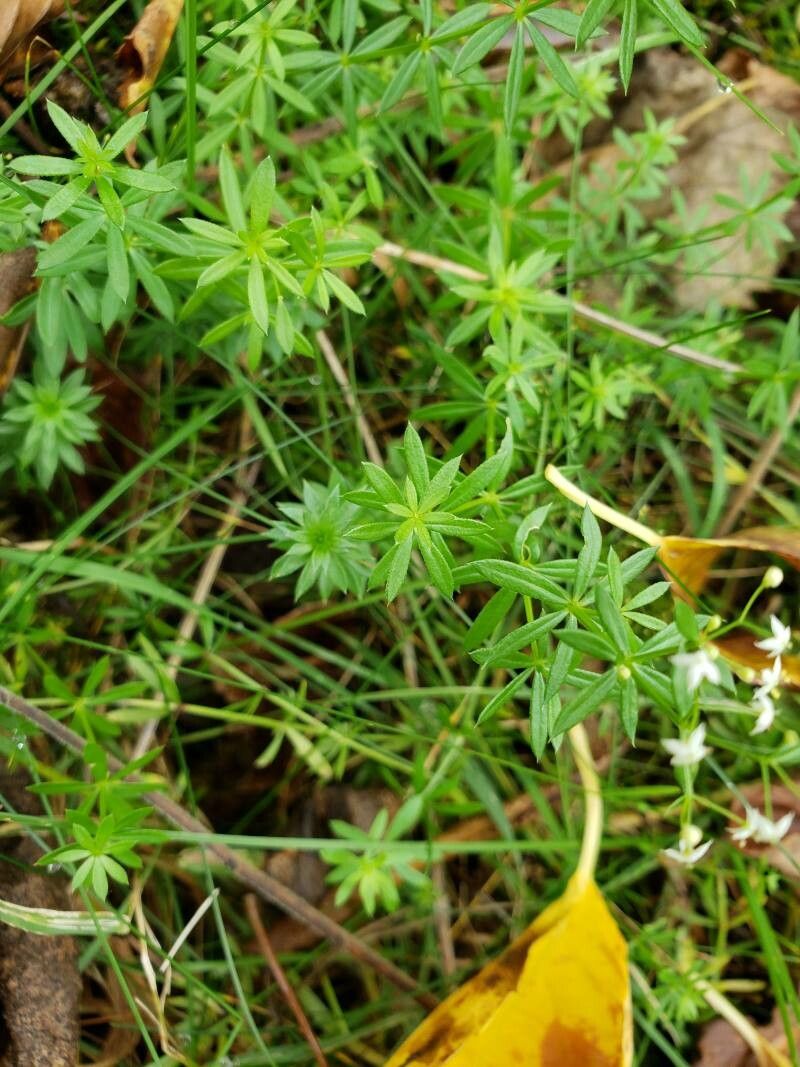
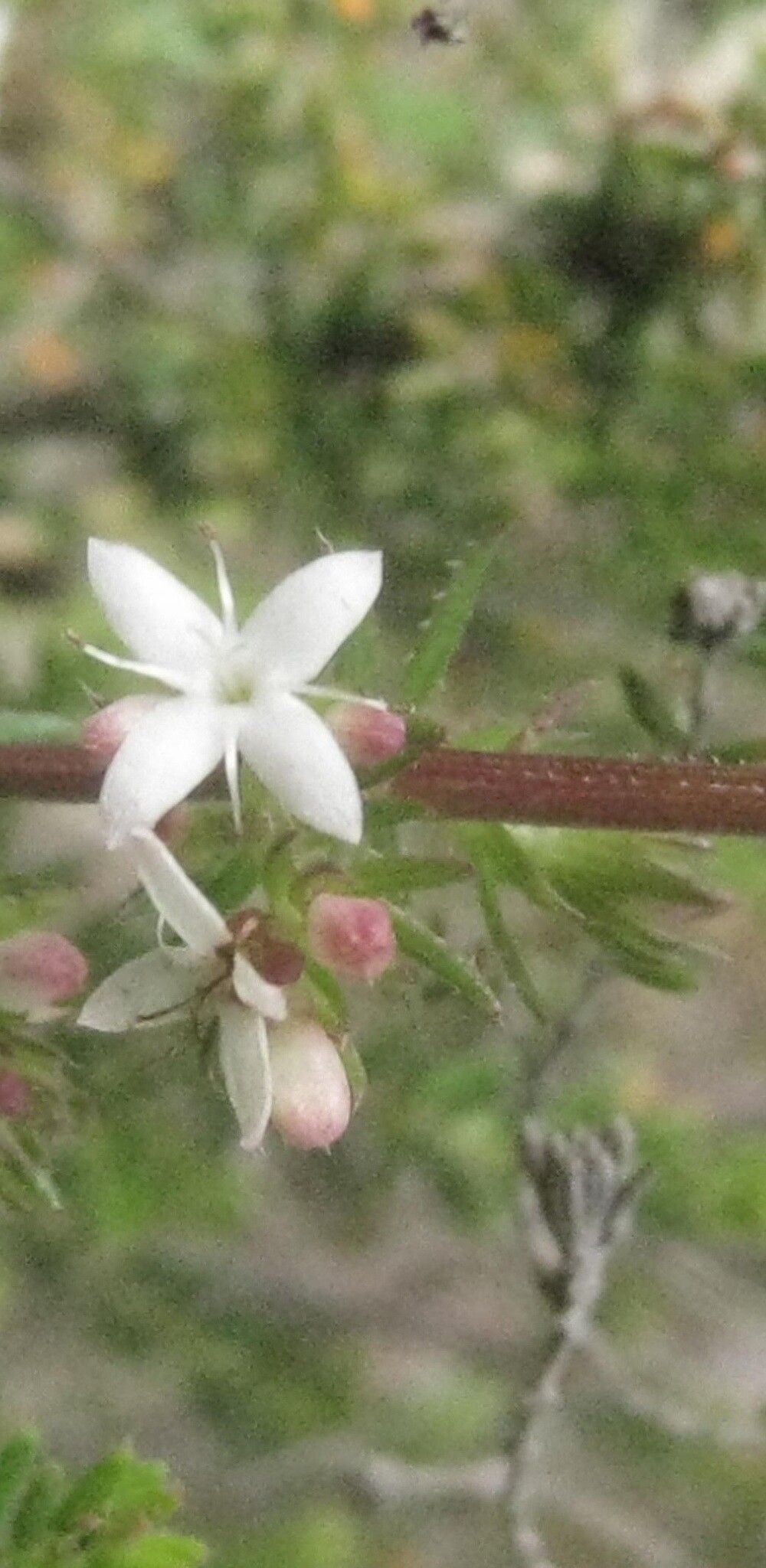
Galium glaucum or waxy bedstraw is a plant species of the Rubiaceae. It is native to central Europe from Portugal to Ukraine, and sparingly naturalized in a few locations in North America (Quebec, Ontario, Connecticut and New Jersey).
Waxy bedstraw has good resistance to disease and generally does not tend to suffer from illnesses. Nevertheless, it can be vulnerable to pests and diseases present in its environment. These problems are typically not serious. Regarding care, this plant needs a moderate level of attention. It should be pruned regularly to preserve its appearance and encourage healthy growth. Fertilizing can also aid in promoting blooms. Waxy bedstraw is well suited for anyone with outdoor space, such as a garden or patio, and does not demand extensive experience in plant care. It may need more attention when cultivated indoors.
How to keep Galium Glaucum.
Light
Waxy bedstraw is a perennial herbaceous plant that favors sunny conditions and comes from open habitats, often growing in meadows and grasslands. It prefers full sun but can also tolerate partial sun.
Water
Waxy bedstraw grows best when it receives moderate moisture, needing consistently moist soil and weekly watering. As an evergreen plant, it prefers a regulated level of humidity, which makes it perfect for indoor environments. Consistent dryness can be harmful to the plant, so it's important to maintain a regular watering schedule to keep it healthy.
Temperature
Waxy bedstraw can tolerate a wide range of temperature conditions, but its distribution may still be limited by different combinations of water and heat conditions. It performs best in warm summer climates when it receives adequate rainfall or watering. Extended periods of cloudy, rainy weather, and prolonged high temperatures can increase the chance of Waxy bedstraw dying. In winter, proper protection from the cold can enhance the plant's survival rate.
Fertilizer
One fertilizer application in spring is generally enough for Waxy bedstraw, although repeated feedings can boost growth to its fullest. Provide fertilizer about once a month to once every six weeks. Fertilization improves the leaves' appearance and performance, helping maintain even color and a healthy texture. It also encourages root development and better nutrient uptake, supporting the plant’s long-term health.
Pruning
Waxy bedstraw benefits from careful pruning, which is best done between early and late spring. To promote healthy growth, remove any dead stems and thin out crowded areas to improve air circulation. This encourages denser growth and more abundant blooms. Be cautious not to over-prune, as excessive cutting can lead to stunted growth. By following these steps, you can ensure a robust plant throughout the season.
Botanical profile.
- Plant Type
- Herb
- Life Cycle
- Perennial
- Genus
- Galium
- Family
- Rubiaceae
- Hardiness Zone
- 4-8
- Mature Height
- 30 cm to 61 cm
- Mature Spread
- 20 cm to 40 cm
- Leaf Color
- Green Yellow, Pale Green
- Leaf Type
- Semi-evergreen
- Flower Color
- White
- Flower Size
- 0.20 cm to 0.25 cm
- Bloom Time
- Late spring, Early summer, Mid summer
- Planting Time
- Spring, Summer
- Harvest Time
- Mid summer, Late summer, Early fall
Other names.