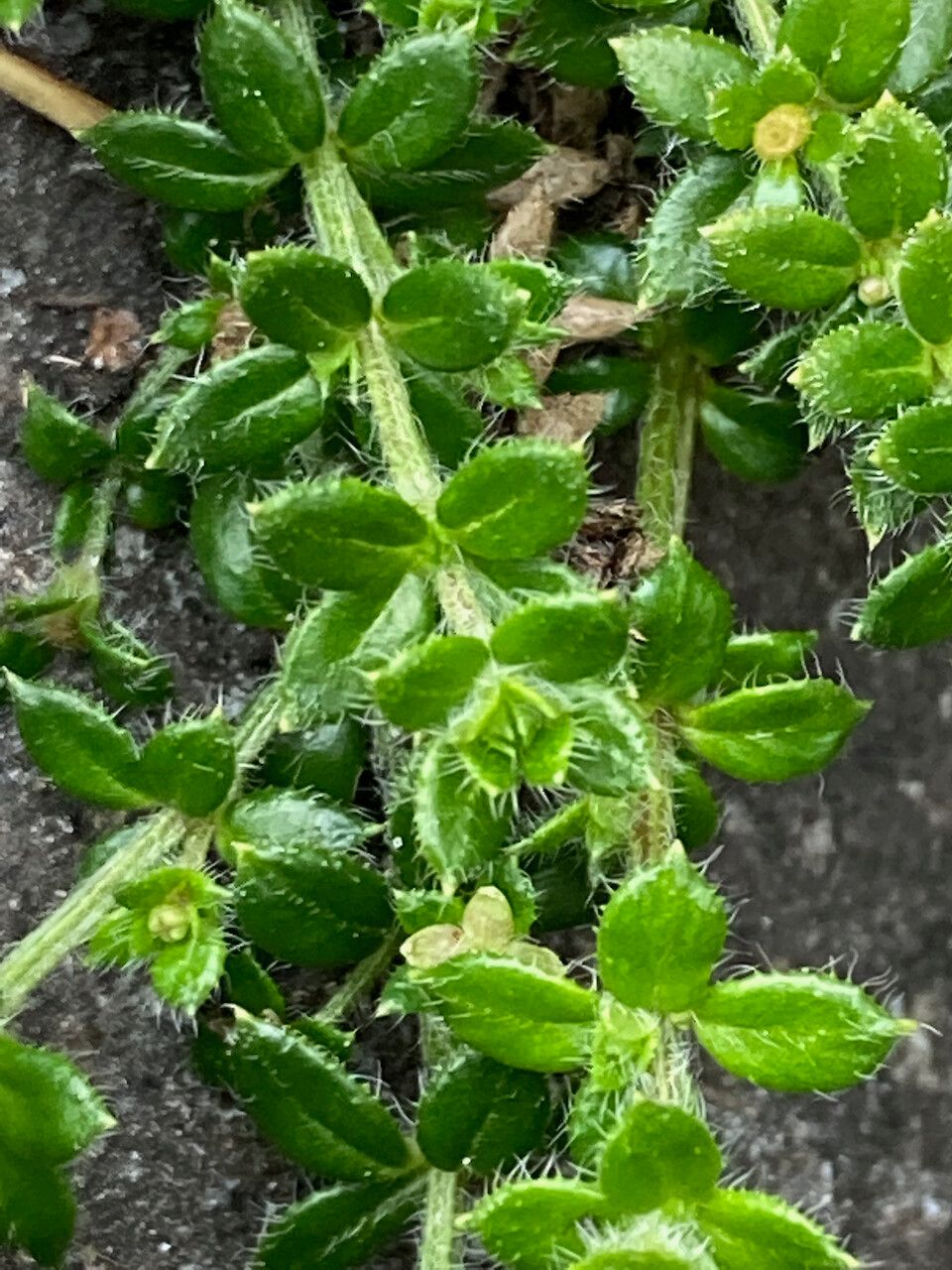
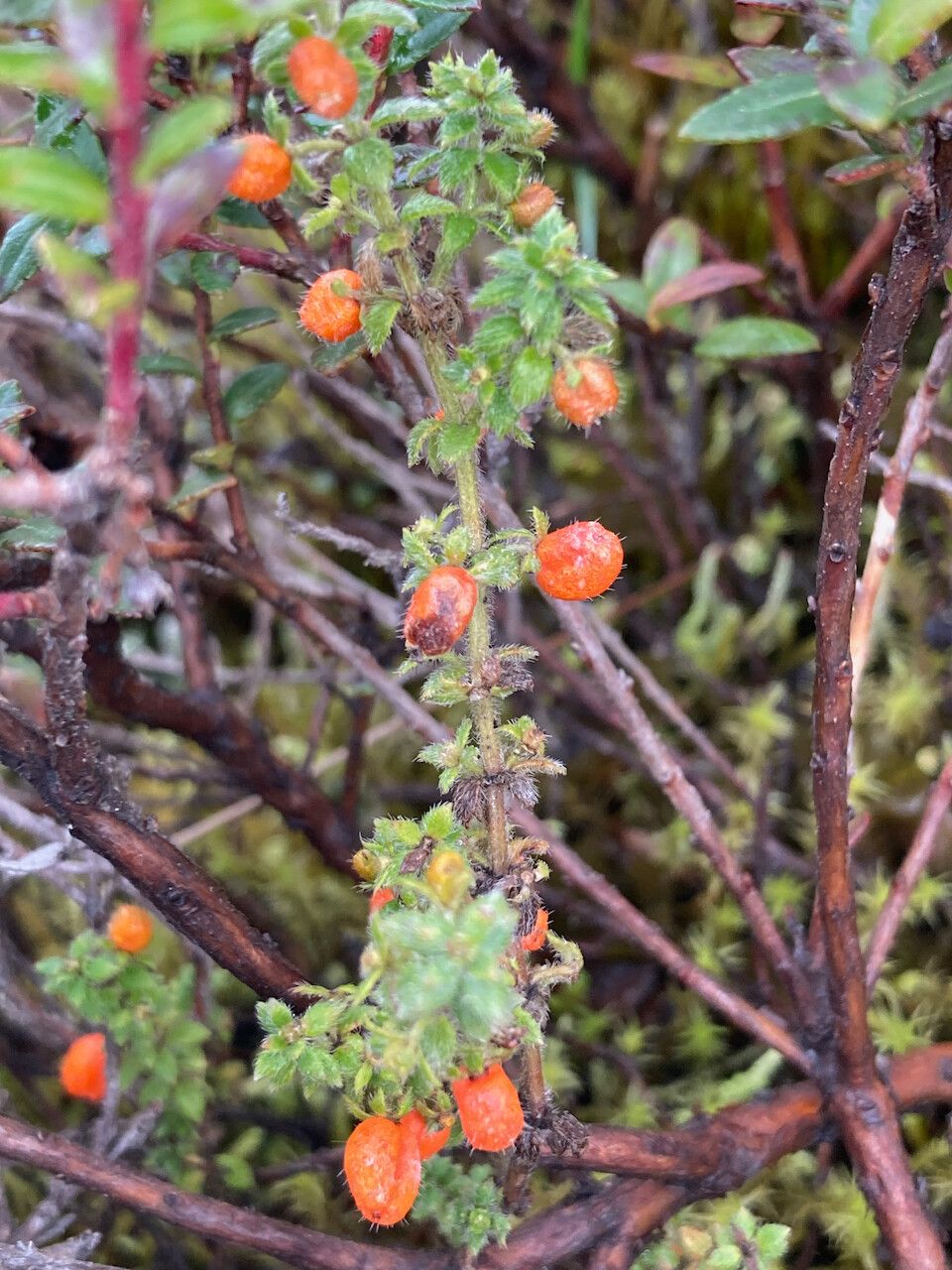
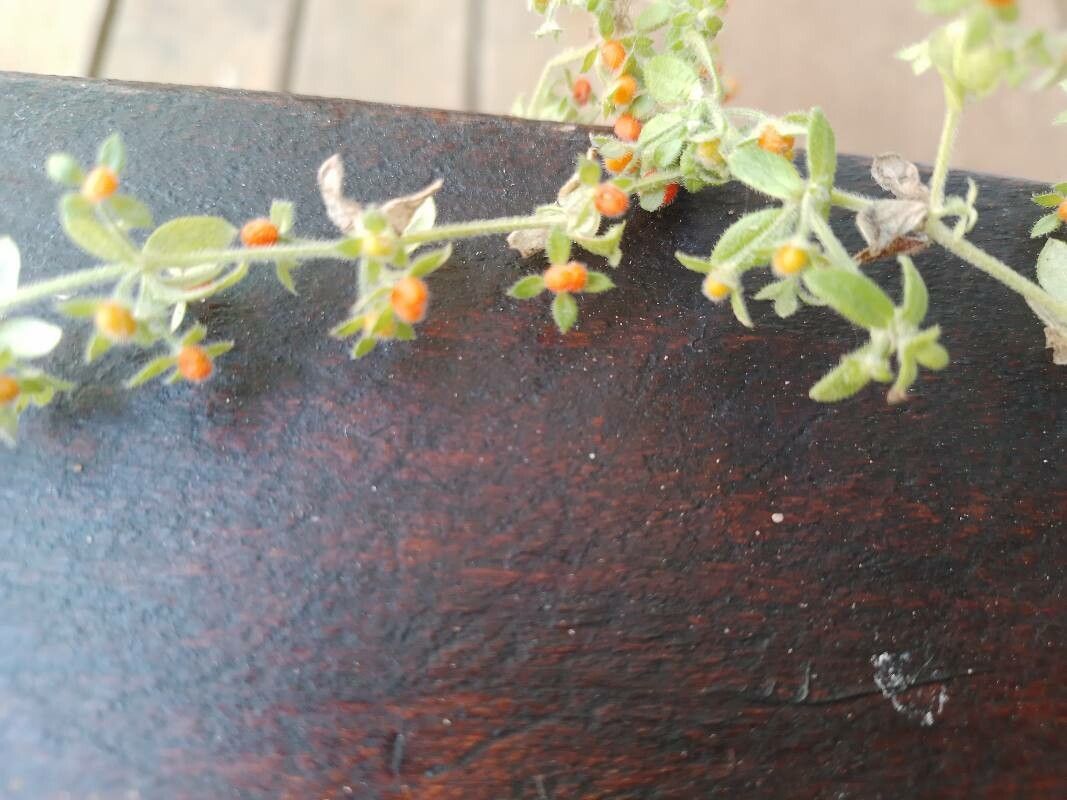
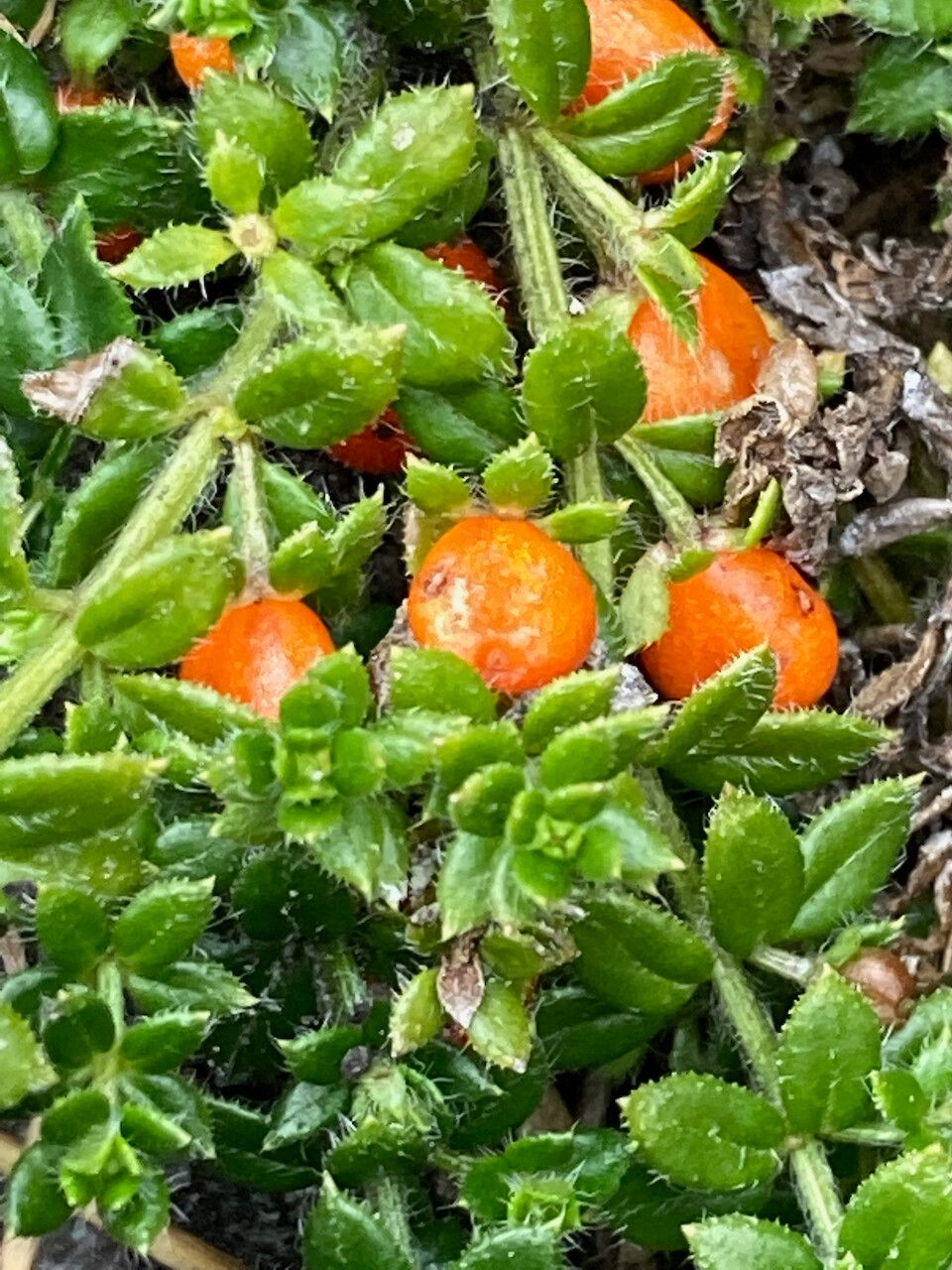
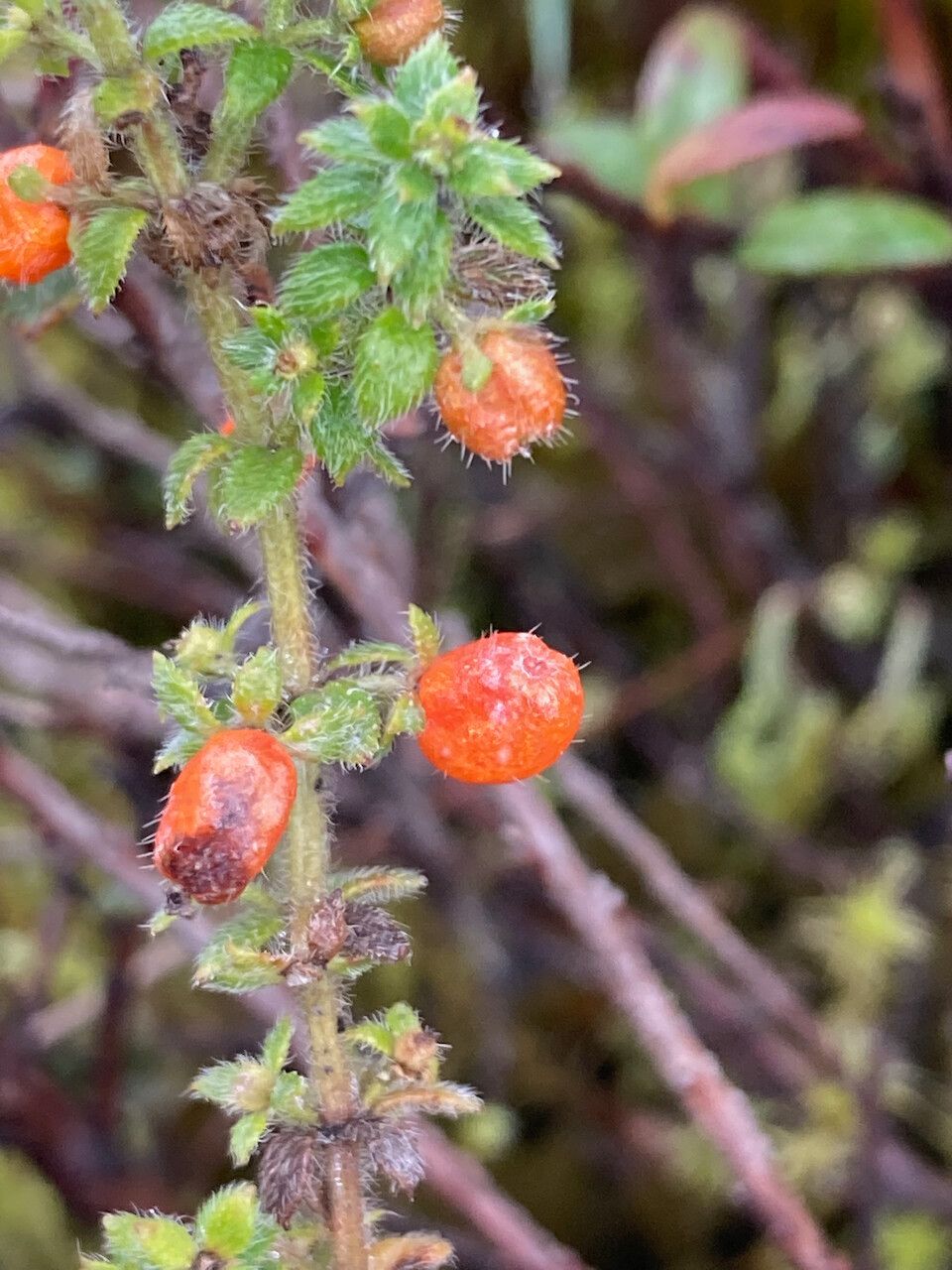
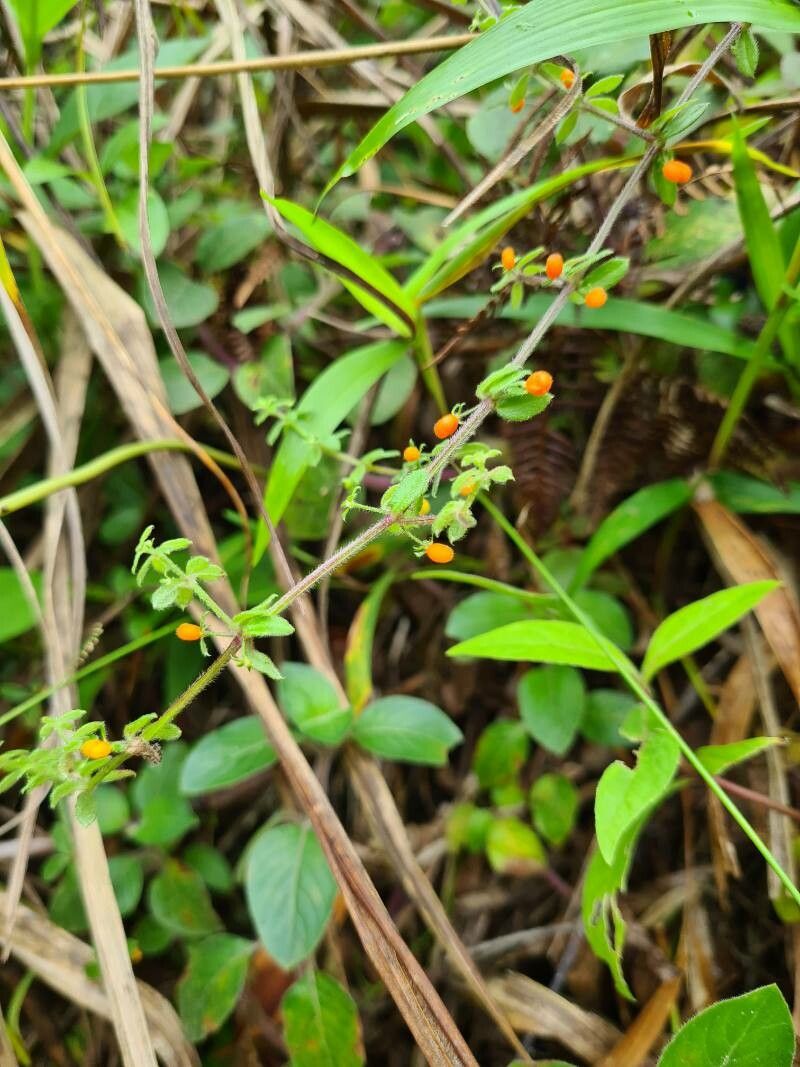
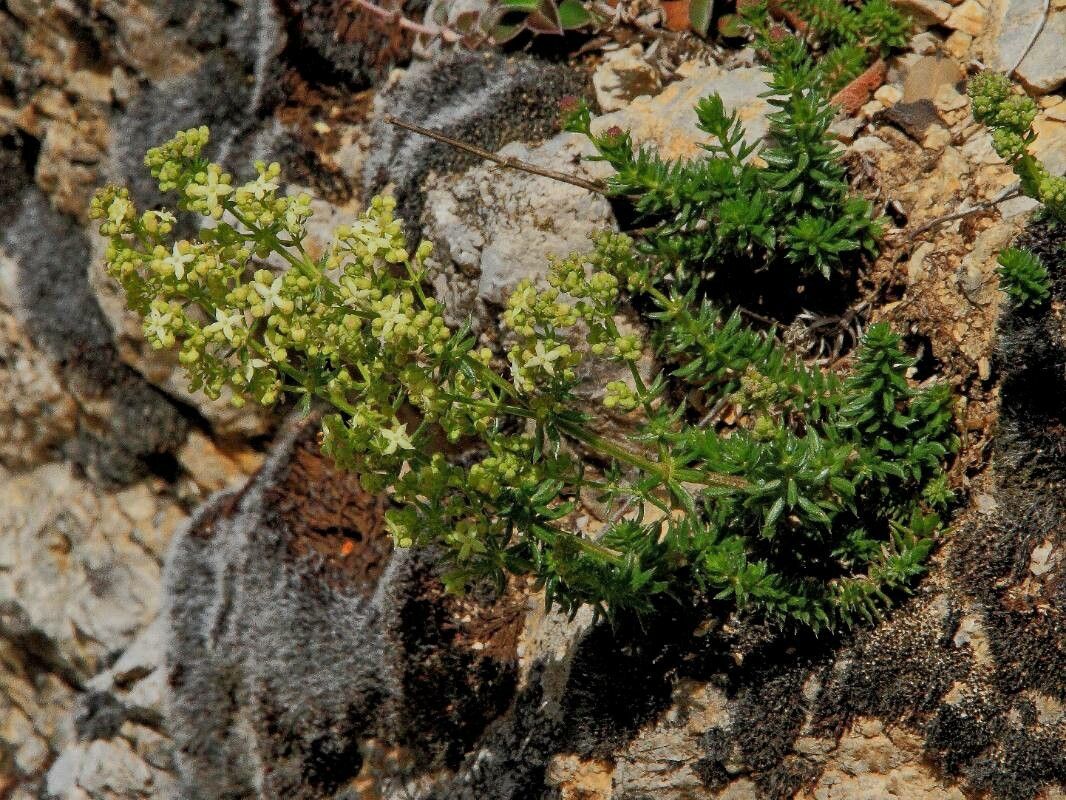
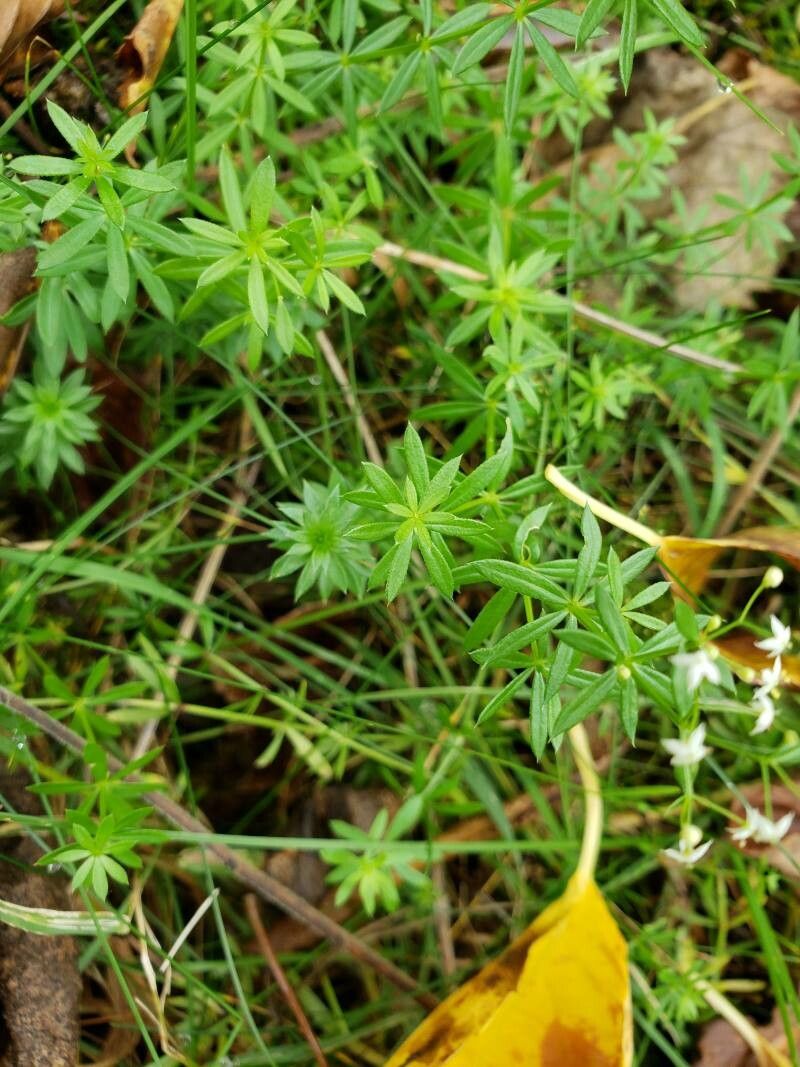
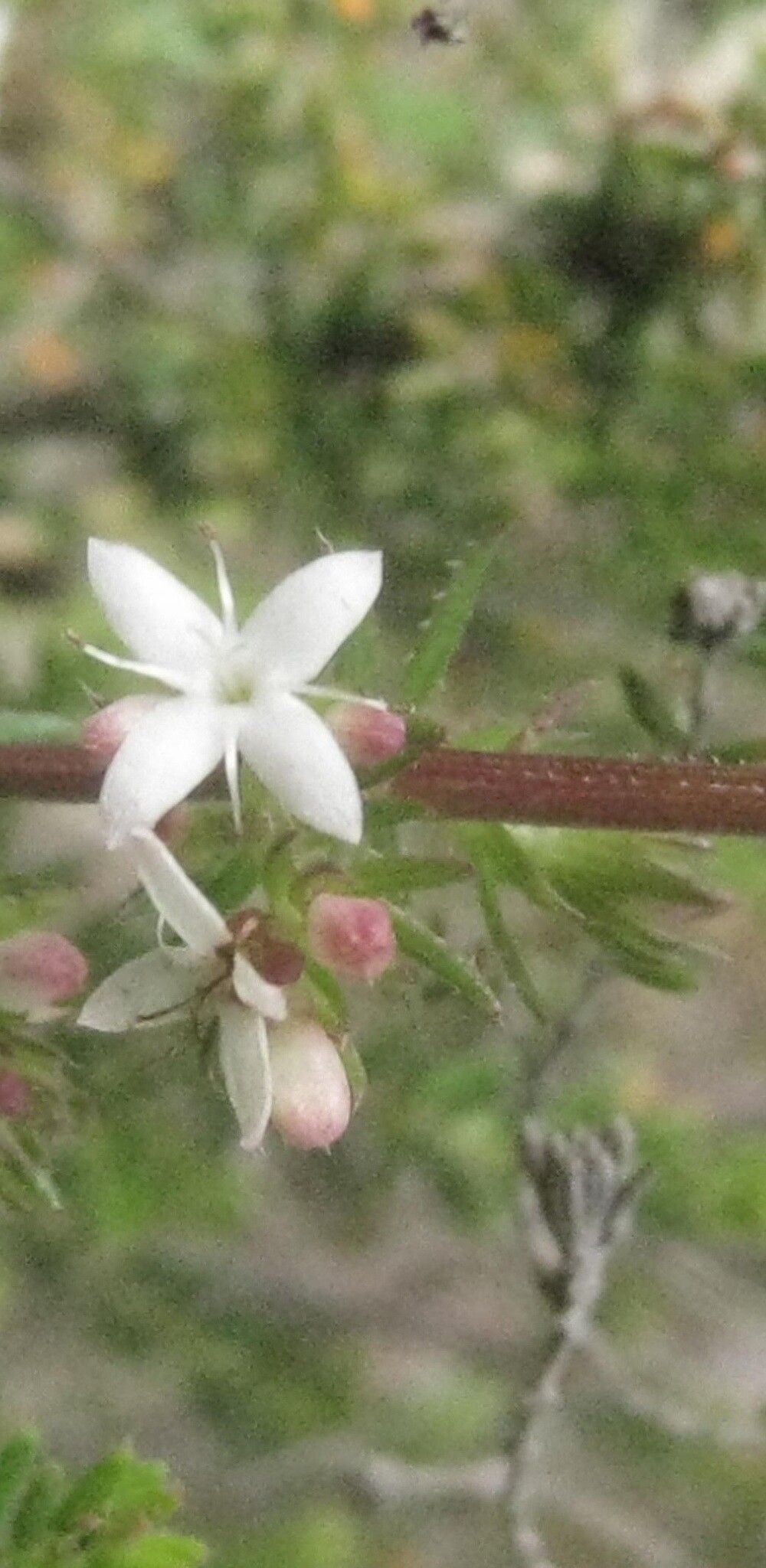
Orange-fruited bedstraw has strong resistance to disease and is generally not prone to illnesses. However, it can be vulnerable to pests and diseases present in its surroundings. These infections are usually mild. Regarding care, this plant needs moderate maintenance. It should be pruned regularly to maintain a good appearance and healthy growth. Fertilizing can also help encourage flowering. Orange-fruited bedstraw is suitable for anyone with an outdoor area, such as a garden or patio, and does not require extensive care experience. It may need more attention when grown indoors.
How to keep Galium Hypocarpium.
Light
Orange-fruited bedstraw is native to habitats such as forest understories and rocky areas, where it grows in natural shade. It prefers partial sun but can tolerate full sun or full shade, demonstrating its versatility and hardiness.
Water
Galium hypocarpium flourishes in moist environments and needs consistent hydration to support its lush growth. Watering it weekly is ideal. This evergreen plant also prefers humid conditions, so if it's grown indoors, regular misting can help maintain the optimal soil moisture necessary for its vitality.
Temperature
Orange-fruited bedstraw can tolerate a wide range of temperatures, yet its range may still be limited by specific combinations of water and heat. It performs best in warm summer conditions with sufficient rainfall or watering. Extended periods of cloudy, rainy weather and prolonged high temperatures can raise the likelihood of Orange-fruited bedstraw dying. In winter, protecting it from cold can increase the plant's survival chances.
Fertilizer
One fertilizer application in spring is generally adequate for Orange-fruited bedstraw, though repeat feedings can boost growth. Feed every month to every month and a half. Fertilization improves the leaves' appearance and function, encouraging uniform color and a healthy texture. It also promotes root development and nutrient uptake for the plant's long-term health.
Pruning
Galium hypocarpium is known for its distinctive foliage and growth patterns. To promote healthy growth and blooms, it is best to prune the plant from early to late spring. This will allow you to remove dead stems, improve air circulation, and reduce pests, leading to a more vibrant plant.
Botanical profile.
- Plant Type
- Herb
- Life Cycle
- Perennial
- Genus
- Galium
- Family
- Rubiaceae
- Hardiness Zone
- 8-11
- Mature Height
- 1.52 m
- Mature Spread
- 20 cm to 40 cm
- Leaf Color
- Green, Dark Green
- Leaf Type
- Semi-evergreen
- Flower Color
- Yellow
- Flower Size
- 0.25 cm to 0.51 cm
- Bloom Time
- Late spring, Early summer, Mid summer
- Planting Time
- Spring, Summer, Autumn
- Harvest Time
- Late summer, Early fall, Mid fall
Reader questions.
What are the sunlight requirements for Galium hypocarpium?
Galium hypocarpium thrives in conditions where it receives partial sun, about 3-6 hours of sunlight daily, but it can also grow well in full shade, which is defined as less than 3 hours of sunlight per day. This perennial herbaceous plant is native to forest understories and rocky areas, suggesting its adaptation to natural shade. It’s important to monitor the sunlight patterns in your garden to find the most suitable spots that provide the right balance of light and shade to ensure the plant’s health and happiness.
How can artificial lighting be used for Galium hypocarpium indoors?
When natural sunlight is insufficient, especially during winter or in less sunny spaces, artificial lighting becomes crucial for maintaining the health of indoor Galium hypocarpium. For optimal growth, indoor plants might require the customization of LED lights to provide specific wavelengths necessary for them. The intensity needed varies by plant type, with full sun plants needing 30-50W/sq ft, partial sun plants 20-30W/sq ft, and full shade plants 10-20W/sq ft of artificial light. To mimic natural sunlight, place the light source 12-36 inches above the plant and ensure it receives 8-12 hours of light per day.
What are the symptoms of insufficient light for Galium hypocarpium?
Galium hypocarpium may exhibit several symptoms when it doesn't receive enough light, including smaller new leaves, leggy or sparse growth due to elongated spaces between leaves or stems, faster leaf drop as the plant conserves resources, slower or halted growth as the plant enters survival mode, lighter-colored new leaves indicating a lack of chlorophyll, chlorosis or yellowing of leaves, sunscald, leaf curling as a defense mechanism, wilting from excessive water loss, and leaf scorching. Each symptom points to the need for better light management to maintain plant health.
What are the solutions for Galium hypocarpium experiencing light deficiency?
To address light deficiency in Galium hypocarpium, gradually acclimate the plant to increasing sunlight by moving it to sunnier spots weekly until it receives 3-6 hours of direct sunlight daily. For large or immovable indoor plants, consider using artificial light, keeping a desk or ceiling lamp on for at least 8 hours daily or using professional grow lights. Outdoors, ensure gradual adaptation to brighter conditions to prevent sunburn. Reducing obstructions or transplanting to sunnier locations can also help. Note that parts of the plant damaged by low light may not recover, but new growth should be healthy following light exposure improvement.