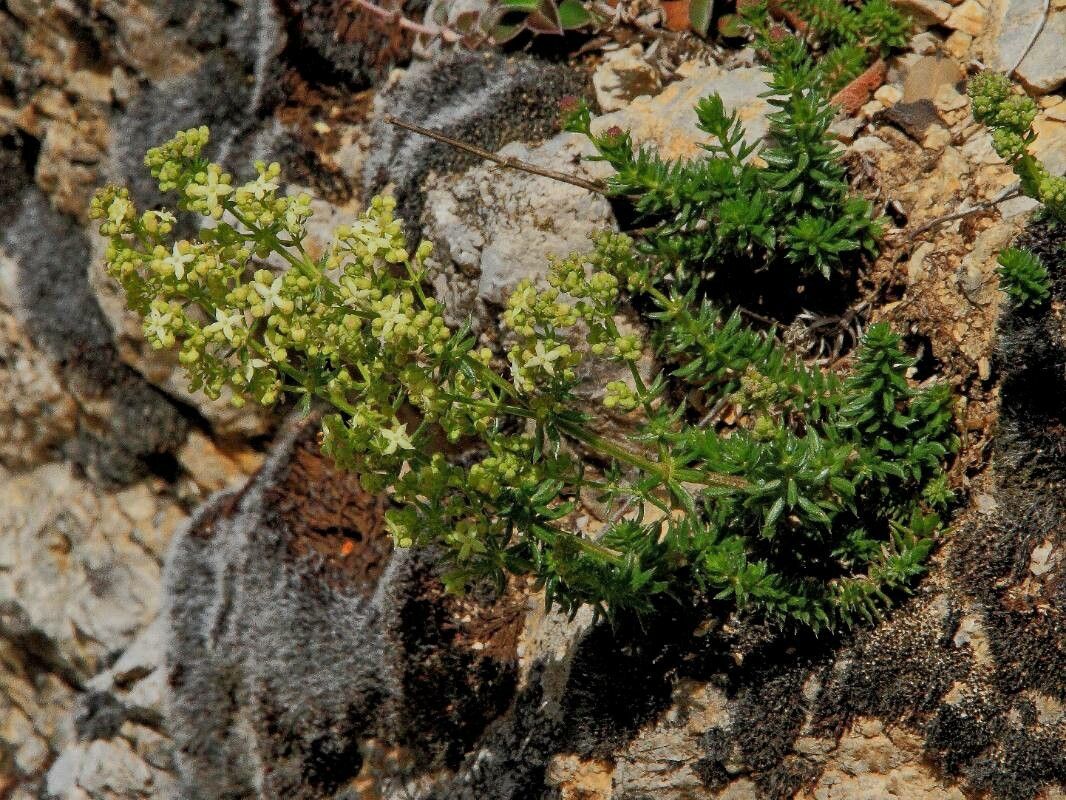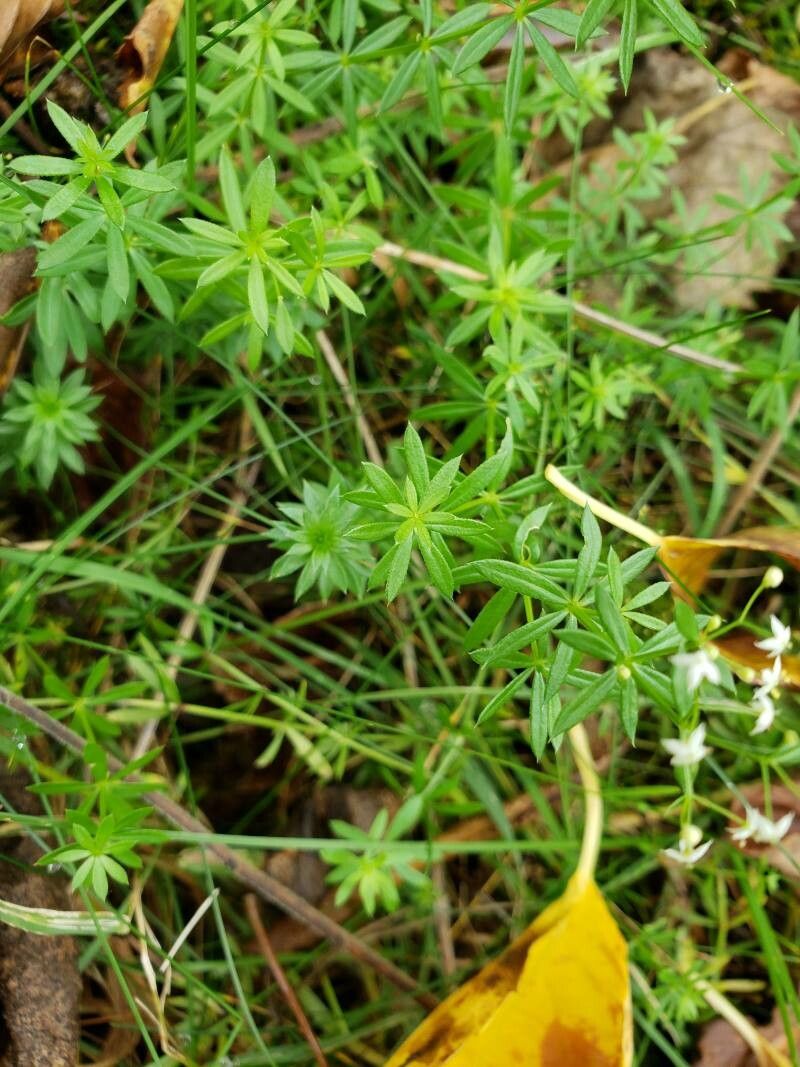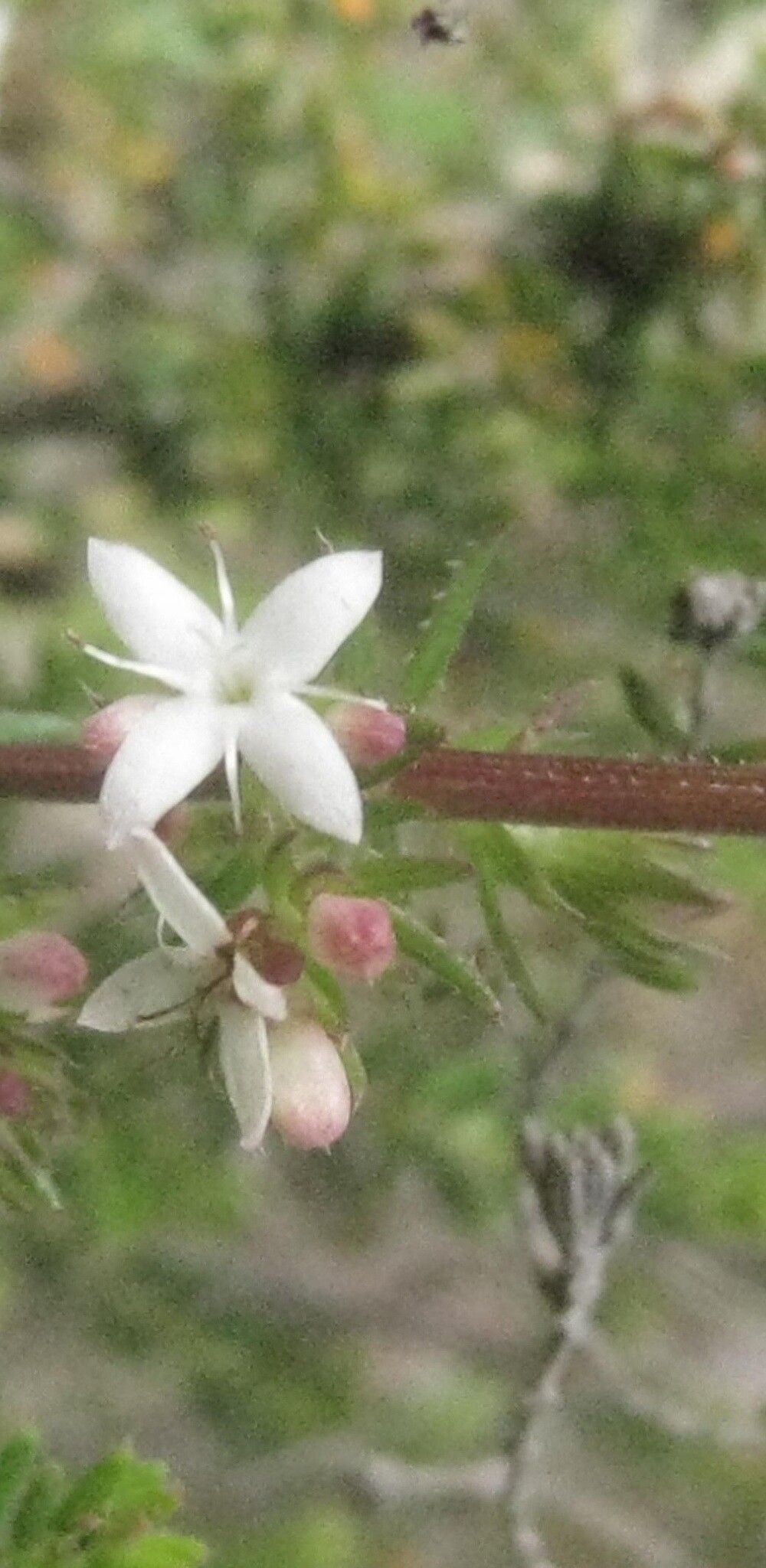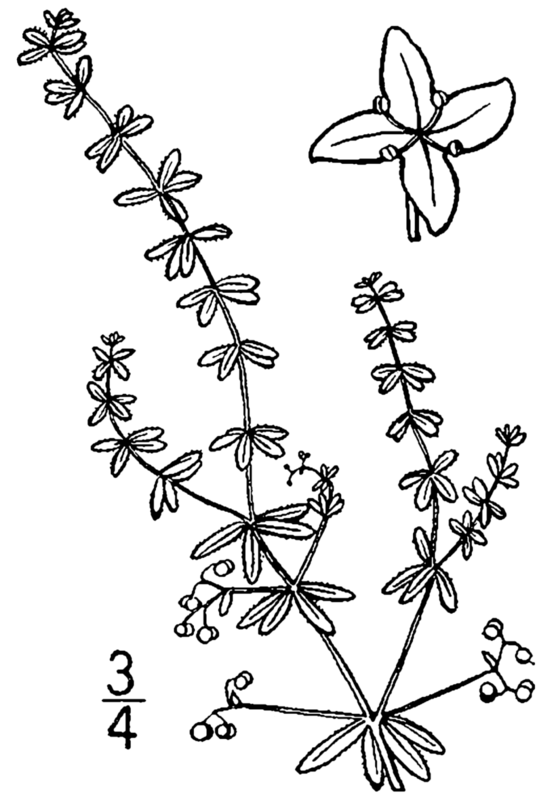
Galium labradoricum (Labrador bedstraw or northern bog bedstraw) is a plant species in the family Rubiaceae. It is widespread across Canada, found in all provinces and territories except Yukon. It also occurs in St. Pierre & Miquelon and in the northern United States, primarily in New England and the Great Lakes region, from Maine to the Dakotas. It is endangered in Connecticut.
Northern bog bedstraw is fairly disease-resistant and is usually not prone to illness. However, it can be vulnerable to pests and diseases present in its surroundings. These infections are generally mild. In terms of care, this plant needs a moderate amount of maintenance. It should be pruned regularly to keep a neat appearance and encourage healthy growth. Fertilizing can also help stimulate flowering. Northern bog bedstraw is appropriate for anyone with outdoor space, such as a garden or patio, and does not require extensive plant-care experience. It may need additional attention when grown indoors.
How to keep Galium Labradoricum.
Light
The northern bog bedstraw naturally inhabits places like forest understories and rocky terrains where it is shielded by natural shade. It is most comfortable in partially sunny conditions, yet it can also thrive in either full sun or full shade, showing its adaptable and robust characteristics.
Water
Northern bog bedstraw originates in moist environments, where it thrives with consistent moisture. While it prefers regular hydration, it can tolerate brief periods of dryness. For optimal health, it should be watered weekly, as its growth is closely tied to water availability during the active growing season.
Temperature
The Northern bog bedstraw possesses the capability to adjust to diverse temperature environments, however, various combinations of heat and water conditions may still restrict its distribution. The plant flourishes optimally in hot summer climates with sufficient rainfall or irrigation. Extended stretches of overcast and rainy weather, along with sustained high temperatures, can heighten the probability of the Northern bog bedstraw's mortality. During the winter season, providing adequate protection against the cold can enhance the plant's chances of survival.
Fertilizer
Typically, a single fertilizer application in the spring is adequate for Northern bog bedstraw. However, to optimize growth, multiple feedings can be beneficial. Apply fertilizer approximately every one to one and a half months. This not only improves the appearance and function of the leaves, contributing to a consistent color and a robust texture, but it also encourages root development and nutrient intake, which are essential for the plant's sustained health.
Pruning
Northern bog bedstraw thrives in wet, boggy environments and produces small white flowers. To maintain its health and appearance, it's best to prune in early spring. During this time, remove dead stems and any overcrowded growth to improve air circulation. Avoid heavy pruning, as it can cause stress to the plant. Regular trimming helps the plant stay healthy and looking its best. Always use clean, sharp tools to ensure optimal recovery.
Botanical profile.
- Plant Type
- Herb
- Life Cycle
- Perennial
- Genus
- Galium
- Family
- Rubiaceae
- Hardiness Zone
- 2-7
- Mature Height
- 10 cm to 40 cm
- Mature Spread
- 15 cm to 25 cm
- Leaf Color
- Dark Green
- Leaf Type
- Deciduous
- Flower Color
- White
- Flower Size
- 0.20 cm to 0.25 cm
- Bloom Time
- Early summer, Mid summer
- Planting Time
- Spring, Autumn
- Harvest Time
- Late summer, Early fall