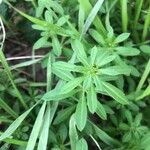
Galium maritimum
Sea Peffle
Care Guide
💧 Water
Galium maritimum is a plant that originates from coastal regions and prefers moderate moisture levels. It thrives with consistent weekly watering but can also tolerate short periods of dryness. For optimal growth, it should be planted in well-draining soil, which mimics its natural habitat and helps prevent root rot. Outdoors, it can also benefit from natural rainfall.
How should I water my Galium maritimum plant?
To properly water the Galium maritimum, it is best to use filtered water that is at room temperature or slightly warmer. Tap water may contain harmful particles, so filtering it ensures the plant's health. The Galium maritimum is accustomed to warm environments, so cold water can be a shock to its system. Avoid overhead watering as it can lead to issues with the foliage. Instead, apply the filtered room temperature water directly to the soil until it is thoroughly soaked. This helps the plant by moistening the roots and aiding in their spread through the soil to absorb essential nutrients.
What should I do if I give too much water or too little water to my Galium maritimum plant?
Overwatering your Galium maritimum is a common problem and can cause wilting, yellowing, and potential diseases like root rot, mold, and mildew. Underwatering is less common but can lead to brittle, brown leaves. It's important to notice the signs of overwatering early so you can adjust your watering schedule and potentially replace the soil if it doesn't drain well. If your plant is underwatered, simply increase your watering frequency until the signs improve.
How often should I water my sea barley grass?
If your Galium maritimum plant is in a pot, the most accurate way to check if it needs water is to stick your finger into the soil. If the top two to three inches of soil are dry, it's time to water it. If you have your Galium maritimum growing outdoors in the ground, you can use a similar method to test the soil. Once again, if you find that the top few inches of soil have dried out, it's time to water it. Typically, during the spring and early fall, you'll need to water this plant about once a week using this method. However, during extremely hot weather, you may need to increase the frequency to about twice or even more per week. Nevertheless, it's important to note that mature and well-established Galium maritimum plants have the impressive ability to tolerate drought.
How much water does my Galium maritimum plant require?
When watering your Galium maritimum, give it a generous amount of water without hesitation. Make sure the top two to three inches of soil are dry before watering, and then give it a thorough soaking. You should add enough water to completely saturate the soil, allowing excess water to drain out through the pot's drainage holes. If you don't see any excess water draining, you may not have watered enough. However, be careful not to let water accumulate in the soil, as this can harm the plant. If you notice that water is not draining well through the pot, it could indicate poorly draining soil, which is not good for the health of the plant. If the plant is outdoors, receiving about 1 inch of rain per week should be enough.
How do I water my Galium maritimum at different stages of growth?
The water requirements of Galium maritimum vary depending on its growth stages. In its early years and after transplanting, it needs more water to support root growth. These young roots need extra moisture to thrive. As the plant matures, it requires less water. During the bloom period, additional water may be necessary to support flower development.
☀️ Light Full sun
Galium maritimum is a sun-loving perennial herbaceous plant that originates in open habitats and is often found thriving in meadows and grasslands. It prefers full sun but can also tolerate partial sun conditions.
What are the sunlight requirements for Galium maritimum?
Galium maritimum is a sun-loving perennial herb that thrives in full sunlight, requiring more than 6 hours of sunlight per day. However, it can also tolerate partial sun conditions, which involve about 3-6 hours of sunlight. It's essential to observe your garden's sunlight patterns to find spots that meet these requirements, ensuring the plant's health and happiness.
How does artificial lighting support plant growth?
Artificial lighting plays a crucial role in indoor plant growth, especially when natural sunlight is insufficient. For optimal growth, indoor Galium maritimum plants may need 30-50W/sq ft of light for full sun plants, 20-30W/sq ft for partial sun plants under LED lights, which can be customized for specific light wavelengths. The artificial light should be placed 12-36 inches above the plant for 8-12 hours per day to mimic natural daylight conditions.
What symptoms indicate Galium maritimum is receiving inadequate light?
Symptoms of inadequate lighting in Galium maritimum include smaller new leaves, leggy or sparse growth, faster leaf drop, slower or halted growth, lighter-colored new leaves, chlorosis (leaves turning yellow), sunscald, leaf curling, wilting, and leaf scorching. These signs show the plant is struggling with either too little or too much light, impacting its health and growth.
What are some solutions for Galium maritimum not receiving enough sunlight?
If your Galium maritimum isn't getting enough sunlight, gradually move it to a spot with at least 6 hours of direct sunlight daily. For indoor plants, consider using desk or ceiling lamps for 8 hours daily or invest in grow lights. Outdoors, adjust the plant's location to a sunnier spot over weeks to avoid sunburn. Pruning nearby trees or bushes can also improve sunlight exposure. Transplant smaller plants during their dormant period to areas with better light and drainage.
🌡️ Temperature 15–35°C
Galium maritimum can adjust to a broad spectrum of temperatures, though its range may still be constrained by various mixes of moisture and heat. It grows best in warm summer conditions with sufficient rainfall or irrigation. Extended periods of overcast, rainy weather and extended high temperatures both raise the risk of Galium maritimum succumbing. During winter, adequate protection from cold can enhance the plant's chances of survival.
💨 Humidity
🪴 Soil 6-7
🌱 Fertilizer
One fertilizer application in spring is generally adequate for Galium maritimum, though multiple feedings can enhance growth. Fertilize every month to a month and a half. Feeding improves the leaves' appearance and function, encouraging uniform color and a healthy texture. It also promotes root development and better nutrient uptake, supporting long-term plant health.
🪴 Pot & Repot
✂️ Pruning
Galium maritimum features delicate foliage and small clusters of flowers. To encourage growth and flowering, prune the plant from early to late spring. During this time, remove any dead stems and trim overgrown areas. This practice improves air circulation, reduces the risk of disease, and supports the plant's growth cycle, helping it maintain a healthy appearance.
🌿 Propagating
🐛 Diseases & pets
☠️ Toxicity
Characteristics
- Plant Type
- Herb
- Life Cycle
- Perennial
- Genus
- Galium
- Family
- Rubiaceae
- Hardiness Zone
- 7-10
- Mature Height
- 20 cm to 61 cm
- Mature Spread
- 30 cm to 61 cm
- Leaf Color
- Green
- Leaf Type
- Evergreen
- Flower Color
- Yellow, Green
- Flower Size
- 0.25 cm to 0.51 cm
- Bloom Time
- Late spring, Early summer, Mid summer
- Planting Time
- Spring, Autumn
- Harvest Time
- Mid summer, Late summer, Early fall
- Native Area
- Spain, France