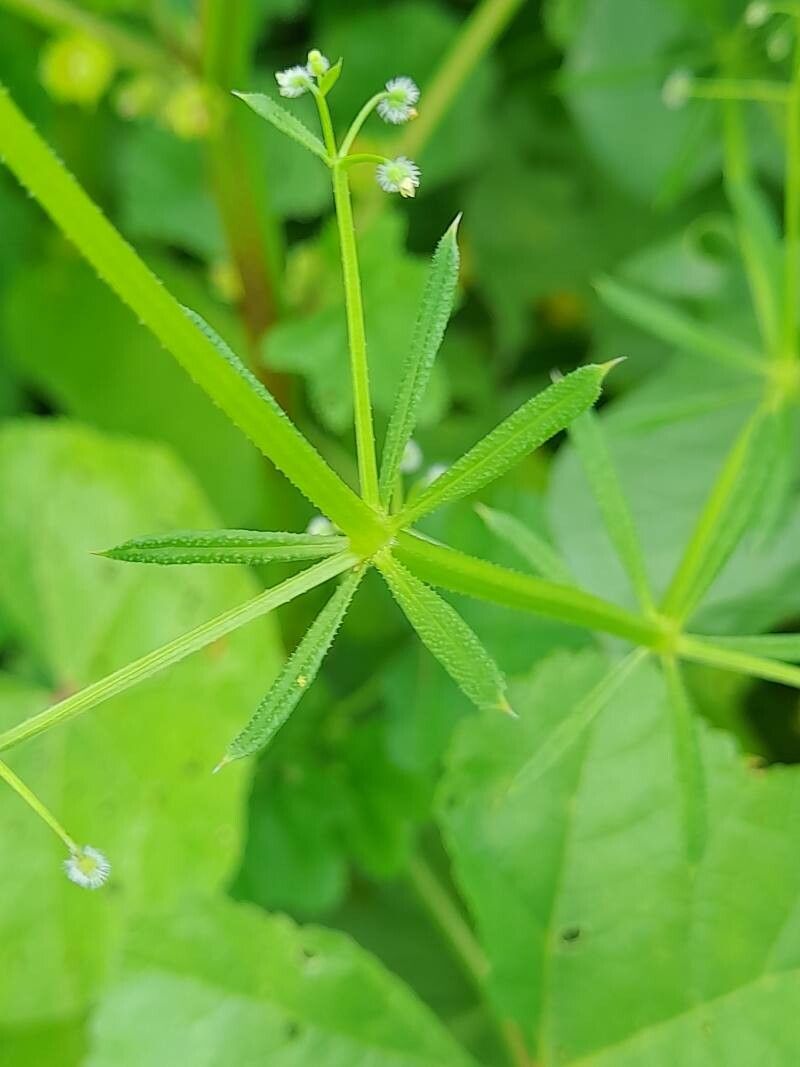
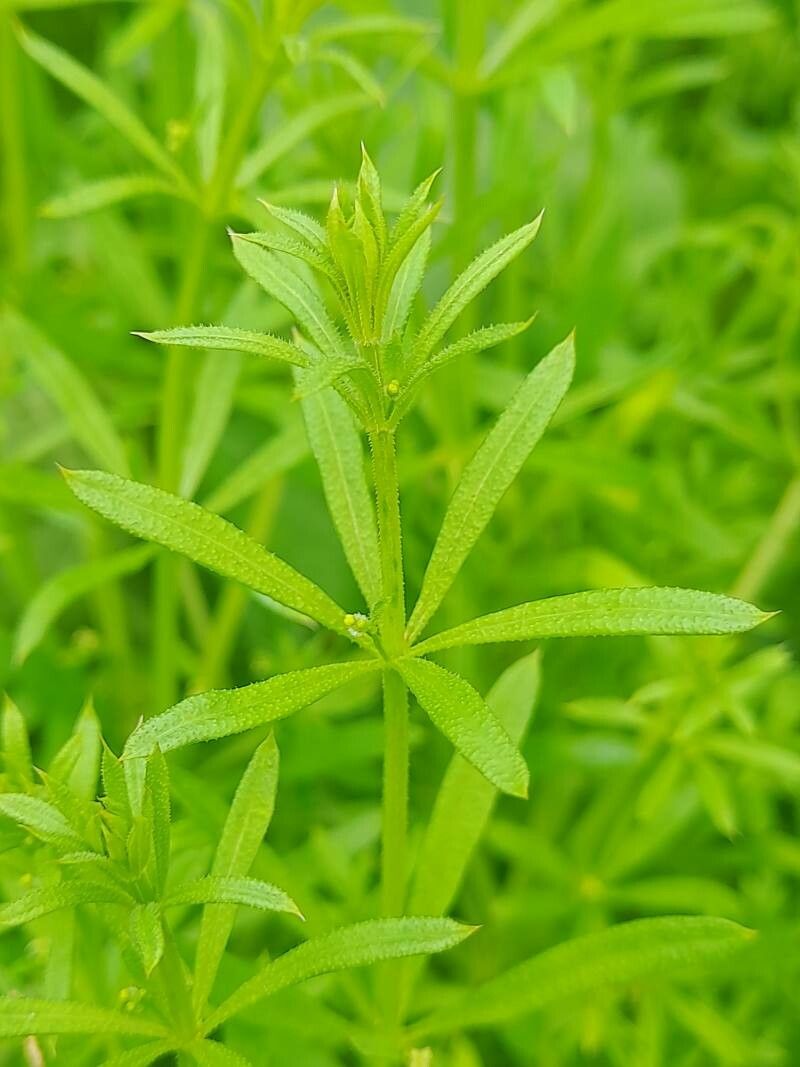
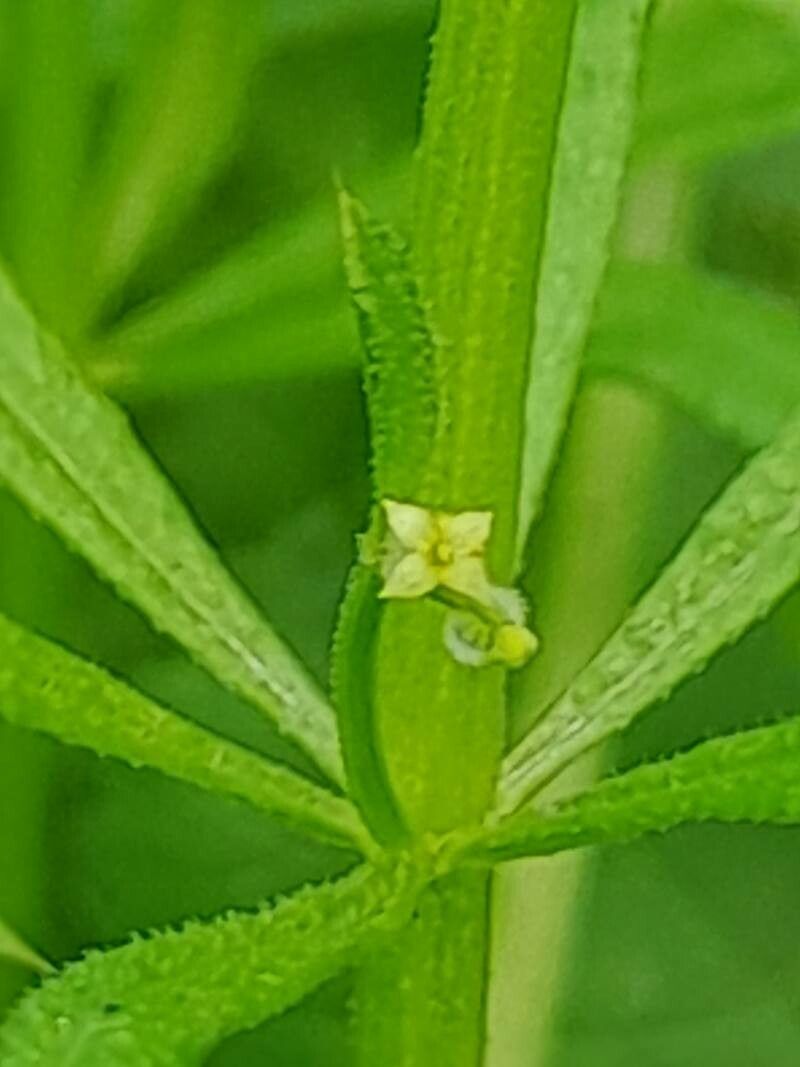
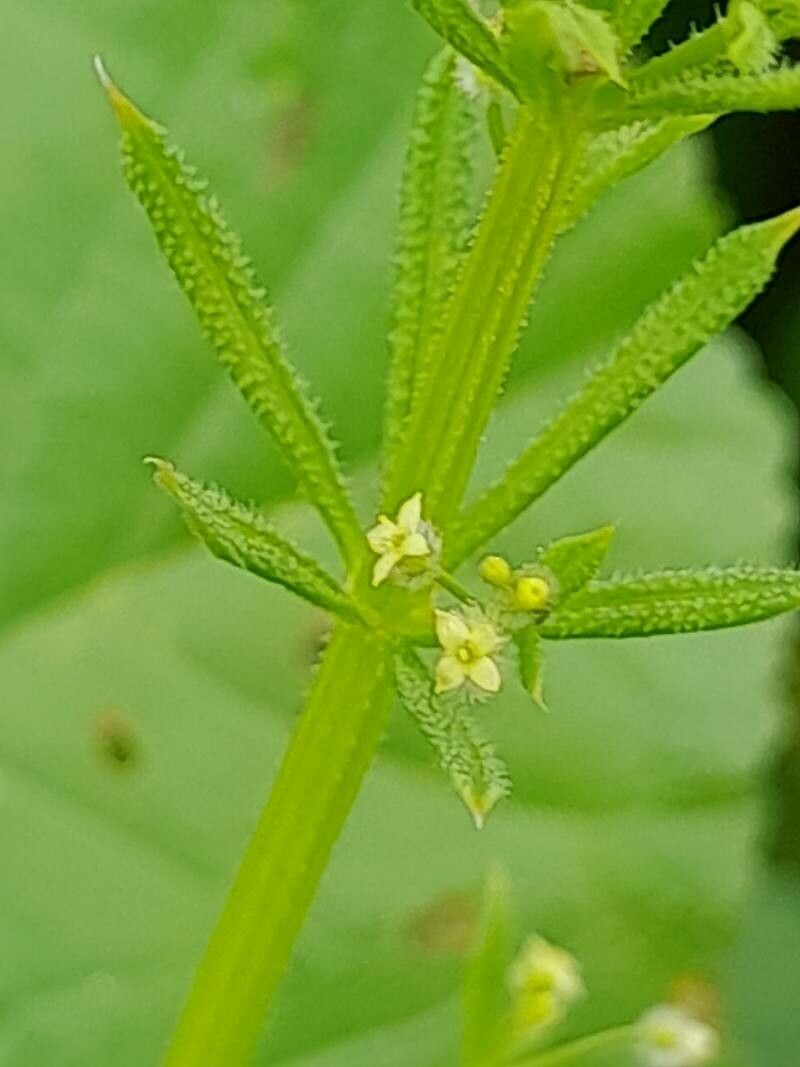
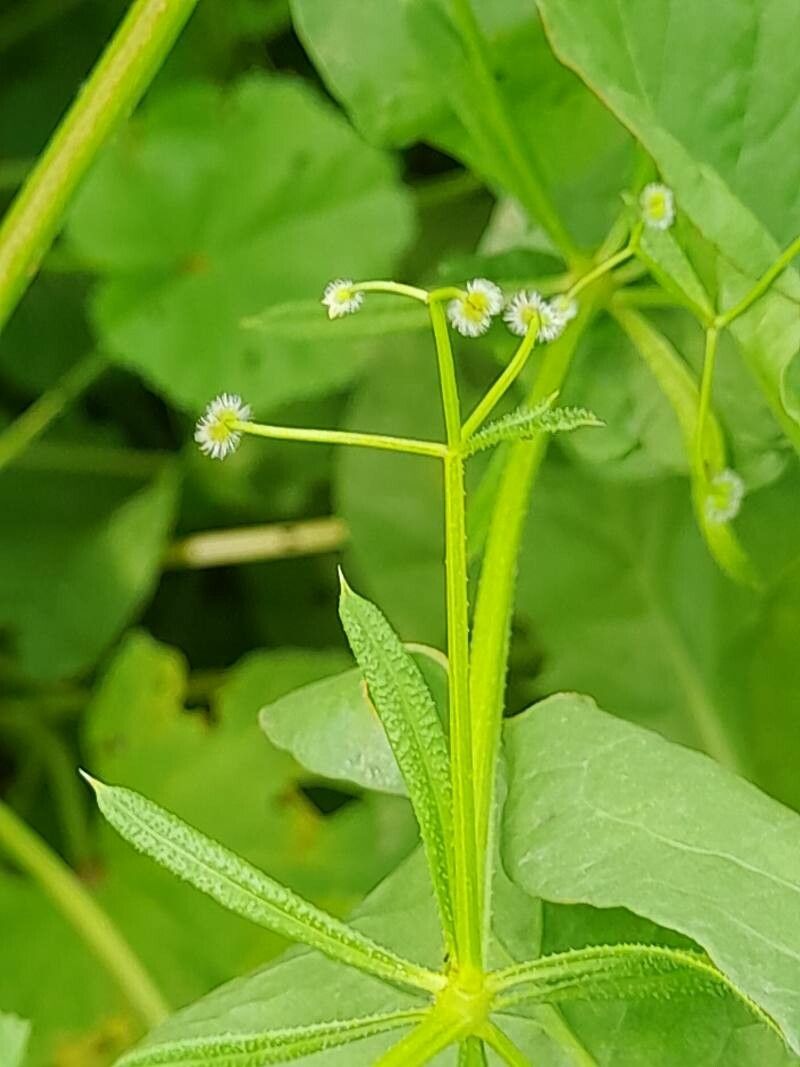
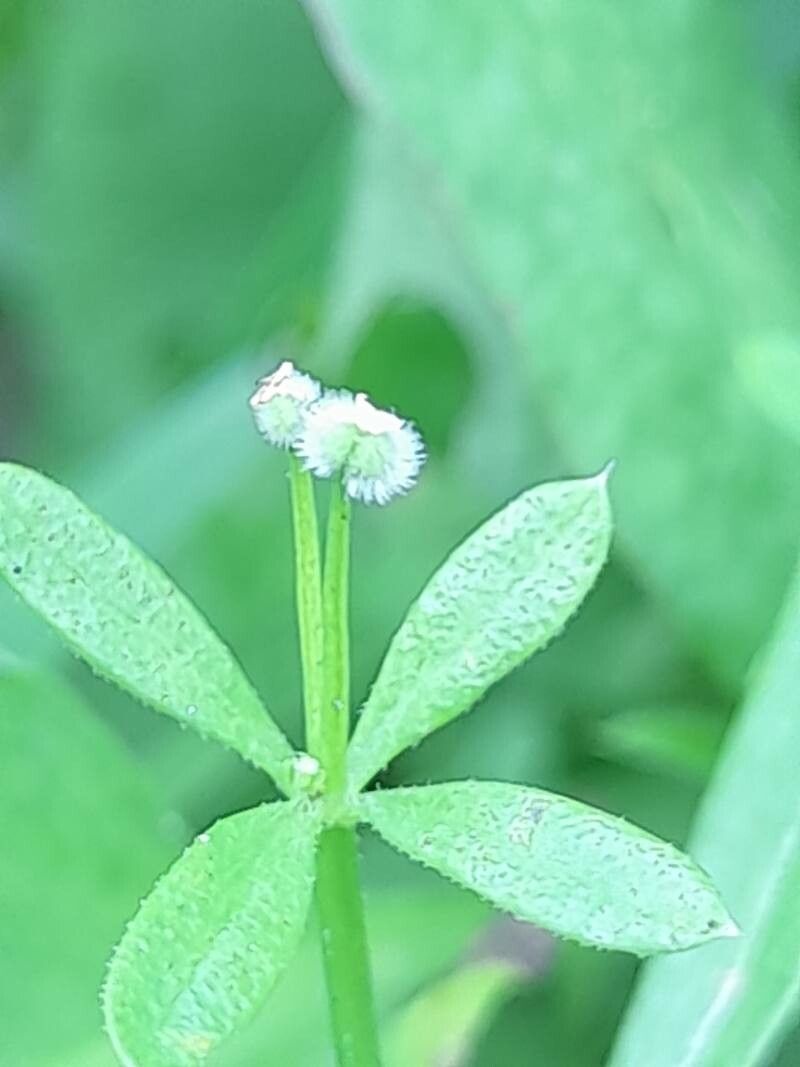
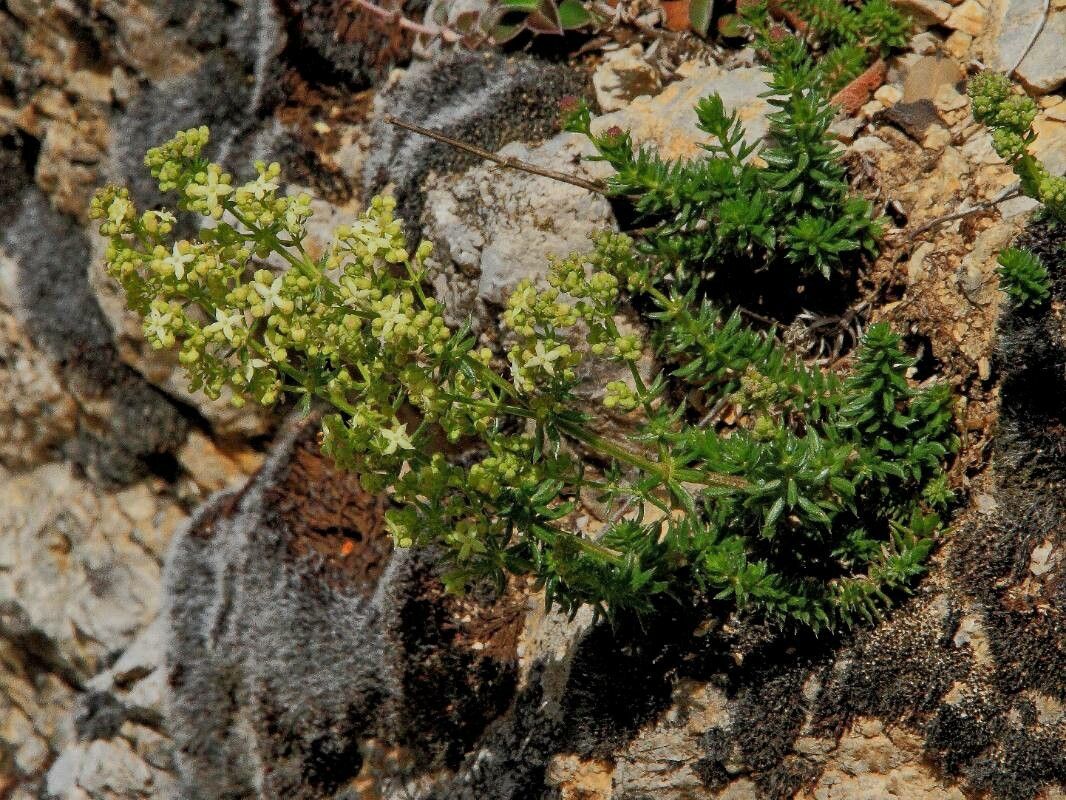
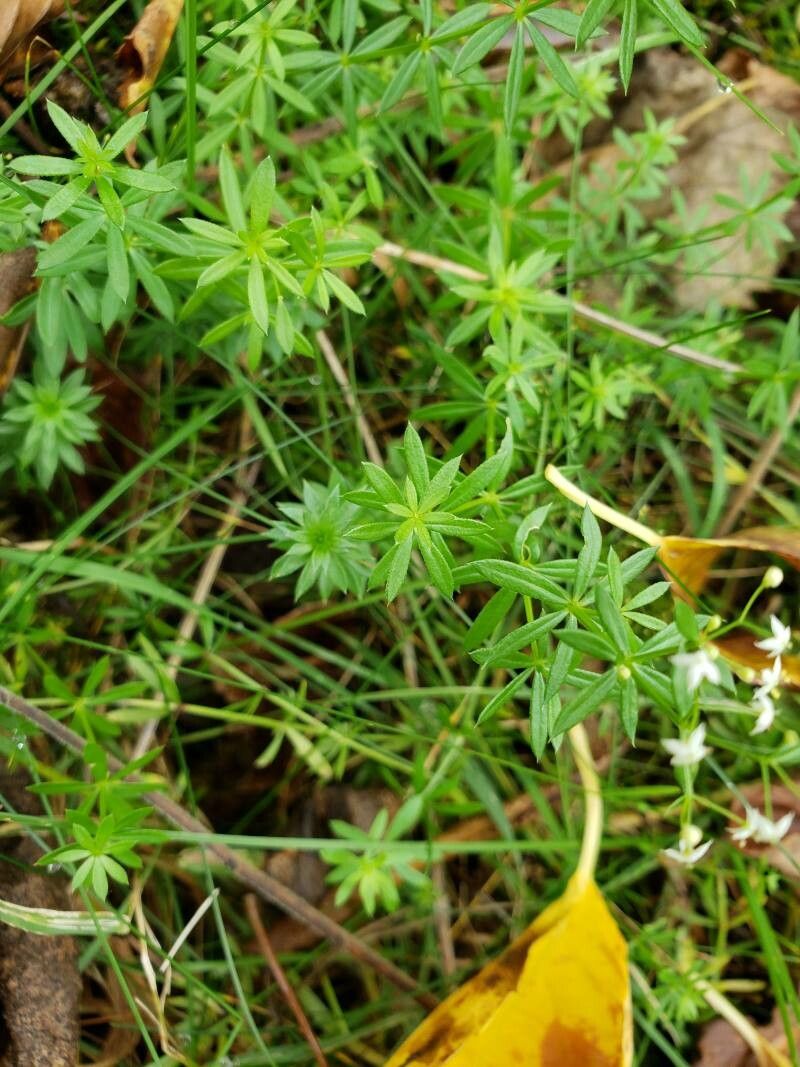
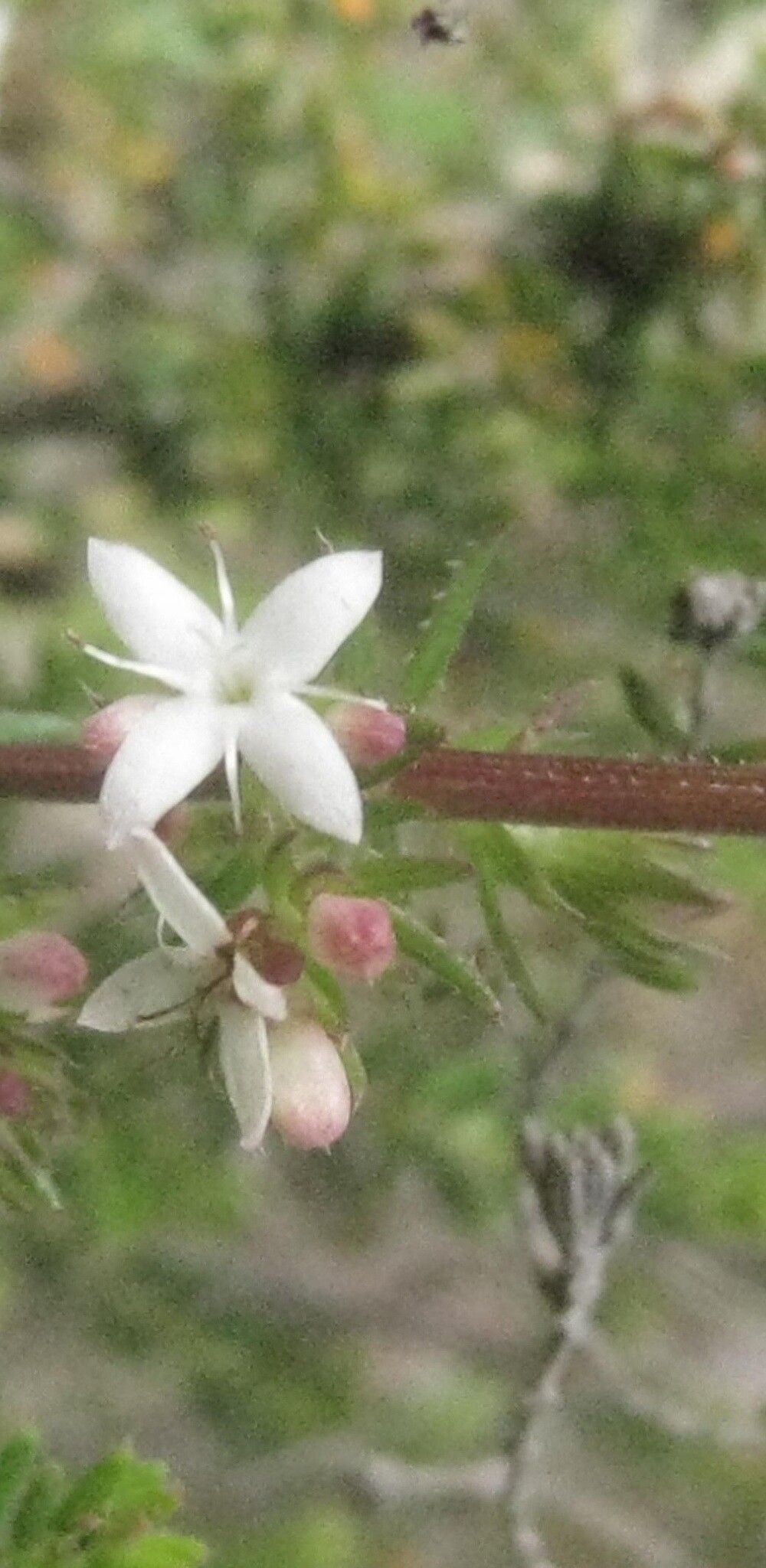
Galium spurium, the stickwilly or false cleavers, is a plant species of the Rubiaceae. It is widespread across Europe, Asia, Africa and Canada, and is naturalized in Australia. It is considered a noxious weed in many places.Galium spurium is an erect or reclining herb up to 50 cm tall. Stems are square in cross-section. Leaves are in whorls of 6–8, narrowly lanceolate. Flowers are in multi-flowered cymes or panicles, white or yellow-green.
Birdlip is fairly disease-resistant and is usually not vulnerable to illnesses. Nevertheless, it can be affected by pests and diseases present in its environment. Such infections are generally mild. Care-wise, the plant requires moderate upkeep. Regular pruning is needed to keep it looking tidy and to encourage healthy growth. Applying fertilizer can also help stimulate flowering. Birdlip is suitable for anyone with an outdoor area, such as a garden or patio, and does not demand extensive care experience. It may need more attention when cultivated indoors.
How to keep Galium Spurium.
Light
Birdlip comes from habitats with dappled sunlight, like forest understories or rocky sites that offer natural shade. It flourishes in partial sun but can also tolerate full sun conditions.
Water
Birdlip thrives best in temperate regions, where it can enjoy consistent moisture without becoming waterlogged. While it is moderately drought-tolerant, it still benefits from weekly watering. This versatile outdoor plant can flourish in a range of soil conditions, but well-draining soil enhances its resilience, especially in wetter climates.
Temperature
Birdlip is a temperate-growing plant that thrives in environments with average temperatures between 68 and 95°F (20 and 35°C). It adapts to seasonal changes and prefers warm conditions.
Fertilizer
Birdlip benefits from regular, dilute applications of fertilizer to encourage healthy leaf growth. You should fertilize Birdlip about once a month during the summer months. Nitrogen is essential for foliage, and providing nitrogen-rich sources helps Birdlip thrive.
Pruning
Birdlip is a hardy plant known for its rapid growth, delicate stems, and small leaves. To maintain its health and encourage growth, it is best to prune it from early to late spring. Regularly trimming dead stems and thinning overcrowded areas will improve air circulation and light exposure, which in turn enhances both its growth and aesthetic appeal.
Botanical profile.
- Plant Type
- Herb
- Life Cycle
- Annual
- Genus
- Galium
- Family
- Rubiaceae
- Hardiness Zone
- 7-10
- Mature Height
- 20 cm to 61 cm
- Mature Spread
- 1.83 m
- Leaf Color
- Green
- Leaf Type
- Semi-evergreen
- Flower Color
- White
- Flower Size
- 0.13 cm
- Bloom Time
- Mid spring, Late spring, Early summer
- Planting Time
- Spring
- Harvest Time
- Summer
Other names.
Reader questions.
What are the sunlight requirements for Birdlip plants?
Birdlip plants thrive in environments that mimic their natural habitat, which often includes dappled sunlight found in forest understories or rocky areas that provide natural shade. They prefer partial sun, requiring about 3-6 hours of sunlight per day, but can also tolerate full sun conditions. It's recommended to observe the movement of sunlight through your garden to choose spots that offer the right balance of light and shade, ensuring the plants' happiness.
What are the essential growing conditions for Birdlip?
Birdlip, also known by its botanical name Galium spurium, is a temperate growth plant that flourishes in environments with an average temperature range of 68 to 95°F (20 to 35°C). It adapts well to seasonal changes, preferring warm temperatures while demonstrating strong cold resistance. Special frost protection measures are typically unnecessary during winter. However, if winter temperatures are expected to dip below -15°C, it's crucial to provide cold protection by covering the plant with soil or straw. To prepare for winter, it's recommended to water the plant abundantly before the first freeze of autumn, ensuring the soil remains moist and enters a frozen state. This preparation helps prevent drought and water scarcity for the plant during the colder months and early spring.
How can artificial lighting be used for Birdlip plants?
When natural sunlight is insufficient, particularly during winter or in less sunny spaces, artificial lighting can be a crucial support for Birdlip plants' growth. LED lights are recommended because they can be tailored to provide specific wavelengths needed by plants. The intensity of artificial light required varies: full sun plants need 30-50W/sq ft, partial sun plants need 20-30W/sq ft, and full shade plants need 10-20W/sq ft. The light source should be placed 12-36 inches above the plant, and the duration should mimic natural daylight hours, generally between 8-12 hours per day.
How does Birdlip respond to low temperature conditions, and what are the recommended solutions?
Birdlip is notably cold-tolerant, thriving best when temperatures are above 20°C and should be kept above 0°C during winter. Even though the plant may not show noticeable changes when the temperature falls below -15°C, the colder conditions could lead to a decrease in sprouting or even a complete lack of sprouting in the springtime. To address this, it's recommended to remove any parts of the plant that have failed to sprout once spring arrives.
What are the symptoms of inadequate light for Birdlip plants?
Symptoms of light deficiency in Birdlip plants include smaller new leaves, leggy or sparse growth, faster leaf drop, slower or halted new growth, lighter-colored new leaves, chlorosis, sunscald, leaf curling, wilting, and leaf scorching. These symptoms indicate the plant is struggling with the light conditions, either too little or too much sunlight. Adjusting the light exposure can help mitigate these issues and promote healthier growth.
What should be done if Birdlip experiences high temperature conditions?
During the summer months, it's crucial for Birdlip to be kept below 35°C. If temperatures soar above 41°C, the plant's leaves may start to lighten in color, become prone to curling, suffer from sunburn, and in severe cases, the entire plant may wilt and dry out. To mitigate these effects, trim away the sunburned and dried parts of the plant. Moving the plant to a shaded location or using a shade cloth to protect it from the midday and afternoon sun can also be beneficial. Additionally, watering the plant in the morning and evening is advised to keep the soil moist and help the plant stay hydrated.
What solutions are available for Birdlip plants with inadequate light?
For indoor Birdlip plants suffering from inadequate light, gradually shifting them to sunnier spots weekly until they receive 3-6 hours of direct sunlight daily or using artificial light can optimize growth. Outdoor plants should similarly be moved gradually to avoid sunburn. Pruning trees or obstructions that block sunlight and transplanting smaller plants during their dormant period to sunnier locations with good drainage can also help. It's important to note that while parts of the plant affected by insufficient light may not recover, new growth should be healthy after adjusting light exposure.