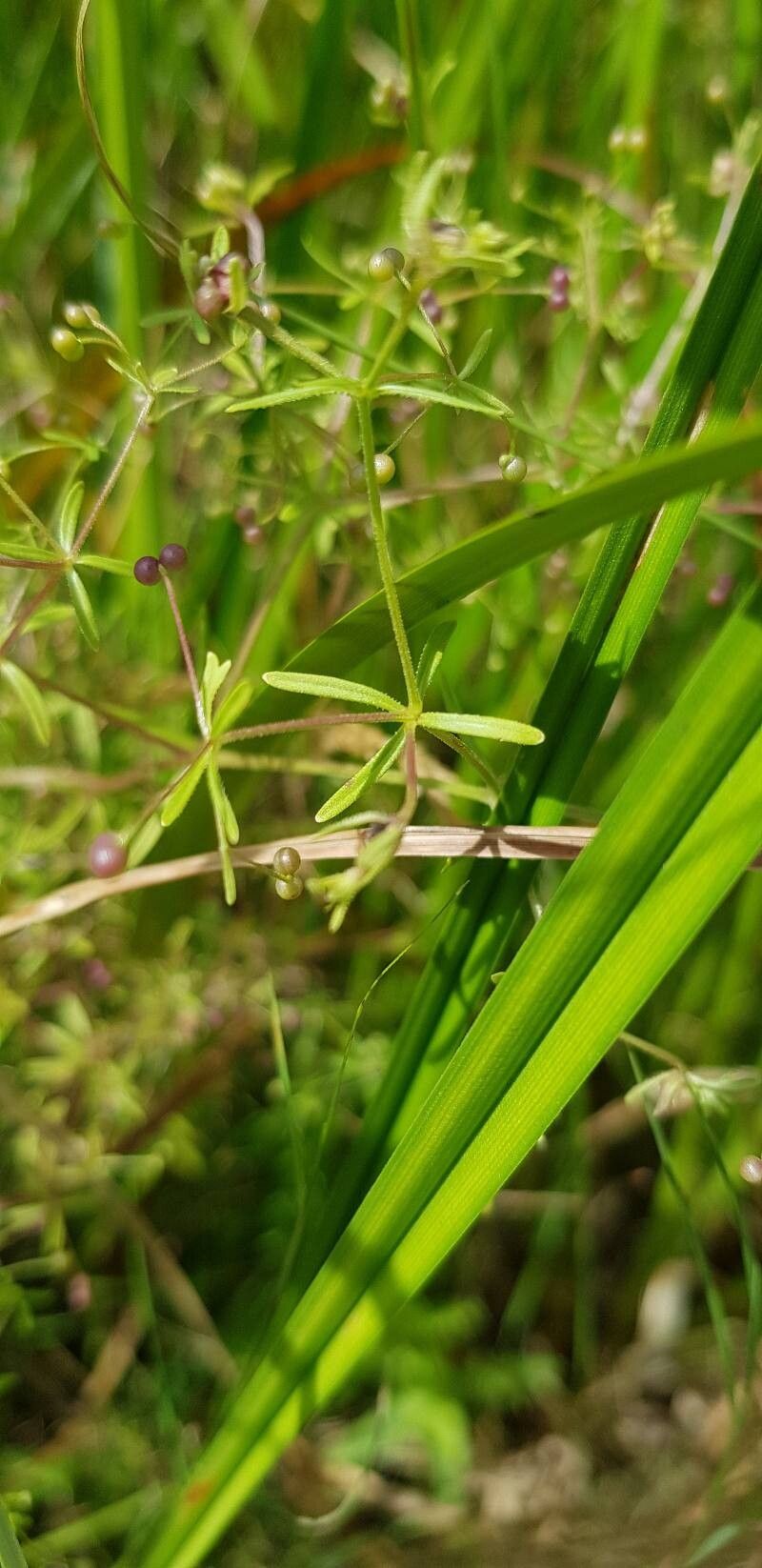
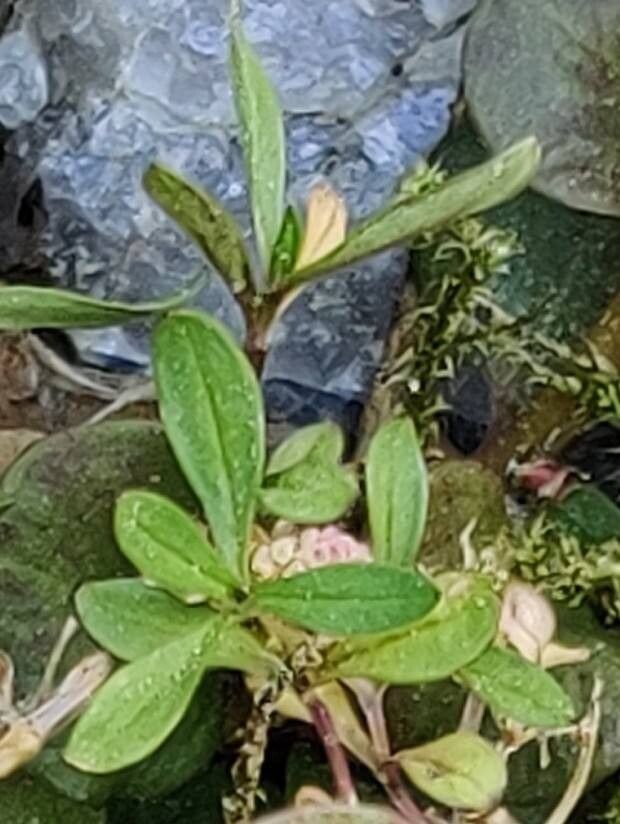
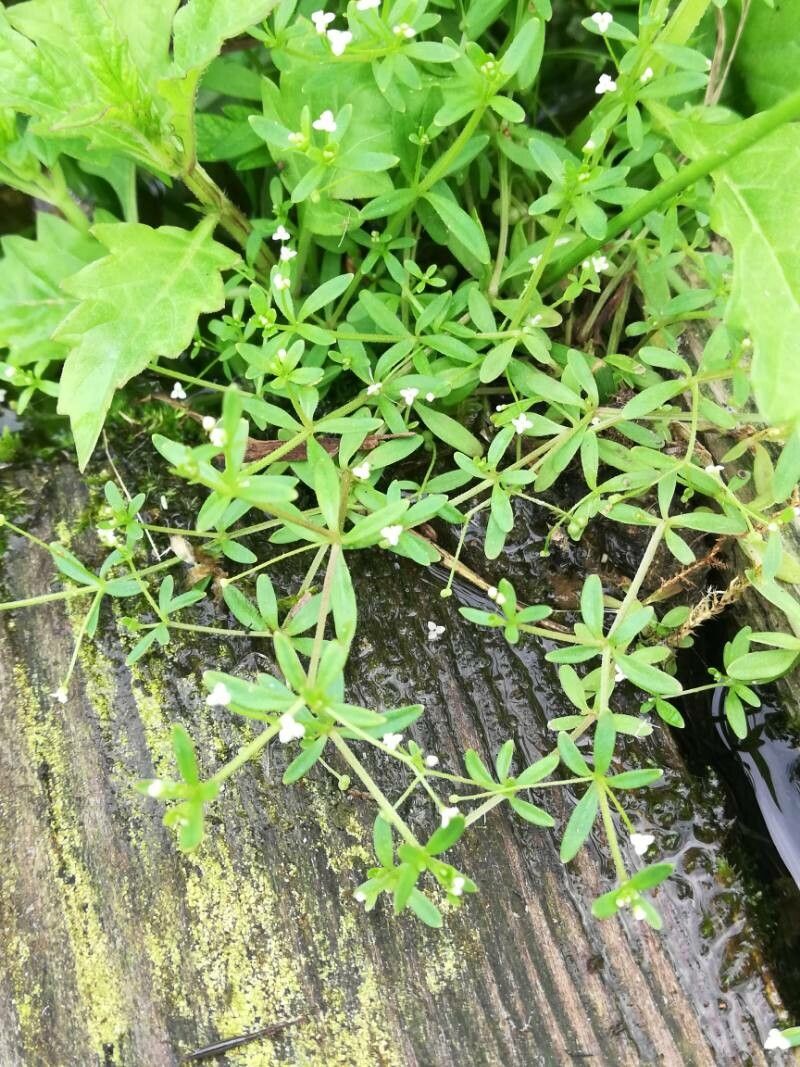
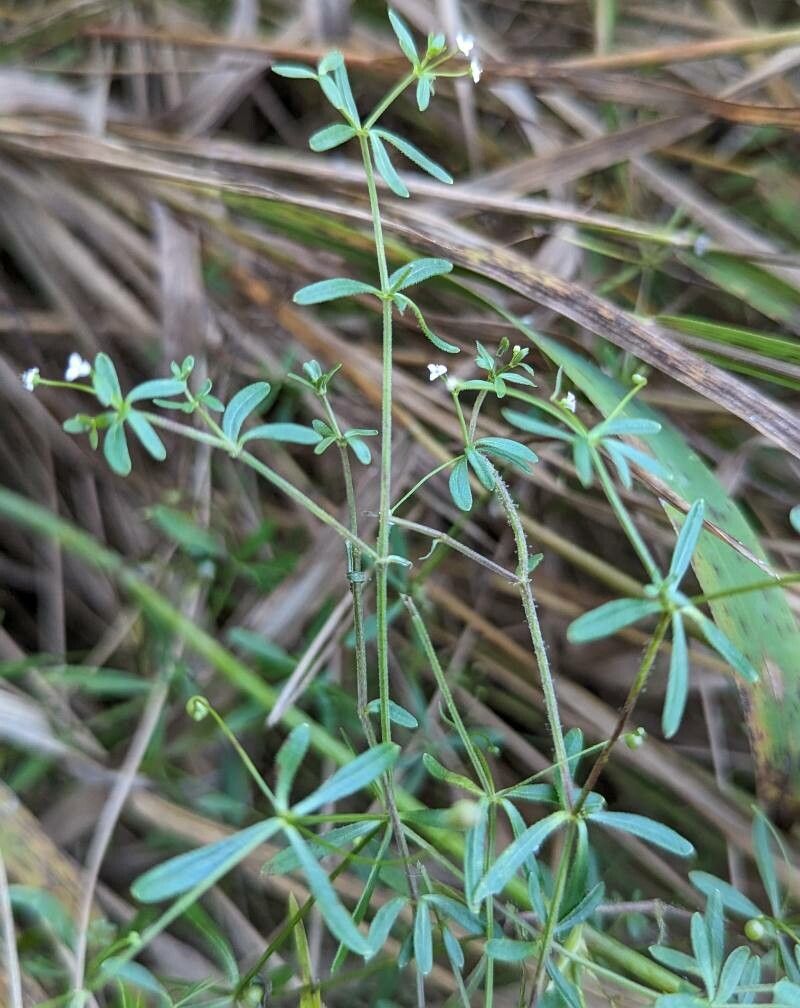
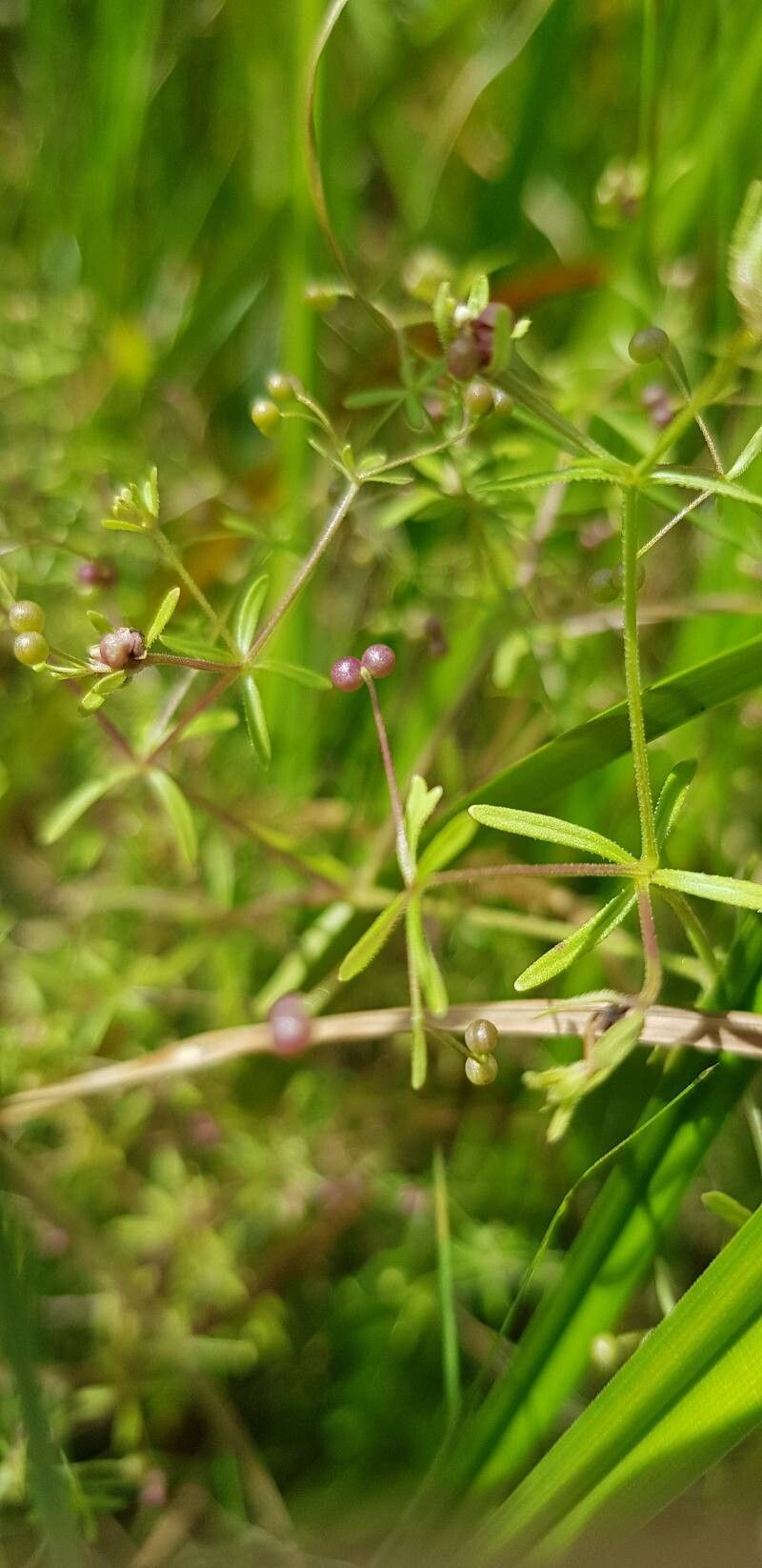
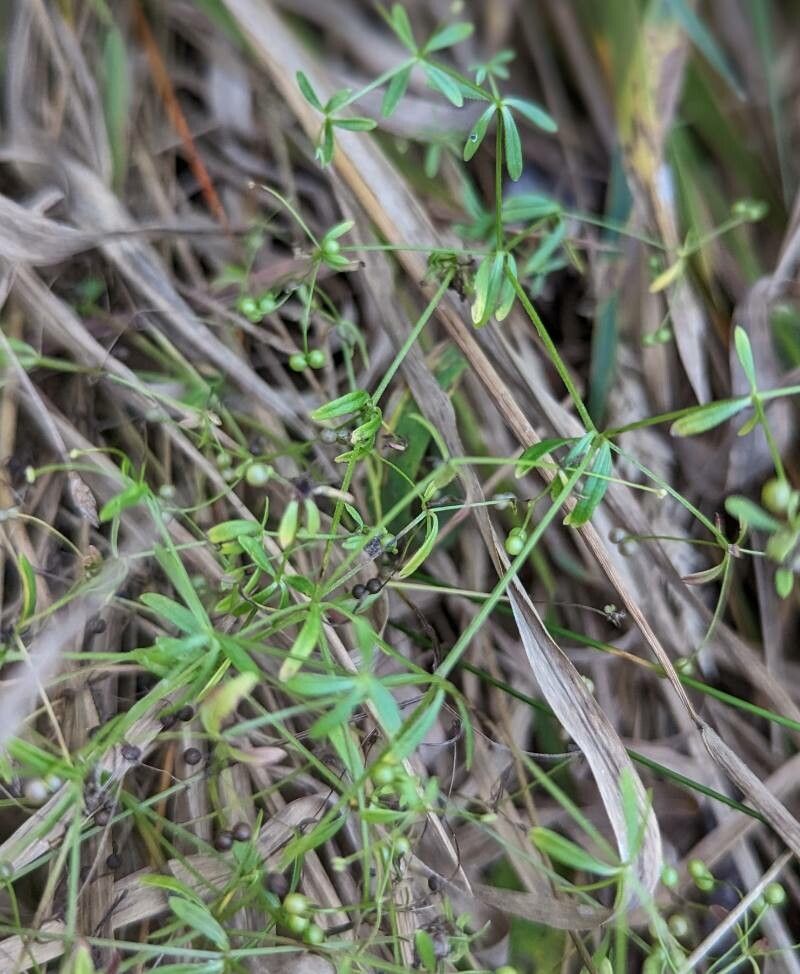
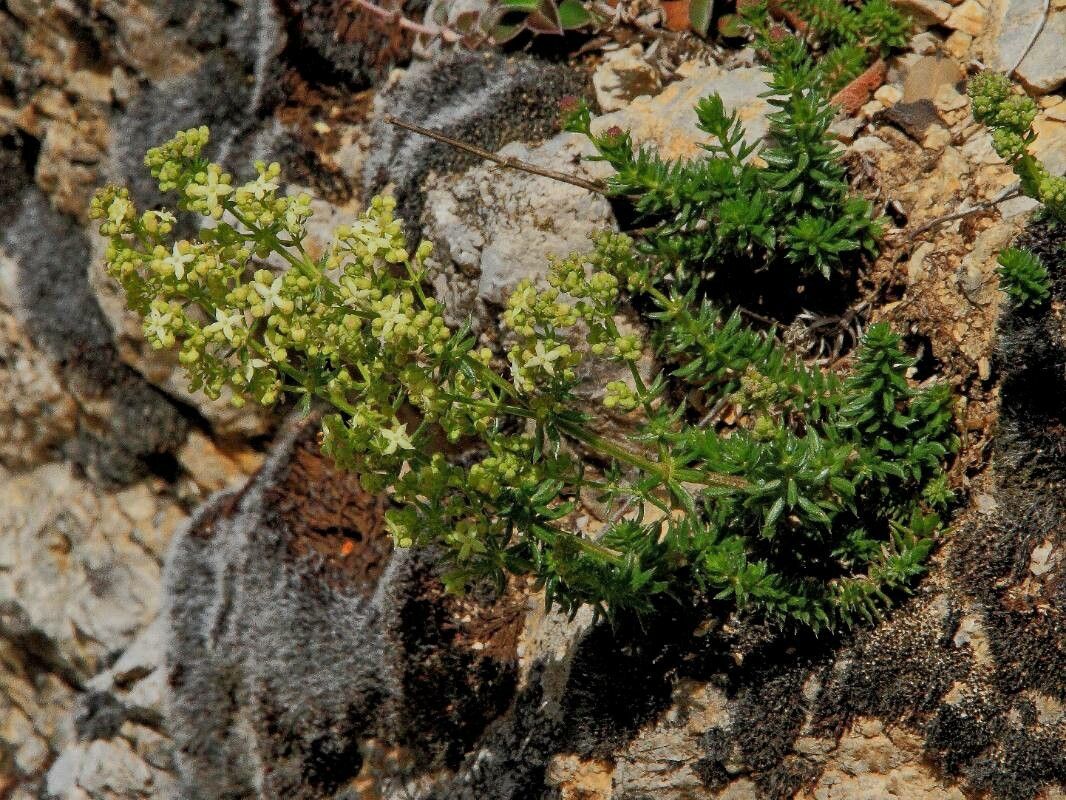
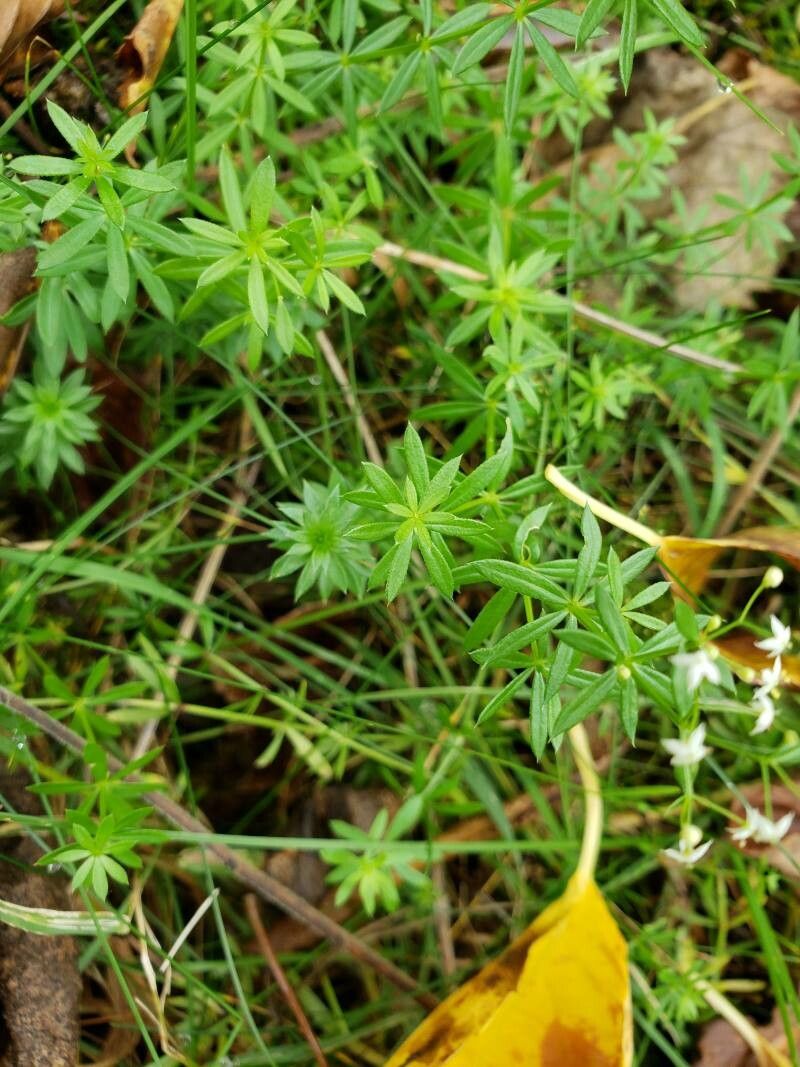
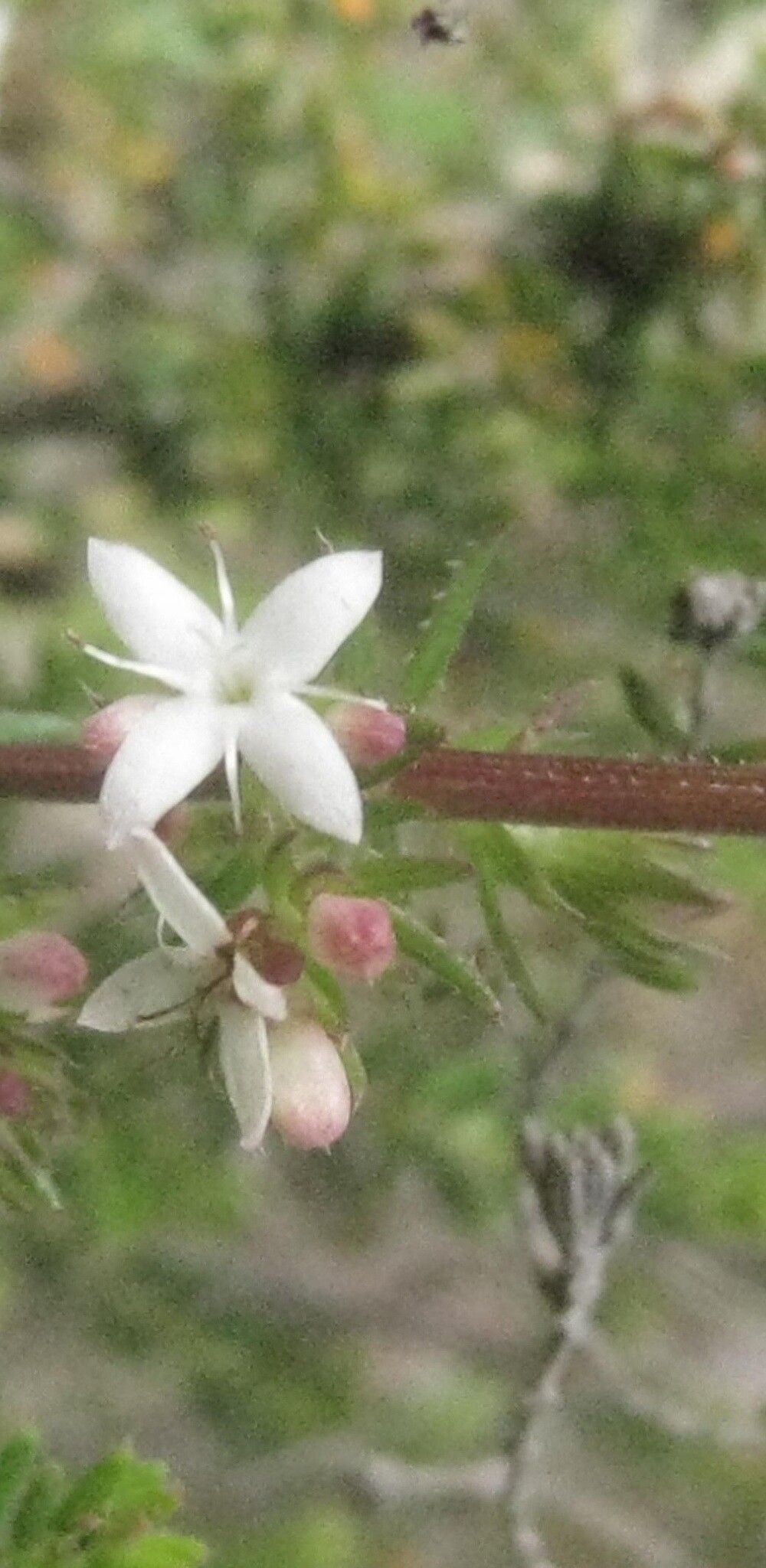
Galium trifidum is a species of flowering plant in the coffee family, known by the common name three-petal bedstraw. It grows widespread in the arctic, temperate and subtropical regions of the Northern Hemisphere: northern and central Asia (Siberia, the Russian Far East, China, Korea, Japan, Kazakhstan), northern and eastern Europe (Scandinavia, France, Austria, Poland, Russia, Ukraine, Baltic states) and much of North America (from Greenland and the Aleutians as far south as Oaxaca and Hispaniola).Galium trifidum is a usually perennial herb forming tangles of thin stems up to half a meter long, ringed with whorls of several linear to oval leaves. The inflorescence is a cluster of small white or pinkish flowers, each with usually three petal-like lobes in its corolla.
Northern three-lobed bedstraw possesses strong disease resistance and is typically not susceptible to illnesses. Still, it can be affected by pests and diseases present in its environment. Such infections tend to be mild. Regarding upkeep, this plant needs a moderate level of care. Regular pruning is necessary to preserve a neat appearance and encourage healthy growth. Applying fertilizer can also support better flowering. Northern three-lobed bedstraw is appropriate for anyone with outdoor areas like a garden or patio and does not demand extensive gardening experience. When cultivated indoors, it may call for more attentive care.
How to keep Galium Trifidum.
Light
Northern three-lobed bedstraw is native to habitats like forest understories and rocky areas that offer natural shade. It prefers partial sun but can tolerate both full sun and full shade, showing its adaptable, hardy nature.
Water
The northern three-lobed bedstraw flourishes in moist environments, preferring soil that remains consistently damp but not waterlogged. To maintain its hydration, it benefits from being watered weekly. Commonly found along streams and in wetlands, this plant is resilient to changing water levels and can adapt well to heavy rainfall followed by short dry spells.
Temperature
Northern three-lobed bedstraw can tolerate a wide range of temperatures, but its distribution may still be constrained by different combinations of moisture and heat. It does best in warm summer climates with adequate rainfall or irrigation. Long periods of cloudy, rainy weather, as well as prolonged high temperatures, can increase the chance of Northern three-lobed bedstraw dying. In winter, shielding the plant from cold can enhance its survival rate.
Fertilizer
One fertilizer application in spring is typically enough for Northern three-lobed bedstraw, though repeated feedings can enhance growth. Fertilize roughly once every month to a month and a half. Fertilization improves leaf appearance and function, helping maintain even color and healthy texture. It also encourages root development and nutrient absorption, supporting long-term plant health.
Pruning
The northern three-lobed bedstraw is a plant known for its unique three-lobed leaves and tends to thrive when pruned in the spring. Key practices for maintaining this plant include removing damaged stems, shaping it, and improving air circulation to ensure better sunlight exposure. Regular pruning helps the plant maintain a healthy and vigorous appearance. For the best care, consult reputable sources for detailed guidelines.
Botanical profile.
- Plant Type
- Herb, Vine
- Life Cycle
- Perennial
- Genus
- Galium
- Family
- Rubiaceae
- Hardiness Zone
- 1
- Mature Height
- 10 cm to 52 cm
- Mature Spread
- 5 cm to 15 cm
- Leaf Color
- Green, Dark Green
- Leaf Type
- Deciduous
- Flower Color
- White
- Flower Size
- 2.54 cm
- Bloom Time
- Early summer, Mid summer
- Planting Time
- Spring
- Harvest Time
- Late summer, Early fall
Other names.