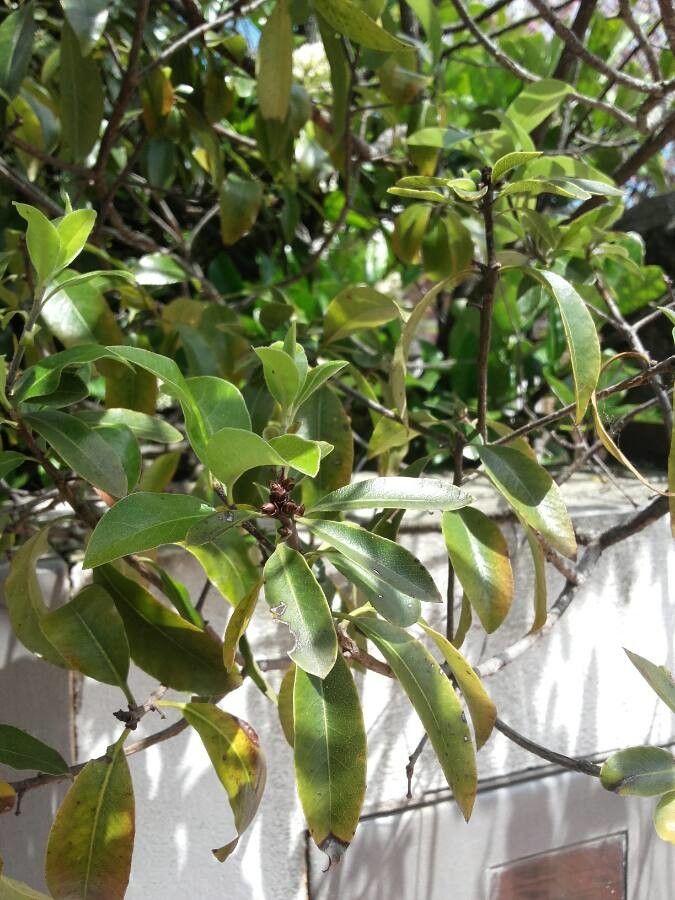
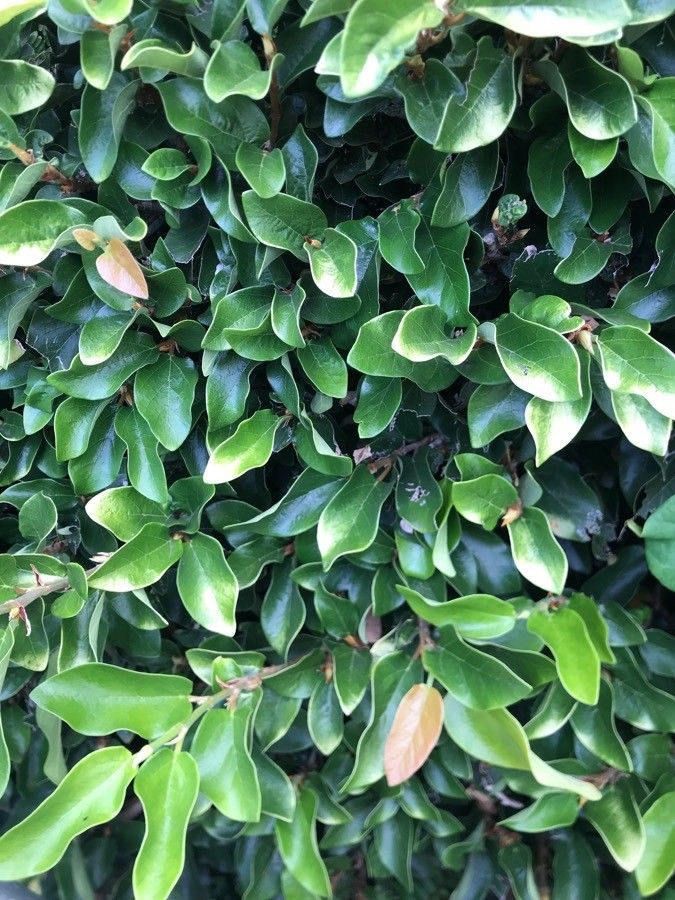
Galpinia transvaalica, commonly known as the wild pride of India, is a small to medium-sized evergreen tree native to South Africa. Belonging to the Malvaceae family, this tree can reach heights of up to 10 meters. It features a dense, rounded crown with glossy, green, oval-shaped leaves that have serrated edges.
In spring, Galpinia transvaalica produces clusters of small, highly fragrant white flowers with yellow centers. These flowers attract bees and other pollinators, aiding in the plant's reproduction. The fruit of this tree is a small capsule containing numerous seeds.
Galpinia transvaalica thrives in well-drained soils with moderate moisture levels but can tolerate drought conditions once established. It grows best in full sun or partial shade but may suffer frost damage if exposed to extreme cold temperatures.
The plant has several medicinal uses, such as treating fever, coughs, colds, and headaches, and it is known for its anti-inflammatory properties. Additionally, its durable, termite-resistant wood is used for making furniture.
Overall, Galpinia transvaalica is an attractive ornamental tree suitable for gardens or parks due to its beautiful foliage and fragrant flowers. Its medicinal benefits and importance in biodiversity conservation efforts make it a valuable plant species in South Africa.
Brittle leaf has strong disease resistance and is generally not susceptible to illnesses. In terms of care, this plant is fairly low-maintenance. When grown outdoors it needs little watering, and larger specimens typically do not require pruning. Smaller plants, however, should be pruned after they have finished blooming. Brittle leaf is suitable for anyone with outdoor space, such as a garden or deck, and does not require much prior care experience.
How to keep Galpinia Transvaalica.
Light
Brittle leaf comes from open habitats, such as sunny meadows and forest margins, where there is abundant light. It performs best in Full Sun but can tolerate Partial Sun, showing good adaptability to different light conditions.
Water
The brittle leaf plant is drought-tolerant and thrives in arid regions, needing water only every 2 to 3 weeks. As an evergreen species, it retains its leaves throughout the year, effectively conserving water during dry periods.
Temperature
Brittle leaf originates from areas where temperatures range from 59 to 100.4 °F (15 to 38 ℃). It thrives under these moderate conditions. In cooler seasons it may need warming measures, and in hotter seasons it can benefit from cool, shaded spots.
Fertilizer
Timing is important when fertilizing Brittle leaf. Apply fertilizer in early spring and continue monthly until early summer. The fertilizer promotes attractive blooms and supplies energy during both dormant and active growth periods.
Pruning
The Brittle Leaf plant is characterized by its fragile leaves and vibrant blooms. To improve its health and shape, prune the plant during its dormant period, which is from early to late winter. During pruning, remove dead branches, trim back any overgrown areas, and thin out the center to enhance air circulation. Make sure to use sharp, clean tools to prevent damage and promote growth in the spring.
Botanical profile.
- Plant Type
- Tree
- Life Cycle
- Perennial
- Genus
- Galpinia
- Family
- Lythraceae
- Hardiness Zone
- 8-11
- Mature Height
- 6.1 m to 14.02 m
- Mature Spread
- 3.96 m to 6.1 m
- Leaf Color
- Dark Green
- Leaf Type
- Evergreen
- Flower Color
- White
- Flower Size
- 1.27 cm
- Bloom Time
- Late fall, Early winter, Mid winter
- Planting Time
- Spring, Summer, Autumn
- Harvest Time
- Late winter, Early spring, Mid spring
- Native Area
- South Africa, Eswatini, Mozambique, Zimbabwe
Other names.
Reader questions.
What are the sunlight requirements for Brittle leaf plants?
Brittle leaf plants originate from environments such as sunny meadows and forest edges, which provide ample light. They thrive in conditions of full sun, meaning they require more than 6 hours of sunlight daily, but can also tolerate partial sun, or about 3-6 hours of sunlight. It's essential to watch how sunlight moves through your garden to select spots that offer the right balance of light and shade, ensuring the plants' health and happiness.
What is the native climate for Brittle leaf?
Brittle leaf, or Galpinia transvaalica, is native to regions where temperatures range between 59 to 100.4 °F (15 to 38 °C). It thrives in moderate conditions typical of its native habitat. To maintain its health, it's important to replicate these conditions, offering additional warmth in cooler seasons and providing shade or cool areas during hotter periods.
How can artificial lighting be used for Brittle leaf plants?
Indoor Brittle leaf plants need adequate lighting for optimal growth, especially when natural sunlight is insufficient. Artificial lights, like LED lights, are beneficial as they can be customized to provide the specific wavelengths of light the plants need. Full sun plants require 30-50W/sq ft, partial sun plants need 20-30W/sq ft, and full shade plants need 10-20W/sq ft of artificial light. The light source should be placed 12-36 inches above the plant to mimic natural sunlight, and most plants need 8-12 hours of light per day.
What are the cold tolerance and protection measures for Brittle leaf?
Brittle leaf has a moderate tolerance for cold, generally withstanding temperatures just above -5°C without needing extra measures. However, when temperatures are expected to drop below -5°C, it's crucial to protect the plant using temporary measures like wrapping it with plastic film, fabric, or other insulating materials. Such protections should be removed once temperatures rise to prevent any potential damage caused by overheating or restricted air flow.
What are the symptoms of light deficiency in Brittle leaf plants?
Brittle leaf plants may show various symptoms when they do not receive sufficient light. New leaves might grow smaller, growth can become leggy or sparse, and the plant may drop leaves faster to conserve resources. Additionally, there might be slower or no new growth, lighter-colored new leaves, chlorosis (leaves turning yellow), sunscald, leaf curling, wilting, and leaf scorching. These symptoms indicate insufficient sunlight or excessive sunlight exposure, affecting the plant's health.
How should you care for Brittle leaf in low temperatures?
In low temperatures, especially when it's colder than 15°C and particularly below -5°C, Brittle leaf may show signs of distress, such as drooping leaves. If temperatures fall below -10°C, the leaves might wilt and eventually fall off. To prevent damage from cold, trim off frost-damaged parts and wrap the plant with non-woven fabric or cloth, creating a wind barrier to protect against cold winds as preventative actions before cold weather arrives again.
What solutions are recommended for light deficiency in Brittle leaf plants?
To address light deficiency in Brittle leaf plants, gradually move indoor plants to sunnier locations to receive at least 6 hours of direct sunlight daily, using a south-facing window for maximum exposure. For plants too large or immovable, consider using artificial light, keeping a desk or ceiling lamp on for at least 8 hours daily or investing in professional plant grow lights. Outdoors, gradually acclimate plants to brighter spots to prevent sunburn. Reduce obstructions such as tree branches to allow more sunlight through, and for smaller plants, consider transplanting during their dormant period to a location with ample sunlight and good drainage. Note that parts of the plant affected by insufficient sunlight may not recover fully, but new growth will be healthy after adjusting the light exposure.
How does high temperature affect Brittle leaf, and what measures can be taken?
During summer, when temperatures climb above 38°C and particularly exceed 43°C, Brittle leaf can experience stress. The signs include lighter leaf color, dry and withered leaf tips, curling leaves, and increased susceptibility to sunburn. To mitigate these effects, trim away any sunburned or dried parts of the plant. Moving the plant to a shaded area or using shade cloth can protect it from harsh sunlight, especially during midday and afternoon. Ensuring the soil remains moist through morning and evening watering can also help combat the effects of high temperatures.