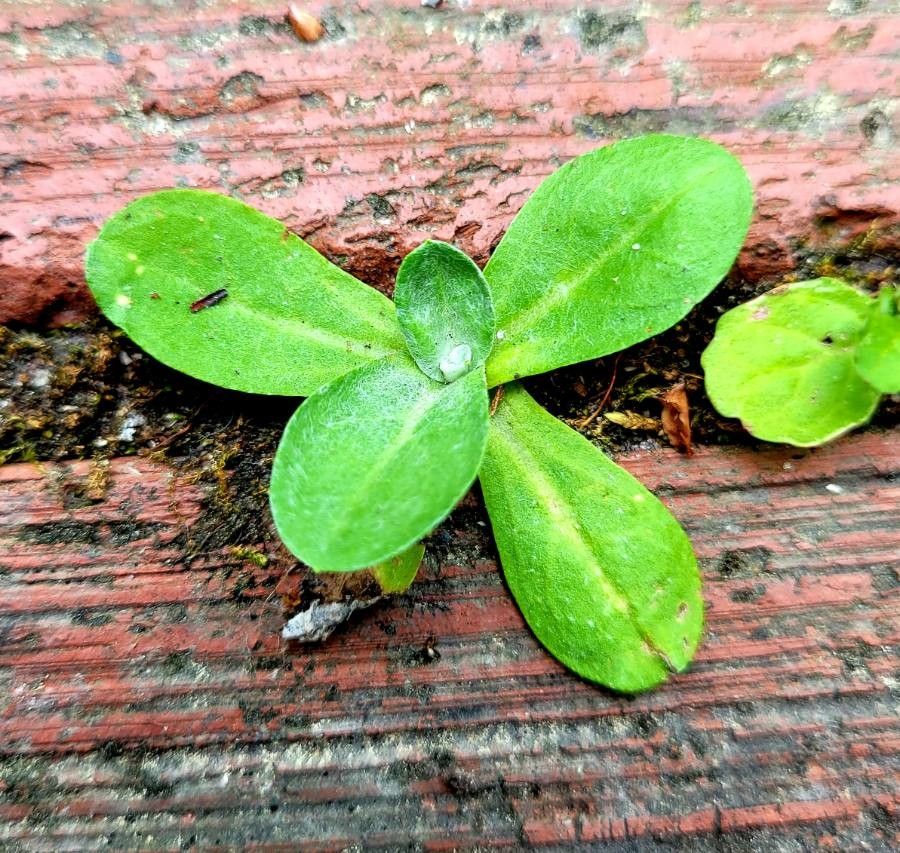
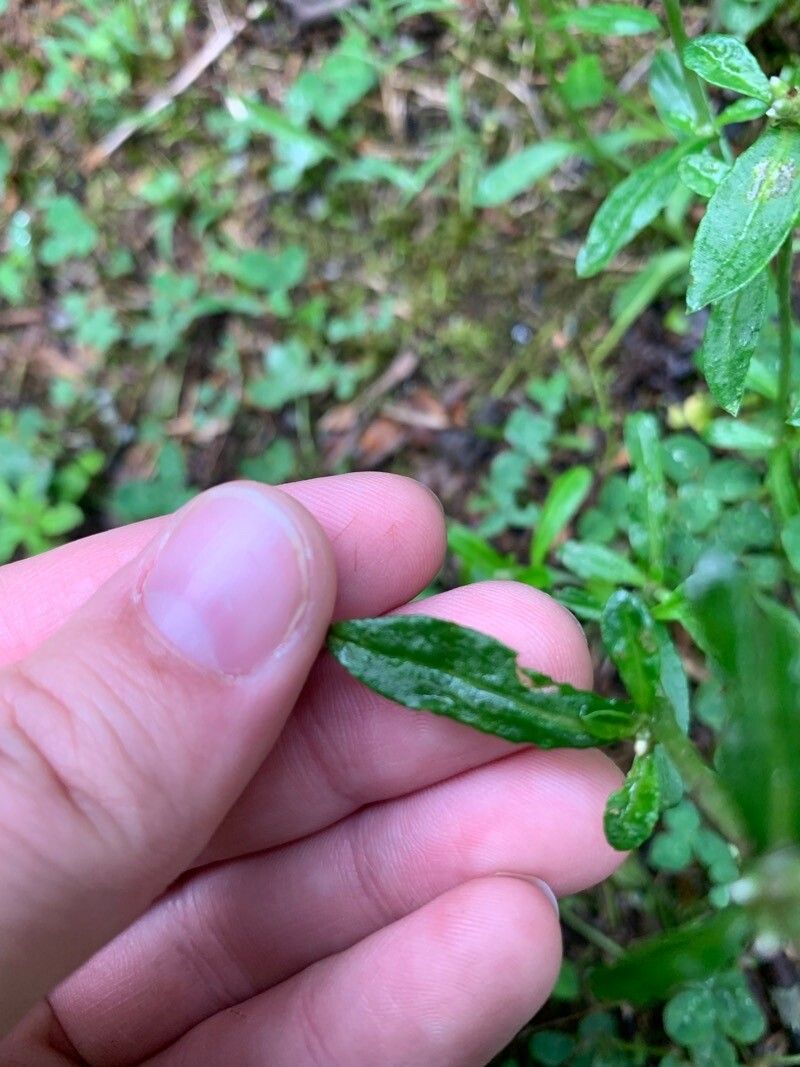
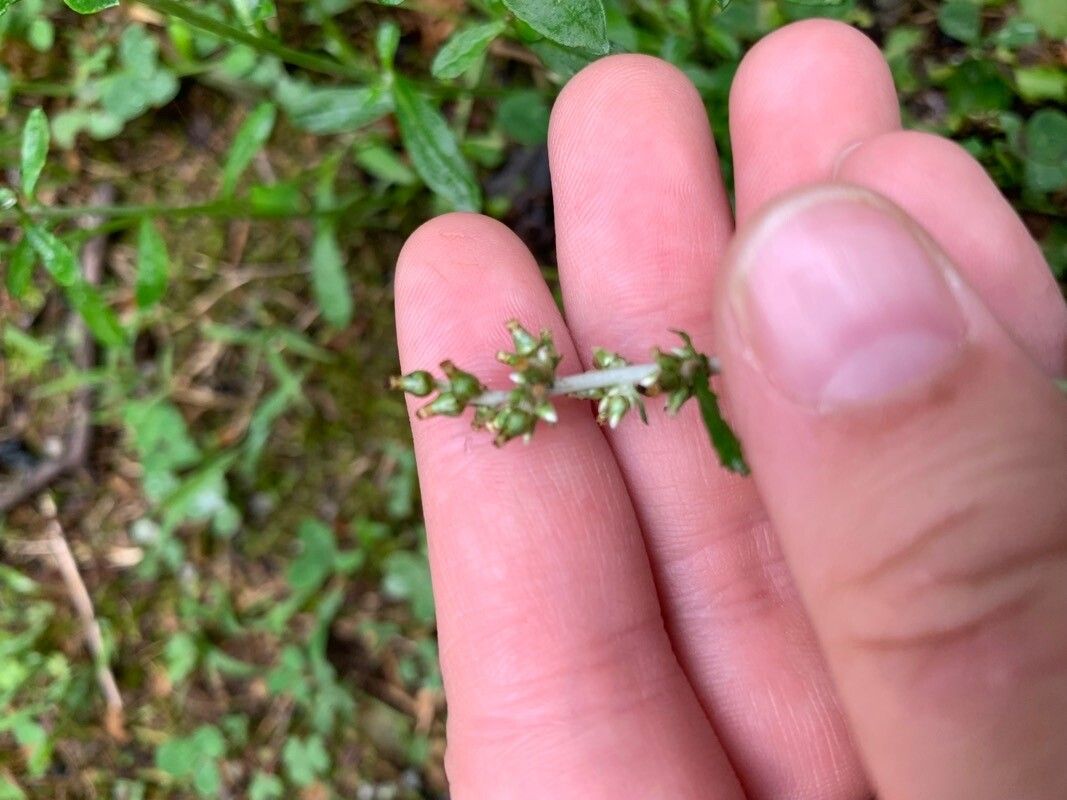
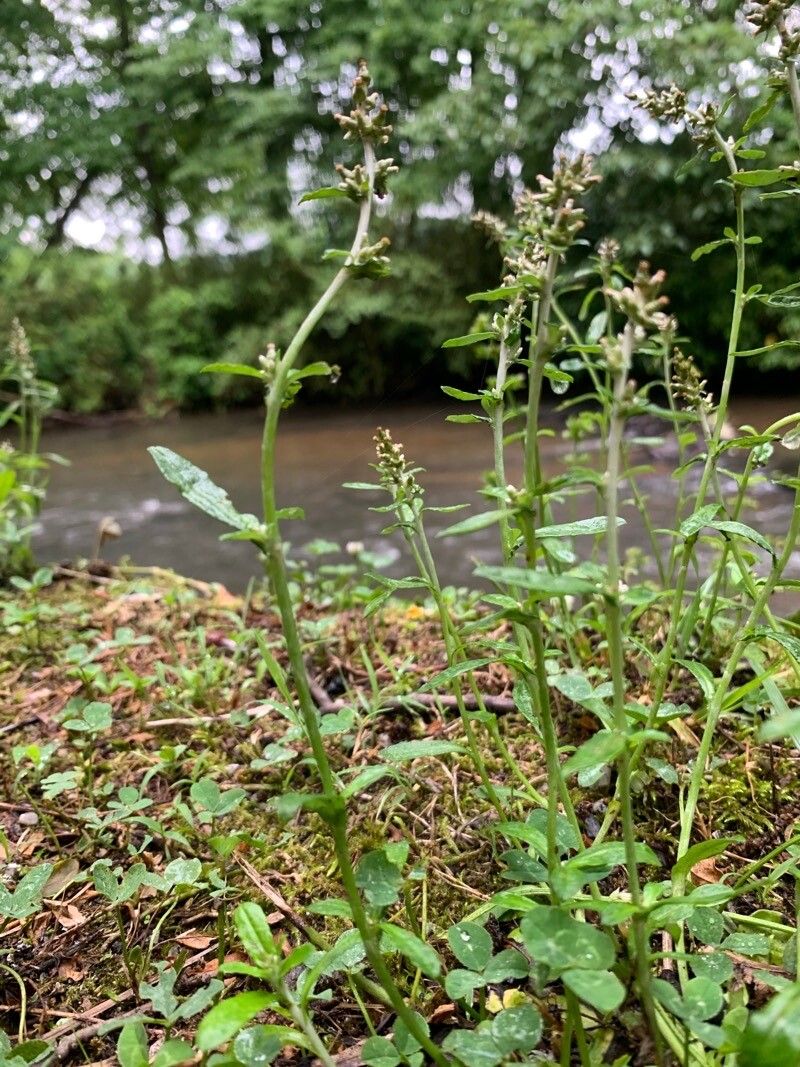
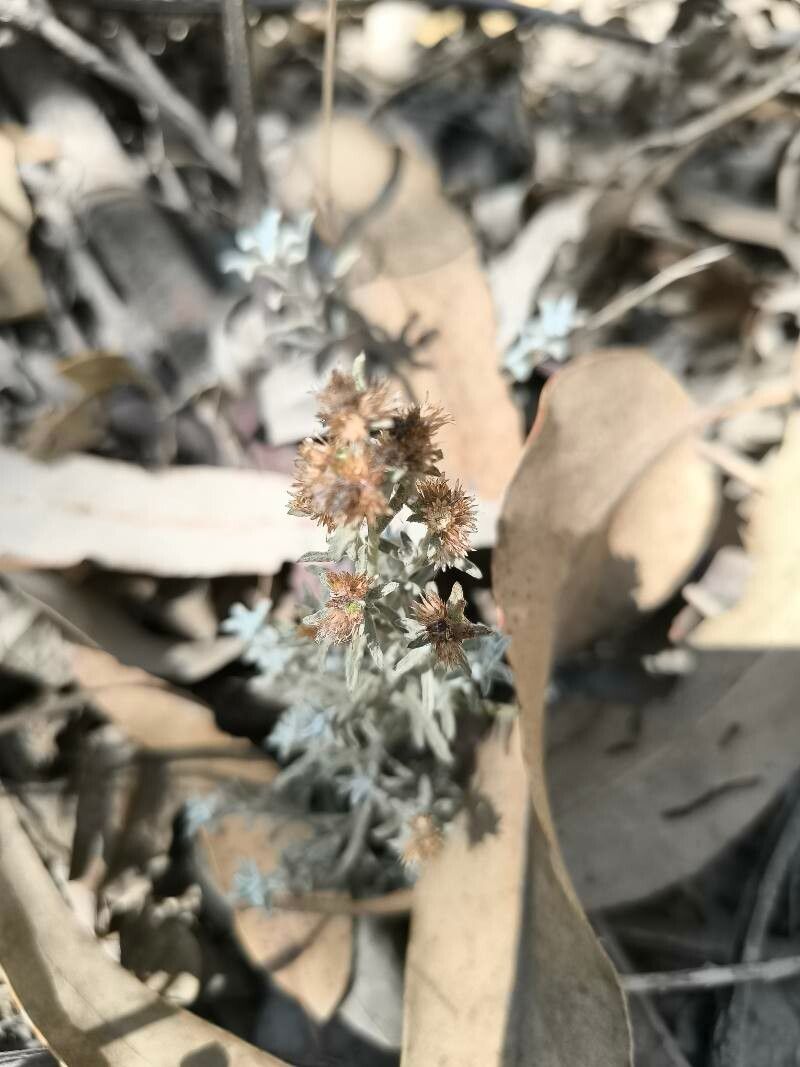
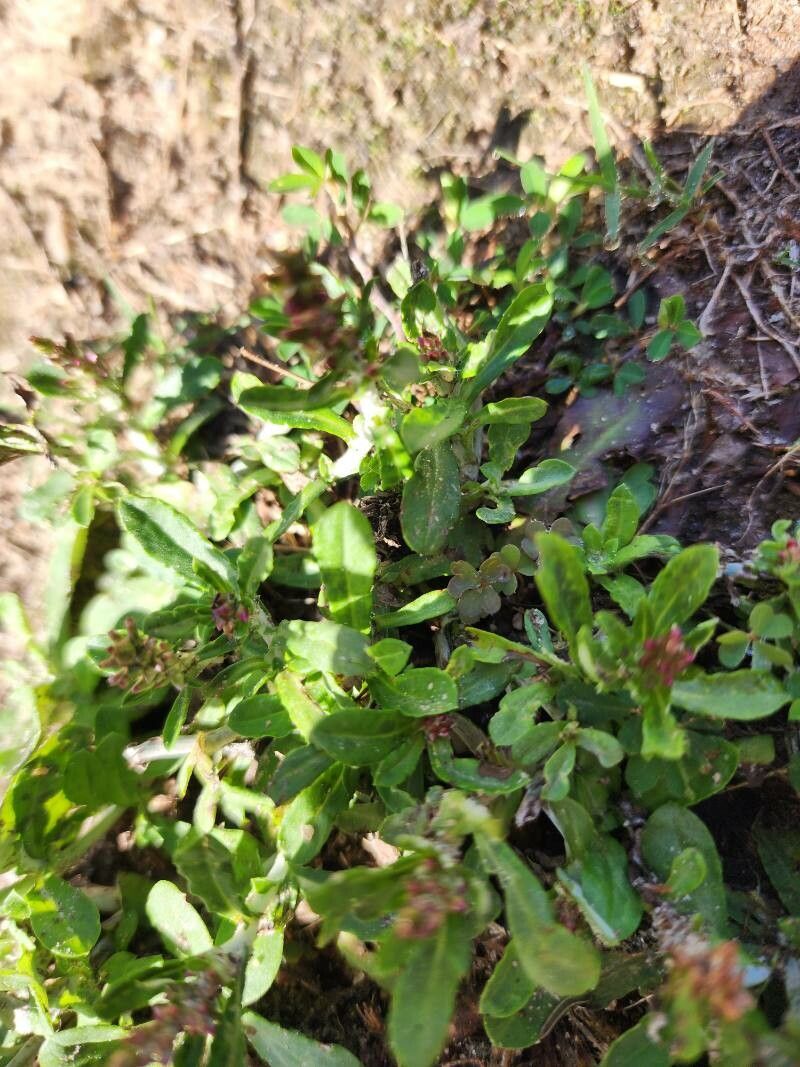
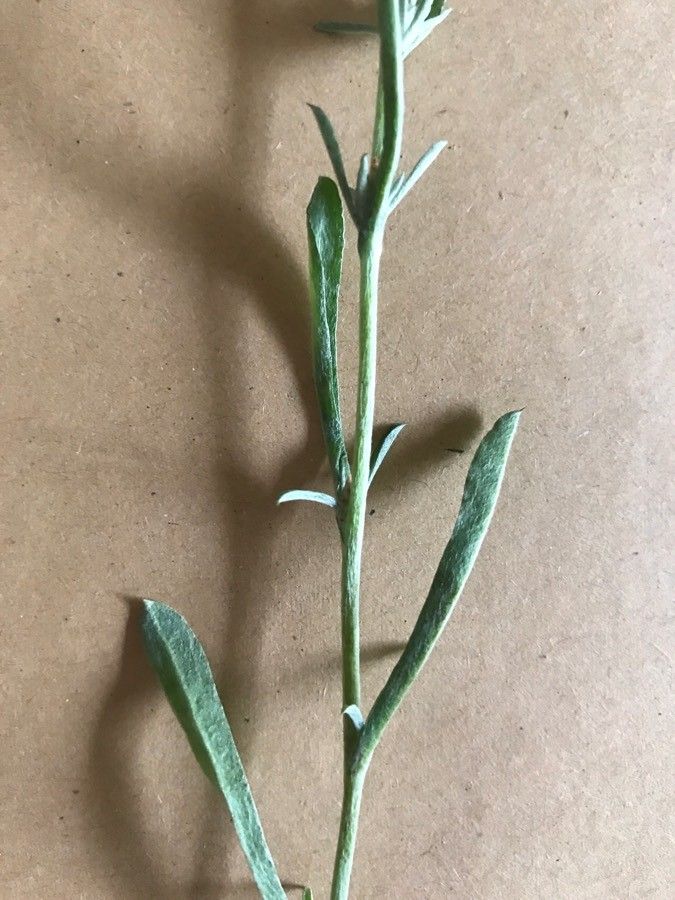
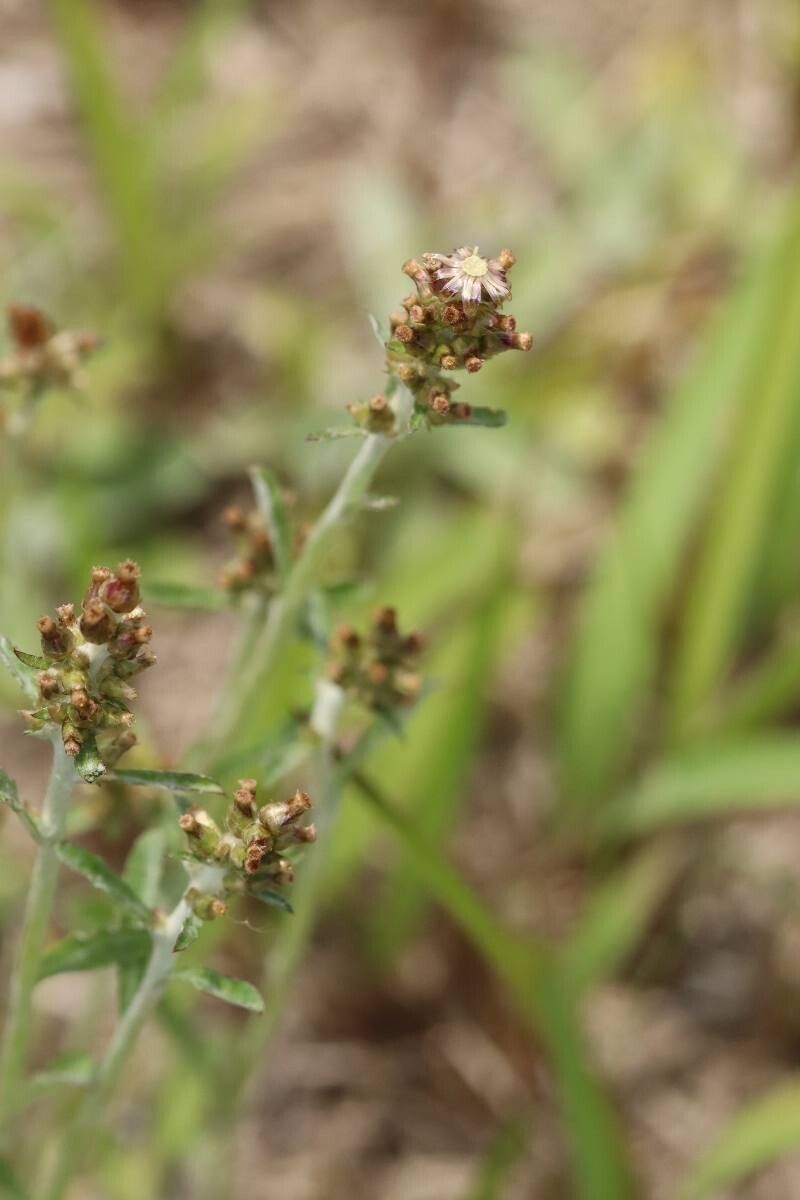
Gamochaeta coarctata, the gray everlasting, is a species of flowering plant in the family Asteraceae. It is widespread in South America (from Colombia to Uruguay) and naturalized in parts of Eurasia, Australia, and North America.Gamochaeta coarctata is an annual herb up to 15 cm (5.9 in) tall. Leaves are up to 3 cm (1.2 in) long. The plant forms many small flower heads in elongated arrays. Each head contains 2–4 yellow disc flowers but no ray flowers.Some specimens collected in the United States were formerly misidentified as G. americana, which does not grow in the United States.
Gray everlasting has strong resistance to disease and is generally not prone to illnesses. However, it can be vulnerable to pests and diseases that exist in its environment. These infections are typically mild. Regarding care, this plant needs moderate maintenance. It should be pruned on a regular basis to preserve a neat appearance and encourage healthy growth. Applying fertilizer can also help stimulate flowering. Gray everlasting is appropriate for anyone with outdoor space, like a garden or patio, and does not demand extensive gardening experience. It may need extra attention when cultivated indoors.
How to keep Gamochaeta Coarctata.
Light
The gray everlasting prospers in full sun yet can tolerate areas with reduced sunlight. Its native habitat attests to its ability to adjust to varying light conditions. Excessive exposure can cause wilting, while insufficient light restricts its growth potential.
Water
Gray everlasting thrives in environments with moderate moisture and benefits from consistent watering. It's best to water it weekly, taking care not to let the soil become too wet or too dry for extended periods. Typically grown outdoors, gray everlasting depends on natural rainfall and seasonal changes in moisture, which are crucial for its growth cycle.
Temperature
Gray everlasting can tolerate a broad range of temperatures, but its distribution may still be limited by various combinations of moisture and heat. It performs best in warm summer conditions with sufficient rainfall or watering. Extended stretches of cloudy, rainy weather or sustained high temperatures can raise the risk of Gray everlasting dying. Proper protection from cold in winter can improve the plant's chances of survival.
Fertilizer
Gray everlasting benefits from regular, low-strength fertilizer applications to encourage healthy leaf growth. You should feed Gray everlasting about once a month during the summer. Nitrogen is important for foliage, and adding nitrogen-rich sources helps Gray everlasting thrive.
Botanical profile.
- Plant Type
- Herb
- Life Cycle
- Annual, Biennial
- Genus
- Gamochaeta
- Family
- Asteraceae
- Hardiness Zone
- 9-11
- Mature Height
- 15 cm
- Mature Spread
- 5 cm to 20 cm
- Leaf Color
- Gray, Dark Gray
- Leaf Type
- Evergreen
- Flower Color
- White
- Flower Size
- 1.02 cm to 1.52 cm
- Bloom Time
- Mid spring, Late spring, Early summer
- Planting Time
- Spring, Autumn
- Harvest Time
- Early summer, Mid summer
- Native Area
- Colombia, Bolivia
Other names.
Reader questions.
What are the sunlight requirements for Gray Everlasting?
Gray Everlasting, or Gamochaeta coarctata, thrives best in full sun, requiring above 6 hours of sunlight daily. It can also grow in partial sun, receiving around 3-6 hours of sunlight. Observing the movement of sunlight through your garden will help you pick spots that offer the right balance of light and shade, vital for the plant's health. While the Gray Everlasting is adaptable to different light exposures, its origin from sunny habitats suggests it prefers abundant light. However, watch out for signs of overexposure such as wilting, and ensure it does not receive too little light, which can stunt its growth.
What is the botanic name of Gray everlasting?
The botanic name of Gray everlasting is Gamochaeta coarctata.
Can artificial lighting be used for Gray Everlasting, and how?
Indeed, artificial lighting can support the growth of Gray Everlasting, especially when natural sunlight is insufficient, like in winter or darker indoor areas. LED lights are recommended for their ability to be tailored to the specific light needs of plants. For plants that are usually in full sun, 30-50W per square foot is needed; partial sun plants require 20-30W per square foot, and full shade plants need 10-20W per square foot. The artificial light should be placed 12-36 inches above the plant, reflecting natural sunlight conditions, and kept on for 8-12 hours per day to mimic natural daylight hours.
What are the symptoms of insufficient light for Gray Everlasting?
When Gray Everlasting does not receive enough light, it can show several symptoms: smaller new leaves, leggy or sparse growth, faster leaf drop, slowed or halted growth, and lighter-colored or pale new leaves. Chlorosis or yellowing of leaves can occur due to inadequate sunlight, as well as sunscald, which damages tissue, leaf curling as a defense against excessive sunlight, wilting from water loss, and leaf scorching characterized by brown edges on leaves. These symptoms indicate the plant's need for more light.
How can I address light deficiencies for Gray Everlasting grown indoors and outdoors?
To address light deficiencies for Gray Everlasting, adopt the following strategies: For indoor plants, increase sunlight exposure by gradually moving them towards a sunnier window every week until they receive at least 6 hours of direct sunlight. Use curtains to maximize light exposure during the day. If the plant is large, consider artificial lighting for at least 8 hours daily. For outdoor plants, similarly, gradually move them to sunnier spots to avoid sunburn. If trees or other obstacles shadow your plant, pruning may increase sunlight exposure. For smaller plants, consider transplanting during their dormant period to a sunnier location with good drainage.