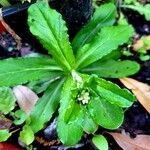
Gamochaeta purpurea
Purple cudweed · Spoon-leaf cudweed · American Cudweed · Purplish Cudweed · Spoonleaf Purple Everlasting
Description
Source: leafsnapGamochaeta purpurea, commonly known as purple cudweed, is a small herbaceous plant in the Asteraceae family. Native to North America, this plant thrives in various habitats such as meadows, fields, and disturbed areas. It can grow up to 30 cm in height and has a woody stem adorned with small purple flowers that bloom from June to September. The leaves of Gamochaeta purpurea are narrow and elongated with pointed tips, covered in fine hairs that give the plant a soft texture to the touch. The flowers are arranged in clusters at the top of the stem, featuring tiny purple petals that surround yellow centers. Historically, Native Americans have harnessed Gamochaeta purpurea for its medicinal properties. The plant was believed to have anti-inflammatory effects and was used to treat ailments such as wounds, bruises, sore throats, and coughs. Beyond its medicinal value, Gamochaeta purpurea also plays an important ecological role. It serves as a food source for various insects, including bees that feed on its nectar and butterflies that lay their eggs on its leaves. Overall, Gamochaeta purpurea is a species of significant ecological and medicinal importance, making it an intriguing subject of study among botanists today.
Care Guide
💧 Water Every 7 days
Purple cudweed is a hardy plant that thrives in dry conditions due to its low water requirements. For optimal health, it needs watering once a week. This evergreen herb is adaptable to different humidity levels and keeps its foliage throughout the year. During its active growth period, consistent watering is essential.
How should I water my Purple cudweed?
There are a few different options for watering Purple cudweed. You can use a garden hose with a spray nozzle, a watering can, or any common watering tool. Purple cudweed doesn't have strict requirements for water; it can survive with rainwater, tap water, or filtered water. It's generally not recommended to water this plant from above because it can harm the leaves and flowers and potentially cause disease. Setting up a drip irrigation system can be the best way to water Purple cudweed as it delivers water evenly and directly to the soil. If you have a potted Purple cudweed, you can use a cup, watering can, or tap to water it directly at the soil.
What should I do if I give my Purple cudweed too much water or too little water?
The solution for underwatering Purple cudweed is simple: when you notice that your plant is lacking moisture, start watering it more regularly. Overwatering, on the other hand, can be a more serious problem if not caught early. When Purple cudweed is overwatered, it becomes susceptible to diseases that can kill it. To prevent this, choose a growing location that receives plenty of sunlight to dry out the soil and has good drainage to prevent water from pooling. If you have overwatered potted Purple cudweed, consider transferring it to a new pot with better soil and drainage.
How often do I need to water my Purple cudweed?
Purple cudweed requires regular watering throughout the growing season. In the spring, you should water it once a week. As the season progresses and temperatures rise, you may need to increase watering to two or three times a week. However, be careful not to exceed this rate as it can harm the plant. Regardless of how often you water, make sure the soil is consistently moist but not wet. When it comes to watering potted Purple cudweed, you'll need to do it more frequently. Potted soil tends to dry out faster, so in most cases, watering a container-grown plant a few times per week is recommended, compared to just once per week for a plant in the ground.
How much water does my Purple cudweed plant need?
Determining the appropriate amount of water for your Purple cudweed can be approached in a few different ways. One method is to feel the soil to assess its moisture level. In this approach, you would aim to water until the top six inches of soil feels moist. Another option is to use a specific measurement as a guideline. Typically, providing your Purple cudweed with about two gallons of water per week is recommended, taking into consideration factors like temperature and soil dryness. However, it's important to be mindful of potentially overwatering if your plant requires less water. If you are growing Purple cudweed in a container, a different approach is necessary. You would want to ensure that all layers of soil are adequately moistened, which can be tested by sticking your finger into the soil. Additionally, observing a slight trickle of excess water draining from the pot's holes can indicate sufficient watering.
How do I know if I'm watering my Purple cudweed enough?
Avoiding overwatering your Purple cudweed can be challenging due to its deep root system, which requires weekly soil moisture. However, Purple cudweed plants are highly prone to root rot, which can cause browning. While underwatering is less of a concern for Purple cudweed, as they can survive without supplemental watering for some time, prolonged absence of water can lead to wilting and dry leaves.
☀️ Light Full sun
The purple cudweed grows vigorously when it receives plentiful sunlight, especially throughout all stages of development. Native to well-lit habitats, the plant weakens if it does not get enough light, exhibiting stunted growth or a pale appearance. Excessive light does not appear to harm it.
What are the sunlight requirements for Purple Cudweed?
Purple Cudweed (Gamochaeta purpurea) thrives best when exposed to full sun, which means it requires above 6 hours of sunlight daily to maintain healthy growth. It's essential to observe how sunlight moves through your garden to ensure you choose spots that offer the perfect balance of light and shade, aiding in the plant's happiness and growth.
Can Purple Cudweed grow with artificial lighting?
Yes, Purple Cudweed can grow with artificial lighting, especially during stages of growth when natural sunlight is insufficient, like in winter or less sunny spaces. Using the right type of artificial light, such as LED lights, is crucial as they can be customized to provide the specific wavelengths of light that plants need. For optimal growth, full sun plants need 30-50W/sq ft, partial sun plants require 20-30W/sq ft, and shade plants need 10-20W/sq ft of artificial light. The light source should be placed 12-36 inches above the plant and turned on for 8-12 hours per day to mimic natural daylight hours.
What symptoms indicate insufficient light for Purple Cudweed?
When Purple Cudweed is grown in conditions with inadequate light, it may show symptoms such as smaller new leaves, leggy or sparse growth, faster leaf drop, and slowed or ceased new growth. Leaves may also develop lighter colors or patterns indicating a lack of chlorophyll and essential nutrients. Chlorosis, sunscald, leaf curling, wilting, and leaf scorching are additional signs that the plant is either getting too much sunlight or suffering from light deficiency.
How can I address sunlight-related issues for indoor Purple Cudweed plants?
To address sunlight-related issues for indoor Purple Cudweed plants, it is advised to gradually move the plants to sunnier locations each week until they receive at least 6 hours of direct sunlight daily. Using a south-facing window and keeping curtains open during sunlight hours helps maximize exposure. If direct sunlight is difficult to achieve, consider using artificial light such as desk lamps or professional plant grow lights, keeping them on for at least 8 hours daily for proper nutrient accumulation.
What steps should I take for outdoor Purple Cudweed plants lacking sufficient sunlight?
For outdoor Purple Cudweed plants that lack sufficient sunlight, gradually moving them to spots with better sunlight exposure is recommended. Start by moving them to slightly sunnier locations each week to let them adapt without getting sunburned. It's crucial to avoid sudden changes in light intensity. Although parts of the plant that have already been affected might not recover, new growth should be healthy after adjusting the light exposure.
🌡️ Temperature 0–32.2°C
Purple cudweed can tolerate a broad range of temperatures, but its range may still be restricted by particular mixes of moisture and heat. It does best in warm summer climates with sufficient rainfall or regular watering. Extended periods of cloudy, rainy weather or prolonged high temperatures can raise the chance that Purple cudweed will die. In winter, protecting the plant from cold can increase its survival.
What is the botanical name of Purple cudweed?
The botanical name of Purple cudweed is Gamochaeta purpurea.
💨 Humidity
🪴 Soil 6-7
🌱 Fertilizer
Purple cudweed benefits from regular, light feedings of fertilizer to encourage healthy leaf growth. You should fertilize Purple cudweed about once a month during the summer. Nitrogen is essential for foliage, and adding nitrogen-rich sources helps Purple cudweed thrive.
🪴 Pot & Repot
✂️ Pruning
🌿 Propagating
🐛 Diseases & pets
☠️ Toxicity
Characteristics
- Plant Type
- Herb
- Life Cycle
- Annual, Biennial, Perennial
- Genus
- Gamochaeta
- Family
- Asteraceae
- Hardiness Zone
- 8-11
- Mature Height
- 10 cm to 49 cm
- Mature Spread
- 5 cm to 15 cm
- Leaf Color
- Green, Blue
- Leaf Type
- Evergreen
- Flower Color
- White, Yellow, Brown
- Flower Size
- 2.54 cm
- Bloom Time
- Mid spring, Late spring, Early summer
- Planting Time
- Spring, Summer, Autumn
- Harvest Time
- Early summer, Mid summer
- Native Area
- Colombia, Bahamas, Cuba, Honduras, Mexico, Guatemala, Bolivia, Venezuela, Peru, El Salvador, Nicaragua, Ecuador, Costa Rica, Panama, Jamaica