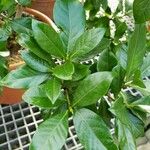
Gardenia jasminoides
گارڈینیا · Gardenia · Cape jasmine · Cape-jessamine · Gargenia
Description
Source: leafsnapGardenia is a well-loved evergreen shrub recognized for its stunning, fragrant white flowers. It belongs to the Rubiaceae family and is native to tropical and subtropical regions of Asia, Africa, and Australia. The plant features glossy, dark green leaves that are oval-shaped and can grow up to 10 cm in length. Gardenias are often cultivated for their ornamental appeal in gardens, parks, and indoor spaces. They thrive in well-drained soil with a slightly acidic pH level, ideally between 5.0 to 6.0, for optimal growth. The plant typically blooms in late spring or early summer, producing large, white flowers that emit a sweet fragrance similar to jasmine or orange blossoms. Depending on the variety, the flowers can be single or double-petaled. Gardenias require regular watering during the growing season but should be allowed to dry out slightly between waterings, as they do not tolerate consistently wet soil conditions. Propagation of the plant is commonly done through stem cuttings taken during the spring or summer months when new growth appears. In summary, Gardenias are an excellent choice for gardeners seeking an attractive shrub with fragrant blooms that enhance the beauty and elegance of any landscape or indoor design plan.
🌳 For generations, the fruit of the gardenia has been more than a reproductive component. It has played a significant role in producing red and yellow tones, particularly in textiles and sweets. The fruit's extract dyes fabrics and food, offering a sustainable coloring option. However, it should be noted that excessive ingestion can cause the skin to take on a blue-gray tint because the pigments are absorbed and metabolized by the human body. The extract's use should be handled with caution.
🎭 Innocence, Tender love, You are lovely, honor, female beauty
Care Guide
💧 Water Every 7 days
Cape jasmine flourishes in high humidity and consistently moist conditions, needing to be watered every 1-2 weeks to prevent waterlogging. Often cultivated indoors for its ornamental beauty, it benefits from additional humidity. This can be increased by using a pebble tray filled with water, which enhances the vitality of its leaves and blooms.
When Should I Water My Cape Jasmine?
Timely watering of Cape Jasmine is crucial for its health and growth. The plant thrives when the soil remains moist without becoming completely dry. To determine when to water, check the top inch of soil; if it feels dry to the touch, it's time to water. Observing the plant's leaves can also provide clues: healthy Cape Jasmine will have glossy green leaves, while wilted or discolored leaves suggest the need for water. Seasonal changes affect water needs, with the plant requiring more frequent watering during hot, dry periods. Additionally, a lightweight pot could indicate that the plant needs water. It's important to balance watering to avoid the risks of both overwatering, which may lead to root rot characterized by brown, mushy roots and a sweet, moldy smell, and under-watering, which can cause dehydration indicated by wilting and yellow leaves.
How Should I Water My Cape Jasmine?
Cape Jasmine benefits from a balanced watering approach that avoids both over and under-watering. Techniques such as bottom-watering are beneficial, as they encourage water absorption from the roots upwards, promoting healthy growth without the risk of oversaturating the soil. Using a watering can with a long spout helps direct water to the soil rather than the foliage, which reduces the risk of diseases associated with wet leaves. A moisture meter can be a valuable tool for measuring soil moisture accurately, ensuring the plant receives just the right amount of water. When watering, focus on soaking the soil at the base of the plant while avoiding wetting the foliage to prevent fungal diseases.
How Much Water Does Cape Jasmine Really Need?
The water requirement for Cape Jasmine varies depending on several factors including plant size, pot size, and root system depth. Generally, a small Cape Jasmine in a 6-8 inch diameter pot needs about 1-2 cups of water, while larger plants may require up to 1-2 liters per watering session. Adequate watering results in glossy, deep green leaves and vibrant blooms, indicating a healthy plant. Allow the top 1-2 inches of soil to dry out before the next watering to ensure the medium-depth roots receive a thorough soaking without being waterlogged. Incorrect watering, either too much or too little, can lead to symptoms such as yellowed leaves, slow growth, and potentially plant death if uncorrected.
What Kind of Water is Best for Cape Jasmine?
Cape Jasmine thrives best when watered with distilled, rainwater, or filtered water, which are free from harmful chemicals and heavy metals. The plant is sensitive to chlorine and fluoride, which can cause issues like leaf tip burn; therefore, using dechlorinated tap water or allowing tap water to sit overnight can make it safe for watering. The ideal water for Cape Jasmine should have a slightly acid to neutral pH (5.5-7), be at room temperature to avoid shocking the plant's roots, and possess low mineral content to prevent nutrient imbalances.
How Do Cape Jasmine's Watering Needs Change with the Seasons?
Cape Jasmine's watering needs vary throughout the year. In spring, the plant's active growth phase, maintaining consistent soil moisture is essential. During the hot summer months, water needs may decrease slightly as the plant could enter a natural dormancy period. In autumn, as the plant prepares for dormancy, gradually reduce watering frequency while keeping the soil lightly moist. Winter marks the dormant period for Cape Jasmine, requiring minimal watering. Only water sparingly, allowing the topsoil to dry out between watering sessions.
☀️ Light Partial sun
A gardenia's ideal light exposure is a consistent blend of sun and shade, with more weight given to shade. It can, however, tolerate full-day sun or remain in complete shade. This flexibility mirrors the varying sunlight conditions of its native habitat. Excessive sun can scorch the leaves, while too little light may hamper growth and flowering.
What are the sunlight requirements for Cape jasmine?
Cape jasmine requires a balanced mix of sun and shade throughout the day, thriving in conditions that mimic its natural habitat. While it can withstand full-day sunlight exposure or grow in full shade, optimal growth is achieved with a steady mix of both. Too much direct sunlight may cause leaf scorch, and insufficient light can negatively affect the plant’s growth and flowering capabilities. It's essential to observe how sunlight moves through your garden to choose the best spots for your Cape jasmine, ensuring it receives about 3-6 hours of sunlight daily for optimal health.
How can artificial lighting benefit indoor Cape jasmine plants?
Indoor Cape jasmine plants benefit significantly from artificial lighting, especially in conditions where natural sunlight is insufficient, such as during winter or in less sunny indoor spaces. Opting for artificial lights can promote faster, healthier growth by providing the necessary wavelengths of light. LED lights are recommended because they can be customized to suit your plants' specific needs. For plants requiring full sun, 30-50W/sq ft of artificial light is ideal. Partial sun plants do well with 20-30W/sq ft, and full shade plants need about 10-20W/sq ft. Ensure the light source is placed 12-36 inches above the plant and keep the lights on for 8-12 hours daily to mimic natural sunlight hours effectively.
What are the symptoms of light deficiency in Cape jasmine?
Cape jasmine shows several symptoms when it doesn't receive enough light, including a lack of obvious abnormalities but potential adverse effects on future flowering and fruiting. Low light conditions may cause the plant to shed older leaves early, a sign of conserving resources for new growth. Leaves may develop irregular color patterns or appear paler, indicating insufficient chlorophyll and essential nutrients. Conditions such as chlorosis, where leaves lose their green color and turn yellow; sunscald, characterized by pale or necrotic spots due to intense sun exposure; leaf curling as a defense mechanism against sunlight; wilting from excessive water loss through transpiration; and leaf scorching, with brown, crispy edges from too much sunlight, are all potential indicators of inappropriate light exposure.
What solutions can address Cape jasmine's lighting issues?
Managing Cape jasmine’s lighting issues involves several strategic steps, tailored to whether the plant is grown indoors, outdoors, or in the ground. For indoor plants, gradually shifting them to sunnier spots each week until they receive the optimal 3-6 hours of direct sunlight is key. If moving the plant isn’t feasible, consider using artificial lighting such as desk, ceiling, or professional grow lights for at least 8 hours daily. Outdoors, the approach involves a gradual relocation to sunnier areas to avoid sunburn, while ensuring not to make sudden, intense changes in light exposure. If obstructions limit sunlight, such as trees or structures for plants in the ground, pruning or transplanting during the dormant period to sunnier locations with ample sunlight and good drainage can significantly improve conditions. Note that parts of the plant already affected by insufficient light may not recover, but new growth should flourish with adjusted light exposure.
🌡️ Temperature 15–37.8°C
A gardenia native to warm areas prefers temperatures between 59 and 100 ℉ (15 and 38 ℃). For best growth, provide high humidity and keep the soil moist. In winter, protect it from cold drafts and maintain temperatures of 60 to 65 ℉ (16 to 18 ℃).
What are the essential care requirements for Cape Jasmine?
Cape Jasmine, botanically known as Gardenia jasminoides, thrives in warm areas and prefers temperatures between 59°F (15°C) and 100°F (38°C). To ensure its healthy growth, it is important to maintain high humidity and keep the soil consistently moist. During the winter season, it is crucial to protect the plant from cold drafts by maintaining an ambient temperature range between 60°F (16°C) and 65°F (18°C). Although Cape Jasmine has some degree of cold tolerance, additional protective measures, such as wrapping the plant in plastic film, fabric, or other suitable materials, should be taken if temperatures are expected to drop below its tolerable growing temperature minimum. Once warmer temperatures return, these protective coverings should be removed to prevent any potential damage.
How does low temperature affect Cape Jasmine and what are the solutions?
Cape Jasmine has a moderate tolerance to low temperatures but thrives best when temperatures remain above its suitable growth temperature minimum. During winter, ensuring the temperature stays above its tolerable growing temperature minimum is crucial. Exposure to temperatures below its growth limit may cause the leaves to droop. While mild cases can see recovery, in severe instances, the leaves may wilt and ultimately fall off. To mitigate damage from low temperatures, any frost-damaged parts of the plant should be trimmed. Additionally, to prevent future cold damage, wrap the plant with insulating materials like non-woven fabric or cloth, and construct a wind barrier to protect it against cold winds.
What effects do high temperatures have on Cape Jasmine, and how can they be mitigated?
During the summer, it's important to ensure that Cape Jasmine is kept below its suitable maximum growth temperature. Exposure to temperatures exceeding its tolerable maximum growth temperature can lead to lighter leaf colors, with the leaf tips potentially becoming dry, withered, and the leaves may curl. The plant also becomes more vulnerable to sunburn under these conditions. To mitigate the effects of high temperatures, trim away any sunburned or dried-up parts of the plant. Relocate the plant to a shaded area during the midday and afternoon sun or use a shade cloth. Additionally, watering the plant in the morning and evening to maintain soil moisture can help alleviate stress from high temperatures.
💨 Humidity high (>60%)
This plant needs special care because it loves high humidity levels of 60-80% or more. The best way to achieve this is by placing a humidifier near the plant. Daily misting is also essential! Make sure the room has good ventilation.
🪴 Soil 5-6
🌱 Fertilizer
The timing of fertilizing Gardenia is crucial. Apply fertilizer in early spring and continue once a month until early summer. Fertilizer promotes attractive blooms and supplies energy during both dormant and active growth stages.
Why do I have to put fertilizer on my Cape jasmine plant?
Fertilizing a Cape jasmine is essential for several reasons. Firstly, it helps the plant produce beautiful blooms. To maximize flowering during the spring season, it is best to fertilize in early spring. Secondly, fertilizer provides the plant with ample energy that it can store in the ground during its dormant phases. By giving the Cape jasmine additional nutrients in the fall or late spring, it can store more energy to use when it resumes active growth.
When should I fertilize my Cape jasmine plant for the best results?
Timing is crucial when fertilizing Cape jasmine. If you apply fertilizer too early while the plant is still dormant, it won't be effective and will be washed away by rainwater, resulting in waste and pollution. To properly fertilize Cape jasmine, apply the first application in early spring and continue fertilizing once a month until early summer.
When is it best to not use fertilizer on my Cape jasmine plant?
To ensure successful blooming, be cautious with the nitrogen levels when fertilizing Cape jasmine. Excessive nitrogen can result in an abundance of leaves but few blooms. Look for fertilizers that have lower nitrogen levels compared to other nutrients. Additionally, avoid fertilizing Cape jasmine during the late autumn since it can promote excessive growth right before winter. Similarly, refrain from fertilizing during hot and dry times of the year as dry soil does not effectively deliver fertilizer and growth stimulation requires more water that may not be available. It is advisable to apply fertilizer earlier in the season when temperatures are cooler. Lastly, be mindful that Cape jasmine can absorb nearby fertilizers intended for other plants or lawns, so be cautious of inadvertently giving the shrub an excessive amount of fertilizer.
What kind of fertilizer does my Cape jasmine plant need?
When fertilizing your Cape jasmine, it's best to use a fertilizer that has a balanced mix of the three main plant nutrients, with slightly higher amounts of phosphorus. Alternatively, you can add organic materials like compost, worm castings, and manure to improve the soil. Experienced gardeners often supplement with water-soluble fertilizers containing phosphorus when the flower buds start to appear. This helps the flowers develop better, grow larger, and bloom longer. Fertilizers for Cape jasmine can come in different forms, but liquid or powdered forms are usually recommended. Regardless of the form you choose, make sure to dilute the fertilizer and apply it while watering your Cape jasmine.
How do I help my Cape jasmine plant grow?
To properly fertilize your Cape jasmine, always follow the instructions for the specific fertilizer you are using and do some research. It is important not to use too much fertilizer, so it's crucial to determine the correct amount. You can estimate the amount by using the age of the tree or the diameter of the trunk. Generally, a good rule of thumb is to use one-tenth of a pound of fertilizer per year or per inch of trunk, with a maximum of one pound. To apply granular or organic fertilizers, such as blood meal, sprinkle the substance around the base of the tree all the way to the drip line. Be careful not to allow the fertilizer to come into contact with the trunk. Over time, the granules will break down and filter into the soil, where they can be absorbed by the roots. After fertilizing, it's recommended to spread a one-inch layer of compost around the base of the tree and water thoroughly.
🪴 Pot & Repot 2-3 years
When repotting a gardenia, pick a pot 1-2 inches (2.5–5.1 cm) larger that provides ample drainage. Use a well-draining potting mix. Repot in spring or fall, ensuring the root ball sits slightly lower than the rim of the flower pot. Water thoroughly after repotting and place it in a warm spot with indirect sunlight.
✂️ Pruning
Cape jasmine is known for its fragrant white flowers and glossy evergreen leaves. To ensure healthy growth, it thrives best when pruned in early spring. Begin by removing dead branches and trimming healthy shoots, making sure to prune the plant after it has finished blooming. Always use clean tools to prevent the spread of disease. Proper pruning enhances air circulation, reduces the risk of disease, and promotes plant health, resulting in vibrant blooms.
🌿 Propagating
🐛 Diseases & pets
☠️ Toxicity
Characteristics
- Plant Type
- Shrub
- Life Cycle
- Perennial
- Genus
- Gardenia
- Family
- Rubiaceae
- Hardiness Zone
- 8-11
- Mature Height
- 0.91 m to 1.83 m
- Mature Spread
- 0.61 m to 2.44 m
- Leaf Color
- Green
- Leaf Type
- Evergreen
- Flower Color
- White
- Flower Size
- 10.16 cm
- Bloom Time
- Early spring, Late summer, Fall, Winter
- Planting Time
- Spring, Autumn
- Harvest Time
- Mid summer, Late summer
- Native Area
- India, Cambodia, Vietnam, Japan, Koppen, Laos, Pakistan, South Korea, China