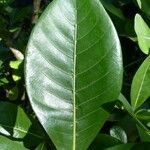
Gardenia taitensis
Tiara flower · Tiare · Tahitian Gardenia · Symbol flower · Tiaré flower
Description
Source: leafsnapGardenia taitensis, commonly known as Tahitian gardenia or Tiare flower, is a tropical evergreen shrub native to the Pacific Islands. Belonging to the Rubiaceae family, it can grow up to 10 feet tall. The plant features glossy dark green leaves and produces fragrant white flowers that bloom in the summer. The Tiare flower holds a special place in Polynesian culture due to its beauty and fragrance. It is often seen as a symbol of love, friendship, and hospitality. The flowers are frequently used to make leis or garlands worn during special occasions such as weddings or festivals. Aside from its cultural importance, Gardenia taitensis has been valued for its medicinal properties by traditional healers for centuries. The plant contains compounds, including iridoids and flavonoids, which possess anti-inflammatory properties. Gardenia taitensis thrives in warm temperatures above 60°F and high humidity levels above 50%. It prefers well-drained soil with regular watering but is capable of tolerating periods of drought once established. Overall, Gardenia taitensis is a beautiful tropical plant with significant cultural and medicinal benefits, making it an excellent addition to any garden or landscape design project in warm climates around the world.
💡 In the summer, the gardenia blooms in a flawless, striking white. Just a quick glance can captivate you with its purity and beauty. Its appearance and symbolism draw many admirers, as the gardenia represents hope, surprise, purity, and cherished memories.
Care Guide
💧 Water Every 7 days
The Tahitian gardenia, native to tropical regions, flourishes in high humidity and prefers consistently moist soil. To maintain the right moisture balance, water the plant every 2-3 weeks, ensuring the soil does not become oversaturated. As an evergreen, the plant needs regular watering to support its glossy leaves and promote strong growth during the growing season.
How should I water my Tahitian gardenia plant?
To water your Tahitian gardenia, you have many options. You can use watering cans, hoses, or even cups. It's important to water directly to the soil and make sure all areas are moistened equally. Filtered water is preferred to remove harmful particles from tap water, and the water should be at or slightly above room temperature to avoid shocking the plant. However, the Tahitian gardenia is generally not picky and will respond well to any type of water you give it.
What should I do if I give my Tahitian gardenia too much water or too little water?
When it comes to outdoor plants, especially newly planted ones or seedlings, they are prone to not getting enough water. Make sure to water them regularly for the first few months while they are still small or newly planted. Once the roots are established, Tahitian gardenias can typically rely on rainwater. However, when planting Tahitian gardenias in pots, overwatering is a common issue. If you accidentally overwater your plant, there are steps you can take to address the situation. First, stop watering your plant immediately to minimize the damage. Then, remove the plant from its pot and inspect the roots. If there is no sign of root rot, you can return the plant to its container. But if there is root rot, trim away the affected roots and consider applying a fungicide. Finally, repot the plant in well-draining soil. On the other hand, if your Tahitian gardenia is underwatered, simply water it more frequently. Signs of underwatering include drooping, drying, and falling leaves, which should bounce back after adequate watering. Correct the watering frequency as soon as you notice underwatering.
How regularly should I water my Tahitian gardenia?
If your area gets enough rainfall, most outdoor plants can grow naturally without needing watering. However, if you live in a place with little rainfall, you should water your plants adequately every 2 weeks in spring and fall. In summer, you'll need to water more frequently, but in winter, when plants grow slower and require less water, you can water sparingly or not at all. If you have a young or newly planted Tahitian gardenia, it needs more frequent watering to establish itself and eventually become more tolerant to drought. For potted Tahitian gardenias, there are two ways to determine watering frequency. The first is to follow a set schedule, such as once a week or once every two weeks. However, this approach may not be suitable for your specific growing environment. Another option is to water based on soil moisture. It's best to wait until the top two to four inches of soil in the pot have completely dried out before watering again. Keep in mind that during summer, this plant will likely need more water than the predetermined schedule suggests.
How much water does my Tahitian gardenia plant require?
Watering your Tahitian gardenia can be a bit confusing, as it doesn't always require a large amount of water. To support healthy growth, it's enough to give it about five to ten ounces of water when only a few inches of soil have dried since the last watering. You can also gauge the water volume by checking the soil moisture. If more than half of the soil is dry, you should water more than usual and keep adding water until you see excess water draining from the pot's drainage holes. However, if your gardenia is planted in an area that receives ample rain, it may not need additional watering. When it is young or getting established, make sure it gets 1-2 inches of rain per week. As it grows, it can rely on rainwater alone, except in hot weather with no rainfall for 2-3 weeks, when you should give it a full watering to prevent stress.
How can I know if I am watering my Tahitian gardenia plant enough?
It is more common for the Tahitian gardenia to be overwatered. If this happens, there are several signs you can look for. The leaves of an overwatered Tahitian gardenia will turn yellow and may even fall off. Additionally, overwatering can cause the overall plant structure to shrink and can lead to root rot. On the other hand, if a Tahitian gardenia is underwatered, it will start to wilt and its leaves may become brown or brittle. Whether you notice signs of overwatering or underwatering, it is important to take action to restore the plant's health.
☀️ Light Partial sun
Rooted in areas with generous sun, tahitian gardenia does best when exposed to a wide span of sunlight throughout the day. Plenty of light promotes its healthy growth. Notoriously resilient, it shows little response to lower light levels. However, prolonged, excessive sunlight can potentially stress the plant.
What are the sunlight requirements for Tahitian Gardenia?
Tahitian Gardenia requires various amounts of sunlight depending on the specific needs: Full sun, which is above 6 hours of sunlight, and partial sun, about 3-6 hours of sunlight. It's essential to observe how sunlight moves through your garden to choose spots that ensure the perfect balance of light for your plants, considering both light and shade for their optimum happiness. The plant thrives in generous sunlight, as rooted in its growth patterns. While it is resilient under lesser light exposure, constant and excessive sunlight can stress the plant.
What are the symptoms of improper sunlight exposure for Tahitian Gardenia?
Tahitian Gardenia exhibits several symptoms when it faces improper sunlight exposure. For insufficient sunlight, symptoms include small and pale new leaves, leggy or sparse growth, faster leaf drop, slower or no new growth, indicating a lack of chlorophyll and essential nutrients. Excessive sunlight exposure can lead to chlorosis (leaves turning yellow), sunscald, leaf curling, wilting, and leaf scorching, showing damage to the plant's leaves or stems and overall health reduction.
How can artificial lighting assist in the growth of Tahitian Gardenia indoors?
Artificial lighting plays a crucial role for Tahitian Gardenia indoors, especially when natural sunlight is insufficient. LED lights are recommended as they can be customized to provide specific wavelengths of light your plants need. Full sun plants require 30-50W/sq ft, partial sun plants 20-30W/sq ft, and full shade plants 10-20W/sq ft of artificial light. The light source should be placed 12-36 inches above the plant, mimicking natural sunlight for 8-12 hours per day to promote faster, healthier growth.
What solutions exist for dealing with sunlight-related issues in Tahitian Gardenia?
To address sunlight-related issues in Tahitian Gardenia, gradual repositioning towards optimal light is key. For indoor plants, gradually move them to sunnier locations each week to achieve at least 6 hours of direct sunlight daily or supplement with artificial light if repositioning isn't possible. Outdoor plants should also be moved gradually to avoid sunburn. Obstructions can be reduced by pruning branches that block sunlight or transplanting the plant to a sunnier location during its dormant period for better exposure and growth.
🌡️ Temperature 15–35°C
Tahitian gardenia is native to temperate regions and needs temperatures between 59 and 95°F (15 and 35℃). In warmer periods, make sure this limit is not exceeded. If temperatures fall below it, consider supplying artificial heat.
What temperature conditions are ideal for the Tahitian gardenia?
The Tahitian gardenia thrives in temperate regions with temperatures ranging from 59 to 95°F (15 to 35°C). It's important to maintain temperatures within this range during warmer seasons to ensure the plant's health. The Tahitian gardenia exhibits some cold tolerance, typically not requiring special measures if the temperature is above -5°C. However, if temperatures are expected to drop below -5°C, it's necessary to implement temporary cold protection strategies, such as covering the plant with plastic film, fabric, or other insulating materials, which should be removed once temperatures rise again.
How does the Tahitian gardenia respond to low temperatures, and what measures should be taken?
The Tahitian gardenia has a moderate tolerance to low temperatures, preferring to stay above 15°C. In winter, the temperature should not drop below -5°C. If it falls beneath -10°C, the leaves may droop, and in severe cases, they will wilt and fall off. To help your plant recover from frost damage, trim off the frost-affected parts. To prevent future cold damage, wrap the plant with non-woven fabric or cloth, and construct a wind barrier for additional protection against cold winds.
What are the effects of high temperatures on the Tahitian gardenia, and how can they be mitigated?
During the summer, it's crucial to keep the Tahitian gardenia's temperature below 35°C. Exposure to temperatures above 41°C can lead to lighter leaf colors, dry and withered leaf tips, curling leaves, and an increased risk of sunburn. To manage high temperature stress, trim away sunburned and dried parts of the plant. Relocate the plant to a shaded area during the intense midday and afternoon sun, or use a shade cloth. Additionally, water the plant in the morning and evening to maintain soil moisture and reduce heat stress.
💨 Humidity
🪴 Soil 5-6
🌱 Fertilizer
Timing matters when fertilizing Tahitian gardenia. Apply fertilizer in early spring and continue once a month until early summer. The fertilizer encourages attractive blooms and supplies energy during both dormant and active growth periods.
Why should I put fertilizer on my Tahitian gardenia?
There are a few important reasons why you should fertilize a Tahitian gardenia. One obvious reason is that fertilizer helps the gardenia produce beautiful blooms. Fertilizing in early spring is also a great way to ensure excellent flowers during that season. Additionally, fertilizer gives the gardenia energy that it can store in the ground during its dormant growth phases. Providing extra nutrients during the fall planting process or late spring helps the gardenia store more energy for when active growth resumes.
When should I put fertilizer on my Tahitian gardenia?
To effectively fertilize Tahitian gardenia, it is important to consider timing. Applying fertilizer too early, while the plant is still dormant, is not effective as it will be washed away by rainwater, leading to waste and pollution. The first application of fertilizer should be in early spring, followed by monthly fertilization until early summer.
When is the best time to not fertilize my Tahitian gardenia?
To ensure optimal blooming, be mindful of the nitrogen content in the fertilizer used for Tahitian gardenia. Excessive nitrogen could result in an abundance of leaves but fewer blooms. Look for a fertilizer that contains lower levels of nitrogen in comparison to other nutrients. Avoid fertilizing the plant after early autumn since this can lead to excessive growth just before winter. During hot and dry periods, refrain from fertilizing the Tahitian gardenia as dry soil does not effectively deliver nutrients, and stimulating growth at this time may require more water than available. It is advisable to apply fertilizer earlier in the season when temperatures are cooler. Additionally, be aware that the Tahitian gardenia can absorb fertilizer that has been applied to nearby plants or lawns, so be cautious to avoid inadvertently giving the plant an excessive amount of fertilizer.
What kind of fertilizer does my Tahitian gardenia plant need?
To achieve optimal growth for a Tahitian gardenia, it is recommended to use a fertilizer that has a well-balanced combination of the three main plant nutrients, with a slightly higher proportion of phosphorus. Another approach that some gardeners adopt is improving the soil for the Tahitian gardenia by incorporating organic materials like compost, worm castings, and manure. Experienced gardeners often opt to supplement their gardenias with water-soluble fertilizers containing phosphorus 1-2 times when the flower buds start to appear. This practice aids in the development of healthier flowers that are larger and have a longer blooming period. When it comes to choosing fertilizers, there are various forms available that can be suitable for your Tahitian gardenia. However, for the best results, it is recommended to use either a liquid or powdered form of fertilizer. Regardless of the form you choose, make sure to dilute the fertilizer and apply it while watering your Tahitian gardenia.
How can I help my Tahitian gardenia grow better by adding nutrients to the soil?
To properly fertilize your Tahitian gardenia, it is essential to follow specific instructions for the type of fertilizer you are using. It's crucial not to overdo it, so determining the right amount of fertilizer is important. A general rule of thumb is to use the tree's age or trunk diameter as a guide. Estimate about one-tenth of a pound of fertilizer per year or per inch of trunk, up to a maximum of one pound. Granular fertilizers and organic options like blood meal should be applied by sprinkling around the base of the tree, extending to the drip line (the outermost branches). It's essential to avoid direct contact between fertilizer and the trunk. Over time, the granules will break down and filter into the soil, allowing the roots to absorb the nutrients. After fertilizing, spread about an inch-deep layer of compost around the tree's base and thoroughly water.
🪴 Pot & Repot Every 12 months
✂️ Pruning
The Tahitian gardenia is known for its fragrant, creamy white flowers and glossy green leaves. To maintain its shape and health, prune the plant from early to late winter. This practice helps promote air circulation and reduces the risk of disease. When pruning, cut just above a node to encourage new growth, ensuring vibrant blooms and a well-maintained plant.
🌿 Propagating
🐛 Diseases & pets
☠️ Toxicity
Both people and animals are unaffected by the Tahitian Gardenia plant. Interestingly, its oil, known as Mono oil, is mostly utilized for aesthetic reasons as a hair or skin treatment. Traditional herbalism also makes use of the plant.
Characteristics
- Plant Type
- Tree
- Life Cycle
- Perennial
- Genus
- Gardenia
- Family
- Rubiaceae
- Hardiness Zone
- 8-10
- Mature Height
- 1.83 m to 3.66 m
- Mature Spread
- 0.61 m to 1.22 m
- Leaf Color
- Green
- Leaf Type
- Evergreen
- Flower Color
- White
- Flower Size
- 2.54 cm to 15.24 cm
- Bloom Time
- All year round
- Planting Time
- Summer
- Harvest Time
- All year round
- Native Area
- Vanuatu, Fiji