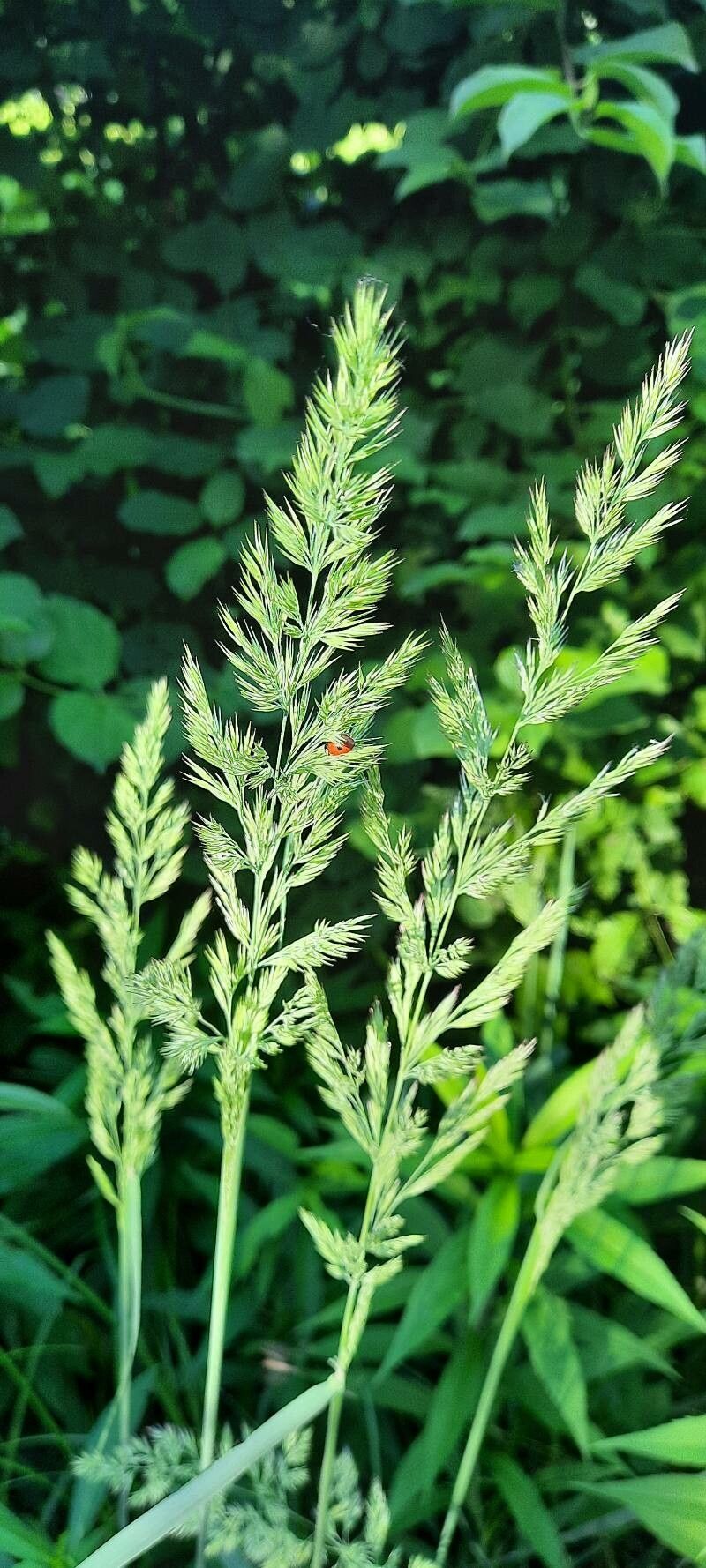
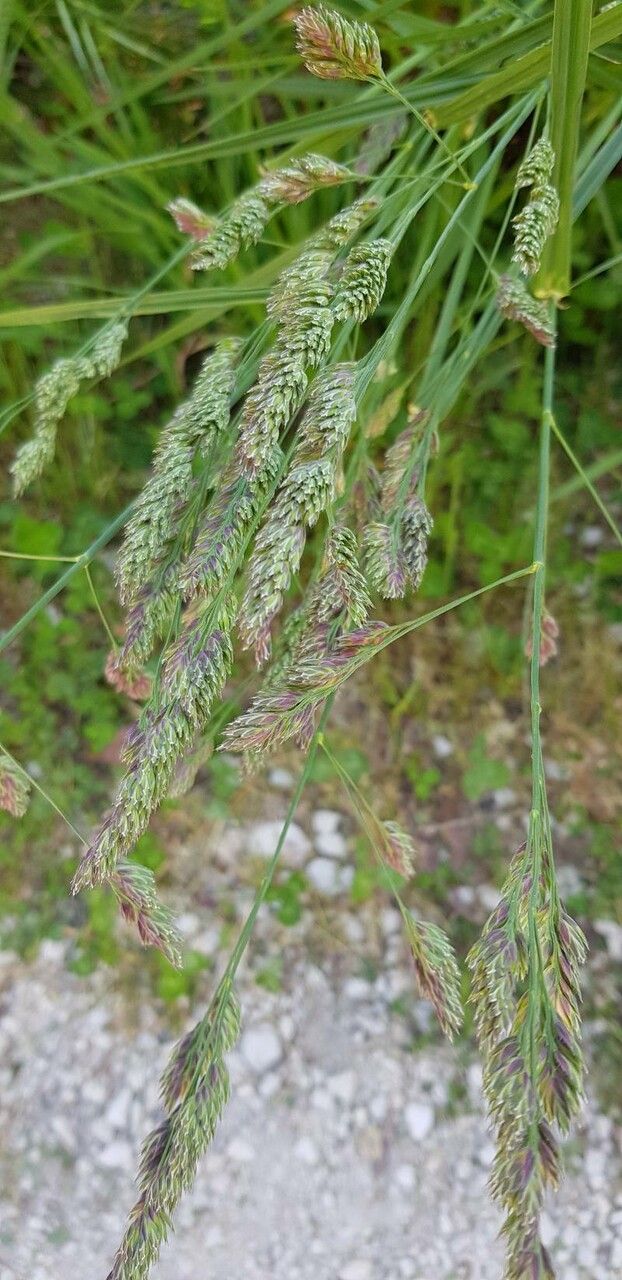
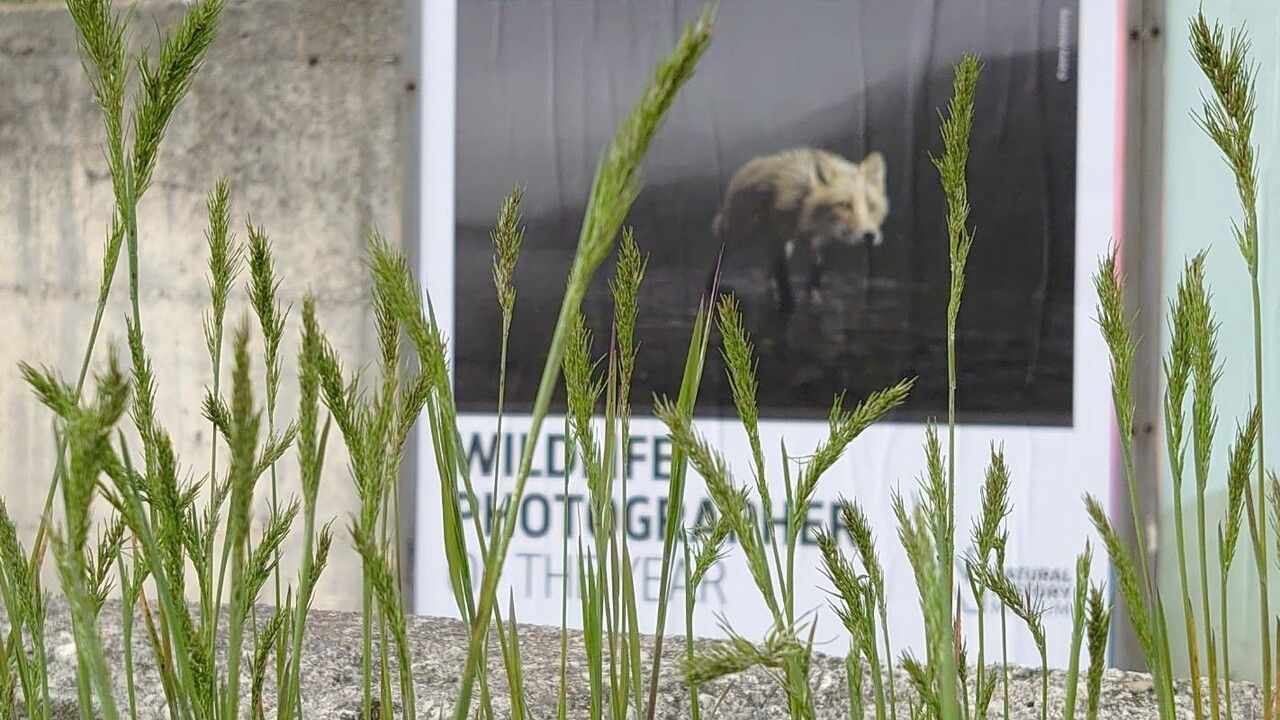
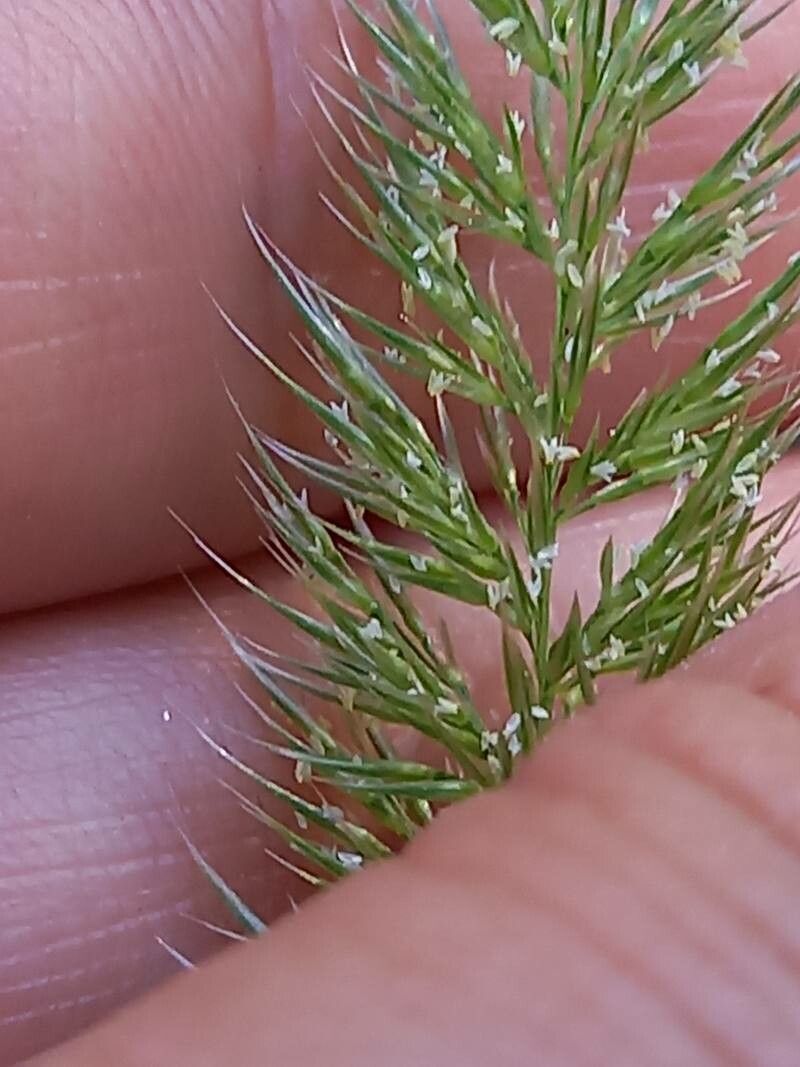
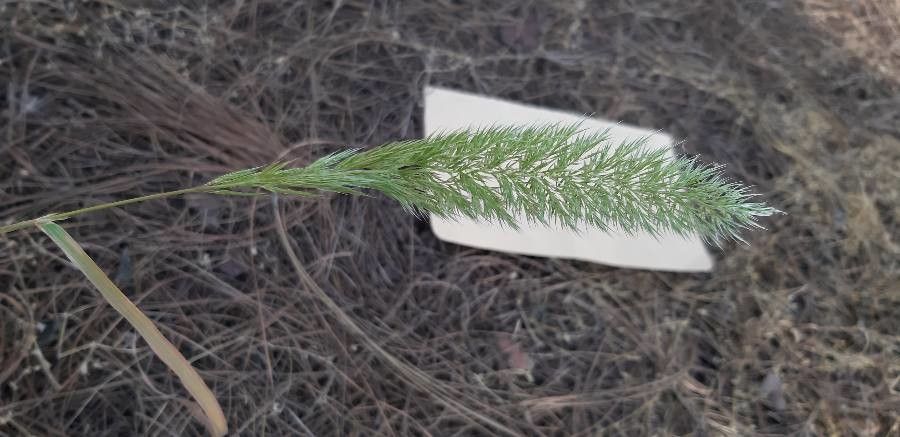
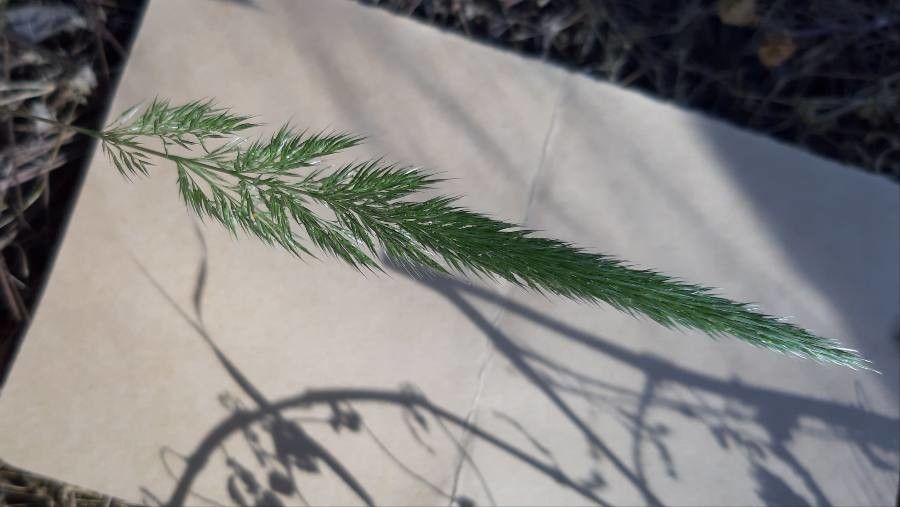
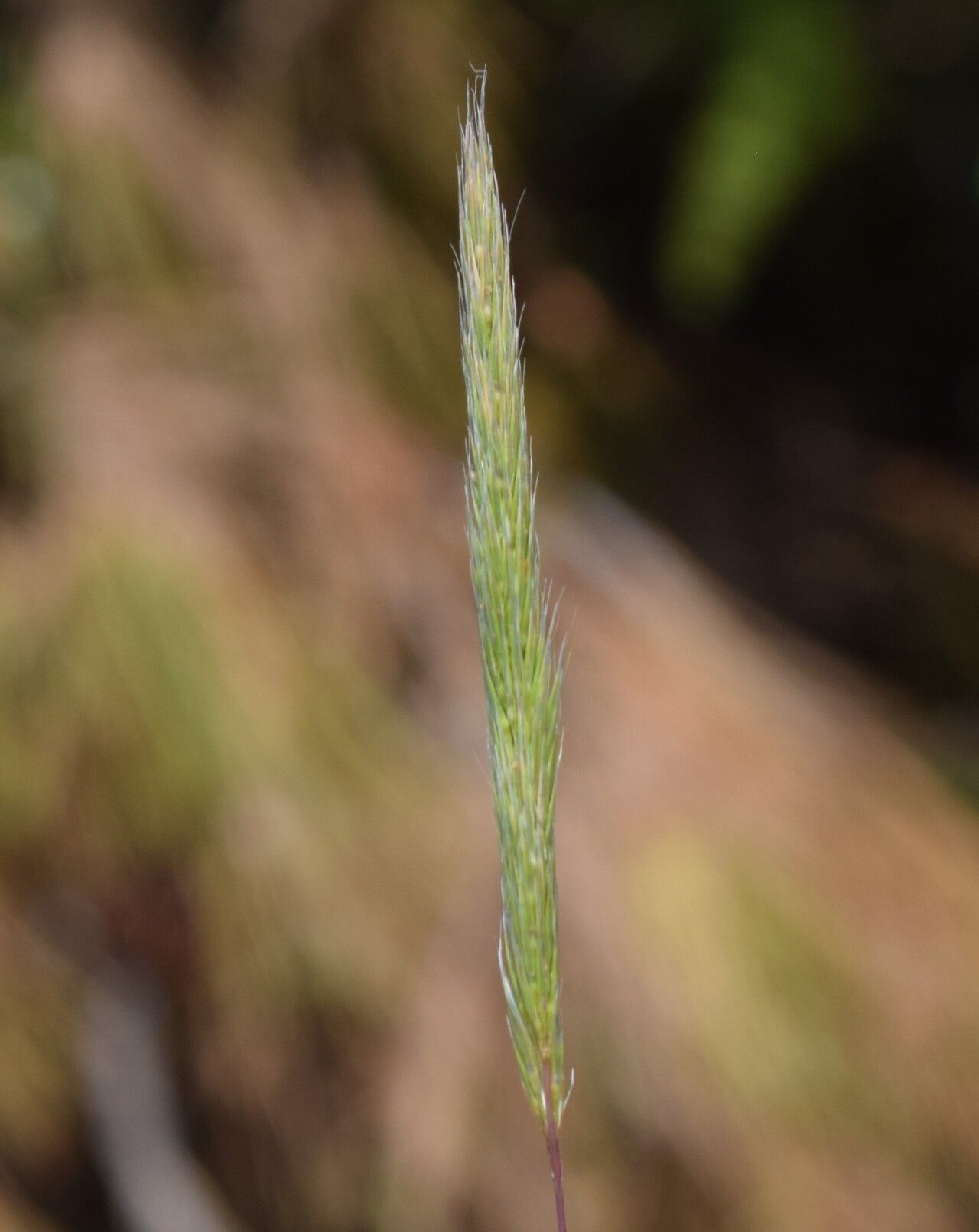
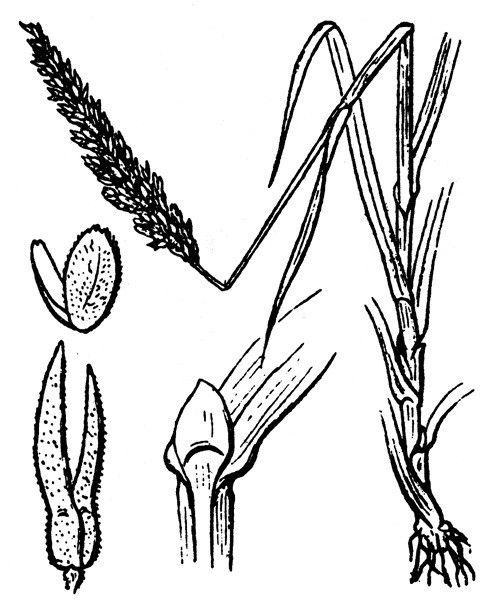
Gastridium ventricosum is a species of grass known by the common name nit-grass (British Isles) or nit grass (USA). This is an annual grass bearing a long, thin, smooth inflorescence of spikelets. It is native to Europe, North Africa, and southwestern Asia but has become naturalized in scattered locations elsewhere.
Nit-grass is fairly disease-resistant and typically does not develop illnesses. That said, it can be affected by pests and diseases present in its environment. Such issues are generally mild. For care, the plant needs moderate maintenance. It should be pruned regularly to preserve a neat appearance and encourage healthy growth. Fertilizing can also aid in boosting flowering. Nit-grass is suitable for anyone with outdoor space, like a garden or patio, and does not demand extensive care experience. Grown indoors, however, it may need more attentive care.
How to keep Gastridium Ventricosum.
Light
Nit-grass thrives notably in open-air settings and can tolerate lower light conditions. For optimal growth, full daylight is preferable. Both too much sun and too little sunlight can negatively impact its development, reflecting its native open-habitat preferences. Nonetheless, it will endure slight natural shade.
Water
Nit-grass thrives in Mediterranean climates, which offer a combination of moisture and dry spells. This type of grass is moderately drought-tolerant and benefits from weekly watering. It grows best in regions where rainfall complements its growth cycles, making it well-suited for areas with seasonal water availability.
Temperature
Nit-grass does well in its native climate when temperatures range from 68 to 95 °F (20 to 35 ℃). It favors moderate warmth for optimal growth. Seasonal temperature adjustments are rarely necessary.
Fertilizer
Nit-grass benefits from regular, light applications of fertilizer to encourage healthy leaf development. Fertilize Nit-grass about once a month during the summer. Nitrogen is essential for foliage, and providing nitrogen-rich sources helps Nit-grass flourish.
Pruning
Nit-grass is an annual grass characterized by its swollen nodes. To encourage healthy growth, remove damaged parts, and prevent overcrowding, it should be pruned from early to late spring. Regular trimming not only limits seed spread and maintains the garden's appearance but also promotes vigorous regrowth, which enhances the overall health of the garden.
Botanical profile.
- Plant Type
- Herb
- Life Cycle
- Annual
- Genus
- Gastridium
- Family
- Poaceae
- Hardiness Zone
- 7-10
- Mature Height
- 10 cm to 61 cm
- Mature Spread
- 40 cm
- Leaf Color
- Light Green
- Leaf Type
- Deciduous
- Flower Color
- Yellow, Green, Brown
- Flower Size
- 0.51 cm to 1.27 cm
- Bloom Time
- Early summer, Mid summer
- Planting Time
- Spring, Summer, Autumn
- Harvest Time
- Mid summer, Late summer
Other names.
Reader questions.
What are the sunlight requirements for Nit-grass?
Nit-grass, also known as Gastridium ventricosum, thrives in full sun, which means it requires more than 6 hours of sunlight daily to flourish optimally. However, it can also tolerate partial sun conditions, which consist of about 3-6 hours of sunlight. It's essential to observe the movement of sunlight through your garden to find spots that offer a good balance of light and shade, ensuring the plants' well-being and happiness.
What is the optimal temperature range for growing Nit-grass?
Nit-grass, or Gastridium ventricosum, thrives well in its native climate with temperatures ranging between 68 to 95 °F (20 to 35 °C). This plant prefers moderate heat for its optimum growth, indicating that seasonal temperature adjustments are typically not required due to its strong cold resistance. However, it is crucial to offer cold protection if winter temperatures are expected to drop below -15°C by covering the plant with materials like soil or straw and watering it abundantly before the first freeze in autumn to ensure the soil remains moist.
How can indoor Nit-grass plants receive adequate lighting?
For indoor Nit-grass plants to receive adequate lighting, especially when natural sunlight is insufficient, artificial lights such as LED lights are recommended. These can be customized to provide the specific wavelengths of light that plants require. Full sun plants need 30-50W/sq ft of artificial light, partial sun plants need 20-30W/sq ft, and full shade plants need 10-20W/sq ft. The light source should be placed 12-36 inches above the plant to mimic natural sunlight, and the duration should mimic natural daylight hours, generally between 8-12 hours of light per day.
How does low temperature affect Nit-grass, and what are the solutions?
Nit-grass exhibits a high tolerance to cold and best thrives when temperatures remain above 20°C. During winter, keeping the temperature above 0°C is advisable to prevent damage. Exposure to temperatures below -15°C may not show noticeable changes during the winter but can lead to a decrease in sprouting or even no sprouting at all come springtime. To mitigate these effects, it is recommended to remove any parts of the plant that have failed to sprout in the spring.
What are the symptoms of light deficiency in Nit-grass?
Symptoms of light deficiency in Nit-grass include small leaves, which are noticeably smaller than previous ones, leggy or sparse growth, with longer spaces between leaves or stems, faster leaf drop to conserve resources, slower or no new growth as the plant enters survival mode, and lighter-colored new leaves due to lack of chlorophyll. Additionally, chlorosis can occur, leading to yellowing leaves, along with sunscald showing pale or necrotic areas on the plant due to intense sunlight exposure. Leaf curling, wilting, and leaf scorching are other symptoms that can occur with both too much and too little sunlight.
How does high temperature affect Nit-grass, and what are the recommended solutions?
During the summer, Nit-grass should ideally be kept below 35°C. Temperatures exceeding 41°C can cause the leaves to lighten in color, become susceptible to curling, prone to sunburn, and in severe cases, the entire plant may wilt and dry up. To combat these issues, trim away the sunburned and dried-up parts of the plant. Moving the plant to a location that provides shade from the midday and afternoon sun or using a shade cloth can offer protection. Additionally, watering the plant during the morning and evening helps keep the soil moist, further safeguarding it against high temperatures.
How can I address lighting issues for my outdoor and indoor Nit-grass plants?
To address lighting issues for Nit-grass, outdoor plants should be gradually moved to spots with optimal sunlight, avoiding sudden changes to prevent sunburn. Indoor plants can be moved closer to south-facing windows for natural light or supplemented with artificial lighting, such as desk or professional grow lights, for at least 8 hours a day. If sunlight is obstructed, consider pruning trees or moving plants to sunny spots, ensuring they receive at least 6 hours of direct sunlight daily. It's important to note that some symptoms of insufficient light might not be reversible, but improving light conditions can ensure new growth is healthy.