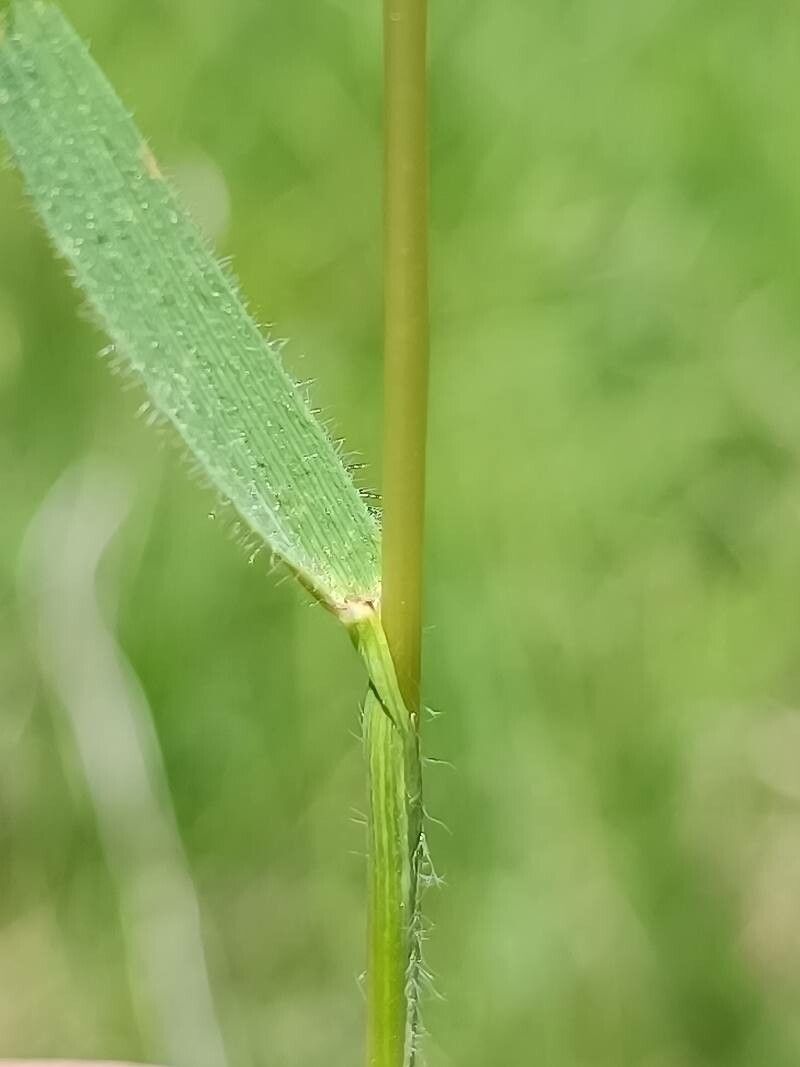
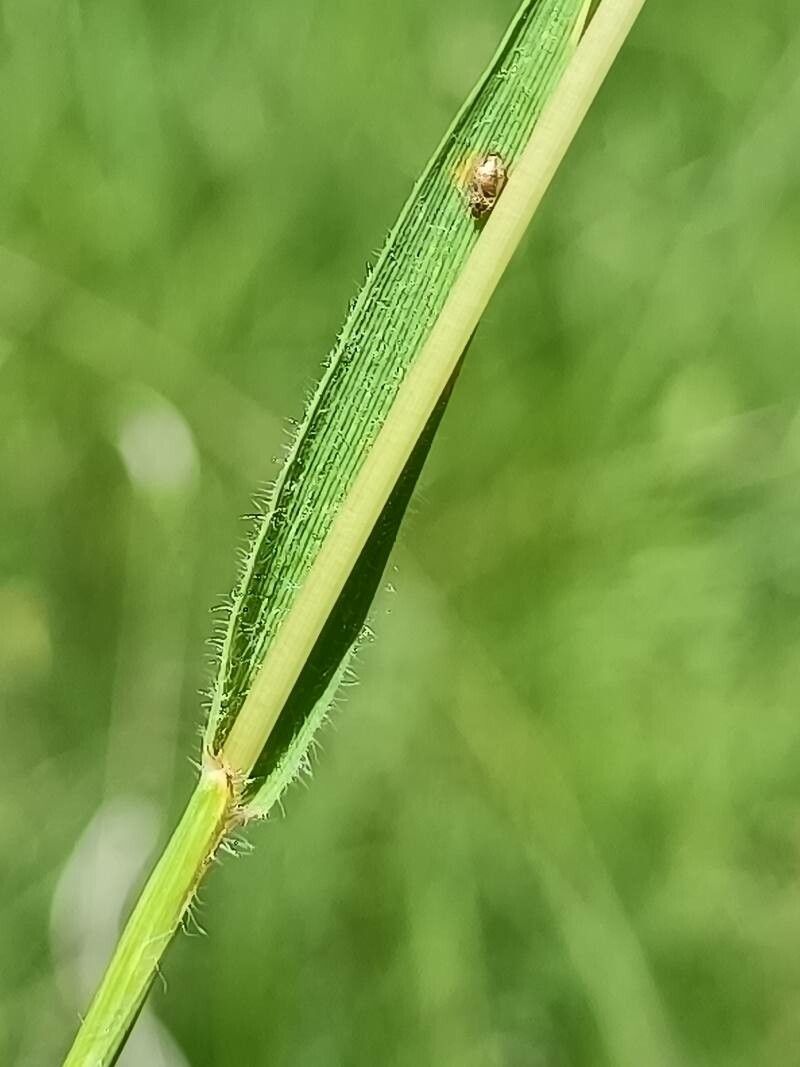
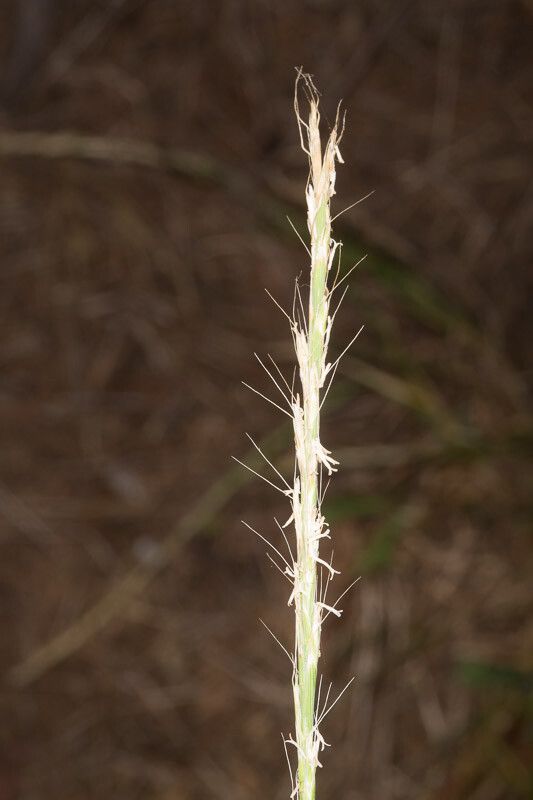
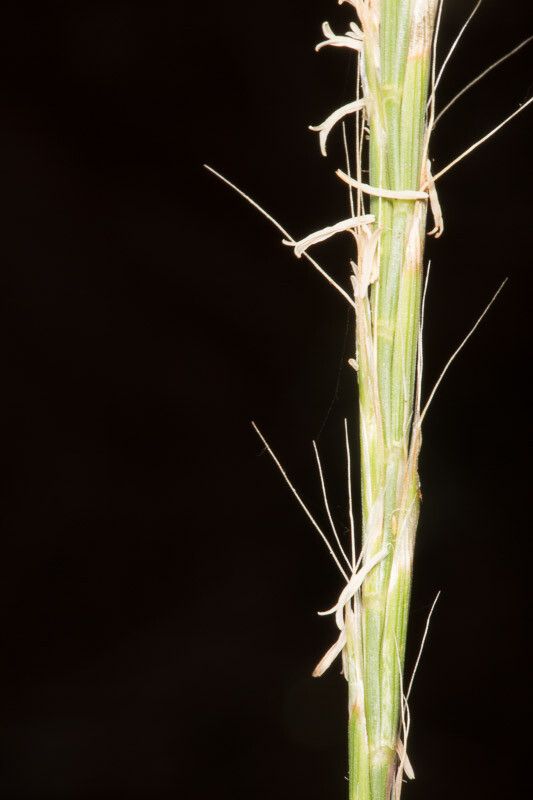
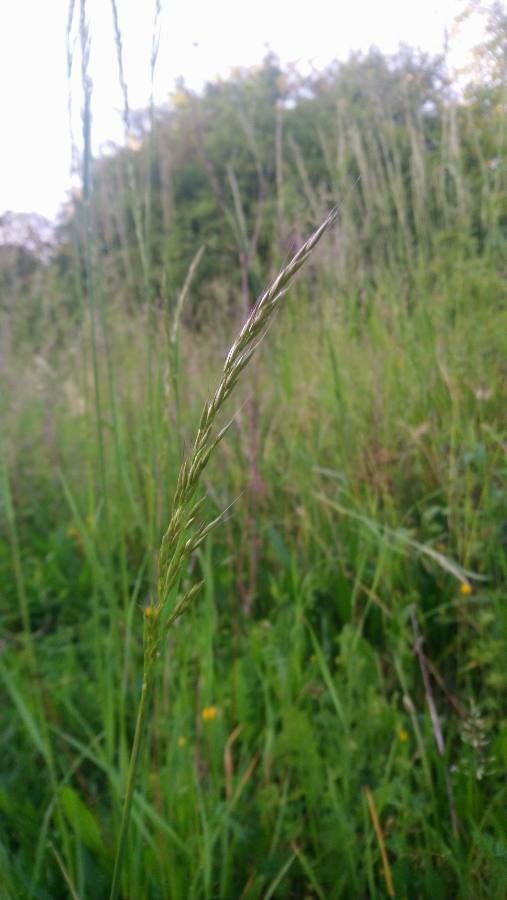
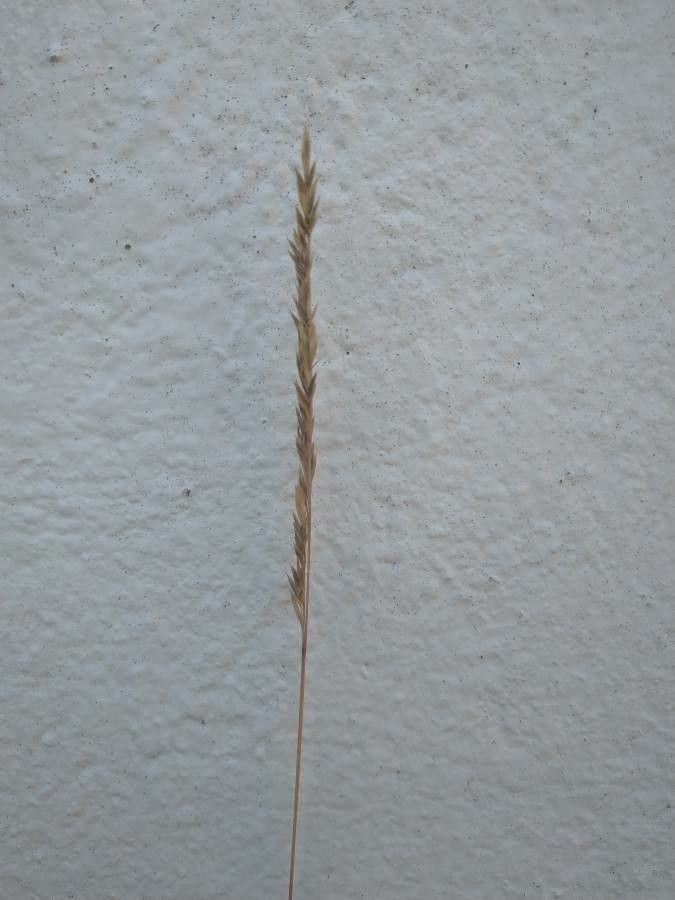
French oat-grass is resistant to disease and is generally not susceptible to illnesses. As for care, this plant is fairly low-maintenance. Planted outdoors, it needs only minimal watering, and larger specimens usually do not require pruning. Smaller plants, however, should be trimmed after they bloom. French oat-grass is appropriate for anyone who has an outdoor area, like a garden or deck, and it does not demand extensive gardening experience.
How to keep Gaudinia Fragilis.
Light
French oat-grass is native to bright, open habitats and performs best in full sun. It can tolerate some partial shade but favors direct sunlight for optimal growth. This plant, which may be annual or biennial, is recognized for its sun-loving habit.
Water
French oat-grass thrives best with consistent moisture and regular hydration cycles. It has a moderate tolerance for drought, but it's important to water it weekly to mimic its natural conditions. While primarily an outdoor plant, it benefits from rainwater during its active growth phase, which helps strengthen its resilience and root system.
Temperature
French oat-grass can adjust to a wide range of temperatures, but its distribution may still be restricted by various combinations of moisture and heat. It performs best in warm summer climates with sufficient rainfall or irrigation. Extended periods of cloudy, rainy weather, as well as prolonged high temperatures, can increase the chance of French oat-grass dying. In winter, proper protection from cold can improve the plant's survival rate.
Pruning
French oat-grass has slender, delicate stems and benefits from annual pruning between early and late spring to maintain its vigor. To encourage healthy growth, remove any dead or damaged stems as well as any overgrown areas. Pruning not only boosts its appearance but also improves air circulation and lowers the risk of disease. Be sure to use clean, sharp tools for the best results.
Botanical profile.
- Plant Type
- Grass
- Life Cycle
- Annual
- Genus
- Gaudinia
- Family
- Poaceae
- Hardiness Zone
- 7-10
- Mature Height
- 0.15 m to 1.22 m
- Mature Spread
- 15 cm to 30 cm
- Leaf Color
- Light Green
- Leaf Type
- Semi-evergreen
- Flower Color
- Yellow, Green, Purple, Brown
- Flower Size
- 0.51 cm to 0.76 cm
- Bloom Time
- Late spring, Early summer
- Planting Time
- Spring, Summer, Autumn
- Harvest Time
- Early summer, Mid summer
- Native Area
- Libya, Turkey, Montenegro, Croatia, Morocco, Slovenia, Russia, France, Portugal, Tunisia, Bulgaria, Greece, Serbia, Lebanon, Syria, Italy, Spain, Switzerland, Albania, Algeria
Other names.
Reader questions.
What should I do if I give too much or too little water to my French oat-grass?
Proper watering is essential for maintaining the health and performance of ornamental grass. In the ground, any watering issues can usually be resolved. However, in a container, it's important to be cautious about overwatering or underwatering, as either extreme can quickly kill French oat-grass. Insufficient watering may cause the grass to halt its growth, leading to drooping leaves, weak seed production, and browning. Overwatering, on the other hand, can result in yellow leaves with brown tips. If you suspect your French oat-grass has been watered improperly, start by determining whether it's getting too much or too little water. If it's being overwatered, stop watering immediately and allow the heavy soil to dry out, which may take a few weeks. Once you see signs of new growth, test the moisture in the soil and decide if more water is needed. If the grass is being underwatered, simply give it a deep drink and see if it revives. Keep in mind that it's better to water deeply and less frequently than to water shallowly and often. Deep watering promotes the growth of deep roots, making the grass more resistant to drought and less susceptible to watering-related problems.
What are the sunlight requirements for French oat-grass?
French oat-grass (Gaudinia fragilis) thrives best in full sun, requiring above 6 hours of sunlight daily, though it can tolerate partial sun, meaning about 3-6 hours of sunlight. It is important to observe how sunlight moves through your garden to find spots that provide a balance of light and shade, ensuring the plants' needs are met for optimal growth.
How often should I give water to my French oat-grass?
The watering needs of French oat-grass will depend on its location. In general, watering once a week is recommended. However, in hot climates, it may need watering once or twice a week during summer. In more moderate climates, watering once every seven days or more should suffice. Grass in containers typically need more frequent watering than those in the ground. Additionally, the location of the grass matters, as shaded grasses require less frequent watering compared to those grown in the ground. Water French oat-grass only when the soil is dry. To determine this, you can press your finger a couple of inches into the soil or weigh the grass in a pot using a portable scale. Signs of insufficient water include folded and thinner grass blades. Despite its drought tolerance, regular and deep waterings will result in a beautiful color. While French oat-grass is naturally found in open scrubland and can tolerate extreme heat and intermittent rain, it still requires care and attention. Consistent watering is recommended for optimal growth. Initially, newly planted French oat-grass needs more frequent watering until its roots establish. For potted French oat-grass, the soil tends to dry out quickly, especially if exposed to hot, direct sun. Testing the soil every 3 to 4 days and watering only when it feels dry is advisable. In-ground French oat-grass generally needs less watering, but factors such as soil type (e.g., heavy clay or sandy) can affect watering frequency.
How does artificial lighting benefit indoor plants like French oat-grass?
For indoor French oat-grass or similar plants, artificial lighting can be crucial for growth, especially when natural sunlight is insufficient, such as in winter or less sunny spaces. Artificial lights, like LED, can be tailored to provide specific wavelengths needed for plant growth. Full sun plants need 30-50W per square foot, partial sun plants need 20-30W per square foot, and full shade plants need 10-20W per square foot of artificial light. It's advised to place the light source 12-36 inches above the plant for 8-12 hours daily to mimic natural sunlight.
What do I need to watch out for when I water my French oat-grass in different seasons, climates, or during different stages of growth?
To determine if you are watering enough, observe the rate at which your grasses are growing. French oat-grass tends to double in size during the hottest months of the year. If the weather is hot but your grass is not growing vigorously, adjust your watering schedule accordingly. In winter, you may only need to water once a month, but it is still important to check the moisture in the soil. During the warmest months when the grass is actively growing, it will require more water. However, during winter and cooler months, the need for water will decrease significantly. Remember, it is crucial to let the soil dry out completely before watering the French oat-grass.
What are some common symptoms of light deficiency in French oat-grass?
When French oat-grass does not receive enough light, it may show several symptoms, including smaller leaves, leggy or sparse growth, faster leaf drop, slower or no new growth, lighter-colored new leaves, and chlorosis, which causes the leaves to lose their green color. Excessive sunlight can also introduce problems like sunscald, leaf curling, wilting, and leaf scorching by damaging the plant tissue or reducing the plant's ability to maintain adequate hydration and photosynthetic capacity.
What solutions can help improve light conditions for French oat-grass?
Improving light conditions for French oat-grass involves both indoor and outdoor strategies. Indoors, gradually moving plants to sunnier locations to ensure at least 6 hours of direct sunlight daily or using artificial light sources like desk or ceiling lamps for at least 8 hours daily can be helpful. Outdoors, adapting plants to sunlight gradually to prevent sunburn and trimming obstructions like tree branches to increase sun exposure are effective strategies. If necessary, transplanting smaller plants during their dormant period to sunnier locations with good drainage can also benefit growth.