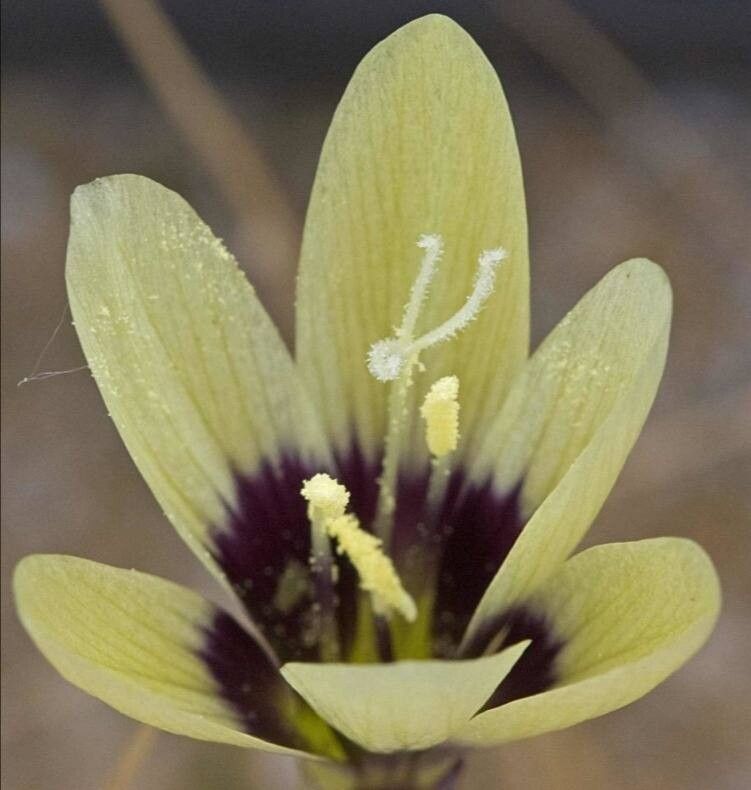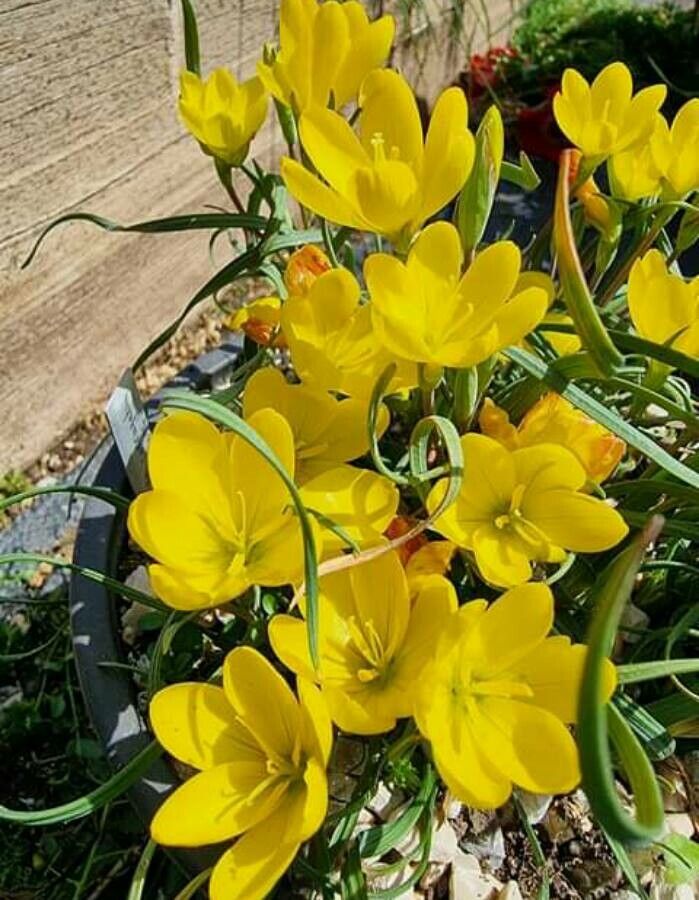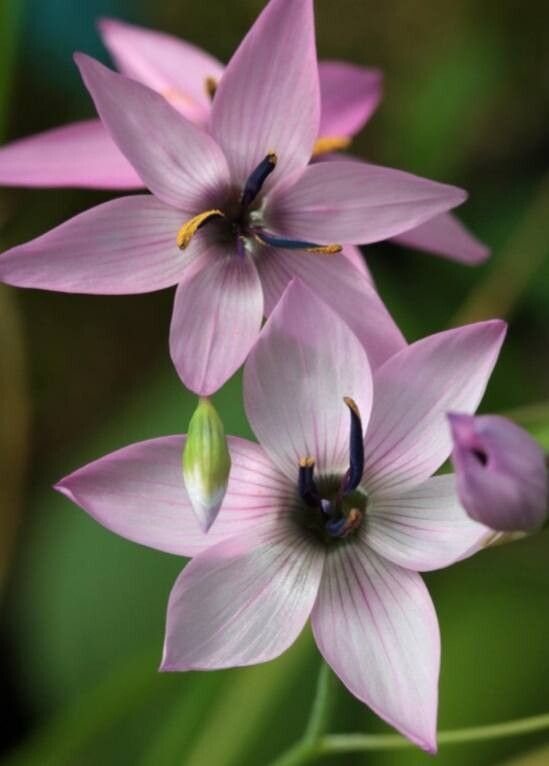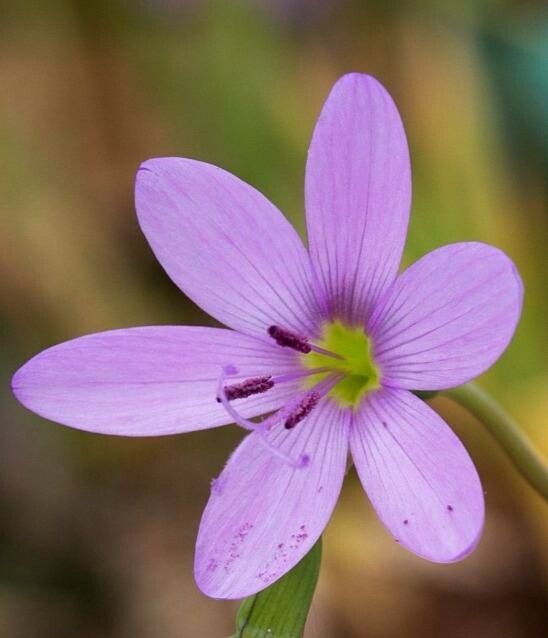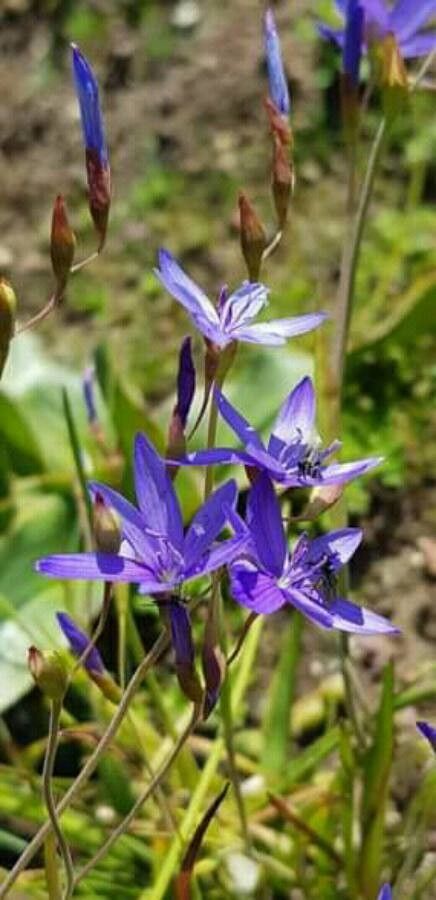
Geissorhiza aspera, a species of flowering plant in the family Iridaceae, is native to South Africa and commonly known as the rough geissorhiza due to its coarse, hairy leaves. This plant boasts striking, showy flowers—typically purple or blue with yellow centers—that bloom in late winter or early spring on long stems rising above the foliage.
Geissorhiza aspera thrives in well-drained soils and prefers full sun or partial shade. It can be propagated from seeds or bulbs, but requires a period of dormancy during which it should remain dry.
Traditionally, indigenous people have used this plant for medicinal purposes, treating various ailments such as stomach problems, headaches, and fever. However, caution is advised due to potential toxicity.
Overall, Geissorhiza aspera is a beautiful ornamental plant that enhances any garden with its vibrant colors and also holds cultural significance in traditional medicine practices.
Velvet satin is fairly disease-resistant and generally not prone to illnesses. Still, it can be affected by pests and diseases present in its environment. These problems are usually mild. Care-wise, this plant needs moderate maintenance. Regular pruning is needed to keep a good appearance and support healthy growth. Fertilizing can also help encourage flowering. Velvet satin is well suited for anyone with outdoor space, such as a garden or patio, and does not demand extensive care experience. It may need more attention when grown indoors.
How to keep Geissorhiza Aspera.
Light
Velvet satin is a sun-loving, perennial herbaceous plant native to open habitats and commonly thriving in meadows and grasslands. It prefers full sun but can also tolerate partial sun.
Temperature
Velvet satin can tolerate a wide range of temperatures, but its distribution may still be constrained by various combinations of moisture and heat. It performs best in warm summer climates with sufficient rainfall or watering. Extended periods of cloudy, rainy weather or prolonged high temperatures raise the risk of Velvet satin dying. In winter, adequate protection from the cold can boost the plant's chances of survival.
Fertilizer
One fertilizer application in spring is generally sufficient for Velvet satin, though repeated feedings can maximize growth. Apply fertilizer roughly every four to six weeks. Fertilization improves the leaves' appearance and function, helping them retain uniform color and a healthy texture. It also promotes root development and nutrient uptake, supporting the plant's long-term health.
Pruning
Velvet satin features vibrant violet-blue flowers and slender, grass-like leaves. For optimal growth, prune in early spring to remove any damaged foliage. Make precise cuts just above the nodes using clean shears. Minimal pruning will enhance flowering and overall plant health, resulting in a compact and attractive garden display.
Botanical profile.
- Plant Type
- Herb
- Life Cycle
- Perennial
- Genus
- Geissorhiza
- Family
- Iridaceae
- Hardiness Zone
- 9-11
- Mature Height
- 20 cm to 40 cm
- Mature Spread
- 10 cm to 15 cm
- Leaf Color
- Green
- Leaf Type
- Deciduous
- Flower Size
- 3.05 cm to 5.08 cm
- Bloom Time
- Early spring, Mid spring
- Planting Time
- Summer
- Harvest Time
- Late spring, Early summer
- Native Area
- South Africa