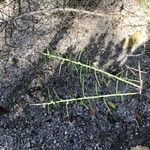
Genista hirsuta
Broom
Care Guide
💧 Water
Green broom, a plant native to the Mediterranean, is drought-tolerant and prefers well-drained soil with occasional moisture. It is important to water the plant weekly to prevent over-saturation. Usually grown outdoors, it benefits from natural rainfall, particularly during its active growing season.
☀️ Light Full sun
Green broom is native to open habitats, for example sunny meadows and the edges of forests, where abundant light is available. It performs best in full sun but will also tolerate partial sun, adapting well to different sunlight exposures.
What are the sunlight requirements for Green broom (Genista hirsuta)?
Green broom (Genista hirsuta) thrives in varying amounts of sunlight, with specific requirements to ensure its health and growth. It needs 'full sun', which is defined as receiving above 6 hours of sunlight a day, to flourish ideally. Alternatively, it can also tolerate 'partial sun', meaning it should get about 3-6 hours of sunlight daily. It's important to observe the way sunlight moves through your garden throughout the day. Selecting the right spots that provide a balance of light and shade is crucial for the happiness and well-being of your plants, including the Green broom.
🌡️ Temperature 10–35°C
Green broom shows strong adaptability to a range of climate conditions, whether in blistering summers or freezing winters. However, it does have a preferred temperature window for growth. If temperatures become too high, the plant is vulnerable to heat and humidity stress, which can lead to its death. In areas where temperatures reach the lower edge of its cold tolerance, it is important to use insulation to protect the plant.
💨 Humidity
🪴 Soil 6-7
🌱 Fertilizer
Timing is essential for fertilizing Green broom. Begin fertilizing in early spring and continue once a month through early summer. Fertilizer encourages attractive blooms and supplies energy during both dormant and active growth periods.
🪴 Pot & Repot
✂️ Pruning
Green broom, known for its small, bright yellow flowers, benefits from regular pruning. To maintain its shape, prune the plant from early to late winter. Be sure to use clean tools to remove any weak branches. Thinning the plant allows for better light and airflow, which promotes healthier growth and more abundant flowering. Regular pruning not only improves the plant's health but also enhances its ornamental appeal, contributing to a vibrant growing season.
🌿 Propagating
🐛 Diseases & pets
☠️ Toxicity
Characteristics
- Plant Type
- Shrub
- Life Cycle
- Perennial
- Genus
- Genista
- Family
- Fabaceae
- Hardiness Zone
- 6-9
- Mature Height
- 30 cm to 91 cm
- Mature Spread
- 49 cm to 76 cm
- Leaf Color
- Green
- Leaf Type
- Evergreen
- Flower Color
- Yellow
- Flower Size
- 1.02 cm to 1.52 cm
- Bloom Time
- Mid spring, Late spring, Early summer
- Planting Time
- Spring, Summer
- Harvest Time
- Mid summer, Late summer, Early fall