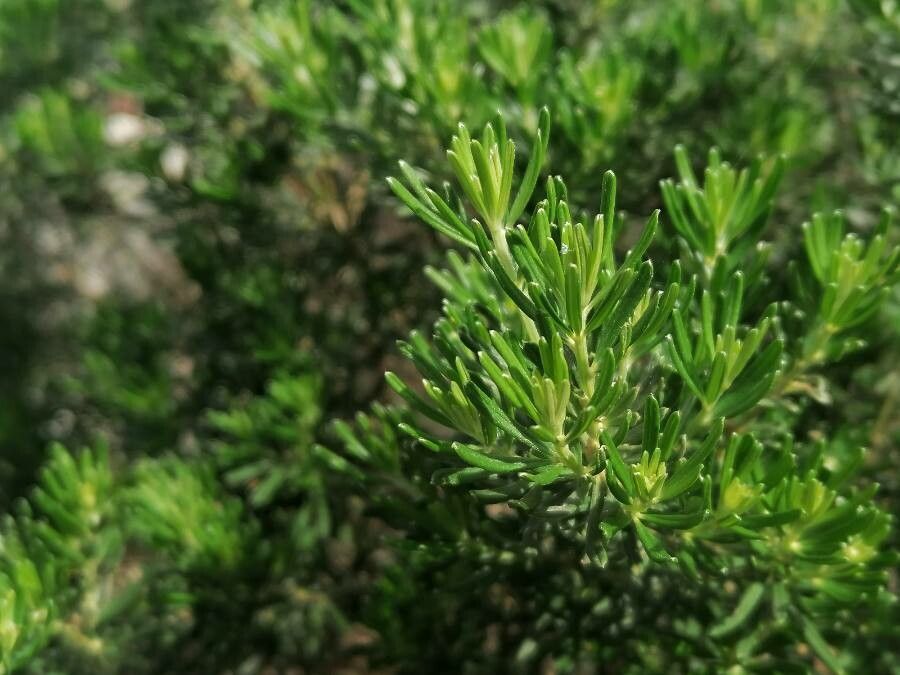
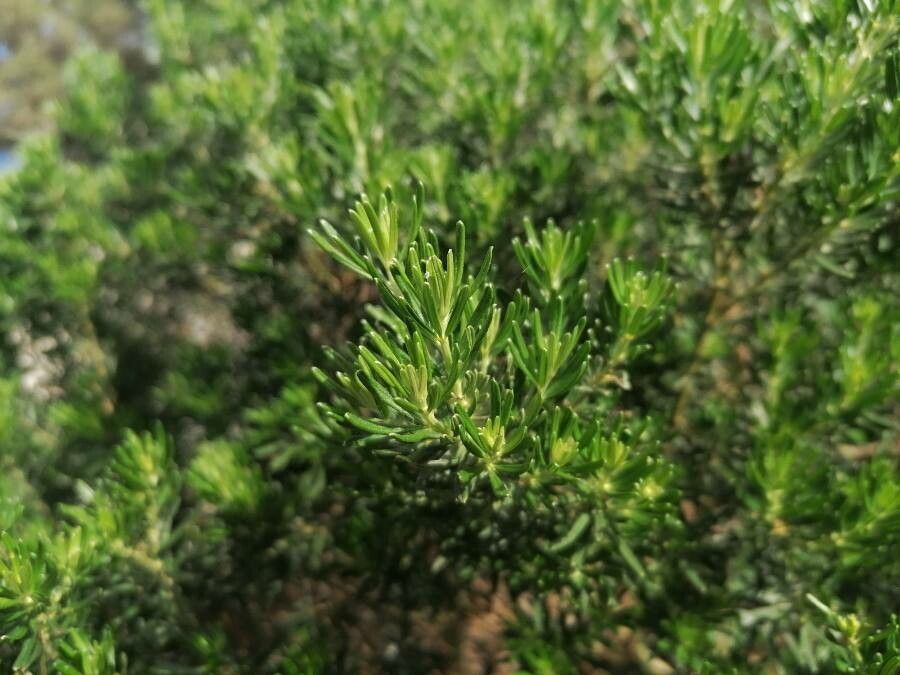
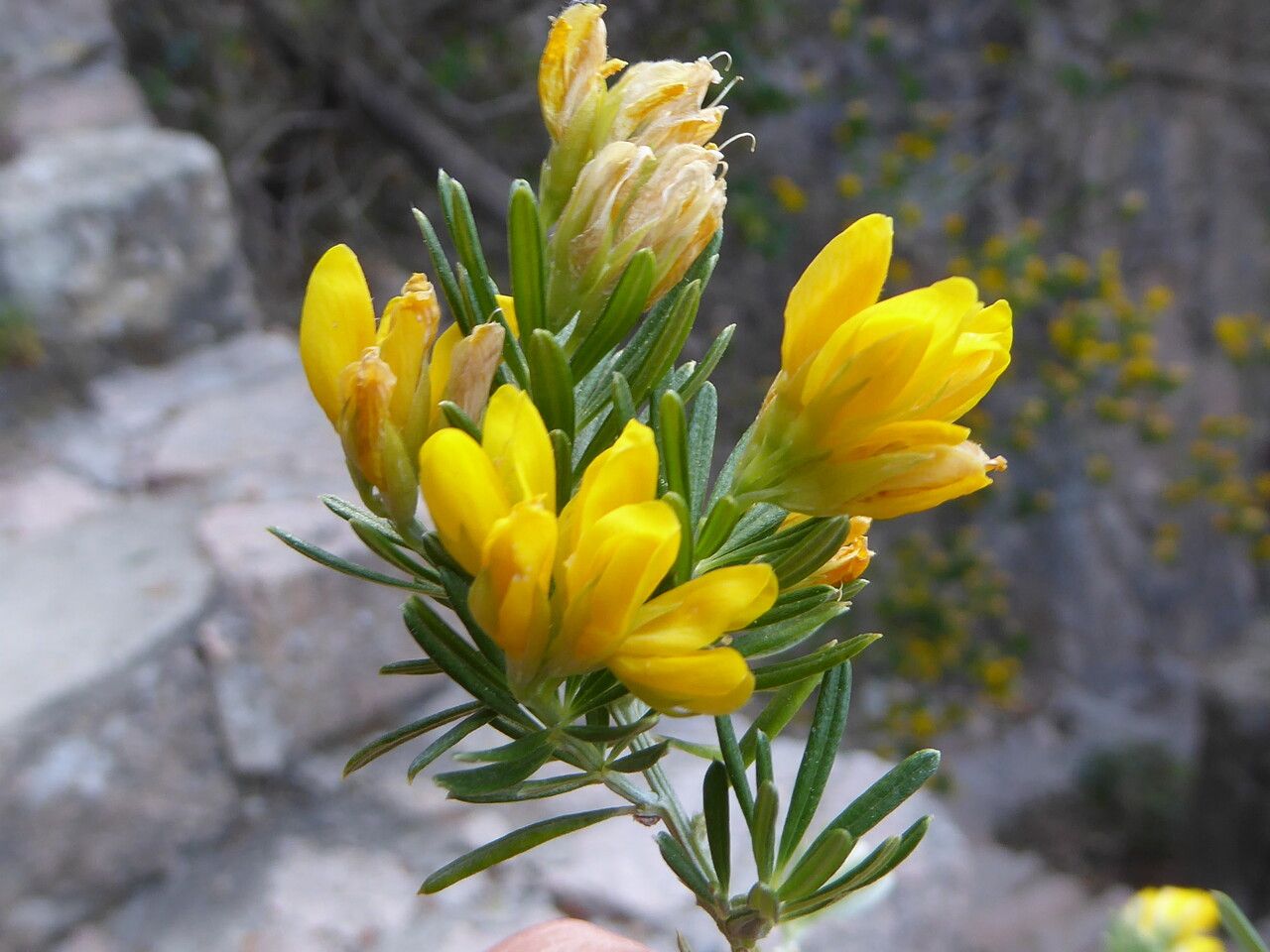
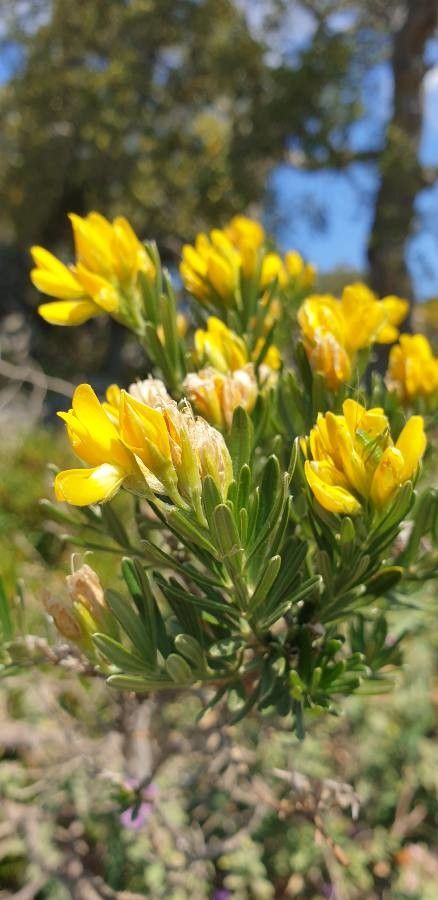
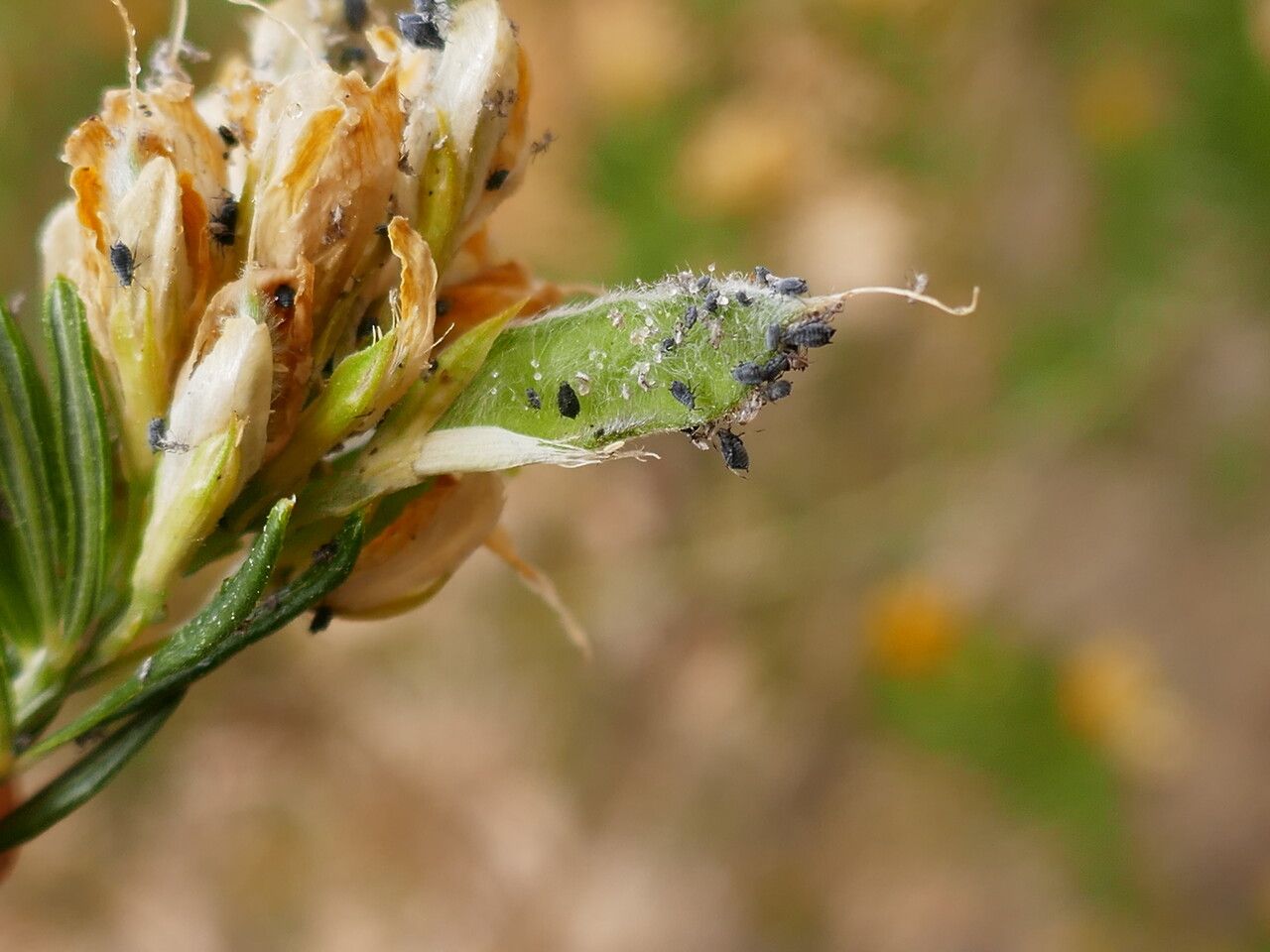
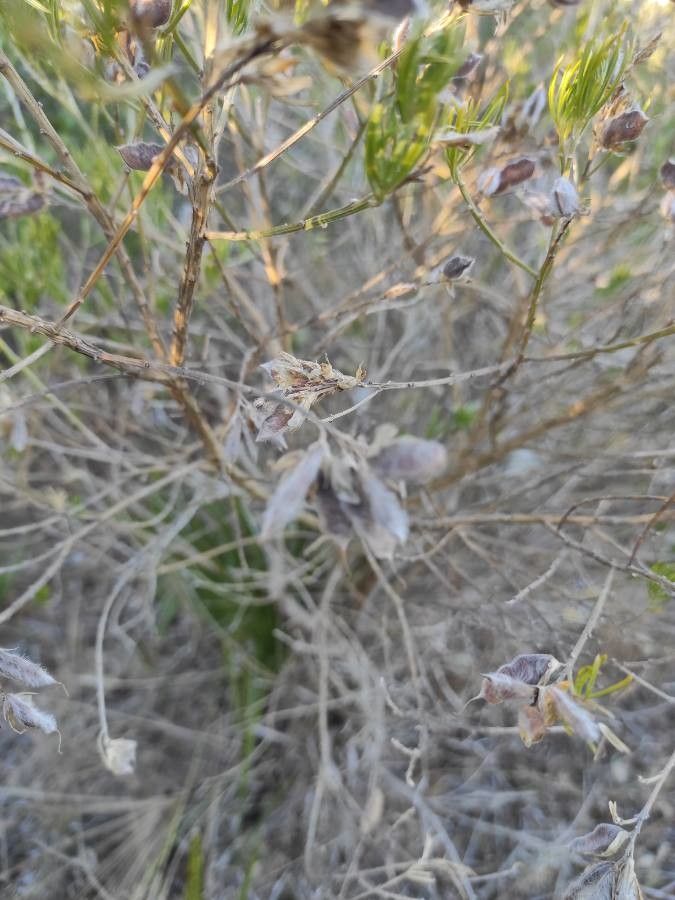
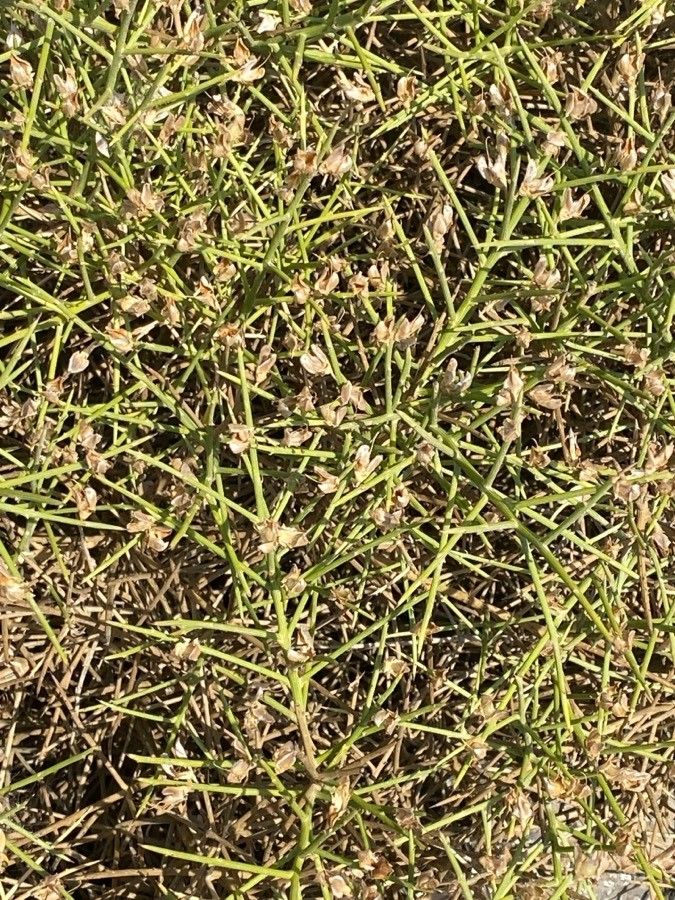
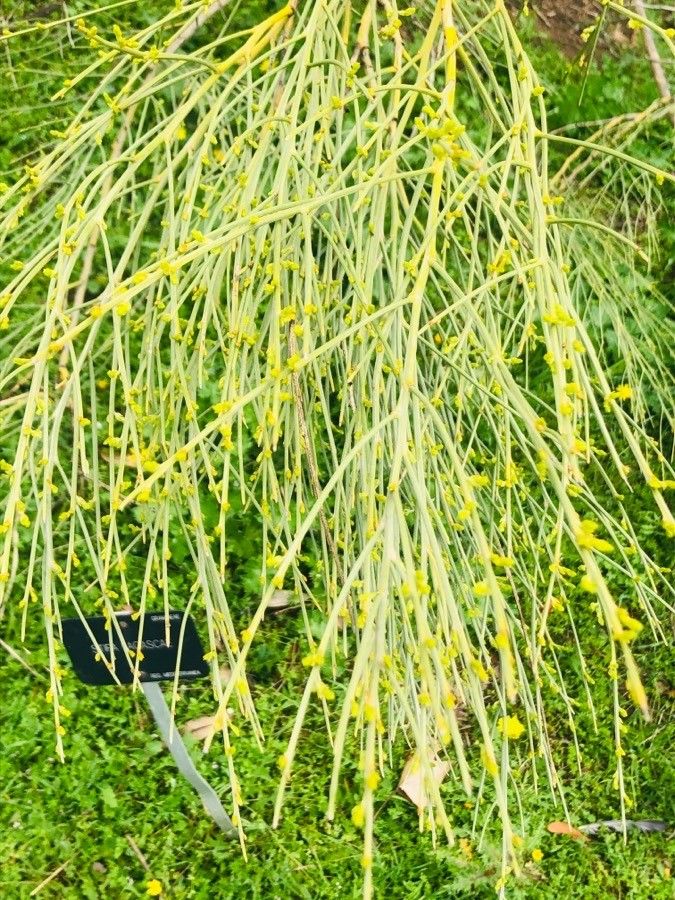
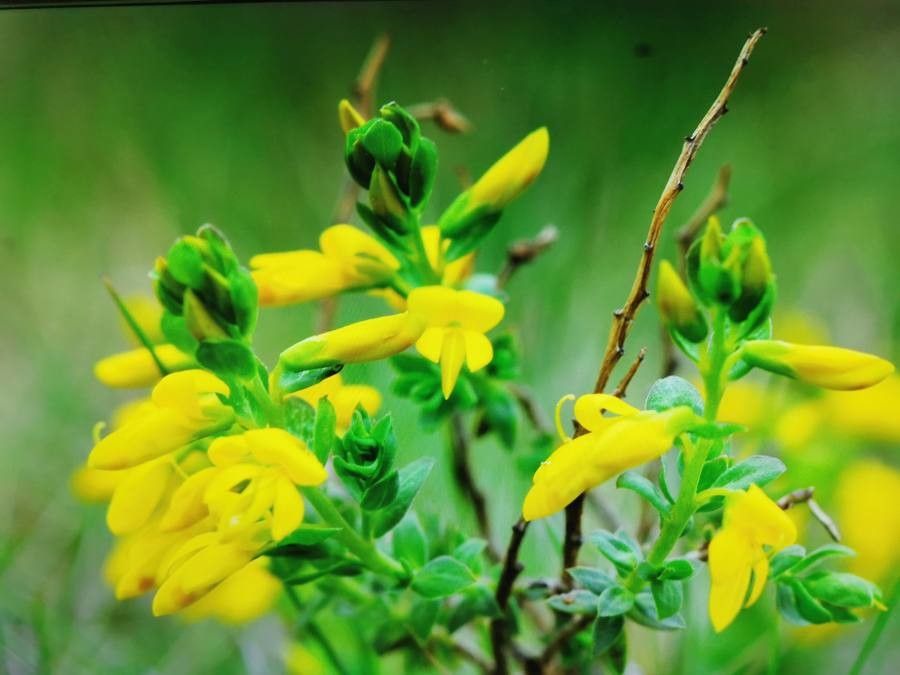
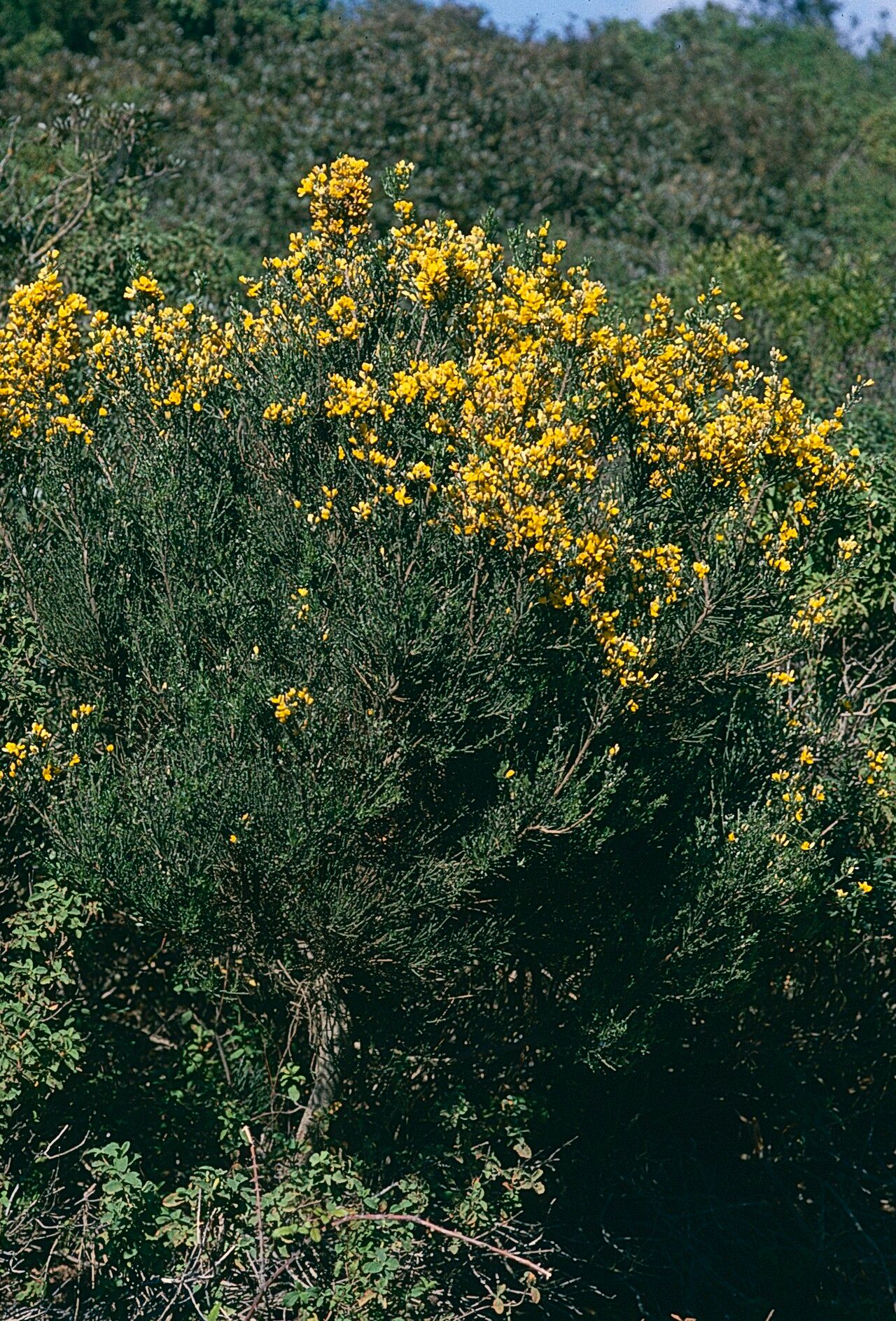
Genista linifolia is a species of broom known by the common names Mediterranean broom, needle-leaved broom and flax broom. It is native to southwestern Europe, North Africa, and the Canary Islands.
The needle-leaved broom shows strong resistance to disease and is usually not susceptible to illnesses. With respect to care, this plant is fairly low-maintenance. Planted outdoors, it needs little watering, and larger specimens typically do not require pruning. Smaller plants, however, should be pruned after they have finished blooming. Needle-leaved broomt is appropriate for anyone who has outdoor space, such as a garden or a deck, and it does not demand extensive care experience.
How to keep Genista Linifolia.
Light
For best growth, needle-leaved broom does well with ample light for most of the day, though it can tolerate a modest amount of light. In its native habitat it is commonly found where sunlight is plentiful. Too much or too little light can affect the plant’s overall health.
Water
Needle-leaved broom, native to arid regions, is highly drought-tolerant and needs watering only every 2-3 weeks. It thrives in full sun and well-draining soil, efficiently conserving water in its needle-like leaves. This makes it an excellent choice for low-maintenance gardening and xeriscaping.
Temperature
Needle-leaved broom shows good adaptability to temperature, tolerating high heat and wide temperature fluctuations. When temperatures are high, attention should be paid to watering and appropriate shading to prevent sunburn. However, Needle-leaved broom is relatively intolerant of low temperatures; while it can withstand some cold, excessively low temperatures may cause frost damage.
Fertilizer
Timing is vital for fertilizing Needle-leaved broom. Apply fertilizer in early spring and repeat monthly until early summer. The fertilizer encourages lovely blooms and supplies energy during both dormant and active growth periods.
Pruning
The needle-leaved broom is known for its slender, needle-like foliage and vibrant yellow flowers. To maintain its health and appearance, it requires annual pruning between early and late winter. The essential techniques involve removing any damaged branches and lightly trimming the plant to shape it. Regular pruning helps to improve air circulation, reduce the risk of disease, and enhance the plant’s overall appearance. For the best results, consult reliable resources on pruning practices.
Botanical profile.
- Plant Type
- Shrub
- Life Cycle
- Perennial
- Genus
- Genista
- Family
- Fabaceae
- Hardiness Zone
- 8-11
- Mature Height
- 2.13 m
- Mature Spread
- 0.91 m to 1.52 m
- Leaf Color
- Dark Green
- Leaf Type
- Evergreen
- Flower Color
- Yellow
- Flower Size
- 1.02 cm to 1.52 cm
- Bloom Time
- Mid spring, Late spring
- Planting Time
- Summer
- Harvest Time
- Early summer, Mid summer
- Native Area
- Morocco, Spain, Algeria, France
Other names.
Reader questions.
How should I water my Needle-leaved broom plant?
Your Needle-leaved broom is not too particular about how you water it. You can use any common watering tool, such as a watering can, hose, or even a cup. Regardless of which tool you use, it's best to water the soil directly. Make sure to evenly moisten all areas of the soil to provide water to all parts of the root system. Filtering the water is helpful as tap water may contain harmful particles. It's also best to use water that is at or slightly above room temperature, as water that is too cold or hot can be a bit shocking to the Needle-leaved broom. However, in general, the Needle-leaved broom responds well to any type of water you give it.
What are the sunlight requirements for Needle-leaved broom?
Needle-leaved broom (Genista linifolia) thrives best in conditions where it receives a plentiful supply of light. It requires full sun, which means it should be exposed to more than 6 hours of direct sunlight daily. However, it is capable of managing with partial sun, about 3-6 hours of sunlight. The plant's optimal growth is observed in its native habitats where sunlight is abundant. It's essential to watch how sunlight moves through your garden and select spots that offer a perfect balance of light and shade, ensuring the plants' happiness and health. Artificial lighting can supplement natural sunlight, especially for indoor plants or during less sunny seasons, where LED lights can provide the necessary wavelengths of light. Depending on the plant's needs, the artificial light intensity and duration should mimic natural conditions as closely as possible.
What should I do if I give too much or too little water to my Needle-leaved broom?
Outdoor plants, especially newly planted ones or seedlings, are susceptible to not getting enough water. It's important to remember to water them adequately, especially in the first few months when the tree is small or recently planted. Once the roots are established, Needle-leaved broom plants can usually rely on rain for hydration. When Needle-leaved broom plants are in pots, overwatering is more likely to happen. If you accidentally overwater your plant, it's important to address the issue immediately. The first step is to stop watering the plant to minimize the effects of overwatering. Then, take the plant out of its pot and check its roots. If no root rot is found, it's safe to put the plant back into the container. However, if root rot is present, trim away the affected roots and apply a fungicide to prevent further damage. Finally, repot the plant in well-draining soil. On the other hand, if a Needle-leaved broom plant is underwatered, simply increase the frequency of watering. Underwatering is usually easy to fix, as the plant's leaves will droop, dry out, and fall off. After sufficient watering, the leaves will quickly regain their fullness. Correct the watering frequency as soon as you notice signs of underwatering.
What are the symptoms of light deficiency or excess in Needle-leaved broom?
Needle-leaved broom shows several symptoms when it receives insufficient or excessive light. Light deficiency can lead to smaller new leaves, leggy or sparse growth, faster leaf drop, slower or no new growth, and lighter-colored new leaves. These symptoms indicate the plant's struggle to adapt to suboptimal lighting conditions by conserving resources at the expense of its growth and health. Conversely, excessive sunlight can lead to chlorosis, sunscald, leaf curling, wilting, and leaf scorching. These symptoms reflect the plant's difficulty in coping with intense sunlight exposure, which can negatively impact its photosynthetic capabilities and overall health.
How frequently should I water my Needle-leaved broom?
Most outdoor plants can thrive with natural rainfall. However, if your area lacks rainfall, water your plants every 2 weeks in spring and fall, and more frequently in summer. In winter, water less often as plants grow slower and require less water. For Needle-leaved broom plants that are young or newly planted, water more frequently to help them establish and become drought tolerant. For potted plants, there are two ways to determine watering frequency for your Needle-leaved broom. The first option is a predetermined schedule of once every week or every other week, but this may not always work in all conditions. Alternatively, you can adjust watering based on soil moisture. Wait until the top 2-4 inches of soil have completely dried out before watering again.
How can I address light-related issues in Needle-leaved broom?
To address light-related issues in Needle-leaved broom, consider gradually moving the plants to sunnier locations to ensure they receive at least 6 hours of sunlight daily. For indoor plants, utilizing artificial light such as desk lamps or professional grow lights for at least 8 hours daily can supplement natural sunlight. When adjusting outdoor plants, avoid sudden changes in light intensity to prevent sunburn. Additionally, for plants experiencing obstruction from sunlight, pruning obstructive branches or relocating smaller plants to areas with ample sunlight and good drainage during their dormant period can improve light exposure. It's crucial to adapt these solutions based on whether the plant is indoors, outdoors, or in the ground, to encourage healthy new growth despite previous damages from insufficient light.
How much water does my Needle-leaved broom plant need?
When watering your Needle-leaved broom, it's important to note that it doesn't always require a lot of water. If only a few inches of soil have dried since the last watering, providing about five to ten ounces of water each time will support healthy growth. You can also determine the amount of water based on the moisture level of the soil. If more than half of the soil has dried out, you should consider giving more water until you see excess water draining from the pot's holes. In cases where the Needle-leaved broom is planted in a rainy area, additional watering may not be necessary. However, when the plant is young or establishing itself, it should receive 1-2 inches of rain per week. As it grows, it can rely on rainwater, only requiring full watering during prolonged periods without rainfall to prevent stress.
How do I know if I'm watering my Needle-leaved broom plant enough?
The Needle-leaved broom commonly faces issues with overwatering, which can be easily identified through several signs. If overwatered, the plant's leaves will turn yellow and some may even fall off. Additionally, overwatering can cause the plant's overall structure to shrivel and potentially lead to root rot. Conversely, an underwatered Needle-leaved broom will also show signs of wilting and may have brown or brittle leaves. Regardless of whether you observe signs of overwatering or underwatering, it is important to take action and restore the plant's health.
How can I give my Needle-leaved broom the right amount of water at each stage of its growth?
When the Needle-leaved broom is young, especially in the seedling stage, it requires more water compared to when it is mature. In the early stages of its life, it is crucial to keep the soil consistently moist to promote root growth. This also applies if you have transplanted a Needle-leaved broom to a new location. Additionally, proper care can result in the development of attractive flowers and fruits. If your Needle-leaved broom is currently in a flowering or fruiting phase, it will likely need a little extra water to support these structures.
How do I water my Needle-leaved broom all year round?
To properly care for your Needle-leaved broom, it's important to adjust your watering schedule according to the seasons. In the hot summer months, when the plant is exposed to a lot of sunlight, it's likely that you'll need to water it more frequently. The intense summer sun can cause the soil to dry out faster than usual, so watering regularly becomes essential. However, during the winter, when the plant is not actively growing, it will require much less water. In fact, you can water it once every 2 to 3 weeks or even less frequently. If you're growing the plant indoors, be mindful of appliances like air conditioners, as they can cause the plant to dry out quickly. In such cases, more frequent watering might be necessary.
What’s the difference between watering my Needle-leaved broom inside and outside?
Your Needle-leaved broom may not always require extra watering if it is grown outdoors and has access to rainwater. However, if you live in an area with limited rainfall, it is recommended to water this plant approximately every two weeks. If you live outside the plant's natural hardiness zone, it is best to keep it indoors. When growing it indoors, pay attention to the soil moisture levels as it can dry out faster in containers or when exposed to HVAC units like air conditioners. These factors can result in more frequent watering compared to growing it outdoors.