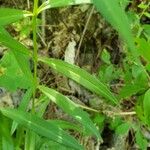
Gentiana clausa
Bottle Gentian · Blind Gentian · Closed Gentian · Meadow Bottle Gentian · Meadow Closed Gentian
Description
Source: leafsnapGentiana clausa, one of several plants with the common name "bottle gentian", is a 1'–2' tall flowering plant in the Gentianaceae family. It is native to Eastern North American moist meadows and woods at higher elevations, from Quebec in the north, through the Appalachian range to North Carolina and Tennessee in the south. It has paired, lanceolate leaves, usually on unbranched stalks, and blue blooms which remain closed or nearly so (thus the Latin specific name). It flowers from late August to October.
🎭 Love and Power
Care Guide
💧 Water Every 1-2 weeks
☀️ Light Full sun
Bottle gentian is a sun-loving, perennial herbaceous plant native to open habitats and often found in meadows and grasslands. It prefers full sun but can also tolerate partial sun.
What are the sunlight requirements for Bottle gentian?
Bottle gentian requires full sun to thrive, which means it needs more than 6 hours of sunlight daily. However, it can also tolerate partial sun conditions, which implies about 3-6 hours of sunlight. It's important to observe the movement of sunlight through your garden to find the ideal location that offers the perfect balance of light and shade, ensuring the plant's happiness.
What essentials should one know about Bottle gentian?
Bottle gentian is a perennial herbaceous plant that loves the sun. It is native to open habitats such as meadows and grasslands. While this plant thrives in full sun, it can also grow well under partial sun conditions. For indoor plants, adequate lighting is crucial, especially when natural sunlight is insufficient. Artificial lighting can be a great alternative, with LED lights being a popular choice due to their efficiency and ability to provide specific wavelengths needed by plants. Full sun plants require 30-50W/sq ft, partial sun plants 20-30W/sq ft, and full shade plants need 10-20W/sq ft of artificial light. The artificial light source should be placed 12-36 inches above the plant, mimicking natural sunlight as closely as possible, and most plants need 8-12 hours of light per day.
What are the important symptoms of light deficiency in Bottle gentian?
Bottle gentian shows several symptoms when it doesn't receive adequate light. These include smaller new leaves, leggy or sparse growth, faster leaf drop, slower or stopped growth, and lighter-colored or yellow leaves indicating chlorosis. In contrast, excessive sunlight can cause symptoms like sunscald, which appears as pale or necrotic spots on leaves or stems, leaf curling as a defense mechanism against excessive light, wilting due to increased water loss, and leaf scorching characterized by brown, dry edges or patches on the leaves. These symptoms highlight the importance of providing your Bottle gentian with the right amount of sunlight.
How can one address the issue of insufficient sunlight for Bottle gentian?
To combat insufficient sunlight for Bottle gentian, gradually increase its exposure to sunlight by moving it to a sunnier location each week, aiming for at least 6 hours of direct sunlight daily. Maximum sunlight exposure can be ensured by using a south-facing window and keeping curtains open. If the plant is large or not easily movable, consider supplementing with artificial light, like keeping a desk or ceiling lamp on for at least 8 hours daily or using professional plant grow lights. For outdoor plants, moving them gradually to sunnier spots is crucial to avoid sunburn. Note that parts of the plant already affected by light deficiency may not recover, but new growth will be healthy with proper light exposure. Additionally, reducing obstructions such as pruning trees or relocating the plant to areas with better sunlight and drainage can enhance light access.
🌡️ Temperature 0–35°C
Bottle gentian can tolerate a broad range of temperatures, but its distribution may still be constrained by specific combinations of moisture and heat. It does best in warm summer conditions with sufficient rainfall or watering. Long periods of cloudy, rainy weather or sustained high temperatures raise the risk of Bottle gentian dying. In winter, proper protection from cold can raise the plant's survival chances.
What are the essential care instructions for Bottle gentian?
Bottle gentian, known botanically as Gentiana clausa, is adaptable to a wide range of temperature conditions but thrives best in warm summer climates with adequate rainfall or watering. Despite its strong cold resistance, its survival rate can be improved with protection against very low winter temperatures. For winters expected to drop below -35°C, it's important to cover the plant with soil or straw. Additionally, watering the plant abundantly before the first freeze in autumn to ensure the soil is moist can help prevent drought and water scarcity during the colder months.
What should I do if my Bottle gentian is exposed to low temperatures?
Bottle gentian is cold-tolerant and generally thrives best when temperature remains above 0°C, and it should ideally be kept above -30°C during winter. When temperatures fall below -35°C, you might not notice any immediate changes, but there could be a decrease in sprouting or even no sprouting in spring. If you observe that some parts have not sprouted in spring, it's recommended to remove these parts to encourage new growth.
How do I care for my Bottle gentian during high temperatures?
During the summer, it's crucial to keep Bottle gentian below 35°C to prevent heat stress. Temperatures exceeding 38°C can cause the leaves to lighten in color, curl, become susceptible to sunburn, and in severe cases, the entire plant may wilt and dry. To address this, trim away the sunburned and dried-up parts of the plant. Moving the plant to a shaded location, especially from the midday and afternoon sun, or using a shade cloth can provide essential protection. Watering the plant in the morning and evening will help keep the soil moist and reduce heat stress.
💨 Humidity
🪴 Soil 6-8
🌱 Fertilizer
The best time to fertilize a Bottle gentian is in early spring, as it comes out of dormancy and begins active growth. Fertilization supplies essential nutrients needed for healthy growth. Although Bottle gentian has fairly low fertilizer requirements, applying fertilizer annually can improve its survival and encourage better, longer-lasting flowers.
🪴 Pot & Repot
✂️ Pruning
Bottle gentian is known for its distinctive closed blue or purple flowers. To achieve the best results, follow these pruning tips: prune in early to late spring, remove any unhealthy stems, and thin out overcrowded areas to improve airflow. This maintenance routine encourages healthy growth and enhances blooming in late summer, ensuring a vibrant and attractive display.
🌿 Propagating
🐛 Diseases & pets
☠️ Toxicity
Characteristics
- Plant Type
- Herb
- Life Cycle
- Perennial
- Genus
- Gentiana
- Family
- Gentianaceae
- Hardiness Zone
- 3-9
- Mature Height
- 30 cm to 61 cm
- Mature Spread
- 46 cm
- Leaf Color
- Green, Blue
- Leaf Type
- Evergreen
- Flower Color
- Blue
- Flower Size
- 2.54 cm to 3.81 cm
- Bloom Time
- Late summer, Early fall, Mid fall
- Planting Time
- Spring, Summer
- Harvest Time
- Mid fall, Late fall, Early winter