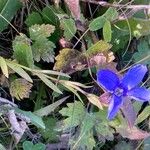
Gentiana pumila
Niedriger Enzian
Care Guide
💧 Water
☀️ Light Full sun
Yellow centaury comes from bright, open habitats and does best in full sun. It can tolerate partial sun but favors direct sunlight for optimal growth. This plant, which grows as an annual or biennial, is known for its sun-loving nature.
🌡️ Temperature 15–35°C
Yellow centaury can tolerate a wide range of temperatures, yet its distribution can still be restricted by specific combinations of water and heat conditions. It does best in warm summer climates with enough rainfall or irrigation. Long periods of cloudy, rainy weather or extended high temperatures increase the chance of Yellow centaury dying. In winter, protecting the plant from cold can boost its survival rate.
💨 Humidity
🪴 Soil 5-7
🌱 Fertilizer
Yellow centaury benefits from regular, light applications of fertilizer to encourage healthy leaf growth. You should fertilize Yellow centaury about once a month during the summer months. Nitrogen is important for foliage, and supplementing with nitrogen-rich sources helps Yellow centaury thrive.
🪴 Pot & Repot
✂️ Pruning
The Niedriger Enzian is a low-growing ornamental alpine plant known for its vibrant blue flowers. To maintain its health and visual appeal, prune it from early to late spring. Start by removing any dead stems, then lightly trim the spent blooms. This will promote growth, improve air circulation, and help maintain a compact shape.
🌿 Propagating
🐛 Diseases & pets
☠️ Toxicity
Characteristics
- Plant Type
- Herb
- Life Cycle
- Annual
- Genus
- Gentiana
- Family
- Gentianaceae
- Hardiness Zone
- 7-10
- Mature Height
- 10 cm to 30 cm
- Mature Spread
- 5 cm to 15 cm
- Leaf Color
- Green
- Leaf Type
- Deciduous
- Flower Color
- Pink
- Flower Size
- 1.02 cm to 1.52 cm
- Bloom Time
- Early summer, Mid summer
- Planting Time
- Spring, Summer, Autumn
- Harvest Time
- Late summer, Early fall
- Native Area
- Egypt, Tunisia, Turkey, Italy, Portugal, Spain, Cyprus, Bulgaria, Albania, Algeria, Greece, Croatia, Morocco, Lebanon, France