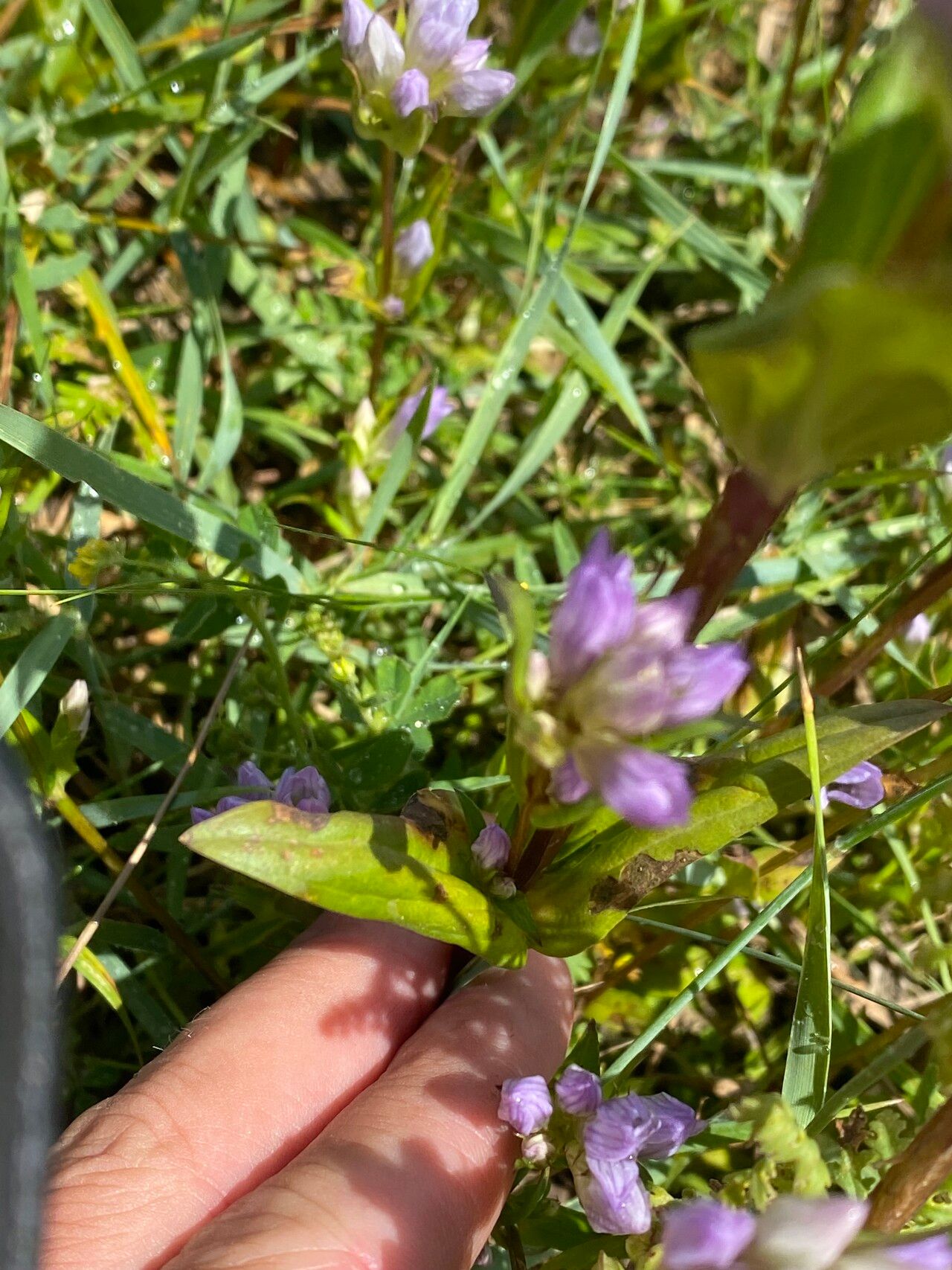
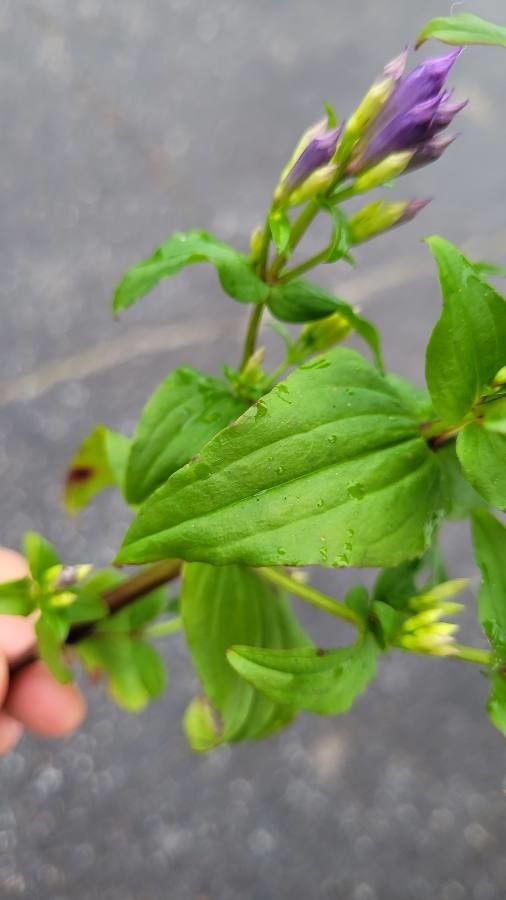
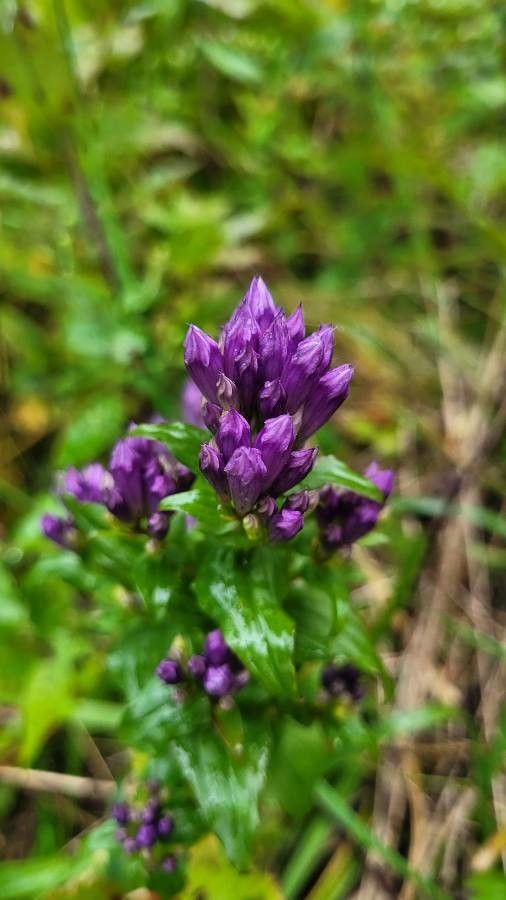
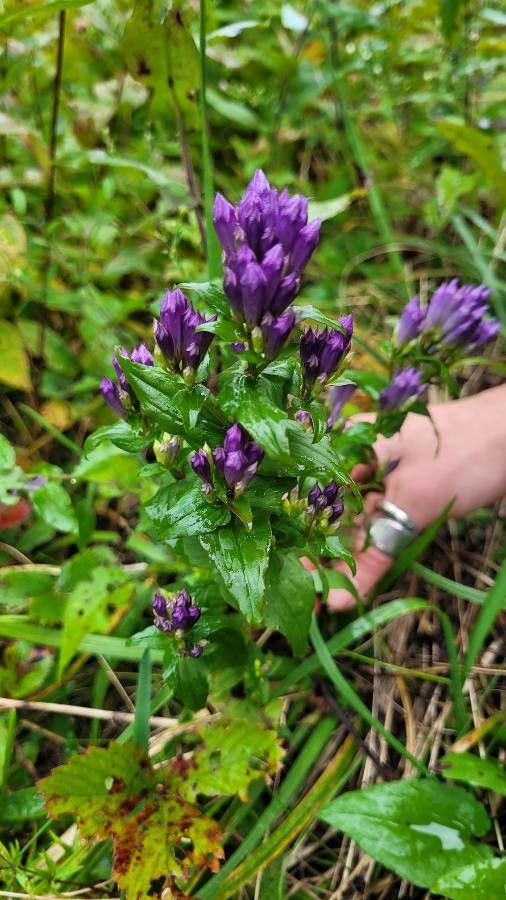
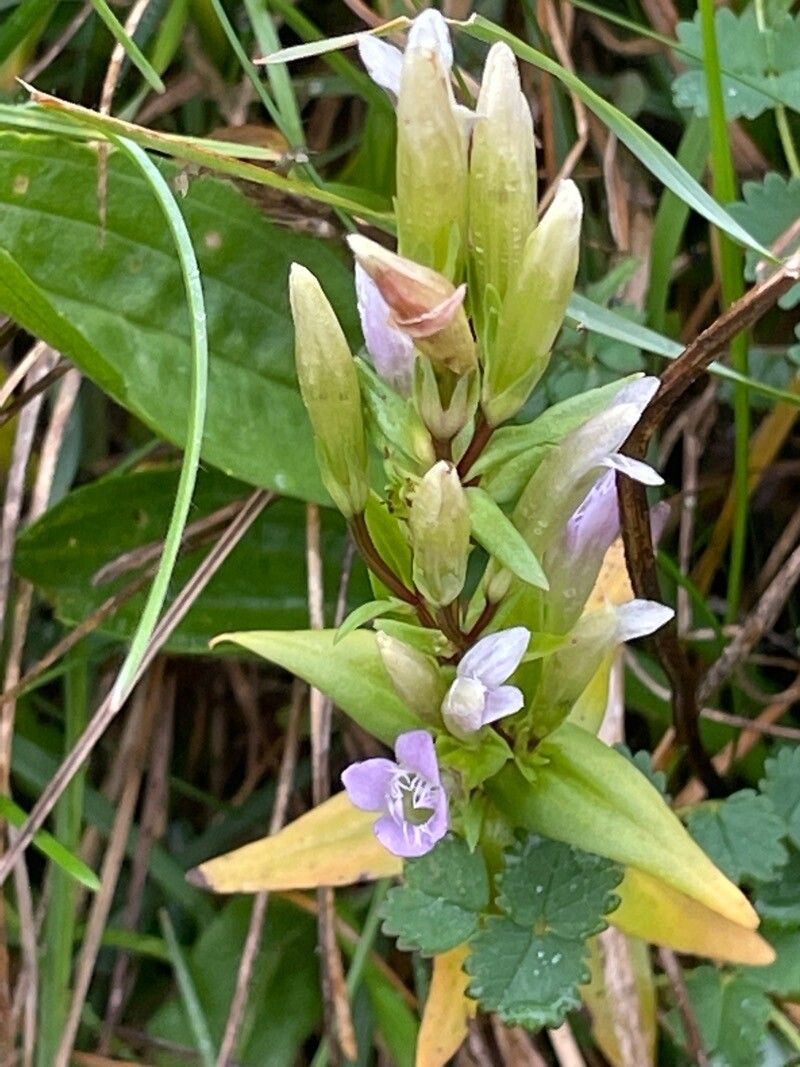
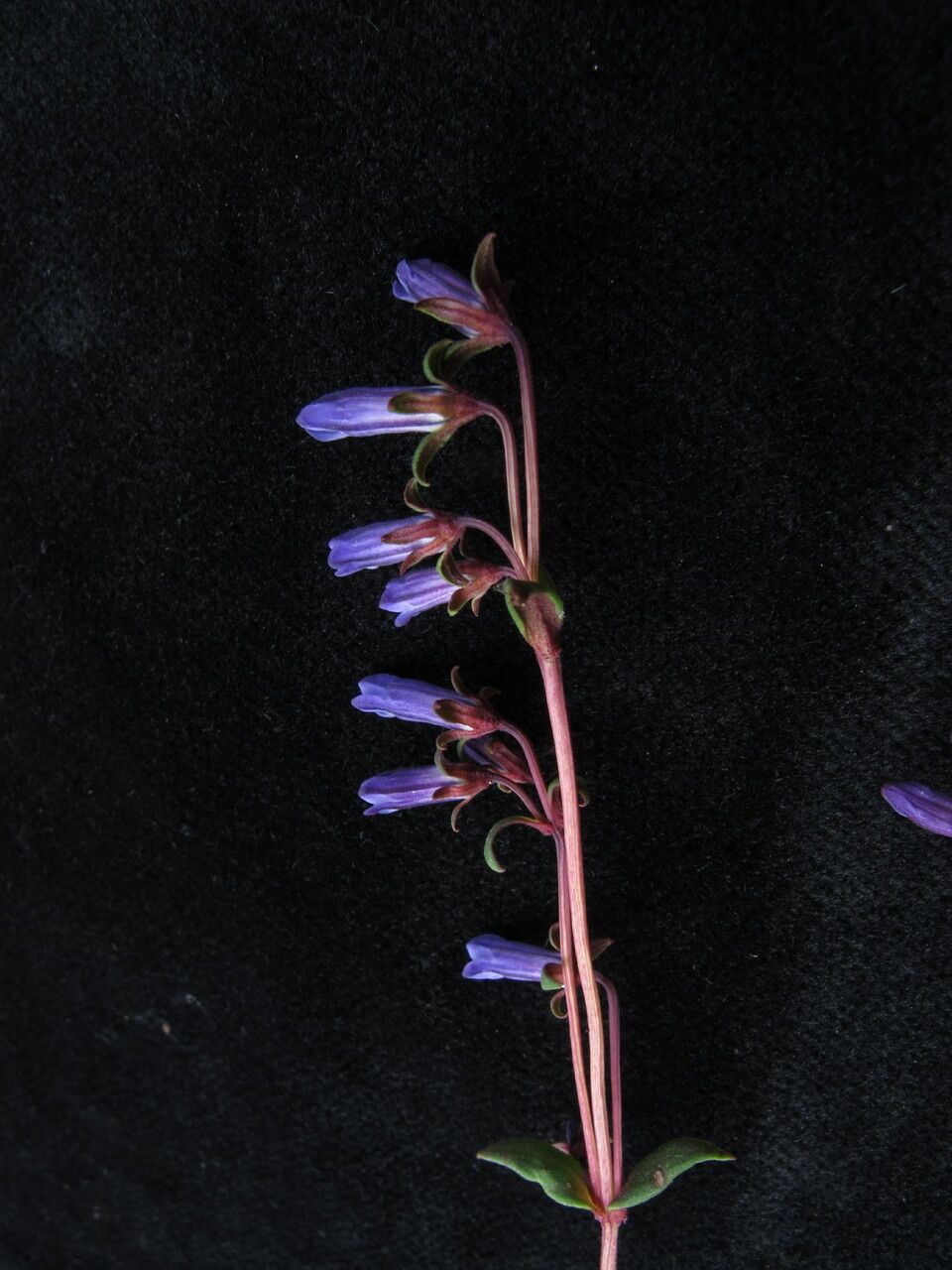
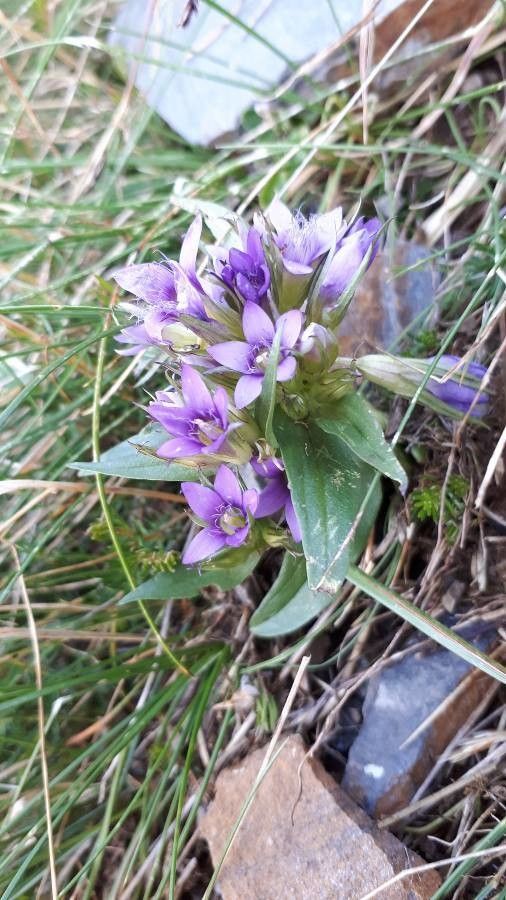
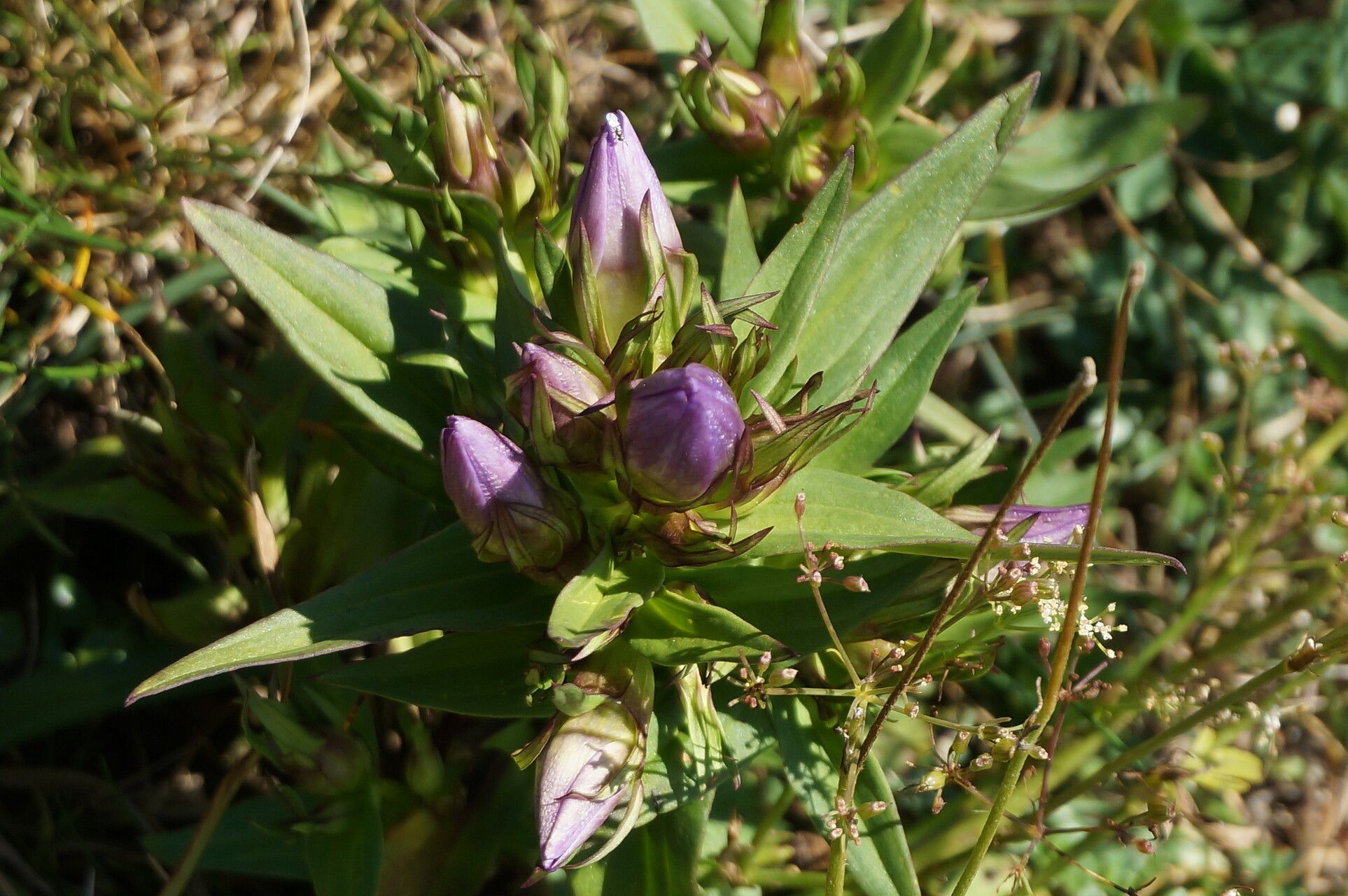
Gentianella quinquefolia, commonly called agueweed, is a flowering plant in the gentian family. It is native to eastern North America.
Agueweed is fairly resistant to disease and generally not prone to illnesses. However, it can be vulnerable to pests and diseases present in its surroundings. Such infections are typically not severe. In terms of care, the plant requires moderate maintenance. Regular pruning is needed to preserve a tidy appearance and support healthy growth. Applying fertilizer can also encourage flowering. Agueweed is appropriate for anyone with outdoor space, such as a garden or patio, and does not demand extensive care experience. It may require more attention if grown indoors.
How to keep Gentianella Quinquefolia.
Light
Agueweed grows best when it receives ample sunlight throughout the day, though it can tolerate some shade. Plentiful sun further encourages its notable growth. Excessive or insufficient sunlight can negatively affect its health, leading to suboptimal growth and vigor. The light conditions in its native habitat are similar to these preferences.
Temperature
Agueweed can tolerate a wide range of temperatures, but its distribution may still be restricted by different combinations of moisture and heat. It does best in warm summer climates with sufficient rainfall or watering. Extended periods of cloudy, rainy weather, as well as prolonged high temperatures, can raise the likelihood of Agueweed dying. In winter, protecting it from cold can improve its chances of survival.
Fertilizer
After Agueweed has opened most of its flowers to full size, resume fertilizing. When the blooms are at peak production, apply fertilizer every three to four weeks, as weather allows. Then, once Agueweed begins producing fewer new blooms, stop fertilizing; there’s no need to feed the plant when it can’t produce any more blooms.
Pruning
Agueweed is characterized by its delicate, star-shaped flowers and should be pruned from early to late spring. To encourage growth and flower production, remove any dead stems by trimming them above the leaf nodes. This practice improves airflow and light penetration, promoting overall plant health and reducing the risk of disease.
Botanical profile.
- Plant Type
- Herb
- Life Cycle
- Annual, Biennial, Perennial
- Genus
- Gentianella
- Family
- Gentianaceae
- Hardiness Zone
- 4-8
- Mature Height
- 23 cm to 76 cm
- Mature Spread
- 10 cm to 30 cm
- Leaf Color
- Green, Yellow, Gold, Purple, Lavender
- Leaf Type
- Semi-evergreen
- Flower Color
- Blue, Violet
- Flower Size
- 2.54 cm
- Bloom Time
- Late summer, Early fall, Mid fall
- Planting Time
- Spring, Summer
- Harvest Time
- Mid fall, Late fall, Early winter
Other names.
Reader questions.
What kind of sunlight does Agueweed require?
Agueweed thrives best in conditions that offer generous amounts of sunlight throughout the day. It can manage some shade, indicating a preference for full to partial sun exposure. Specifically, this means that it ideally needs more than 6 hours of sunlight for 'full sun' conditions and about 3-6 hours for 'partial sun' conditions. Monitoring how sunlight moves through the garden will help in choosing spots that ensure the plant's growth and well-being, striking a balance between light and shade to mimic its natural habitat conditions closely.
How can artificial lighting benefit Agueweed indoors?
For indoor Agueweed plants, especially in conditions of insufficient natural sunlight, artificial lighting becomes essential. It promotes faster, healthier growth by mimicking the sunlight's benefits. Selecting the right type of artificial light, such as LED lights, enables customization to provide specific light wavelengths needed by plants. The intensity required varies; full sun plants need 30-50W per square foot, partial sun plants 20-30W, and full shade plants 10-20W. The light source should be placed 12-36 inches above the plant, ensuring it mimics natural sunlight as closely as possible, with a recommended duration of 8-12 hours of light per day to simulate natural daylight hours.
What symptoms indicate that Agueweed is receiving inadequate light?
Agueweed exhibits several symptoms when it doesn't receive adequate light, especially when grown indoors. Symptoms include smaller new leaves, leggy or sparse growth due to longer spaces between leaves or stems, faster leaf drop as older leaves are shed early, slower or halted growth, lighter-colored or pale new leaves indicating a lack of chlorophyll, chlorosis leading to yellowing leaves, sunscald seen as pale or necrotic areas on plant tissues, leaf curling as a defense against excessive sunlight, wilting due to increased transpiration and water loss, and leaf scorching characterized by brown, dry edges on leaves. These indicators help diagnose light-related issues, advising on the need for improved light conditions.
How can I improve sunlight exposure for an Agueweed plant?
Improving sunlight exposure for Agueweed requires a gradual adjustment to prevent shock from sudden changes. For indoor plants, gradually moving them to sunnier locations or using artificial lighting sources, such as desk lamps or professional grow lights for at least 8 hours daily, can significantly help. Outdoor plants should be moved progressively to sunnier spots each week. Reducing obstructions like pruning trees that shade the plant, and for smaller plants, considering transplantation during their dormant period to a location with ample sunlight and good drainage, are effective strategies. These adjustments, along with minimizing drastic changes in light intensity, promote the plant's health and vitality.