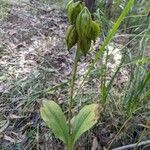
Geodorum densiflorum
Walking-stick Orchid · Pink nodding orchid
Description
Source: leafsnapGeodorum densiflorum, commonly known as the dense-flowered geodorum, is a species of orchid native to Southeast Asia. This terrestrial orchid thrives in damp, shady environments such as forests and swamps. The plant features a short stem and several elliptical leaves that can grow up to 30 cm long. Its small flowers, about 1 cm in diameter, densely populate the inflorescence, which can reach up to 60 cm in height. The flowers are notable for their white petals adorned with purple spots on the three-lobed lip. Geodorum densiflorum is commonly used in traditional medicine to treat conditions such as fever and inflammation. Additionally, it is popular in ornamental gardening due to its attractive flowers and foliage. For optimal growth, the plant requires moist soil with good drainage and partial shade. It can be propagated through the division of rhizomes or seed germination, although growing it from seed requires patience as it may take several years to bloom. Overall, Geodorum densiflorum is a fascinating orchid species that offers both medicinal benefits and ornamental value. Its conservation is important to ensure that future generations can continue to appreciate its unique qualities.
Care Guide
💧 Water Every 7 days
The walking-stick orchid originates from tropical forests and thrives in consistently moist soil. It prefers to be watered weekly to maintain optimal hydration. As an indoor epiphyte, it benefits from higher ambient humidity, which encourages lush growth and vibrant blooms during its active growing season.
☀️ Light Partial sun
The walking-stick orchid thrives when it is continually exposed to the full intensity of the sun. In its native habitat it developed under those conditions, which supports its vigorous growth. Too much or too little sunlight can negatively affect the plant's health and growth.
What are the sunlight requirements for a Walking-stick orchid?
The Walking-stick orchid requires above 6 hours of sunlight daily to thrive. It's essential to monitor the movement of sunlight through your garden to find spots that offer a balanced blend of light and shade, ensuring the plant's overall well-being. In its native habitat, the Walking-stick orchid has adapted to flourish under full sun exposure, which is critical for its growth. However, both over-exposure and under-exposure to sunlight can adversely affect the plant's health.
What are the additional lighting options for a Walking-stick orchid?
When natural sunlight is not sufficient, especially in winter or less sunny locations, artificial lighting becomes crucial for the Walking-stick orchid's growth. LED lights are recommended due to their ability to be customized to provide specific wavelengths needed by the plants. Full sun plants require 30-50W/sq ft, partial sun plants need 20-30W/sq ft, and full shade plants require 10-20W/sq ft of artificial light. The light source should be placed 12-36 inches above the plant, mimicking natural sunlight for 8-12 hours per day.
What are the symptoms of insufficient light in Walking-stick orchids?
Symptoms of insufficient lighting in Walking-stick orchids include smaller new leaves, leggy or sparse growth, faster leaf drop, slower or halted growth, lighter-colored new leaves, chlorosis, sunscald, leaf curling, wilting, and leaf scorching. These signs indicate the plant is either receiving too much or too little light, affecting its ability to properly photosynthesize and maintain optimal health.
What are the solutions for insufficient light exposure for Walking-stick orchids?
To mitigate insufficient light exposure, gradually introduce your Walking-stick orchid to sunnier locations, aiming for at least 6 hours of direct sunlight daily. Consider using artificial lighting, like desk or ceiling lamps, for at least 8 hours a day or invest in professional grow lights if the plant is large or immobile. Outdoor plants should also be moved gradually to avoid sunburn. If it's due to environmental obstructions, consider pruning or transplanting to a sunnier location. Remember, while parts of the plant already affected may not recover, new growth should be healthy with improved lighting conditions.
🌡️ Temperature 20–37.8°C
Native to regions where temperatures range from 68 to 100 °F (20 to 38 ℃), the walking-stick orchid favors warmer conditions. Seasonal adjustments in care may be necessary to preserve these temperatures; otherwise the plant may respond poorly.
What are the ideal temperature conditions for the Walking-stick Orchid?
The Walking-stick Orchid (Geodorum densiflorum) flourishes in environments with temperatures ranging from 20°C to 38°C (68°F to 100°F). It's crucial to maintain these temperatures, as deviations may cause the plant to react adversely. In winter, if temperatures dip below 5°C, it's recommended to bring the orchid indoors, ensuring indoor temperatures stay above 20°C. For orchids needing to overwinter outdoors, they should be positioned in a sheltered spot that receives sunlight, with additional protection like a temporary greenhouse or wrapping with plastic film or fabric suggested to safeguard them from the cold.
How should Walking-stick Orchid be cared for in low temperatures?
The Walking-stick Orchid thrives in warmth and doesn't tolerate low temperatures well, with optimal growth above 20°C. In winter, it's important to keep it above 5°C. Exposure to temperatures below 1°C can cause leaves to exhibit water-soaked necrosis, wilting, and drooping. In such situations, frostbitten areas should be trimmed off, and the plant should be moved indoors to a warmer location, preferably near a south-facing window for ample sunlight. It's also advisable to avoid placing the orchid near heaters or air conditioning vents to prevent air dryness.
What care is needed for Walking-stick Orchid in high temperatures?
During summer, it's essential to keep the Walking-stick Orchid below 38°C to prevent growth from ceasing and leaves from gradually wilting. Temperatures above 43°C increase the risk of root rot and sunburn, especially in direct sunlight. In such cases, sunburned and dried parts should be trimmed away. The orchid should be moved to a shaded area to protect it from the midday and afternoon sun. Watering in the morning and evening helps maintain moisture for both the plant and its environment.
💨 Humidity
🪴 Soil 5-6
🌱 Fertilizer
Appropriate fertilization is essential for the Walking-stick orchid's health and appearance. Apply fertilizer to the Walking-stick orchid during summer, repeating the treatment once a month throughout the season. Nutrients support growth and sustain the plant's parts. Fertilization improves the Walking-stick orchid's flower display, helping ensure the best blooms.
🪴 Pot & Repot
✂️ Pruning
The walking-stick orchid boasts vibrant flowers and sturdy stems. For best results, prune the plant from early to late spring to remove any dead parts and encourage new growth. Trim back spent stems to maintain the shape of the plant, but avoid heavy pruning. Timely pruning enhances flower production and improves the overall vitality of the plant.
🌿 Propagating
🐛 Diseases & pets
☠️ Toxicity
Characteristics
- Plant Type
- Herb
- Life Cycle
- Perennial
- Genus
- Geodorum
- Family
- Orchidaceae
- Hardiness Zone
- 10-12
- Mature Height
- 30 cm
- Mature Spread
- 30 cm
- Leaf Color
- Green
- Leaf Type
- Semi-evergreen
- Flower Color
- Green, Yellow, Brown
- Flower Size
- 1.78 cm to 2.03 cm
- Bloom Time
- Summer
- Planting Time
- Spring, Summer
- Harvest Time
- Late summer, Early fall, Mid fall